Decriminalizing suicide in Kenya
February 20, 2025
KEMRI and EACCR3 Empower Scientists in Science Communication Across East Africa.
February 26, 2025Dissemination of Improvement Studies for Evidence-based Innovations(IM-SEEN) Findings in Meru County.
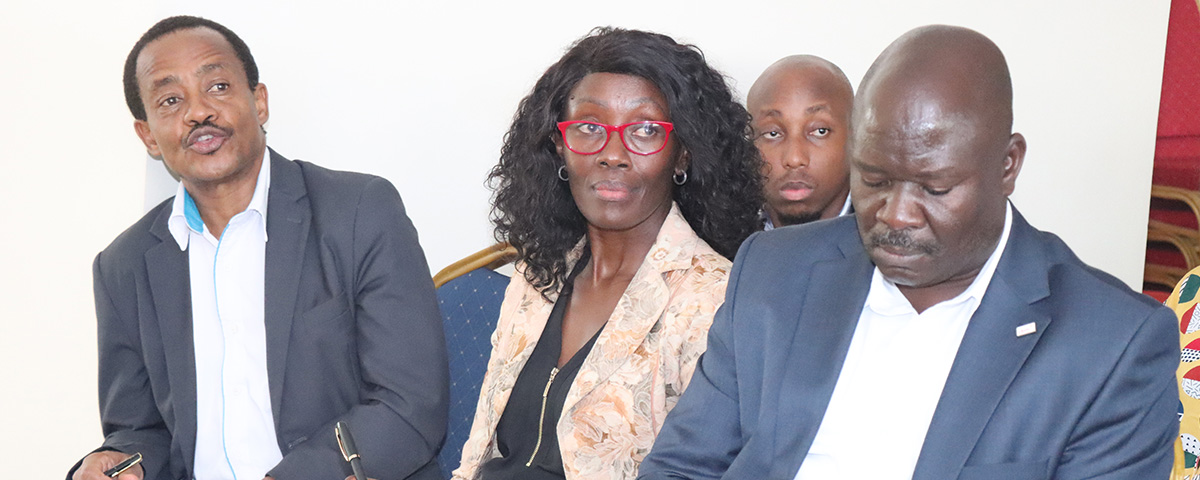
LtoR; Dr. Michael Gichangi, Ms. Sarah Karanja, CEO Christian Blind Mission; Mr. David Muyendo.
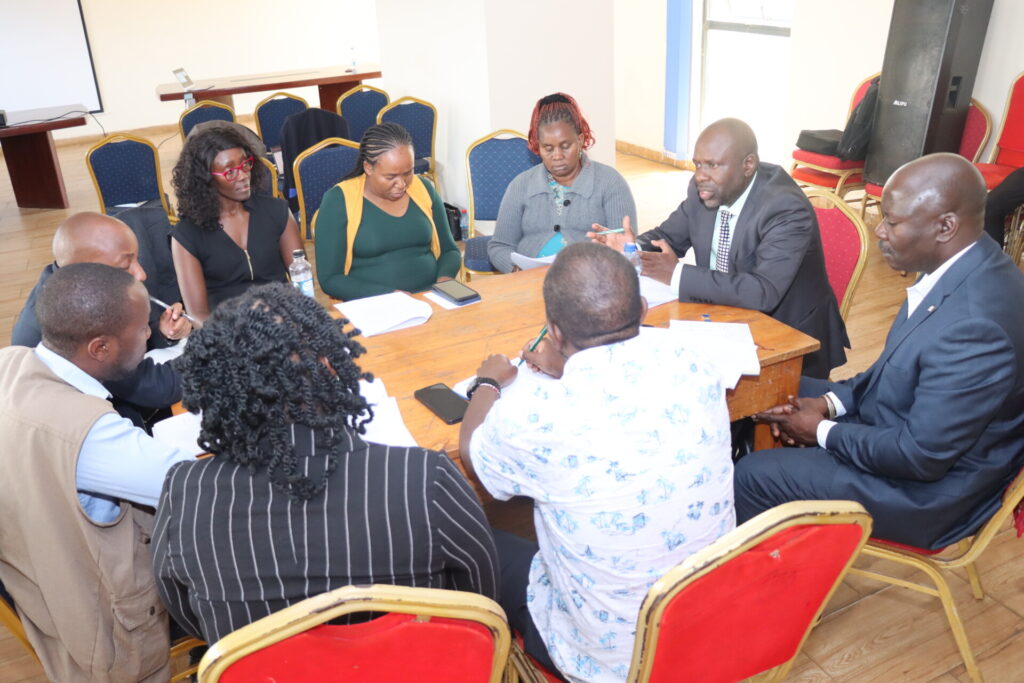
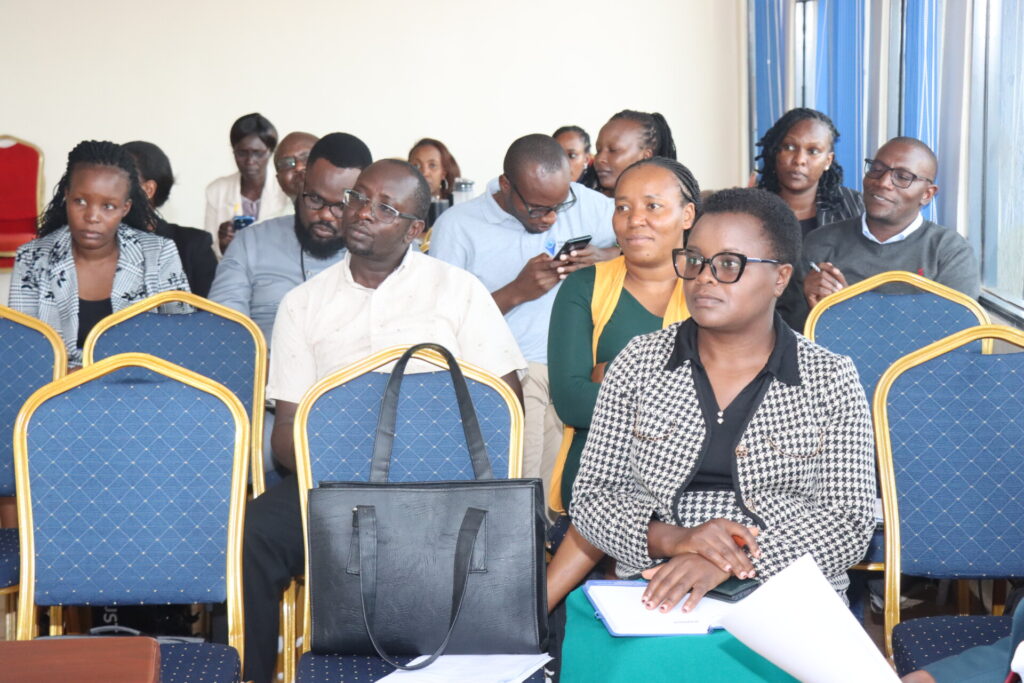
KEMRI joined the Meru County Department of Health dissemination meeting for the Improvement Studies for Evidence-based Innovations (IM-SEEN) project on February 19, 2025, at their boardroom in Meru town. The event brought together over 30 stakeholders who gathered to discuss findings and forge a path forward for improving eye care services in the region.
The meeting was officially opened by the Meru County Executive Committee Member (CECM) Health Services Dr. George Mungania who in his remarks emphasized the county’s commitment to strengthening eye health services.
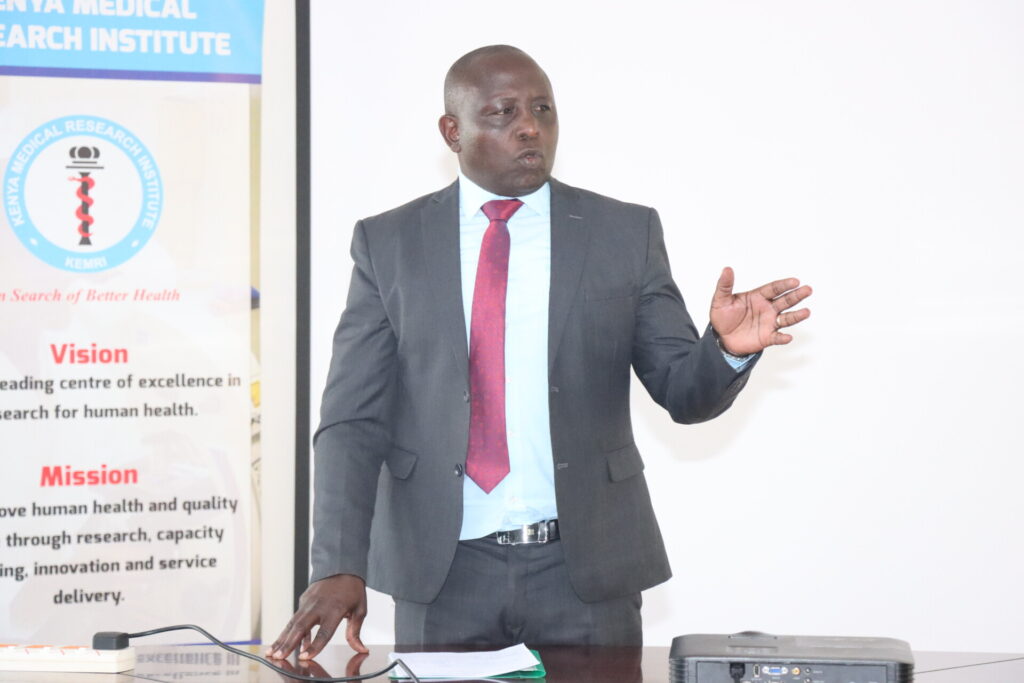
The IM-SEEN, initiated in 2023, is a groundbreaking collaboration model between key partners: the Ministry of Health (MoH), Christian Blind Mission, London School of Hygiene & Tropical Medicine (LSHTM), Peek Vision, NIHR (National Institute of Health Research), College of Ophthalmology of Eastern Central and Southern Africa (COECSA), AIC Health Ministries, Meru Department of Health, Kenya Society of the Blind, and the Kenya Medical Research Institute (KEMRI). The aims is to develop and test an integrated model for improving delivery of comprehensive eye care services at all levels of the health system, with a particular focus on those persons who are left behind in accessing services.
Project Principal Investigator and Head of the Eye Health Section at the Ministry of Health, Dr. Michael Gichangi, and Co-Principal Investigator, Ms. Sarah Karanja, presented compelling findings, providing options for continuous improvements in eye care accessibility. Dr. Gichangi noted that “strengthening primary eye health services is a key component of achieving UHC, by integrating eye care into community health strategies, will be key ensure that even the most remote populations receive the care they need.”
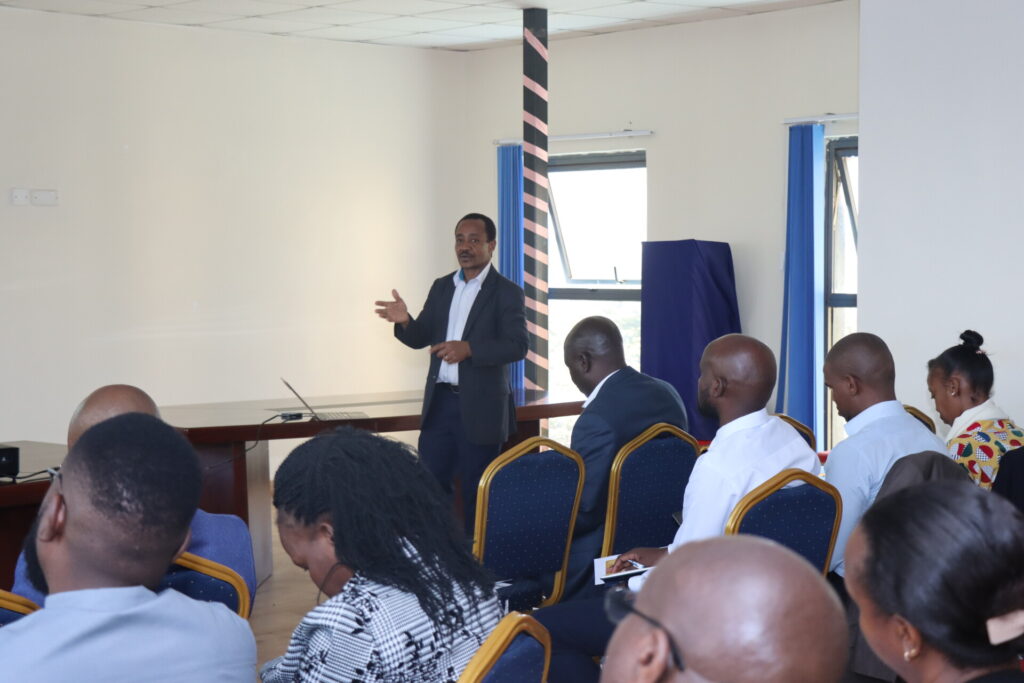
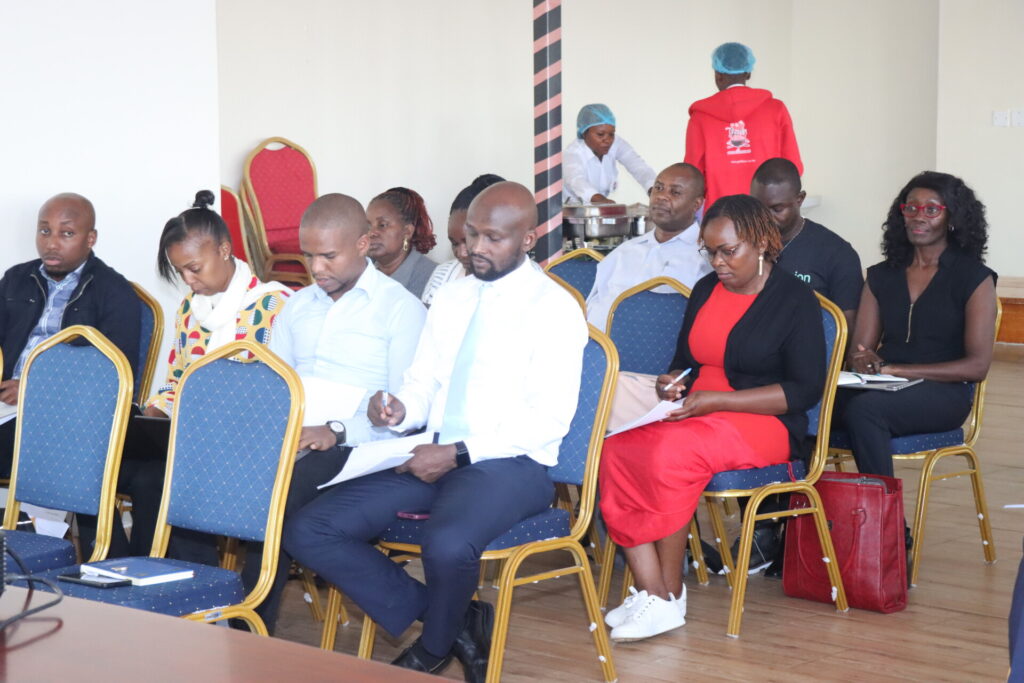
The meeting was not just about presentations and reports; it was about the real people consuming the services being part of making real changes.
Community Advisory Board members gathered the following day to discuss the key findings of the project. These local heroes serve as a link between researchers and the community members, providing valuable feedback throughout the research process to ensure that the actual needs and priorities of the community are addressed, and that the proposed solutions are culturally sensitive. As the meeting drew to a close, Senior Research Scientist Ms. Sarah Karanja’s words of gratitude captured the spirit of collaboration that defines the IM-SEEN project. “This isn’t just about providing eye care,” she reflected. “It’s about bringing hope and dignity to every community we serve, and appreciating the role of community members in identifying solutions accessing health. This makes a lot of sense even for us researchers.
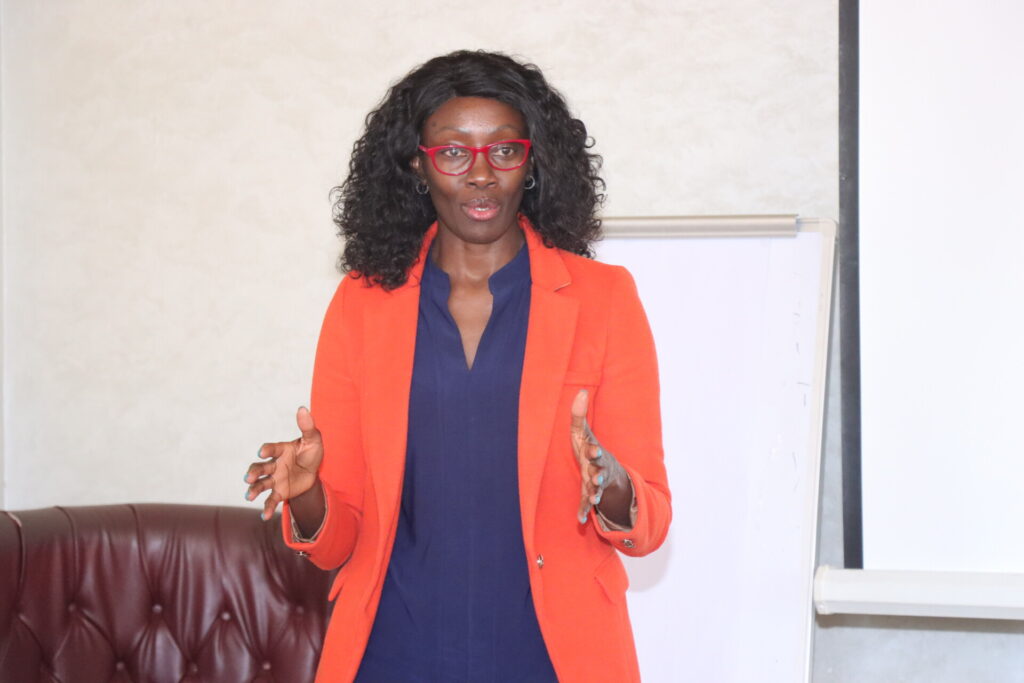
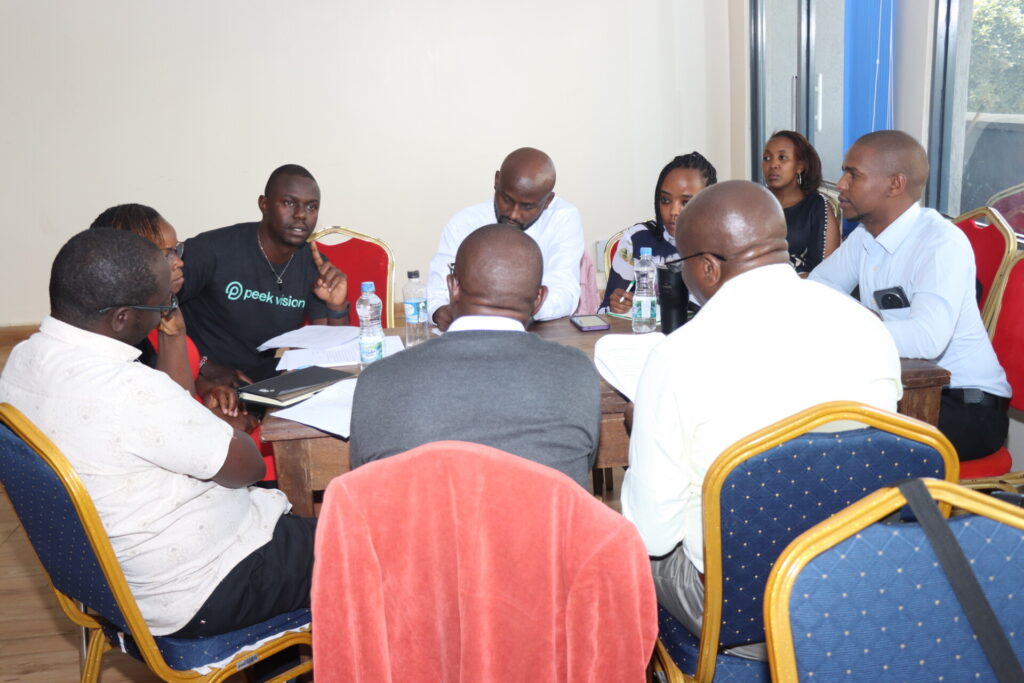
Looking ahead, stakeholders developed action plans for strengthening referral systems and expanding outreach programs. The partnership between public and private health sectors emerged as a key focus area for improving service delivery.
The IM-SEEN model continues to demonstrate how strategic partnerships can drive meaningful change in healthcare delivery. As the meeting concluded, participants reaffirmed their commitment to working together to ensure that quality eye care reaches every corner of Meru County and beyond.
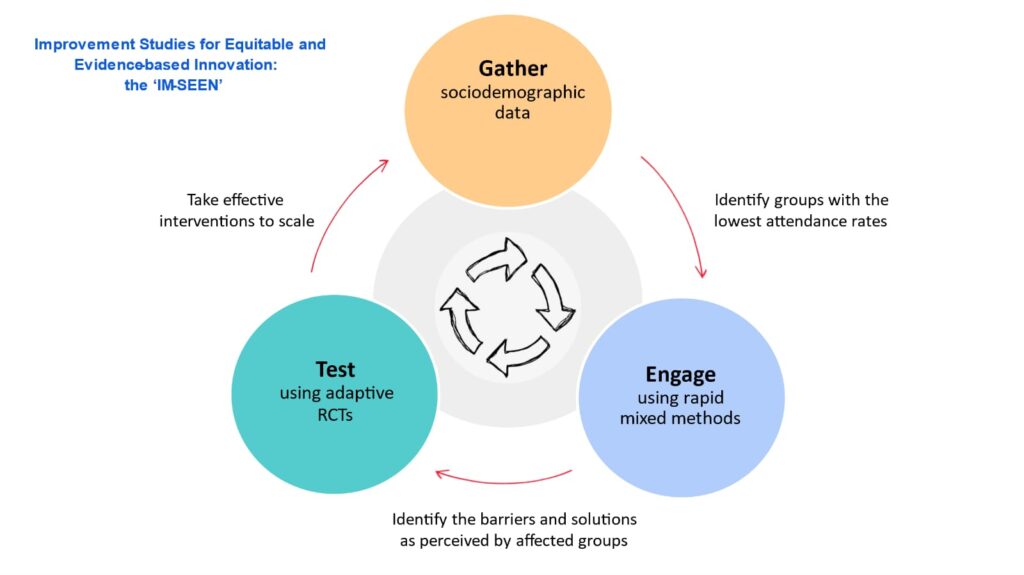
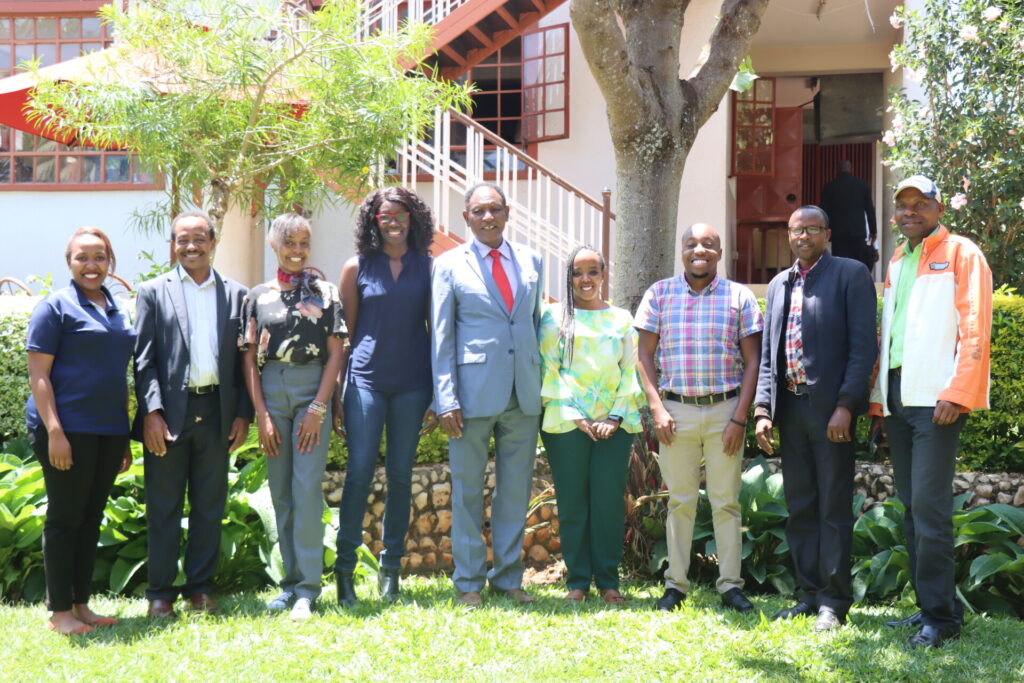
The KEMRI team present at the discussions were Senior Research Scientist Ms. Sarah Karanja, Research Scientists Ms. Yvonne Kiarie, Mr. Zakayo Wegulo, and Mr. The IM-SEEN approach Eric Kiprono, and a student attachee, Ms. Sarah Elemah.