CENTRE FOR COMMUNITY DRIVEN RESEARCH, KIRINYAGA
Overview
KEMRI-Kirinyaga operating as the Centre for Community Driven Research (CCDR) was established to fulfill KEMRI mission of improving human health and quality of life through research, capacity building, innovation and service delivery within the Central and Eastern regions of Kenya.
Mission
The Centre responsible for conducting community driven research in infectious, parasitic, non-communicable diseases and environmental related diseases with the goal of improving quality of life.
Vision
To be a leading Centre of excellence in research for human health
Functions
- Engage with stakeholders to conduct participatory research to address and provide solutions to the health challenges faced by communities;
- Conduct surveillance, mapping and research of infectious, parasitic, non-communicable and environmental related diseases;
- Provide specialized laboratory services, expertise and resources to the scientific community, public and other agencies for patient care, research and training;
- Establish partnerships in research, capacity building, and outreach services;
- Support identification of innovations and interventions for product development and exploitation;
- Support infrastructural platform and resources for incubation of innovations;
- Partner with Centre for Natural Products Research and Drugs Development (CNRD; present day CTMDR) and other stakeholders to establish medicinal plants garden for research, conservation & education purposes;
- Build human capacity in research in partnership with the graduate school and other agencies;
- Establish and maintain research platforms and networks for community engagement and research;
- To conduct applied research at the human-animal-ecosystem interface;
Research Support stations
Kirinyaga Field Station
To properly ensure proper coordination of Research, one (1) field station, at Kirinyaga will be established to coordinate field work for sample collections and will be the main reference point for community engagement and community entry, sample sorting and analysis and liaison with the County Department.
Ongoing Projects
Community driven discovery and development of bioproducts to treat and/or manage human diseases:
- We are prospecting for natural products from medicinal plants, fungi, bacteria, venoms, and assessing their potential as treatment/management products against human diseases, including;
- Non communicable diseases (NCDs such as cancer, hypertension and diabetes);
- Neglected Tropical Diseases (NTDs such as Leishmaniasis, Schistosomiasis, and helminths);
- Communicable diseases by targeting WHO priority drug-resistant bacterial pathogens and Malaria parasite as well as vector.
- Immunopathies, by discovering immunomodulators.
Turkana Health Genomic Project (THGP), a multi-institutional (KEMRI, Vanderbilt University and UC Berkeley) and multi-disciplinary study answering the following broad questions:
- The adaptations of Turkana people to water stress and pastoralism
- The role of lifestyle change and genotype in the development of non-communicable diseases.
- How early life environments and experiences can get “through the skin” to influence our health years or decades later?
- How helminth infection shapes our immune homeostasis and ultimate health outcome.
Products and Services
We host students for their attachments, internships and site visits during academic trips, scientific protocols/proposals review
Partners
- Counties in Central and Eastern region
- University of Embu
- Vanderbilt University
- University of California Berkeley
- Grand Challenges Africa Drug Discovery Accelerator (GC-ADDA)
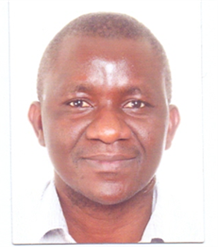
Dr. Sospter Njeru
Ag Deputy Director CCDR
Dr. Njeru has an academic background in biochemistry and biomedical sciences. My research competence cut across the fields of drug discovery, cancer biology, immunology, biological aging and how our environment influence our vulnerability or resilience to diseases. In my training and research activities at Leibniz Institute on Ageing, Paul Ehrlich Institute – Germany, and Kenya Medical Research Institute (KEMRI), he has acquired valuable sets of multi-Omic and biochemistry skills including, developing an easy to use library preparation method for NGS RNA-sequencing, preparing samples for proteomics, Lipidomics, Peptidomics, and Nanostring.
In addition, Dr. Njeru has is proficient in Western blotting, PCR approaches, Immunohistochemistry and Immunocytochemistry, cell culture, CRISPR/Cas9 knockout, CRISPRi, and shRNA knockdown approaches, among others. He has used these approaches to decipher molecular targets and mechanistic changes upon genetic manipulation or chemical treatments in both in vitro and in vivo experimental model systems.
Presently, he is part of a team that is using community participatory approaches to profile disease burdens, vulnerability and/or resilience as people transition from rural to urban lifestyle in the context of Turkana Health Genomic Project (THGP). He is also part of an African consortia – Grand Challenges Africa Drug Discovery Accelerator (GC-ADDA), where we are promoting drug discovery initiatives in Africa-specifically contributing on the use of BacPROTAC as potential innovative therapeutic approach against Mycobacteria tuberculosis. As a way of giving back to the community and building the next crop of African scientists, Dr. Njeru mentors young scientists in Africa through initiatives such as KEMRI Graduate School (KGS), Pan African University Institute for Basic Sciences, Technology and Innovation (PAUSTI), German academic exchange service (DAAD), Turkana Health genomic Project (THGP) and Afrique Research Support Hub (ARSH) Program
Contact Info
Location
At PI, in Mutithi on Embu-Meru highway. ~5 KM from Makutano and ~ 100 KM from Nairobi.