
KEMRI Hosts TDR’s Symposium to Advance Research Mentorship and One Health
November 5, 2025
KEMRI Board Audit Committee Participates in 22nd Internal Audit Annual Seminar
November 11, 2025Stakeholders Review Progress in the Fight Against Kala-azar

By Stella Njung’e
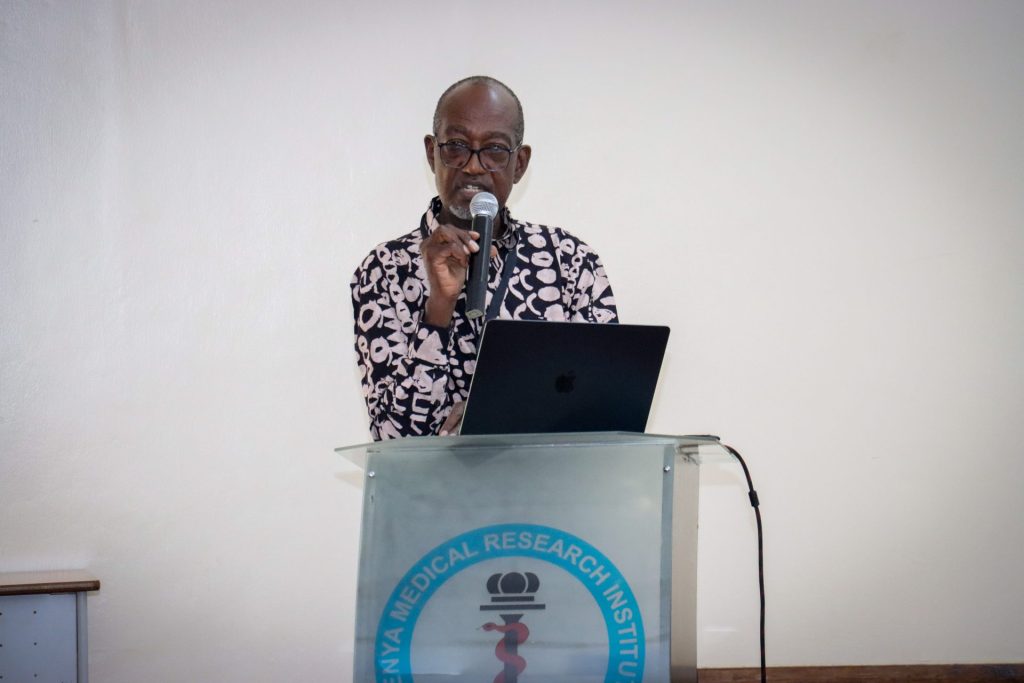
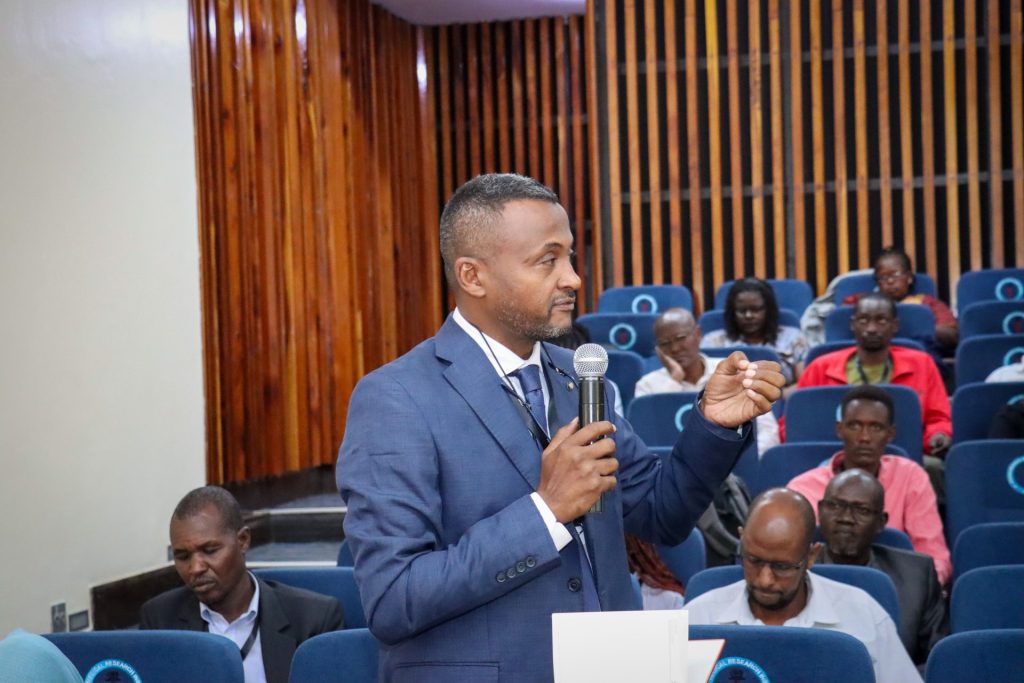
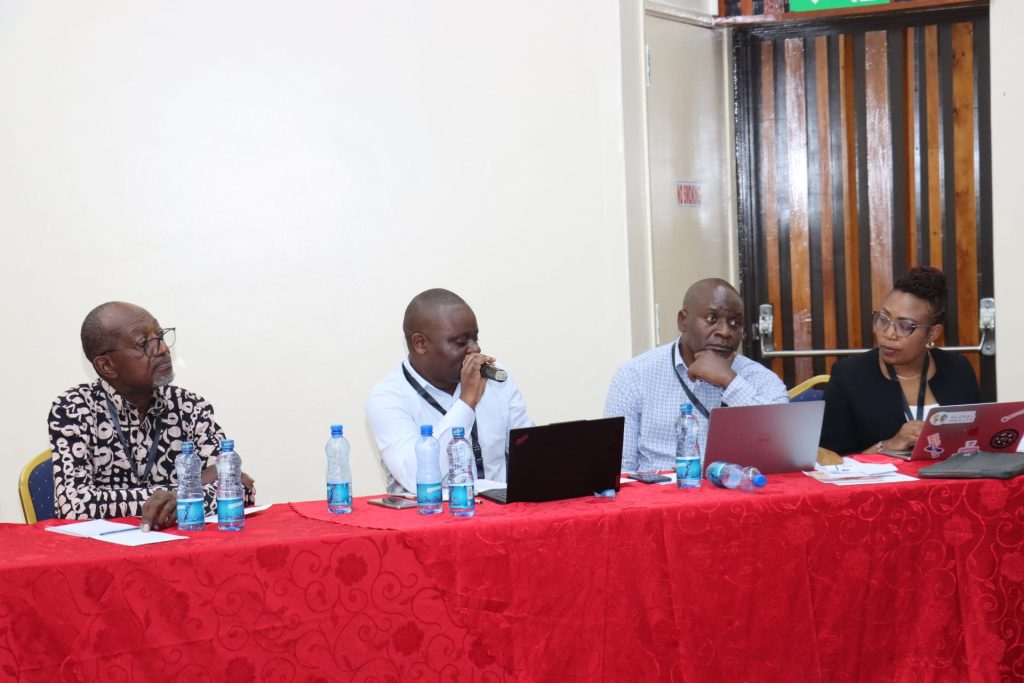
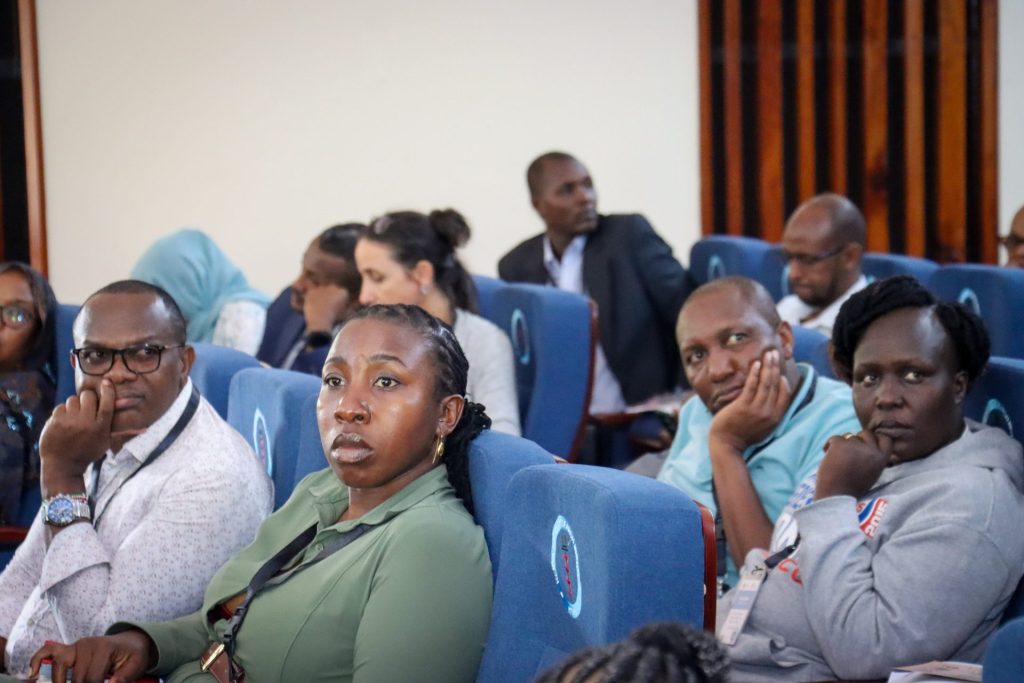
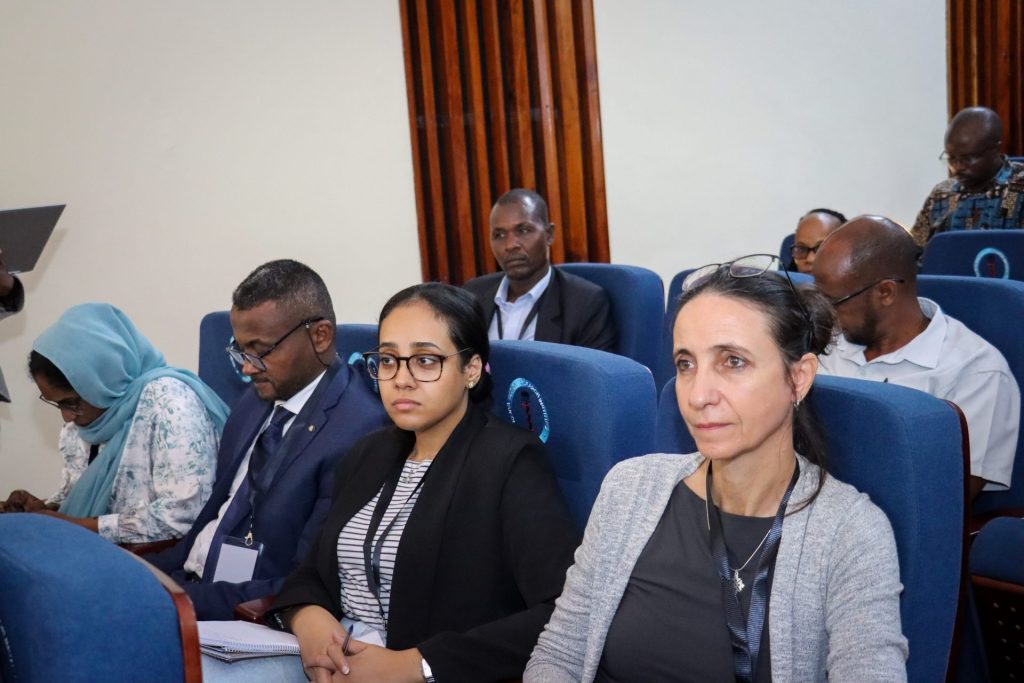
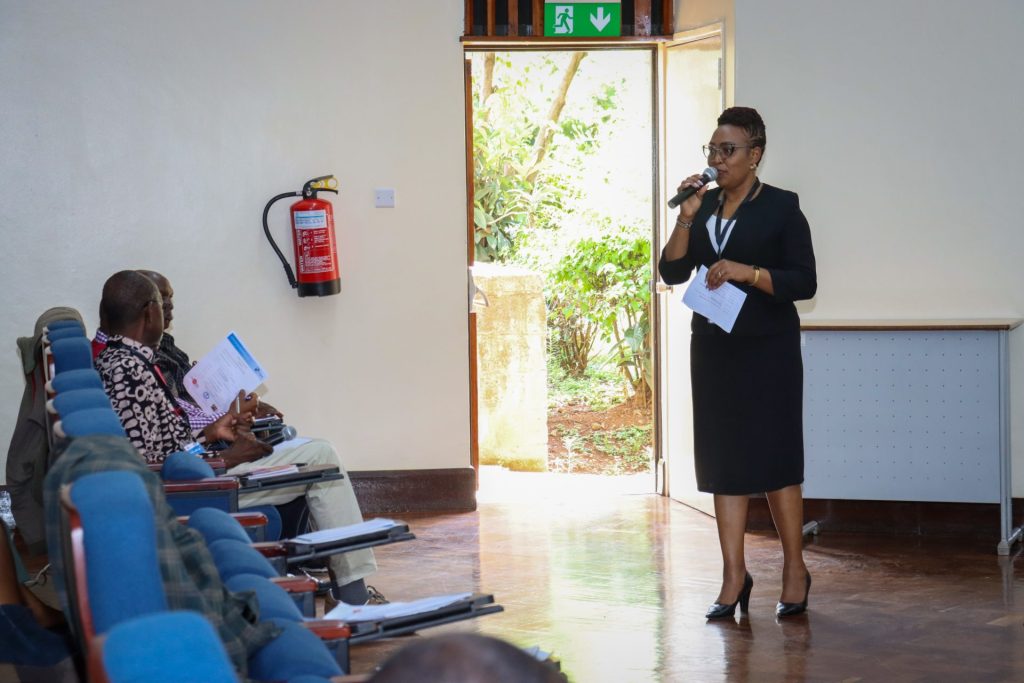
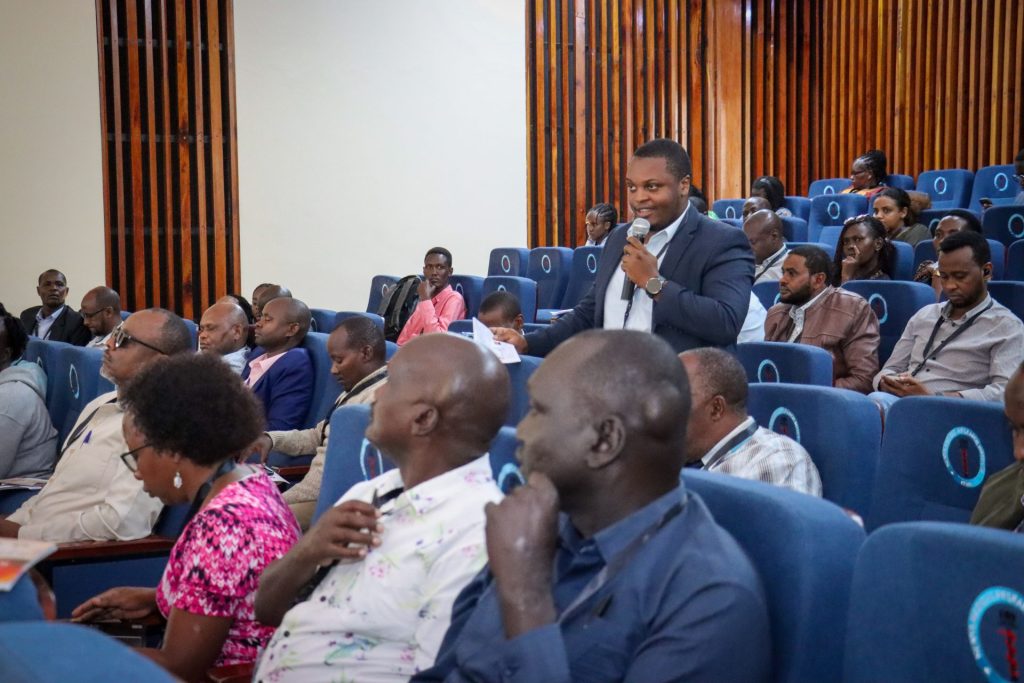
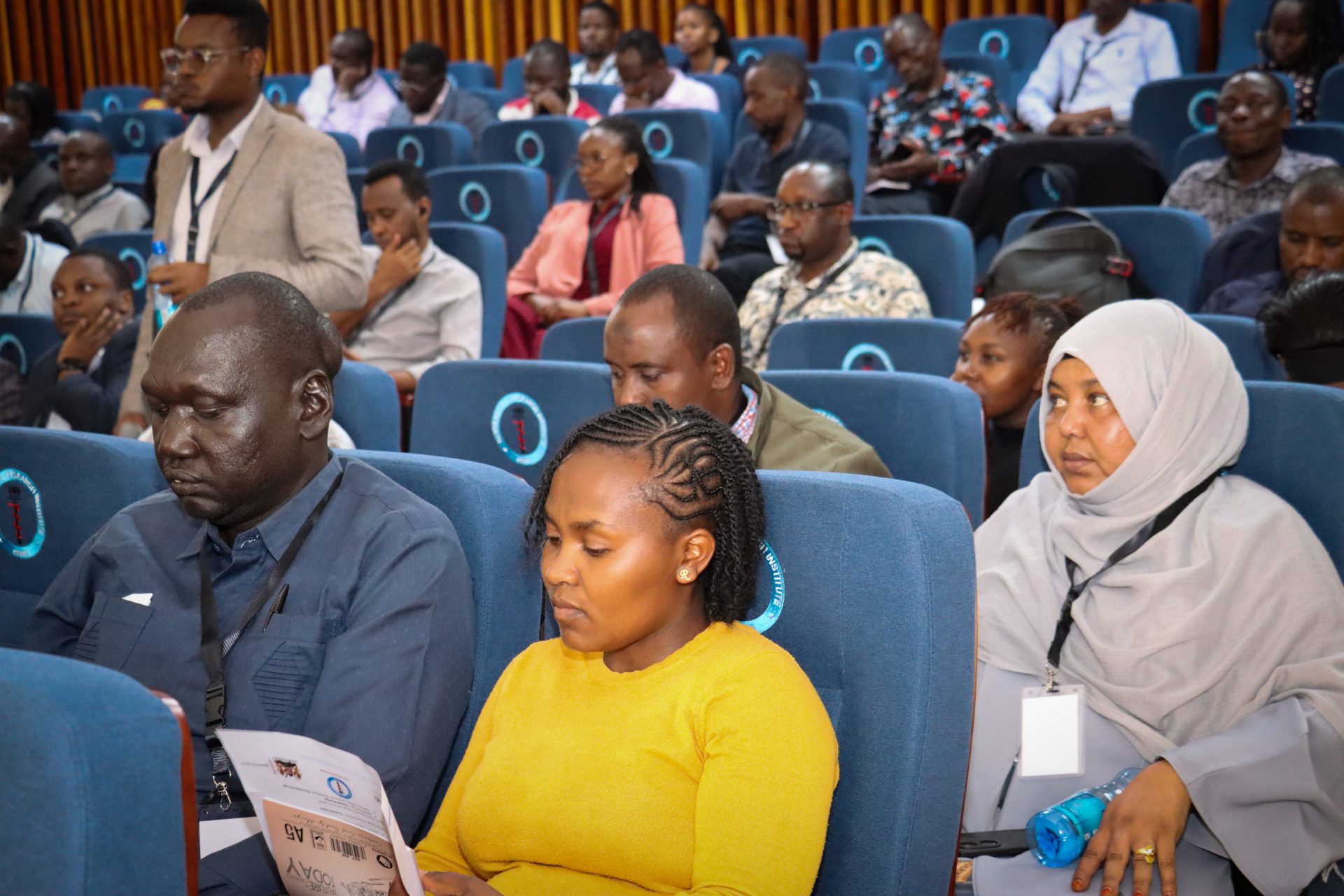
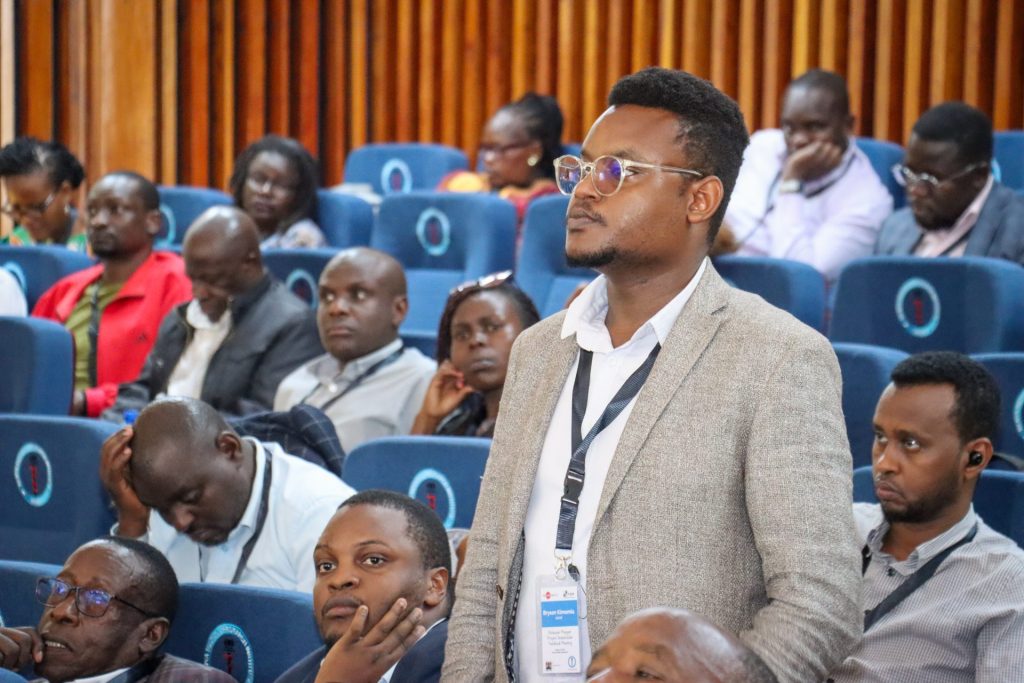
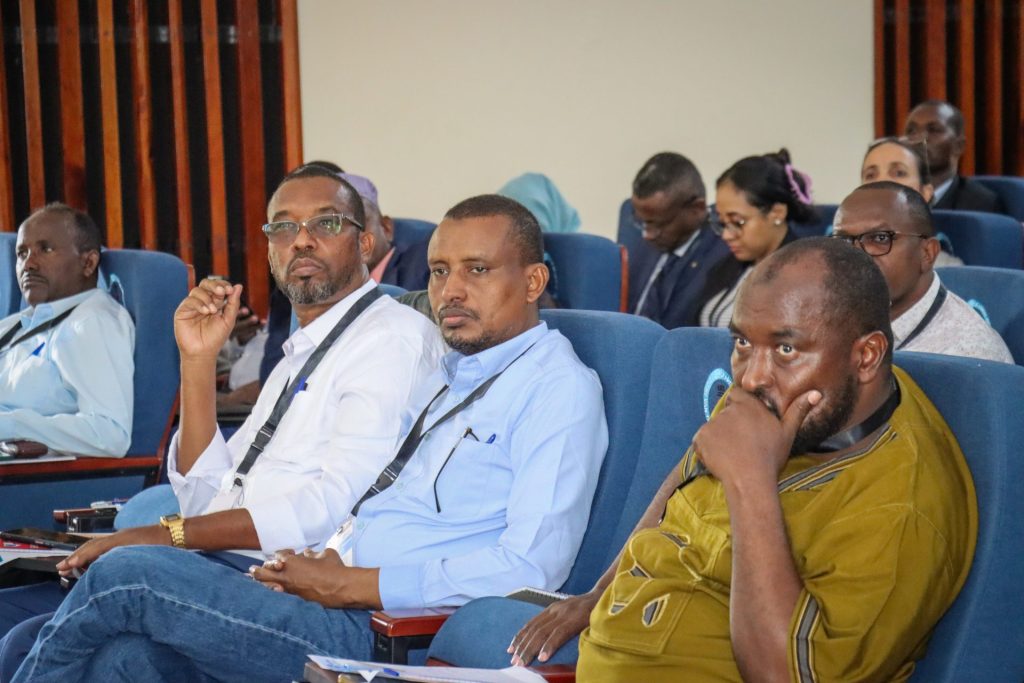
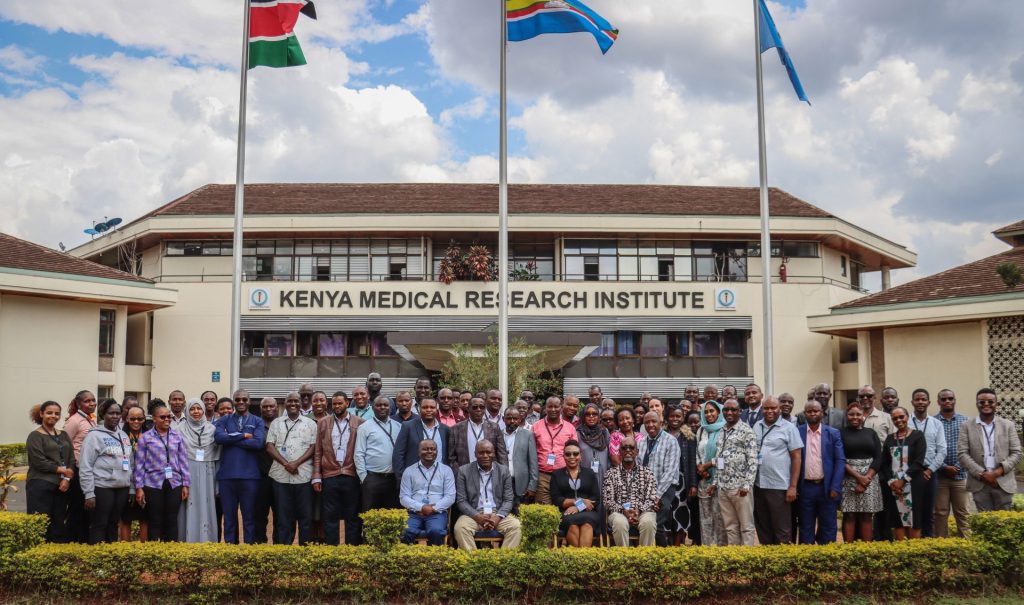
Stakeholders in the Kala-azar, also known as Leishmaniasis, Mapper Project convened for a one-day feedback workshop in Nairobi to review progress, share findings, and strengthen strategies for disease surveillance and risk mapping as part of efforts to eliminate it from the region.
Now in its first year of implementation across Kenya and Uganda, the project seeks to enhance disease surveillance, promote data sharing, and foster regional collaboration in tackling Visceral Leishmaniasis (VL) which is a Neglected Tropical Disease (NTD) that continues to threaten vulnerable communities in the East Africa region.
The meeting brought together over 100 participants from across the region, including representatives from the Ministries of Health in Kenya, Uganda, Sudan, and South Sudan, as well as delegates from more than 10 Kenyan counties. Discussions focused on recent findings on vector distribution, risk mapping, and evidence based approaches to improve surveillance and control interventions.
Project Principal Investigator, Dr. Daniel Masiga of the International Centre of Insect Physiology and Ecology (ICIPE), emphasized that the project’s outputs are critical for guiding data-driven decision-making across the region. “Our goal has been to generate reliable regional data to guide national responses to kala-azar. With improved mapping, we now have a clearer picture of disease hotspots, the vectors involved, and the risk factors driving transmission,” said Dr. Masiga.
Representing the Acting Director General, Prof. Elijah Songok, Dr. Eric Lelo lauded the collaborative spirit of the initiative, noting KEMRI’s long-standing role in Leishmaniasis research through its Kimalel Field Station under the Centre for Clinical Research (CCR).
“The East African region bears the brunt of leishmaniasis, with 76% of global cases reported here. KEMRI remains committed to ending this disease through partnerships such as this, which are vital to achieving elimination,” said Dr. Lelo.
The End Fund Director of Programmes, Mr. Duncan Ochol, echoed the call for sustained collaboration, noting that no single country can achieve elimination in isolation. “Our resolve to eliminate leishmaniasis is ambitious, but achievable if we continue to work together and share lessons across borders,” he said.
Stakeholders underscored the need for continued investment in surveillance systems, capacity building, and cross-border collaboration, particularly as disease patterns shift due to climate change and population movement. They called for more joint forums to enhance knowledge sharing and coordination among governments, research institutions, and development partners.
It was also noted that findings from the project would contribute to developing a regional VL strategy document aligned with the World Health Organization (WHO) VL Elimination Strategy, with potential for replication across sub-Saharan Africa.
With Phase Two of the Kala-azar Mapper Project set to expand into Ethiopia, Sudan, and South Sudan, insights from the current phase are expected to inform next steps toward sustainable elimination of leishmaniasis in the region. In Kenya, stakeholders were drawn from Baringo, Kajiado, Marsabit, Wajir, Garissa, Turkana, West Pokot, Mandera, Samburu, and Tharaka Nithi counties.
The project is a collaborative initiative involving ICIPE, KEMRI, AMREF, the University of Nairobi, DNDi, FIND, and other partners, with funding from the End Fund. Also present were Dr. Samoel Khamadi, representing the Ag. Director, Research and Development; Dr. Esther Kinyeru of WHO; Daniel Mwiti of the Ministry of Health; and Dr. Michael Ofire from AMREF. Within KEMRI, the project is led by Dr. Damaris Matoke-Muhia.