
KEMRI Scientists Honoured with Africa’s Highest Scientific Fellowship
November 25, 2025
KEMRI Hosts Launchpad Workshop for Ambitious AI-Driven Plan To Improve School Meal Programme
December 3, 2025ANOSTEP Afrika Partners Converge In Nairobi As The Fight Against Urban Malaria Vector Rages on
BY GIDEON KIRUI
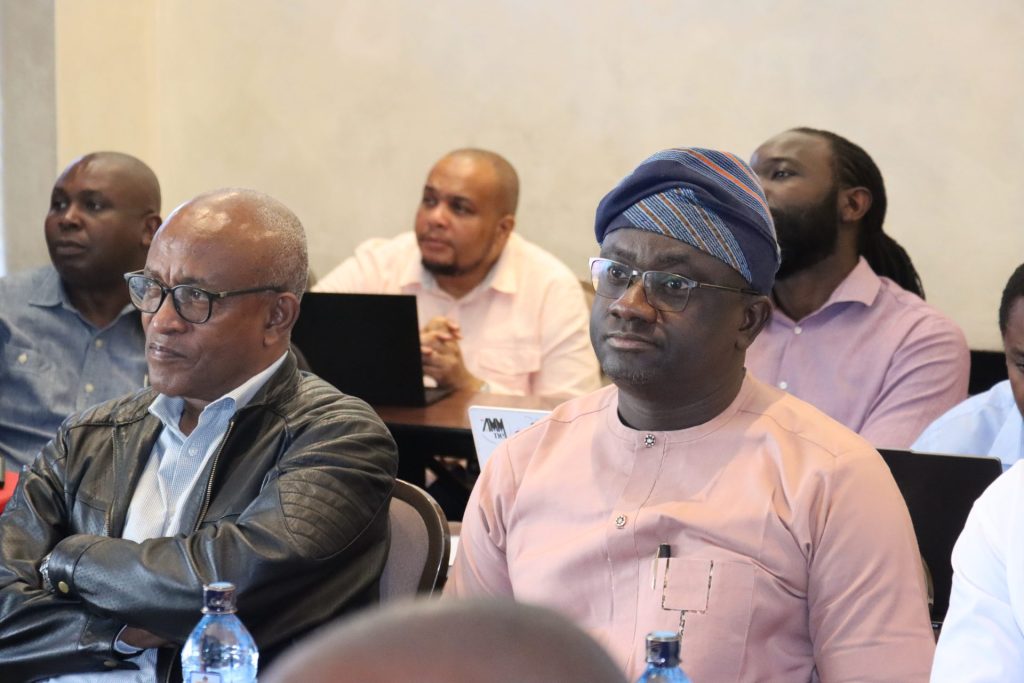
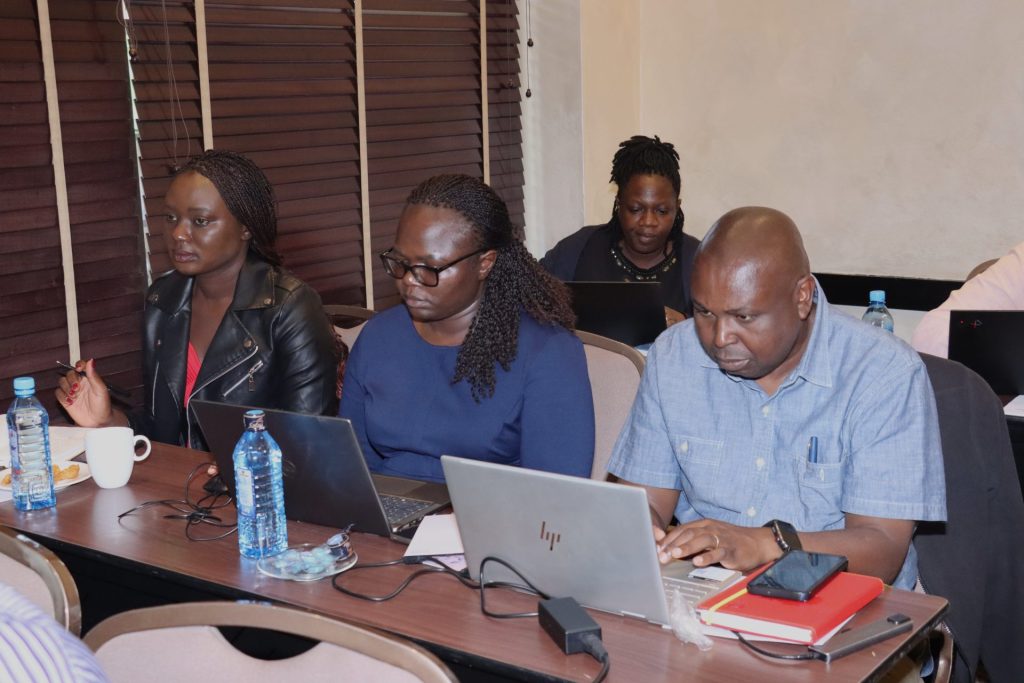
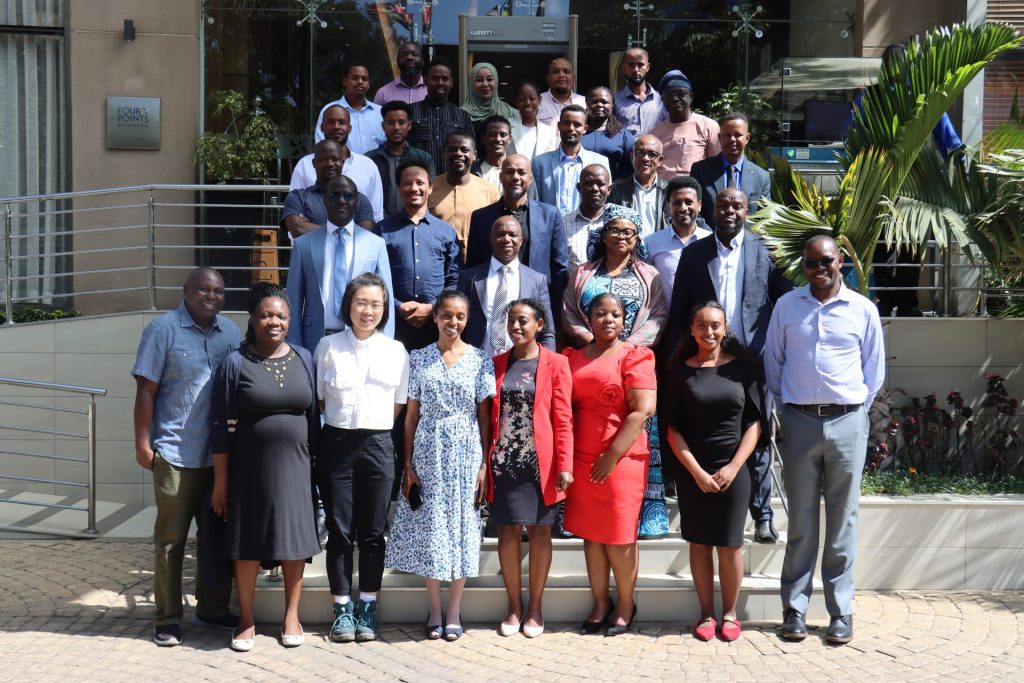
Amid the growing concerns over the new species of Anopheles mosquito threatening the gains made so far in malaria eradication efforts, AnoSTEP Afrika Project partners met in Nairobi for their annual meeting to assess progress, share lessons, and refine strategies for the next phases of the project.
Held between 20th and 24th November 2025, the meeting brought together partners from leading research institutions in Kenya, Ethiopia, Nigeria, Djibouti, Tanzania, and global collaborators, demonstrating a shared resolve to strengthen coordinated responses to urban malaria.
The presentations on updates and the way forward were guided by the project’s five interrelated work packages, which are: enhanced surveillance using spatial ecological adaptive sampling, assessment of mosquito bionomics and transmission dynamics, analysis of vector–host interactions in urban settings, examination of environmental and human-driven factors underlying vector spread, and exploration of larval habitats and vector fitness across diverse ecological zones.
AnoSTEP Afrika is a multi-country research initiative investigating the growing threat of Anopheles stephensi to malaria control efforts across the continent and running from January 2025 to December 2028. Funded by the Wellcome Trust, the initiative is coordinated by Tanzania’s Ifakara Health Institute (IHI), the principal recipient of the grant.
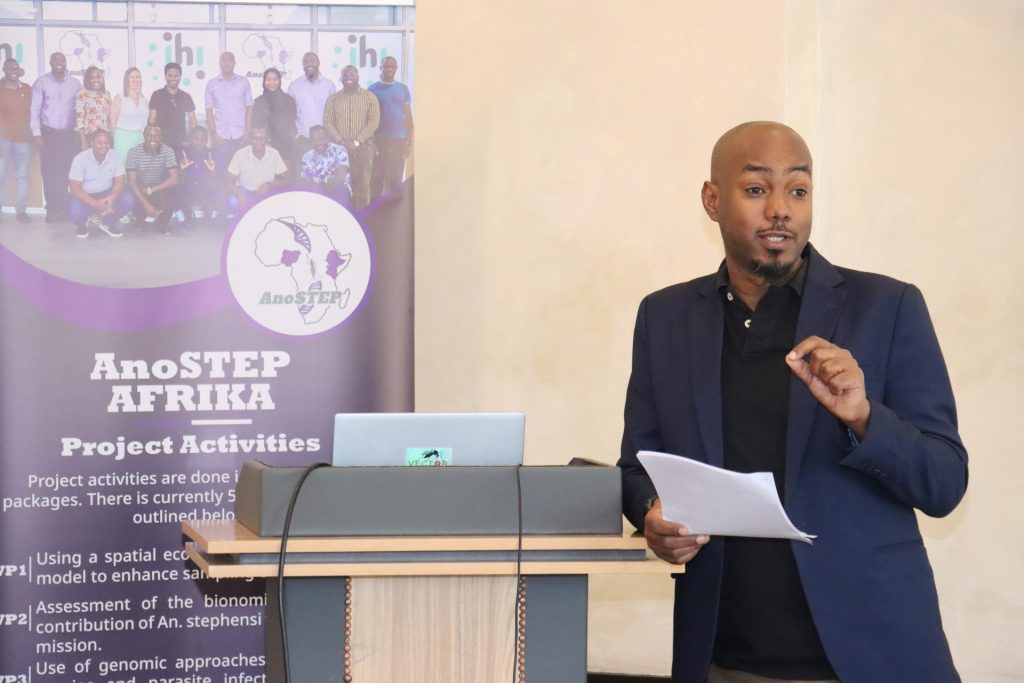
AnoSTEP Kenya through KEMRI’s Centre for Global Health Research (CGHR), played the host to this year’s inaugural annual meeting, showcasing Kenya’s significant contributions to the consortium. Under the stewardship of the Co-PI and Country Lead for Kenya, Dr. Eric Ochomo, the team is made up of entomologists, social scientists, field technicians, PhD students, lab technologists, data management teams, project administrators, and personnel from the National Malaria Control Programme (NMCP) led by its Head, Dr. Kibor Keitany, who also officially opened the function.
While reporting on progress, the KEMRI team commended the efforts of the community health promoters (CHPs), who have been instrumental in larval collection activities across various sites in the country. Their involvement was recognized as highly effective, operating within an established system and providing a vital link to the Ministry of Health for policy communication and assessment. The team reaffirmed their commitment to continued field surveillance, ongoing support to community teams, and the upcoming rollout of community participatory mapping.
The meeting also shed light the engagement of relevant government agencies in collaborative efforts, with the team noting that the study has helped identify new sites, such as Baringo, which had not yet been mapped.
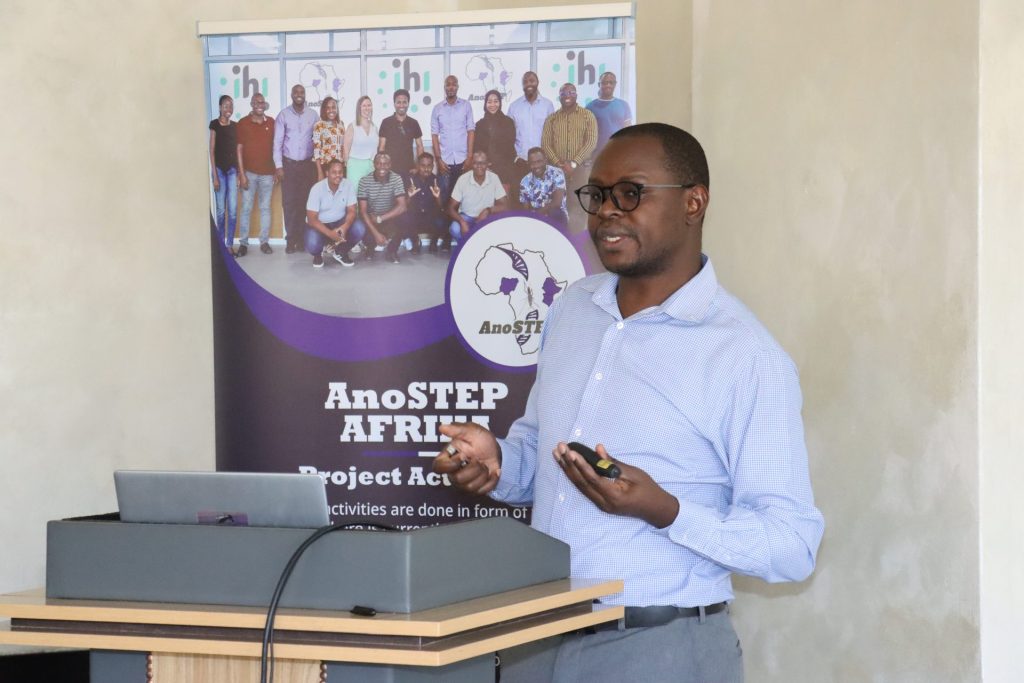
The meeting highlighted the critical role of technology and data-driven approaches in vector surveillance. Teams reported significant advances in geospatial tools and digital data systems, enabling more precise identification of Anopheles stephensi habitats and behaviours. Team leads also emphasized the importance of coordinated efforts and standardized protocols to ensure comparability of data across the four participating countries. At the same time, they acknowledged the need to remain sensitive to the differing environmental, cultural, and infrastructural contexts in each study area.
Another key highlight was the recognition of ethical research practices, with the Kenyan team underscoring their adherence to legal frameworks and the use of participatory consent when working with communities. The discussions illustrated how robust ethical engagement and transparent communication remain essential for building trust, especially in areas where residents may be unfamiliar with entomological studies.
Despite the progress, several challenges were noted. The Kenyan team cited delays in disbursement of project funds, poor cellular network coverage in certain field sites, and occasional hostility from community members. The partners agreed that these issues require continued mitigation through strengthened communication, improved logistical planning, and intensified community outreach.
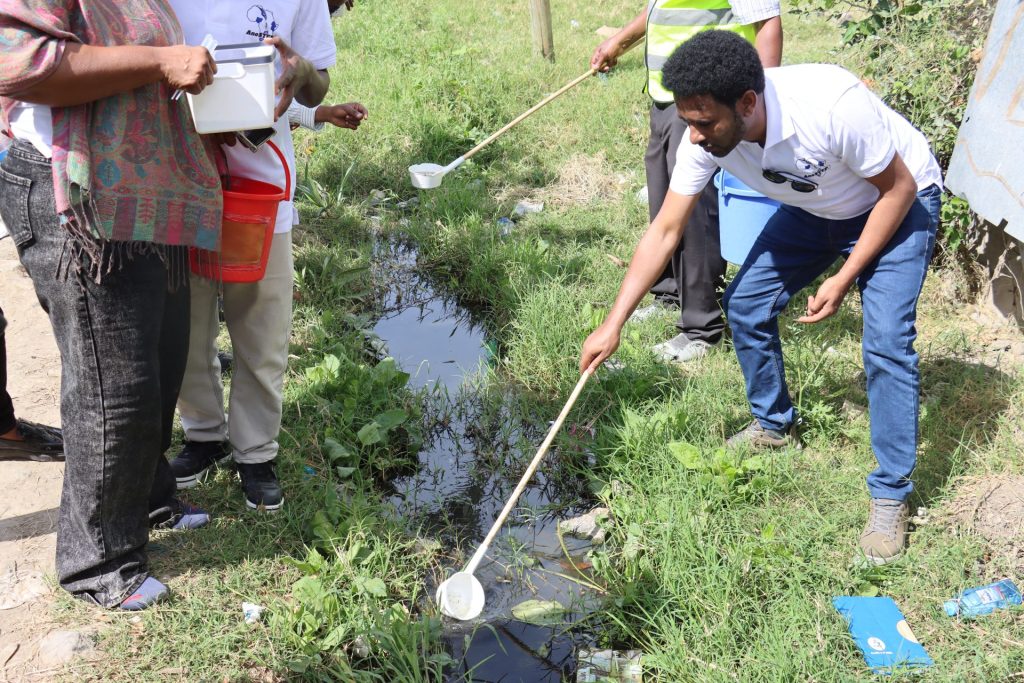
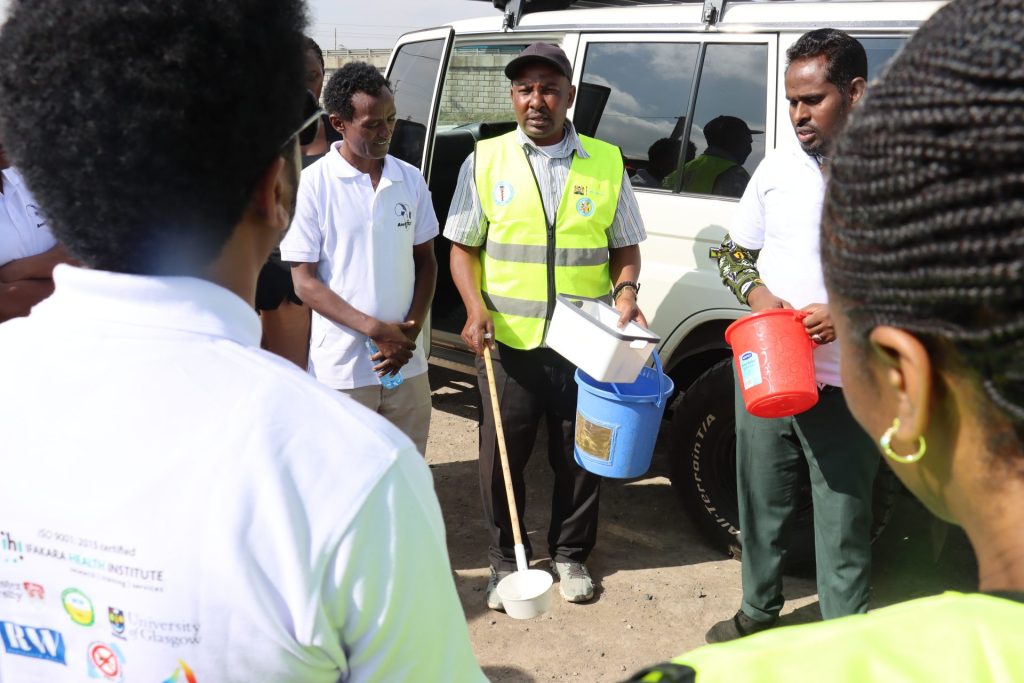
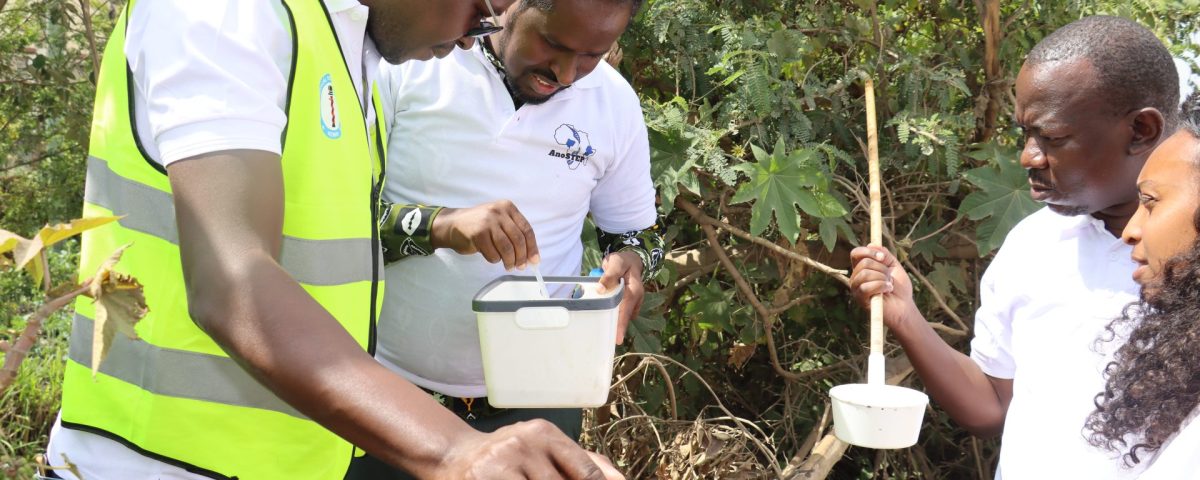
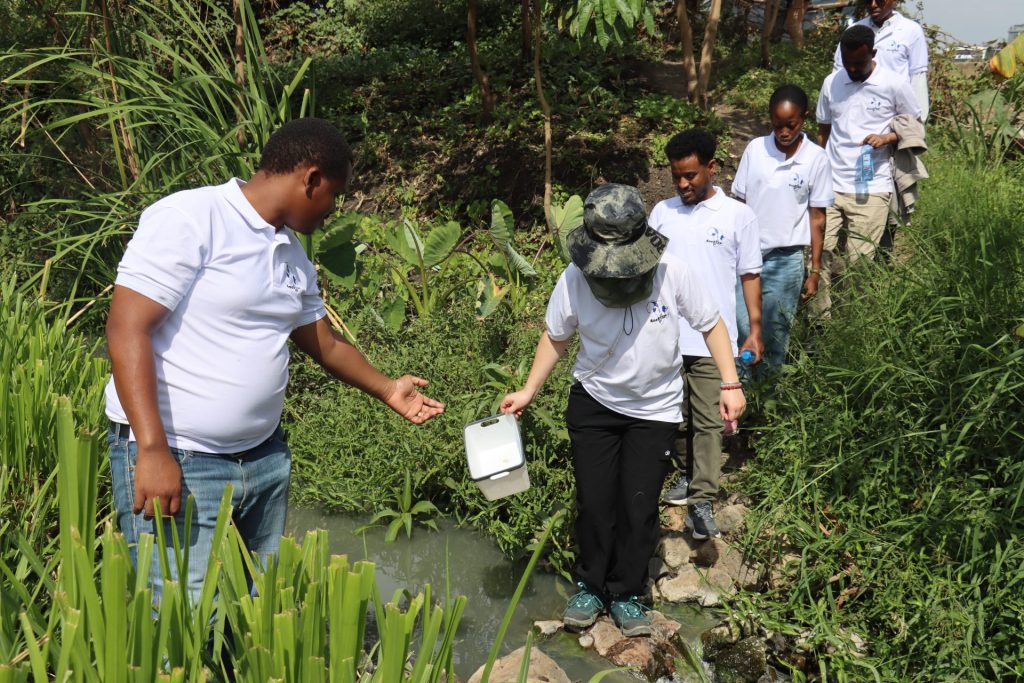
During their four-day meeting, the teams also found time to step out of the comfortable conference halls and into the dusty study sites of Syokimau, Machakos County, experiencing larval collection exercise and interacting with the community.
As the meeting drew to a close, participants reaffirmed the consortium’s shared commitment to generating evidence that can guide malaria control policies in the face of emerging urban vectors. With KEMRI’s leadership and the collective expertise of regional partners, AnoSTEP Afrika is poised to deliver critical insights that will shape Africa’s response to the evolving malaria landscape.
The project aims to deepen understanding of the distribution, behaviour, and malaria transmission potential of Anopheles stephensi. Its rapid spread has raised concerns among health experts due to its adaptability to man-made environments and its role in sustaining malaria transmission in cities