KEMRI Takes Centre Stage as ACT-CHIK Project Kicks Off to Advance Chikungunya Vaccine Research in Africa
July 1, 2026
KEMRI Joins Initiative to Strengthen Africa’s Next Generation of Malaria Research Leaders
July 1, 2026KEMRI and AREF Explore Expanded Collaboration to Strengthen Research Capacity in Africa
By Lisper Mokaya
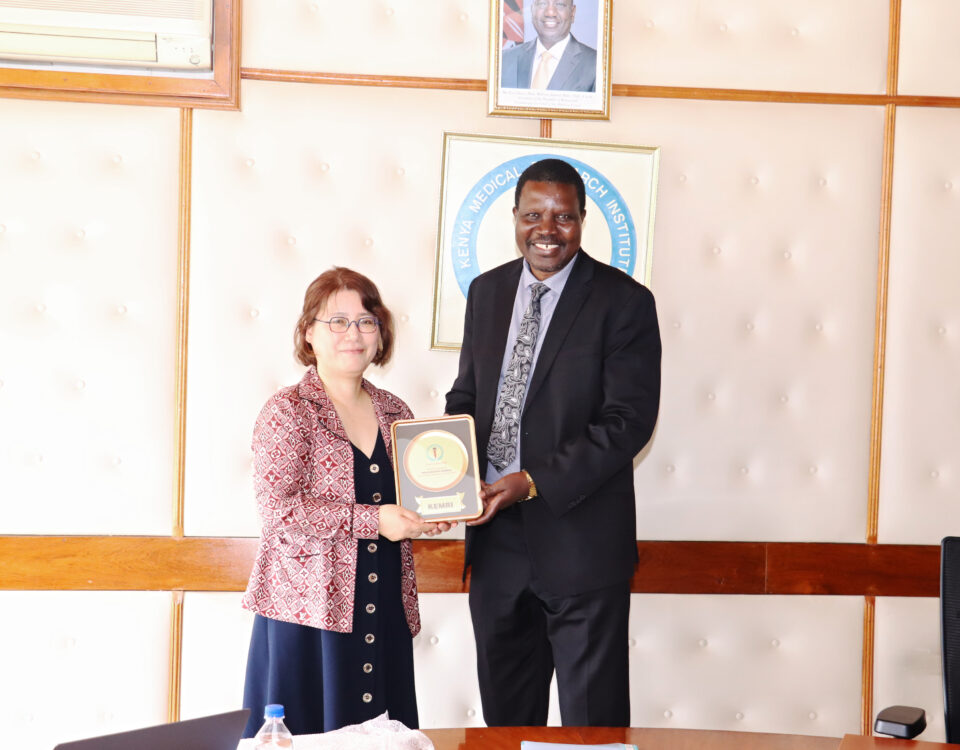
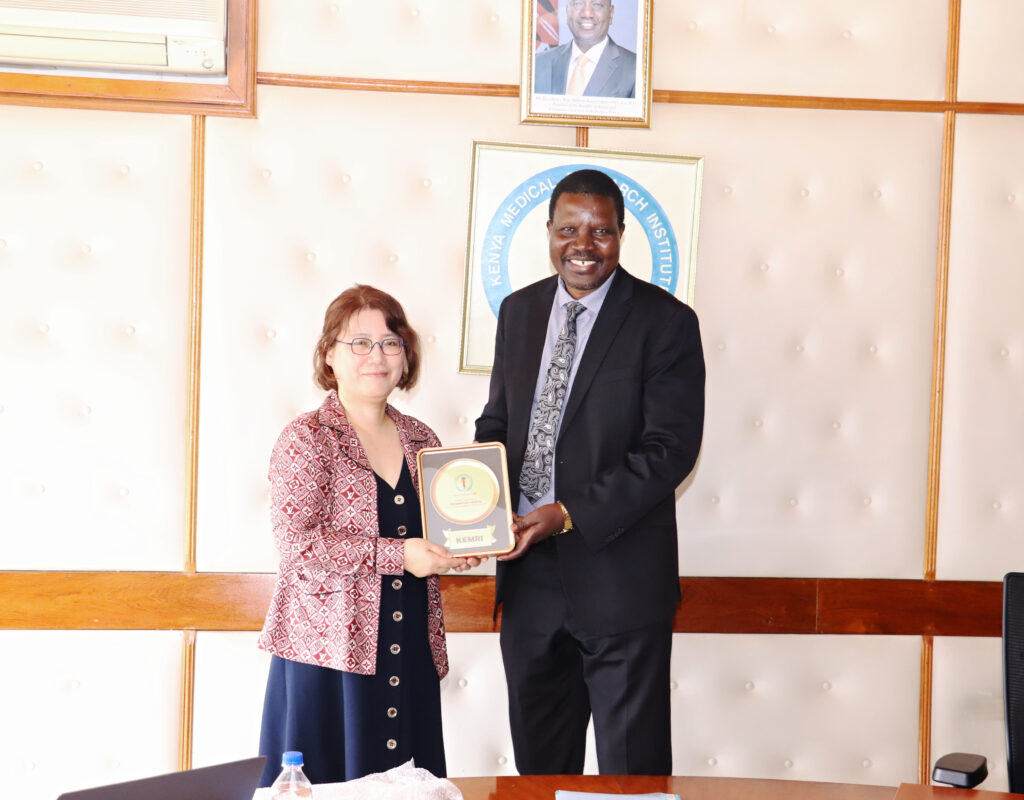
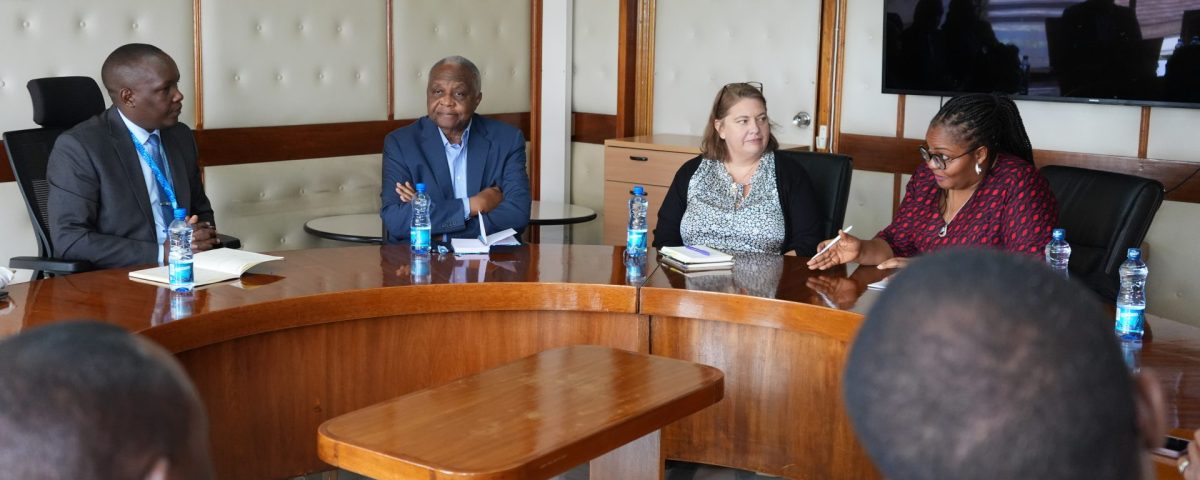
The Kenya Medical Research Institute (KEMRI) hosted a delegation from the African Research Excellence Fund (AREF) to explore opportunities for strengthening research capacity building and expanding collaboration in researcher development across Africa. The delegation, led by AREF Board Chair Prof. Tumani Corrah and Chief Executive Officer Prof. Akhere Omonkhua, held discussions with part of KEMRI management led by Ag. Vice Chancellor/CEO representative Dr. Martin Bundi.
The meeting held on 24th June 2026 focused on fellowship opportunities, grant writing support, mentorship, leadership development and institutional capacity strengthening, with particular emphasis on the Excell Malaria Programme and future collaborative initiatives. The discussions also highlighted AREF’s upcoming fellowship calls in early 2027, including dedicated opportunities for malaria research, while encouraging early partnership development to enhance competitiveness for future funding.
While welcoming the delegation, Dr. Bundi noted that “KEMRI’s collaboration with AREF presents an important opportunity to strengthen the capacity of our researchers and position the institute to attract competitive international funding. By investing in mentorship, research leadership and grant development, we are building a stronger research ecosystem that will generate impactful solutions to Kenya’s and Africa’s health challenges,” he said. We are very happy to support this collaboration,” he added.
AREF Chief Executive Officer Prof. Akhere Omonkhua reaffirmed the organisation’s commitment to developing African research leaders and to supporting institutions in building sustainable research ecosystems. “I have seen firsthand what support to early career researchers can mean to their careers, and not just their professional careers, but personal lives as well. That is the mandate of AREF. How do we support and maintain African researchers so that they can work in Africa, or at least for Africa? And so that’s the mandate of AREF, and we’re truly delighted to work with KEMRI,” she said. Prof. Omonkhua emphasised the importance of capacity building and mentorship for young researchers, especially in grant writing, for the sustainability of an organisation like KEMRI.
Acting Director of One Health, Dr. Robert Onsare, who represented the Director of Scientific Programmes, Partnerships and Grants Management, Dr. Zipporah Bukania, emphasized that partnerships are central to KEMRI’s research enterprise, noting that nearly 70 per cent of the Institute’s research is supported through collaborative partnerships.
During the discussions, the two institutions explored opportunities to integrate mentorship into ongoing programmes such as the Excell Malaria Programme and to strengthen institutional capacity for competitive research funding.
The meeting also featured presentations from representatives of KEMRI’s various research programmes and centres, who outlined the Institute’s research priorities and discussed potential areas where AREF’s expertise in fellowship programmes, mentorship, leadership development and grant capacity strengthening could complement ongoing institutional initiatives. The Presentations were made by AREF-KEMRI team lead and Acting Deputy Director Biotechnology Programme ,Dr. Damaris Matoke, Dr. Samoel Khamadi representing the Director of Research and Development, Acting Deputy Director, Centre for Traditional Medicine and Drug Research Development Dr. Jeremiah Gathirwa, Acting Deputy Director, Natural Products Research Programme Dr. James Kuria, and Mr. Francis Kimani representing the Director, Centre for Biotechnology Research and Development. Also present was Dr. Noah Onchieku, a fellow at AREF.