
Workshop Highlights Vaccine Role in Combating Antimicrobial Resistance.
November 6, 2024
KEMRI Champions Health-Tech Innovation with Regulatory Sandbox Workshop.
November 6, 2024Malaria Elimination by 2030: East African Community’s Commitment and Progress.
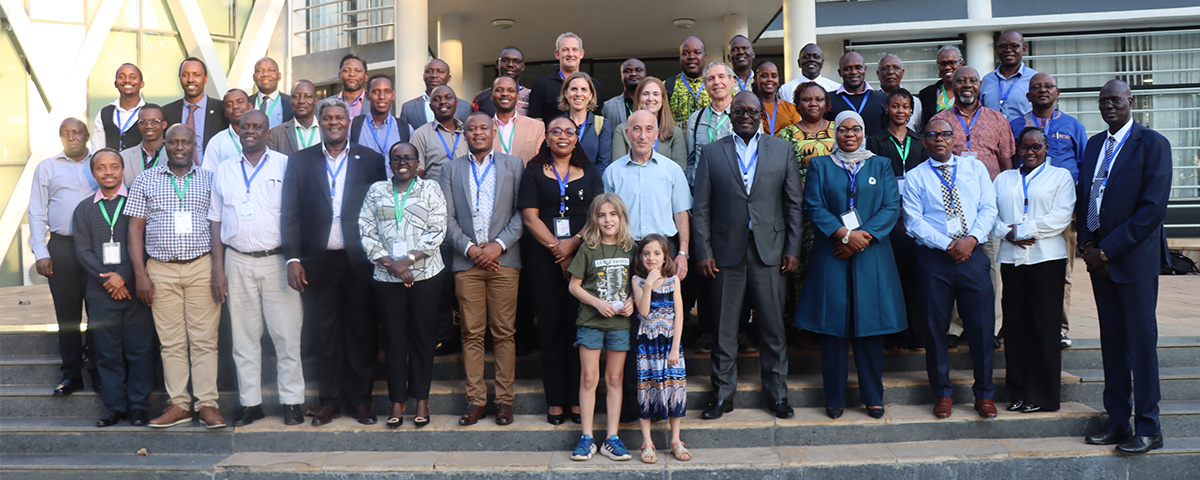
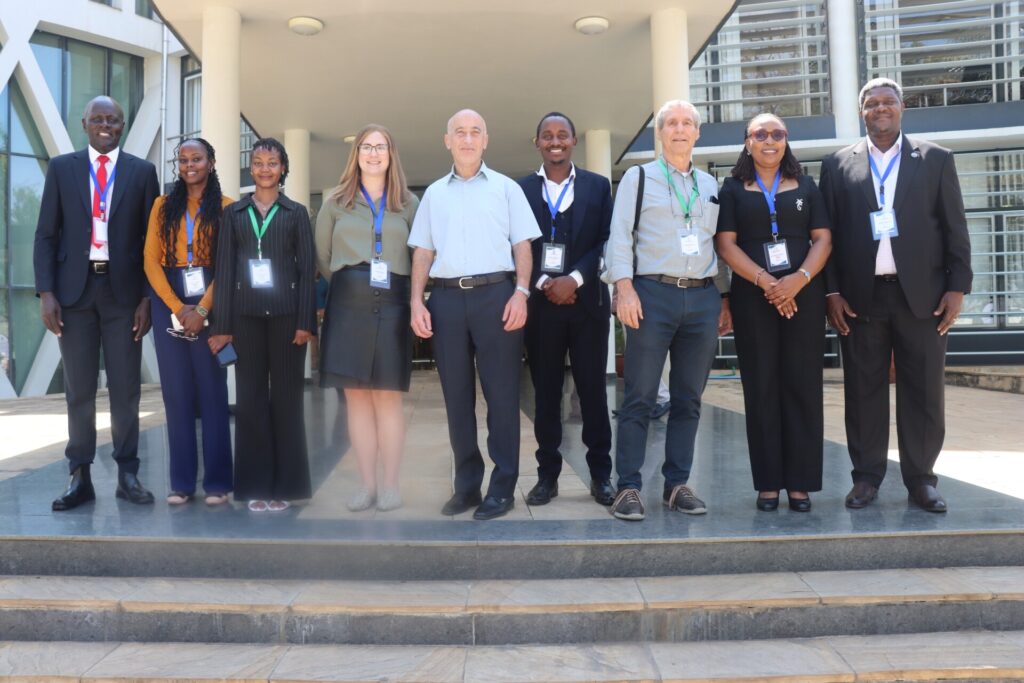
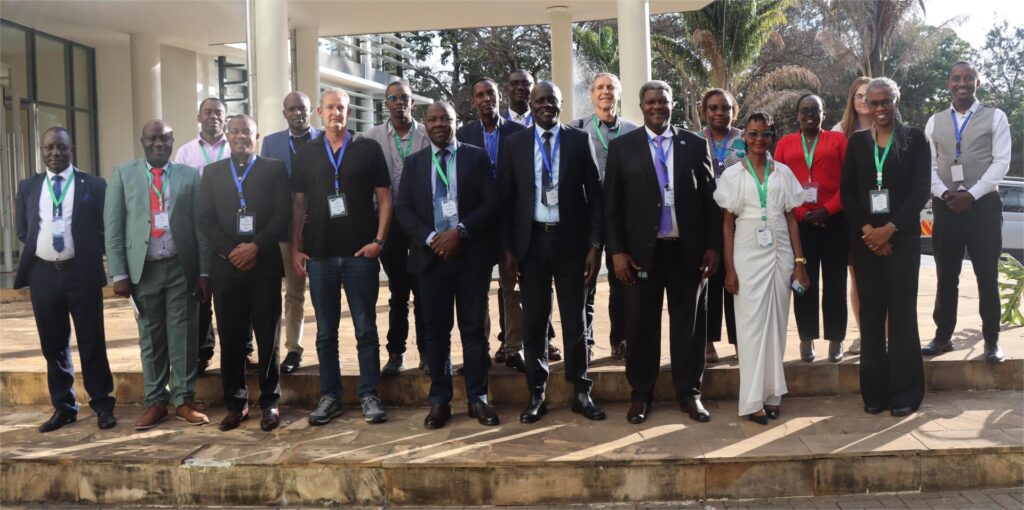
The entire team poses for photo at the end of the successful Malaria stakeholder meeting.
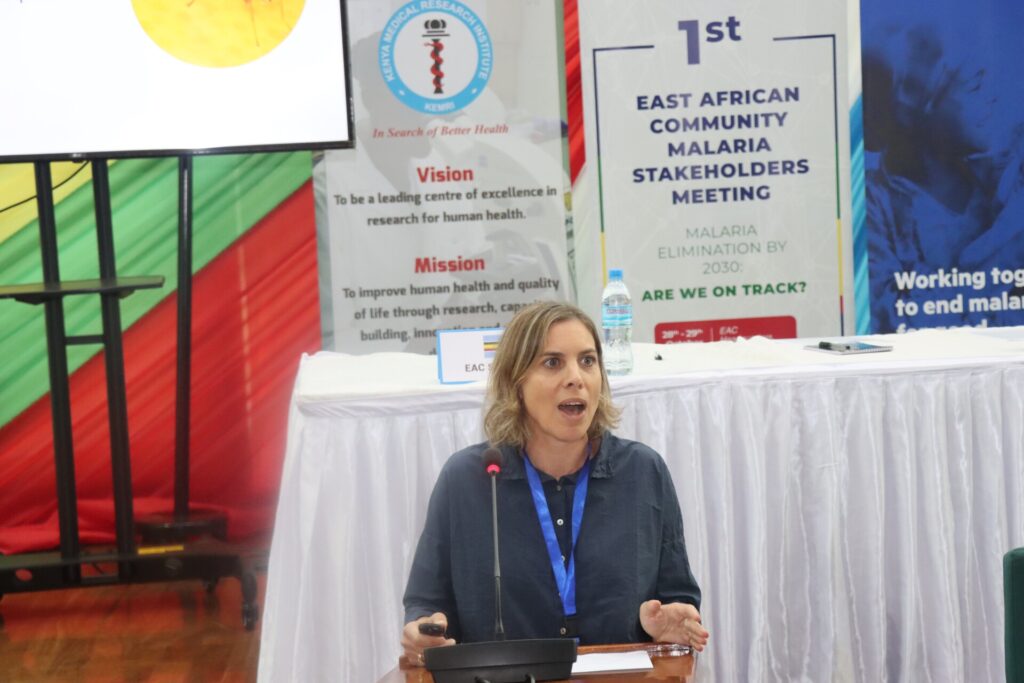
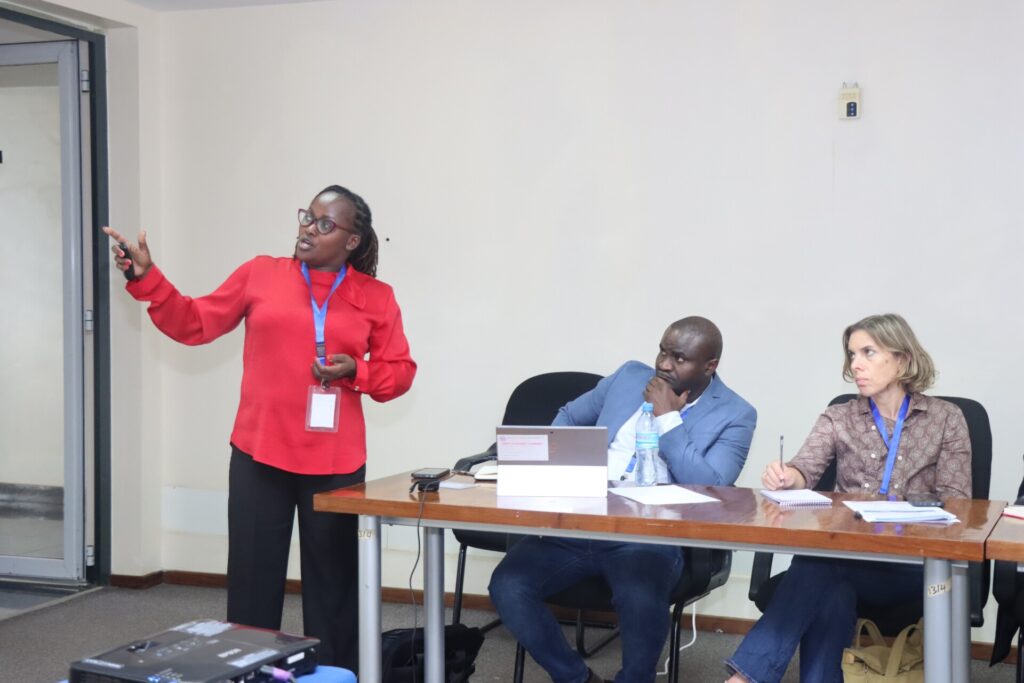
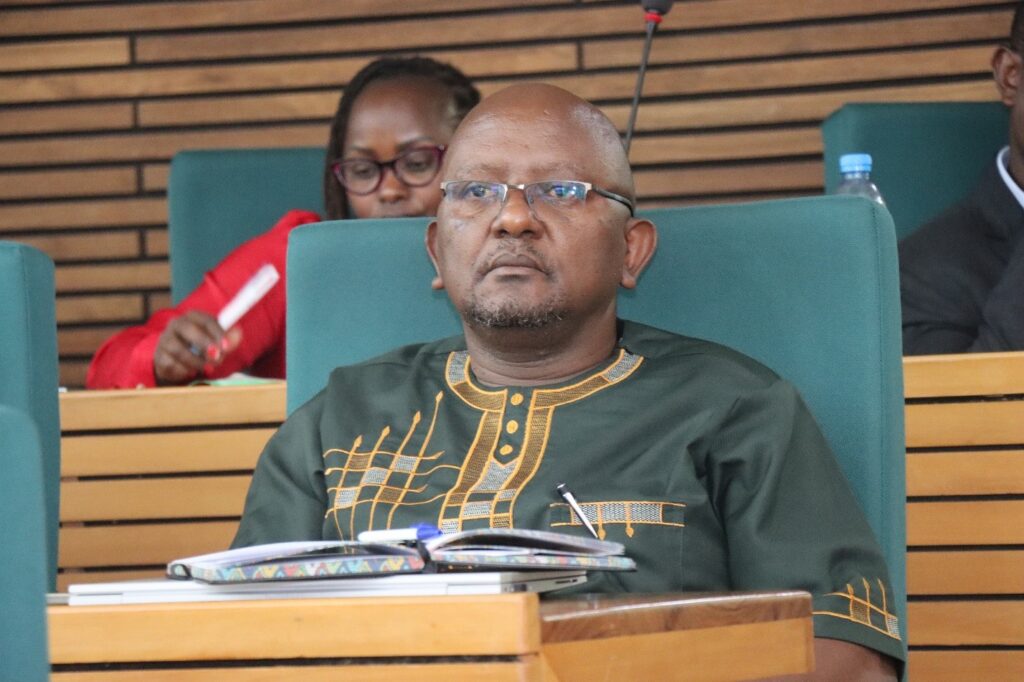
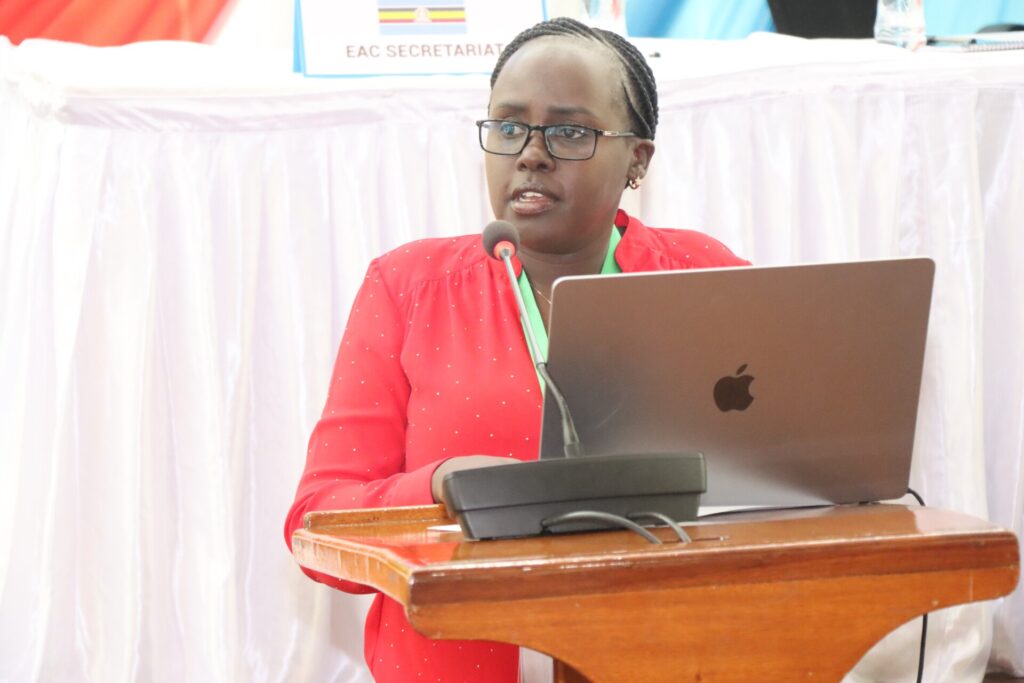
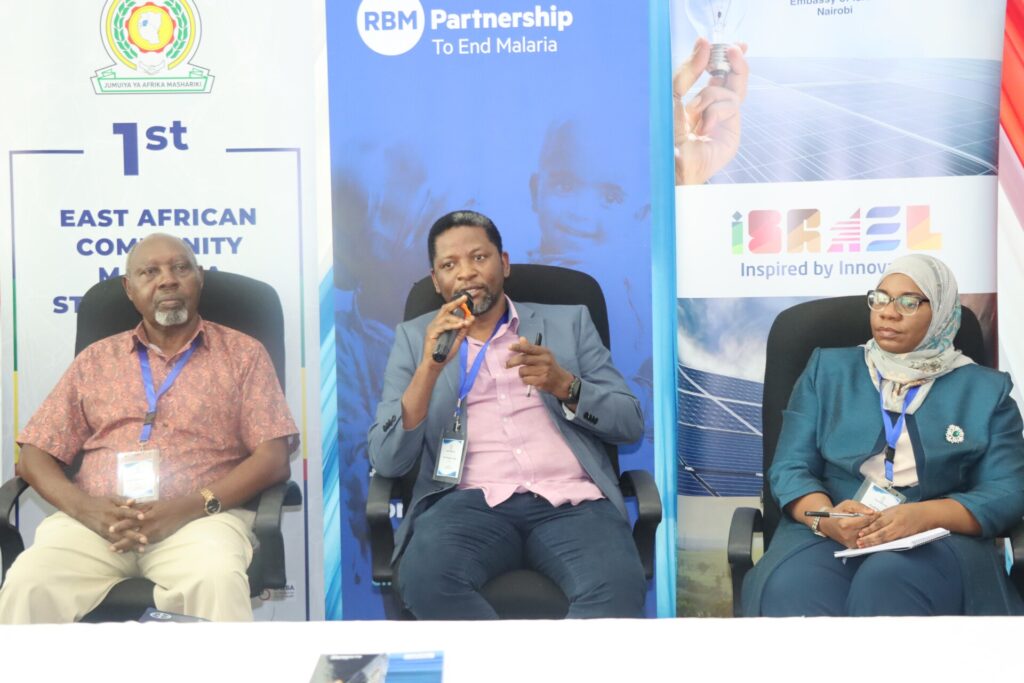
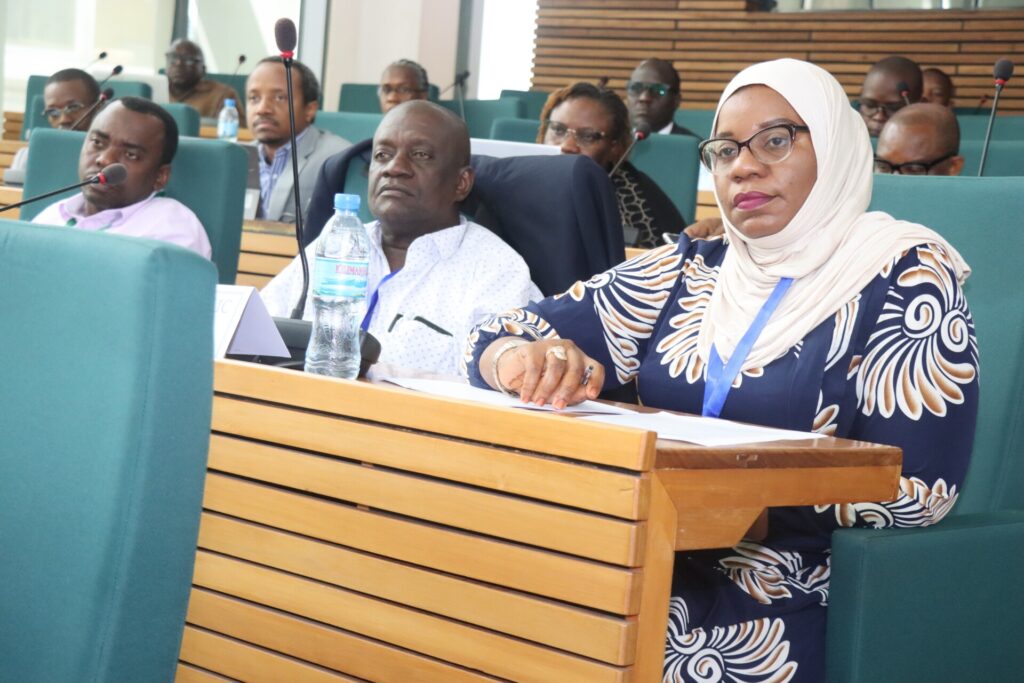
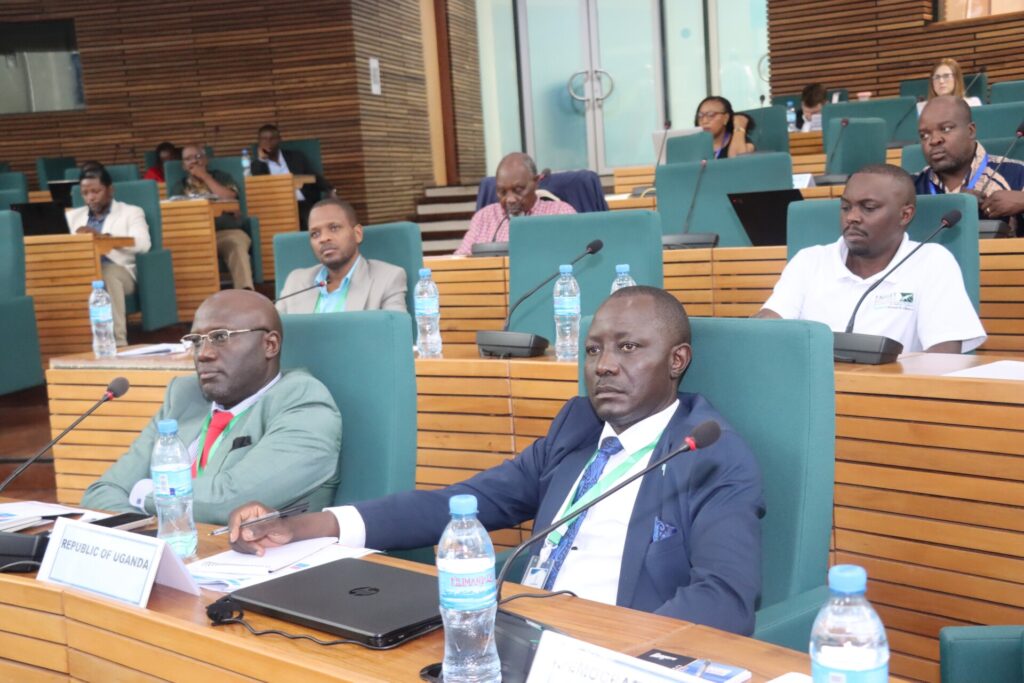
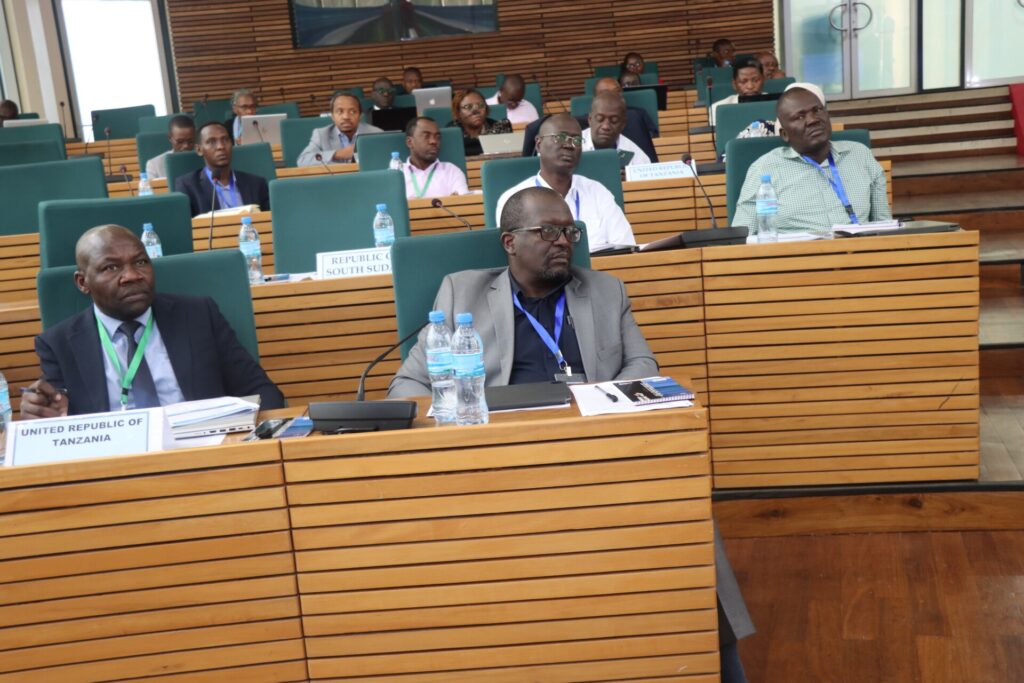
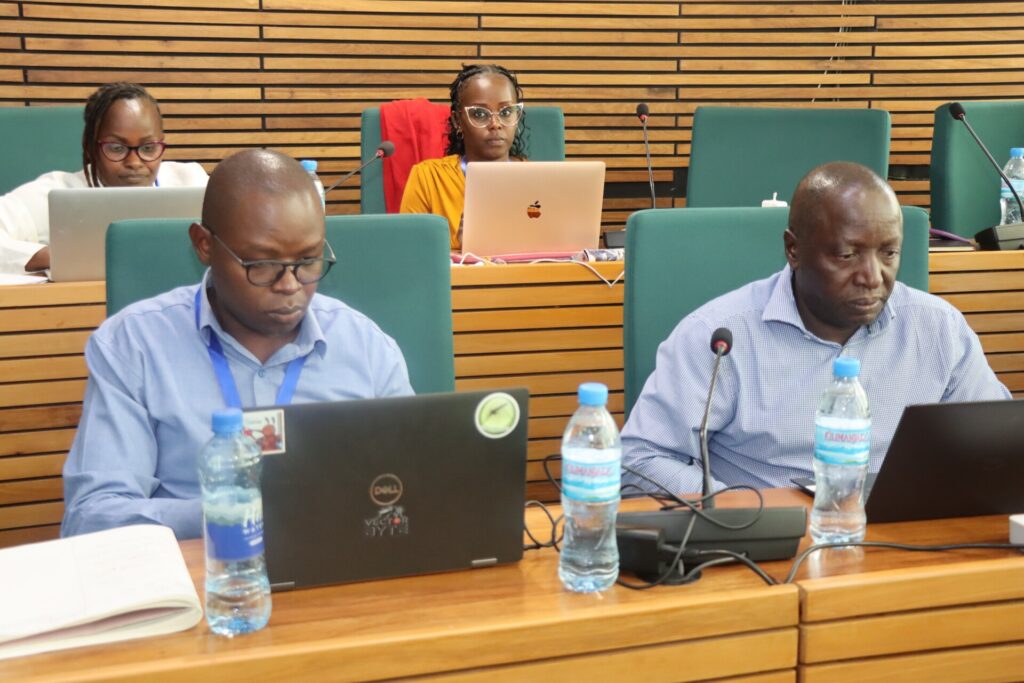
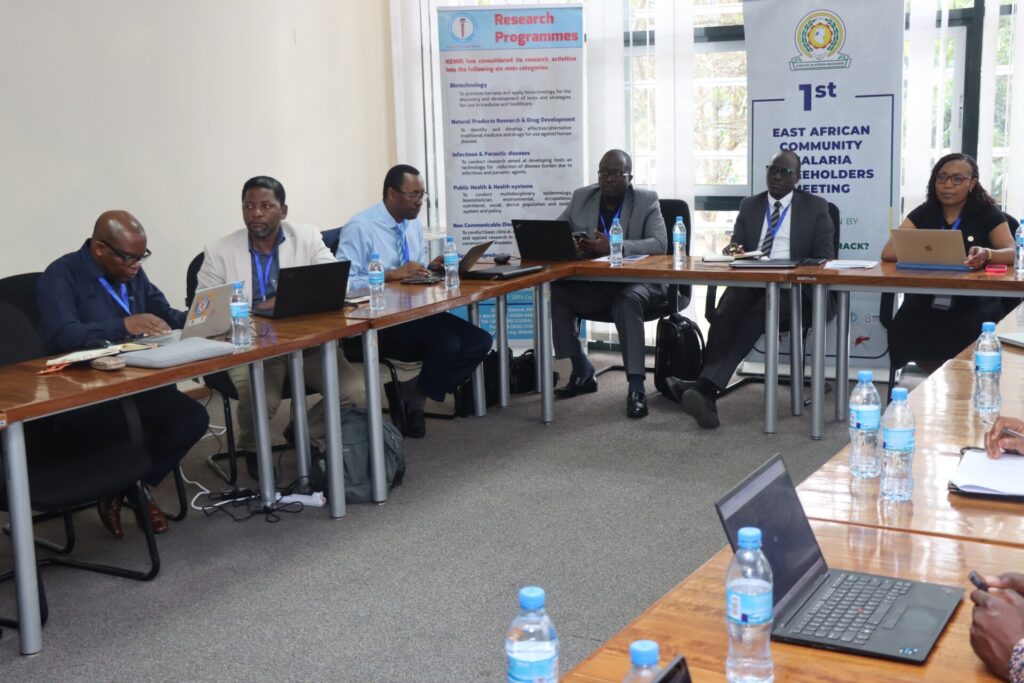
The 1st East African Community Stakeholder Meeting on Malaria was held on 28th to 29th October, 2024 at the EAC Headquarters in Arusha. This meeting brought together a diverse array of stakeholders from different countries, to address the current status on the vector control and management, research gaps and coming up with better methods to eradicate malaria. The two-day event with the theme, “Eliminate Malaria by 2030: Are We on Track?” highlighted the commitment in integrating ideas as researchers in ending the life-threatening infectious disease, Malaria.
Convened in partnership with the East African Community, the Israel Embassy, the Ministry of Health, and KEMRI, the meeting attracted health experts, researchers, and international partners from Burundi, the Democratic Republic of the Congo (DRC), Rwanda, South Sudan, Somalia, Tanzania, and Uganda. These experts came together to discuss strategies, share knowledge, and assess progress towards malaria elimination.
The meeting was officially opened by Israeli Embassy, Ambassador to Kenya, Michael Lotem who spoke passionately about the importance of continued collaboration in eliminating malaria. “The fight against malaria is a shared challenge that transcends borders, requiring us to pool not only our knowledge but also our resources and unwavering commitment. This is an illness that has affected millions and will continue to do so if we do not act together with resolving measures. Our goal to eliminate malaria by 2030 is indeed ambitious, but I firmly believe that with unity, innovation, and sustained collaboration, it is within our reach. Let us harness our diverse strengths and work as one toward a future where malaria is no longer a threat.” He stated Amb. Lotem’s words set the tone for the discussions that followed, emphasizing the need for integrated approaches
and sustainable partnerships.
KEMRI’s Head of the Biotechnology Program, Dr. Damaris Matoke-Muhia, echoed Ambassador Lotem’s sentiments, emphasizing the pressing need to mobilize diverse resources to effectively combat malaria. “This meeting is not just a gathering but a crucial opportunity for us to align our efforts and exchange insights that can significantly accelerate our journey towards a malaria-free East Africa. Through these two days, I am confident we will identify critical research gaps across our countries and develop stronger, more unified strategies for malaria elimination,” she noted, underscoring the importance of cross-border cooperation in achieving sustainable impact.
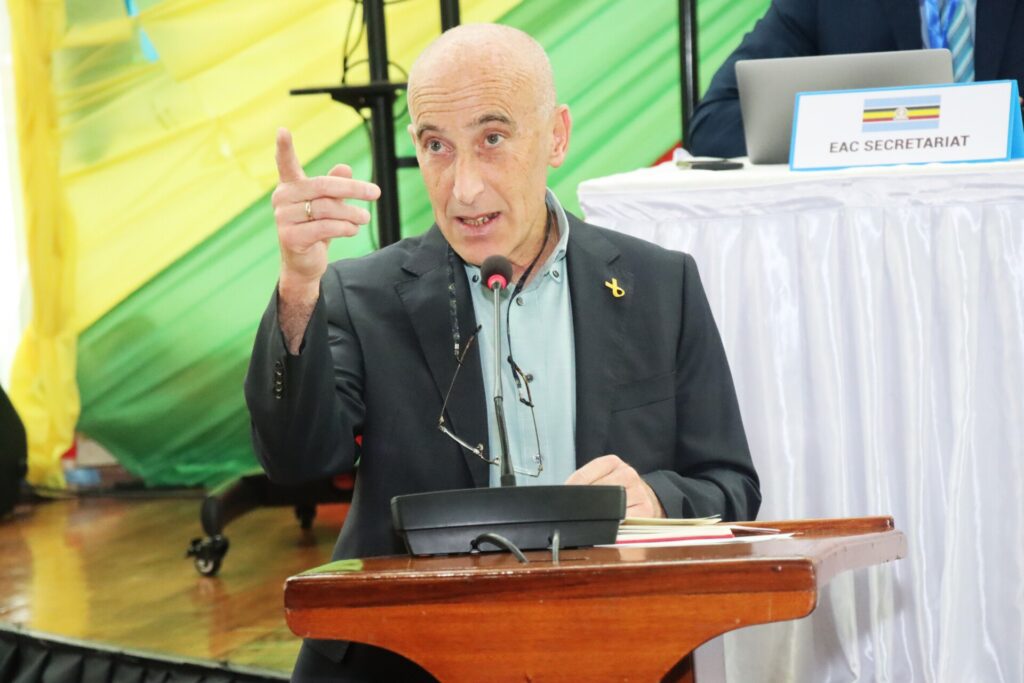
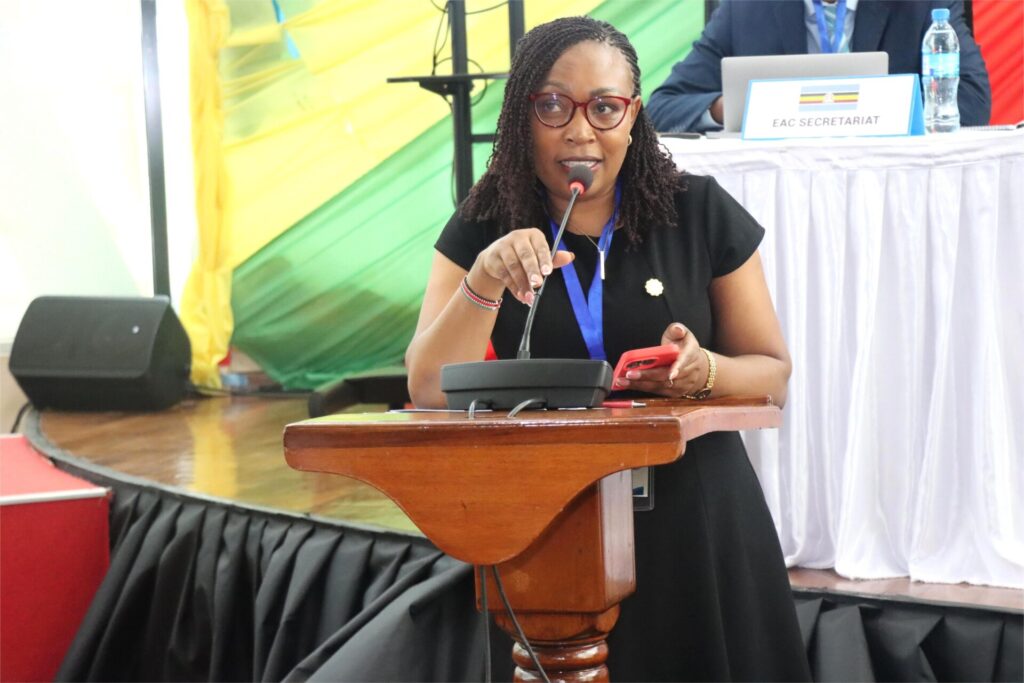
The plenary sessions spanned a variety of critical topics focused on malaria control and prevention strategies, with prominent experts leading discussions designed to inspire collaborative solutions. KEMRI’s Prof. Simon Kariuki, facilitated an in-depth and insightful session centered on the role of vaccines in the fight against malaria. Prof. Kariuki delved into recent advancements in malaria vaccine development, shedding light on how breakthroughs in immunology and biotechnology have paved the way for promising vaccine candidates.
However, he emphasized the complexity of achieving widespread vaccine deployment, particularly in resourcelimited settings. “Vaccines offer remarkable potential in our fight against malaria, but they must be part of an integrated approach that includes insecticidetreated nets, anti-malarial drugs, and public health interventions to be truly effective. Noting that 1.27 billion individuals are at risk of malaria infection in Africa, ” he stated. Prof. Kariuki’s remarks underscored the importance of addressing logistical and financial challenges to ensure vaccines reach those most in need and encouraged participants to consider innovative solutions for vaccine accessibility.
Israel’s Centre Director for Geographic Medicine and Parasitology Research, Prof. Eli Schwartz, delivered a compelling presentation on travel medicine, exploring the significant impact of regional and global mobility on malaria transmission and the urgent need for coordinated surveillance systems. He highlighted the unique challenges posed by the movement of people across malaria-endemic and non-endemic regions. “In our interconnected world, travel is a major factor in the spread of malaria, requiring us to establish robust surveillance and preventive measures that span across borders. By strengthening collaborative efforts and improving monitoring systems, public health officials can better manage and mitigate the risks associated with malaria transmission on a global scale.” Prof. Schwartz emphasized.
Other key topics discussed by the different countries included, Malaria Menace in Africa, the current malaria burden and trends in the EAC, molecular surveillance and vector management. Strategies on AI-driven advancement in Anopheles Control, through automating the sterile insect Technique for affordable mosquito management solutions was equally highlighted.
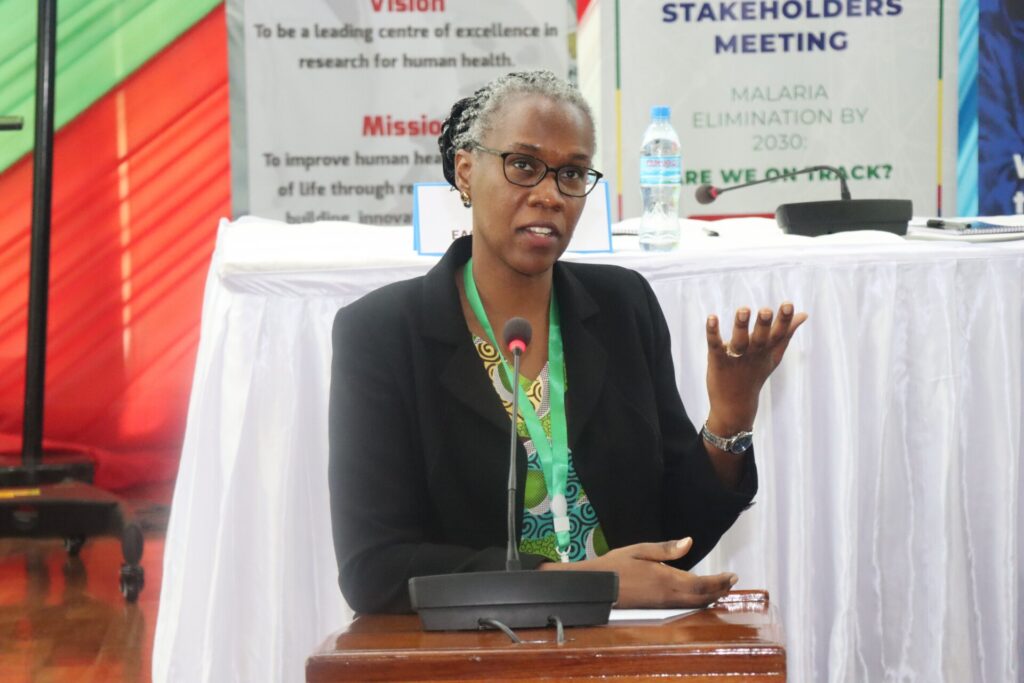
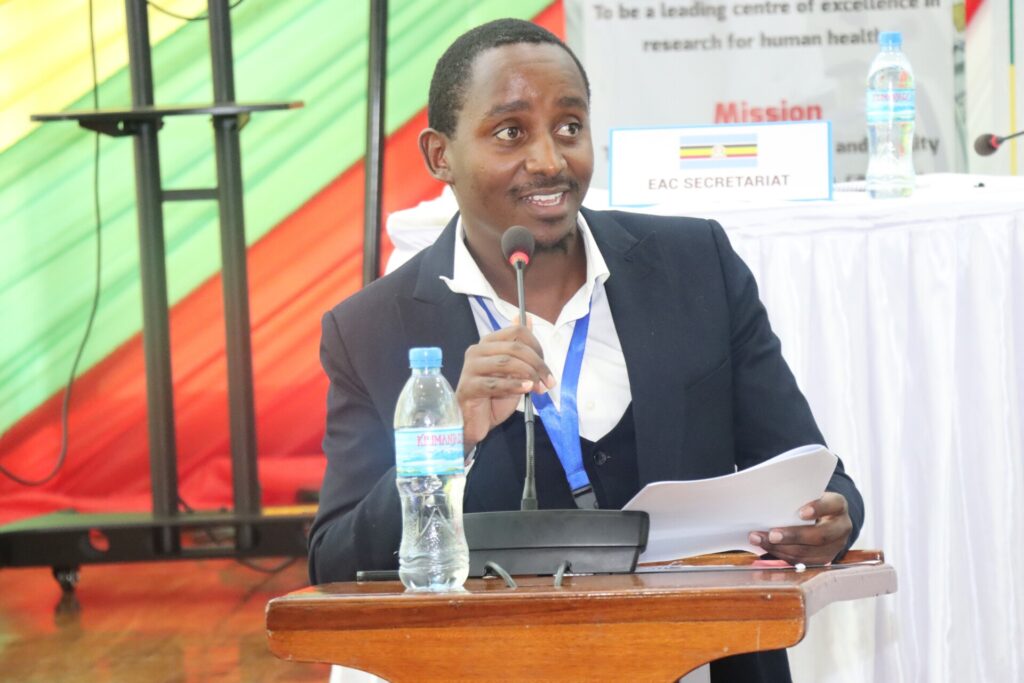
The sessions highlighted a shared commitment among participating countries to leverage both established and innovative technologies in the ongoing battle against malaria. By bringing together a wide array of strategies, from molecular surveillance to automated vector management, participants reinforced a collective determination to make meaningful strides towards malaria elimination.
KEMRI’s Dr. Steve Wandinga concluded the two-day meeting, with a strong call to action to all stakeholders from the different countries; Implement cross-border collaboration for malaria challenges reports toward its eradication- this cooperation allows countries to share data, coordinate responses, and develop unified strategies to target malaria transmission across regions, ultimately enhancing the effectiveness of interventions and accelerating the path to elimination.
Adopt the method of introducing sentinel sites for further research in malaria control – these strategically located sites will provide valuable data on transmission patterns, vector behavior, and the effectiveness of control measures, facilitating targeted interventions and informed decisionmaking in the fight against malaria.
Engage End Malaria Councils and other stakeholders in the region- to facilitate discussions on how to strengthen collaboration and more funding opportunities.
Adopt the SIT-sterile insect technique for malaria control – through releasing sterilized male mosquitoes into the environment, which then mate with wild females, leading to a decline in the overall mosquito population and, consequently, reduced malaria transmission rates.
Continue with molecular marker surveillance – for malaria control as it allows for the detection of genetic variations in malaria parasites and mosquito vectors, enhancing our understanding of transmission dynamics and resistance patterns, which informs more effective and targeted interventions.
Implement coordinated malaria vaccine roll-out – to ensure that vaccines are distributed effectively across regions, integrating vaccination efforts with existing malaria control programs to enhance community awareness, accessibility, and coverage, ultimately contributing to the goal of malaria elimination.
In the closing remarks, Ambassador Lotem, who attended the entire two-day meeting, addressed the stakeholders with a strong message. He reiterated the urgency of intensifying efforts toward malaria elimination and emphasized the importance of a multifaceted approach. “We must work together, leveraging all available resources and strategies, to tackle this pressing issue.
Malaria elimination is not just a goal; it is a necessity for the health and well-being of our communities. I believe that this stakeholder meeting has given us all, a renewed commitment to collaborative action in the fight against malaria.” He remarked.
The Chair of the National Malaria Control Program, Dr. Joseph Panyuan, expressed his gratitude to all stakeholders and the organizing committee for their invaluable contributions and unwavering commitment to the success of the meeting. “If we are to make substantial progress toward our 2030 goal, every country must not only commit but also take bold and decisive action.” His remarks underscored the need for unity and determination in the collective effort to combat malaria effectively.
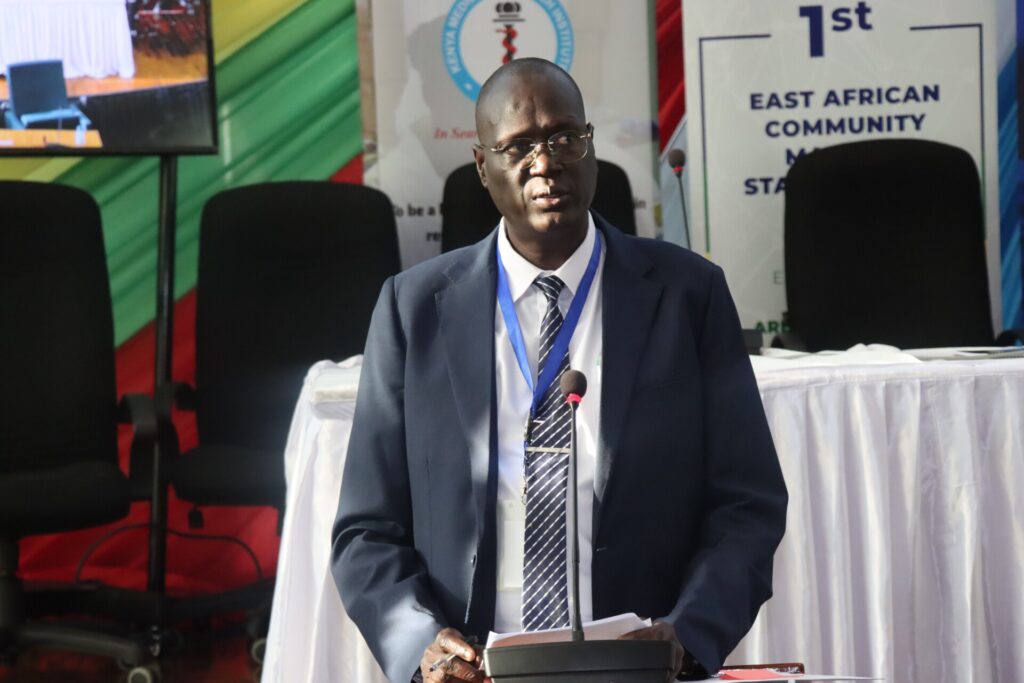
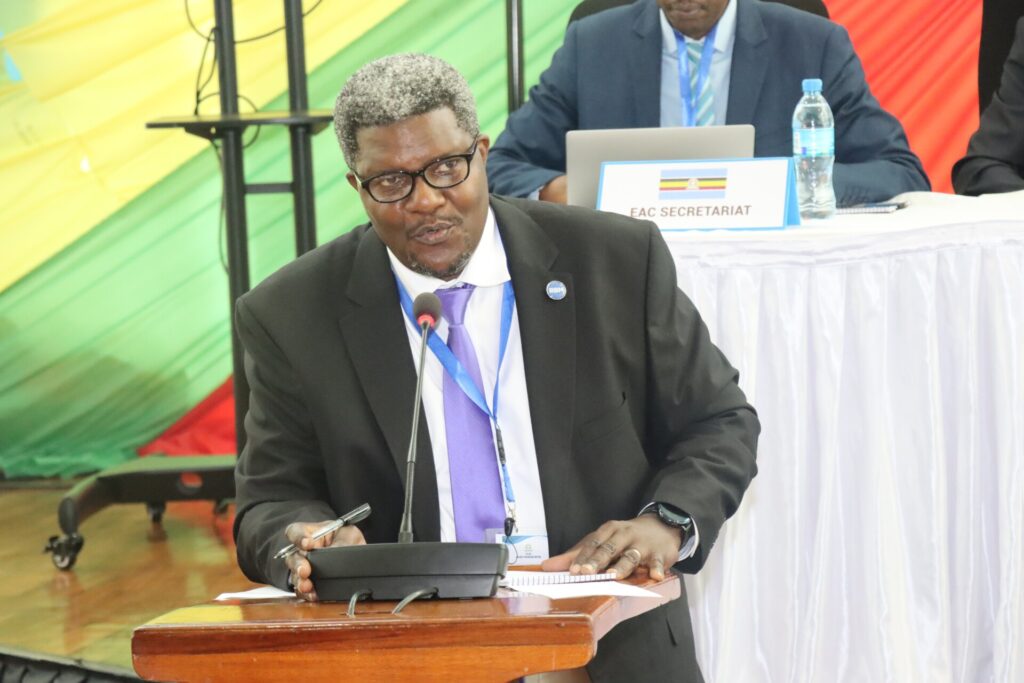
As the conference came to a close, stakeholders departed with renewed angle, towards contributing to the ambitious yet achievable goal of malaria elimination in East Africa by 2030.