
KEMRI Deepens Global Health Collaboration Through Strategic Engagements in China
October 29, 2025
KEMRI Strengthens Global Scientific Ties as It Hosts Delegation from TWAS
October 29, 2025Curtain Falls on Pan-African Conference on Environment, Climate Change and Health

By Stella Njung’e
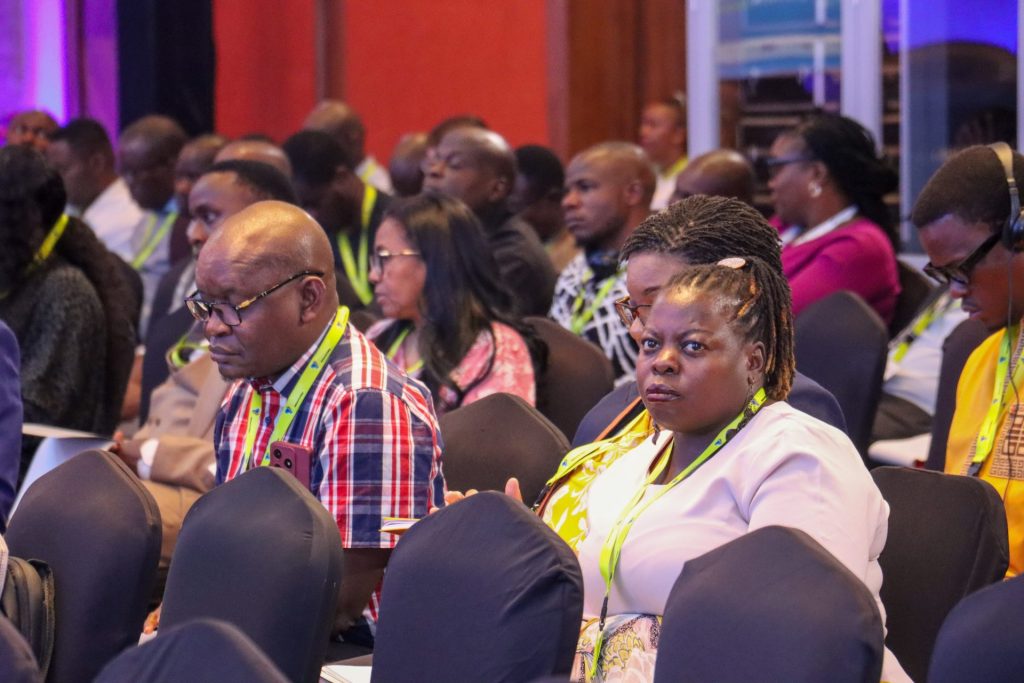
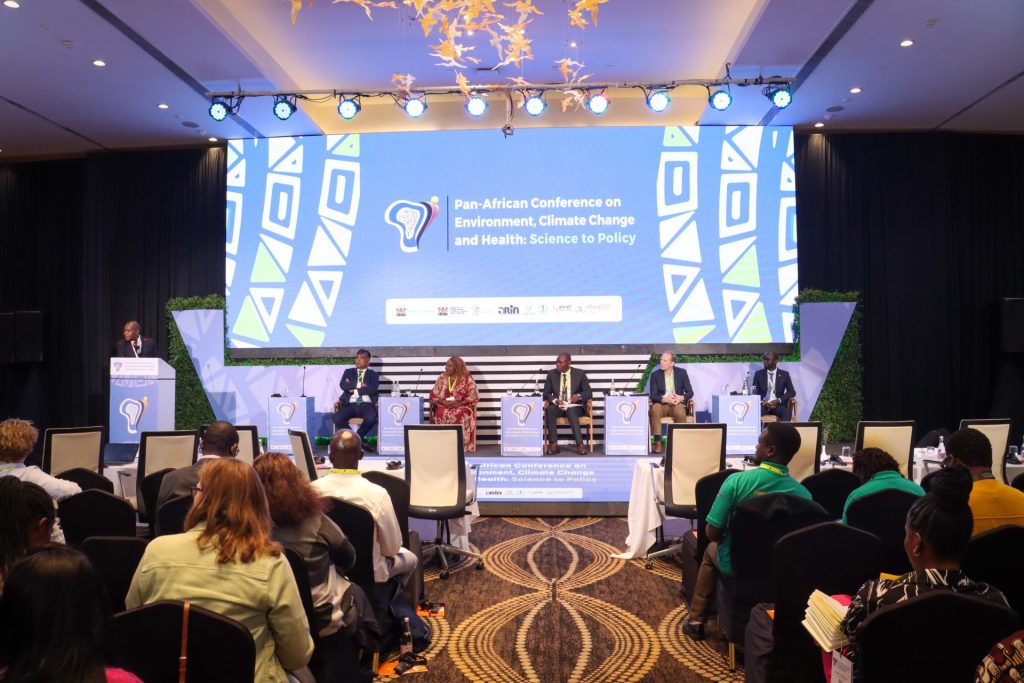
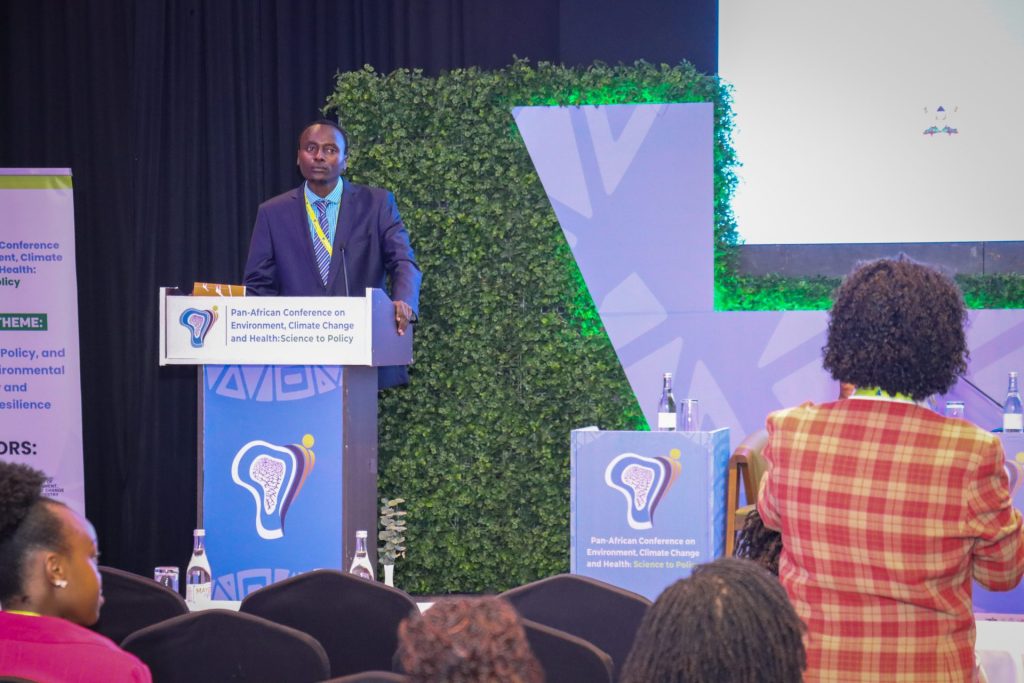
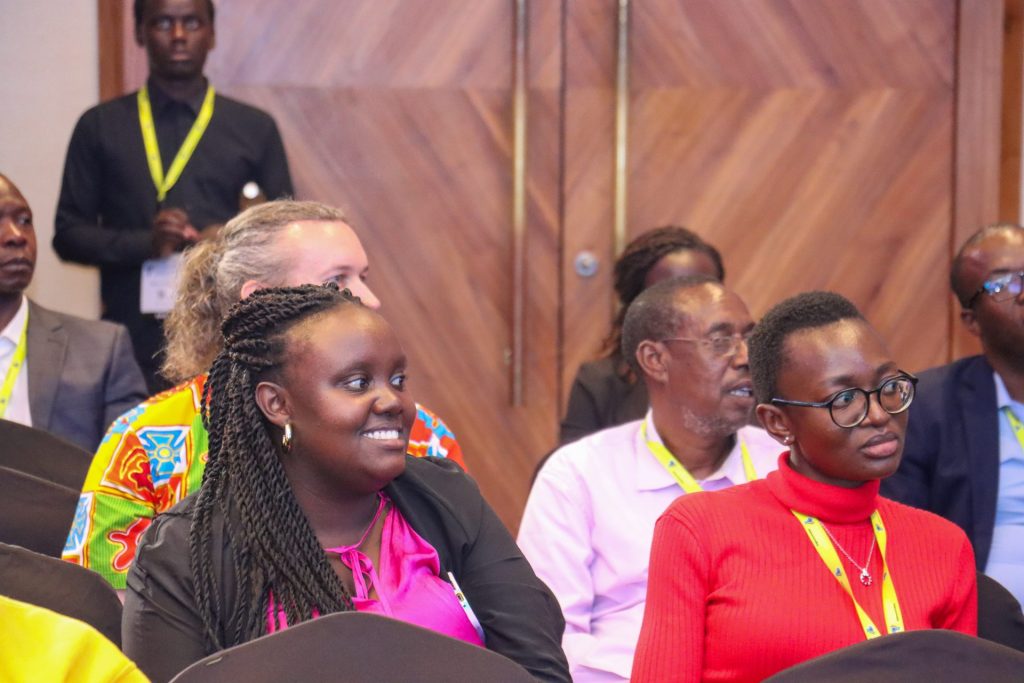
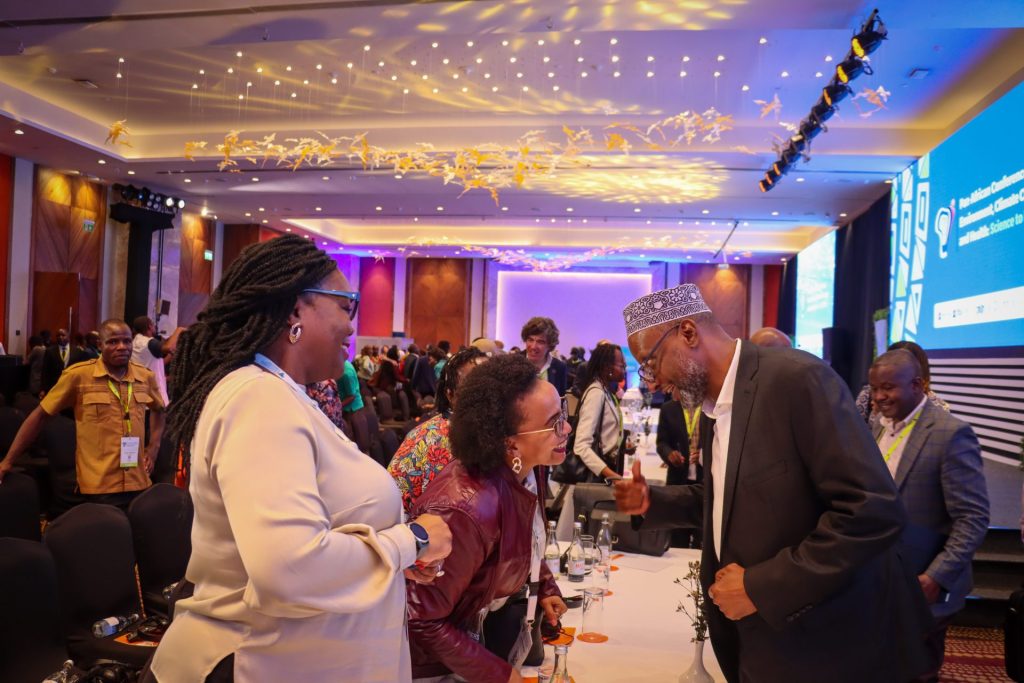
Curtains came down on a successful four day Pan-African Conference on Environment, Climate Change and Health, leaving the halls still echoing with conversations and a collective call to unite for planetary health, a foundation for human well-being and sustainable development.
Held under the theme “Harnessing Science, Policy, and Partnerships for Environmental Sustainability and Climate-Health Resilience,” the conference offered a holistic platform for countries to share ongoing actions, progress, and challenges in addressing the climate–health nexus.
The event was officially closed by the Cabinet Secretary for Environment, Climate Change and Forestry, Dr. Deborah Mulongo, who emphasized the need to integrate environmental health into all sectors, from agriculture and education to healthcare and urban planning, while investing in innovation and community-led strategies to strengthen resilience and promote equity.
“A healthy planet is the foundation of healthy people,” Dr. Mulongo noted. “We must ensure that environmental health considerations are embedded in every policy and sectoral plan. Only through collaboration, innovation, and community-driven solutions can we build a truly resilient and equitable future.”
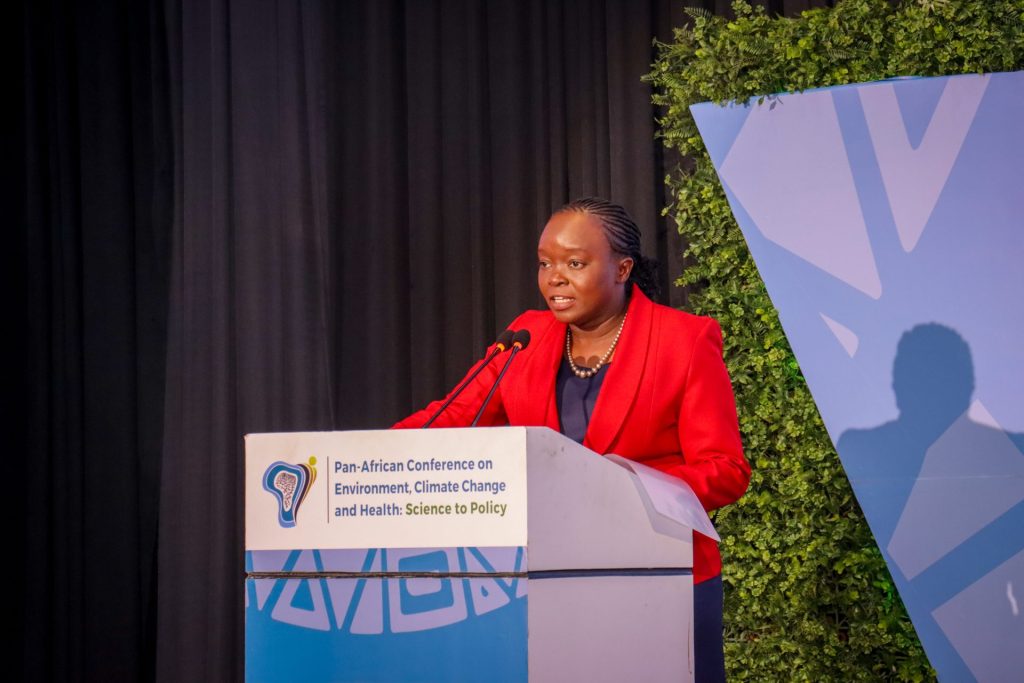
Across sub-Saharan Africa, countries are implementing various initiatives towards integrated Environment, Climate, and Health Action. In Kenya, the development of the Climate and Health Strategy 2024–2029 marks a key milestone in aligning the country’s health agenda with climate action. The document, which was officially launched during the official opening ceremony conference by the Ministry of Health, Cabinet Secretary, Hon. Aden Duale, provides a comprehensive framework to guide the integration of climate considerations into health planning, service delivery, and policy.
Botswana has undertaken a National Health Vulnerability Assessment in partnership with the World Health Organization (WHO), alongside government-led food and climate-induced disease response programmes. In Senegal, green initiative budgets have been incorporated into health plans, while Ethiopia’s national surveillance systems now track climate-related health outcomes. Uganda has focused on capacity-building programmes to strengthen local response mechanisms.
Despite notable progress, delegates acknowledged persistent challenges. Frameworks and networks aimed at increasing motivation around climate and health solutions remain fragmented and inadequately anchored in collaborative, transformative practice. Implementable solutions at the national and local levels are still scarce, underfunded, and unevenly distributed. Participants stressed the need to strengthen localized action and better link global and regional ambitions with national and community-level implementation.
The conference featured active participation by the Kenya Medical Research Institute (KEMRI) researchers, who contributed to various sessions and panels. Notably, Dr. Martin Bundi, KEMRI’s Ag. Director Capacity Building, representing the Ag. Director General, Prof. Elijah Songok, delivered an insightful presentation during the plenary session on “Climate-Resilient and Sustainable Health Systems: Challenges of Implementation.”
Dr. Bundi underscored that Africa bears a disproportionate share of the climate–health burden despite contributing minimally to global emissions, calling for systems capable of anticipating, absorbing, and adapting to shocks while ensuring sustainability. He identified three key areas for action. These are bridging the science to policy gap through permanent science to policy lines, rethinking financing with climate–health budget and innovative tools and building workforce capacity by integrating climate health literacy in medical training and forming Climate Health Task Forces at county and national levels.
“Most importantly, we must collectively move from evidence to funded, accountable, and coordinated implementation,” Dr. Bundi urged, emphasizing that climate resilience is not a separate goal but the very foundation of sustainable development.
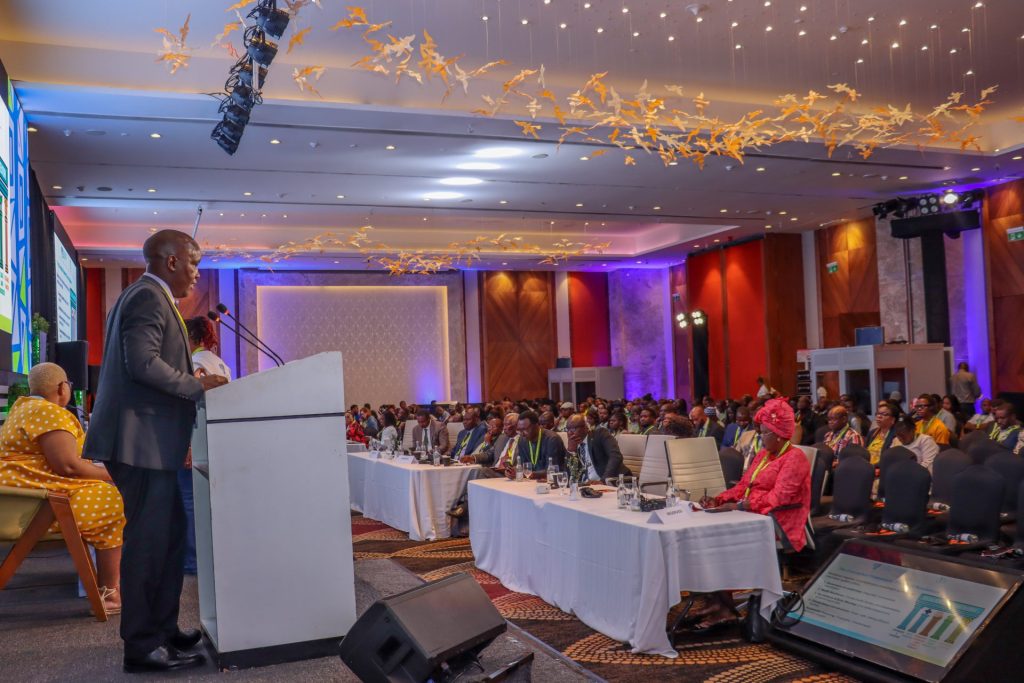
During the plenary session on Healthy Environments for Population Health, Mr. Arthur Gohole of the Clean – Air Africa, presented on Lessons from the Air Pollution Centre of Excellence, a collaborative initiative with the University of Liverpool (UoL).
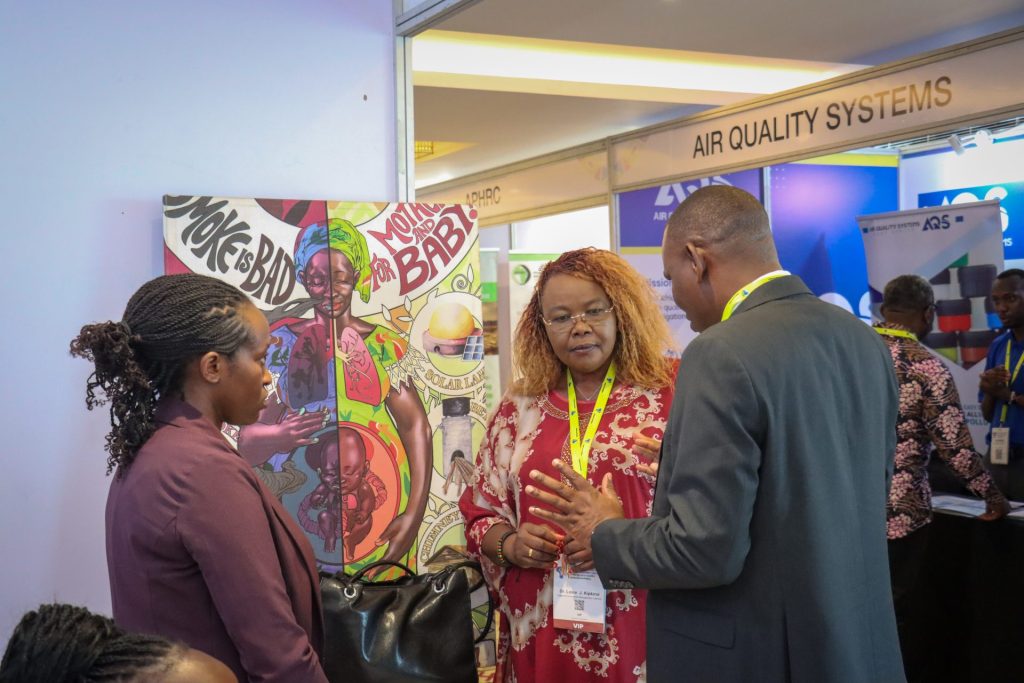
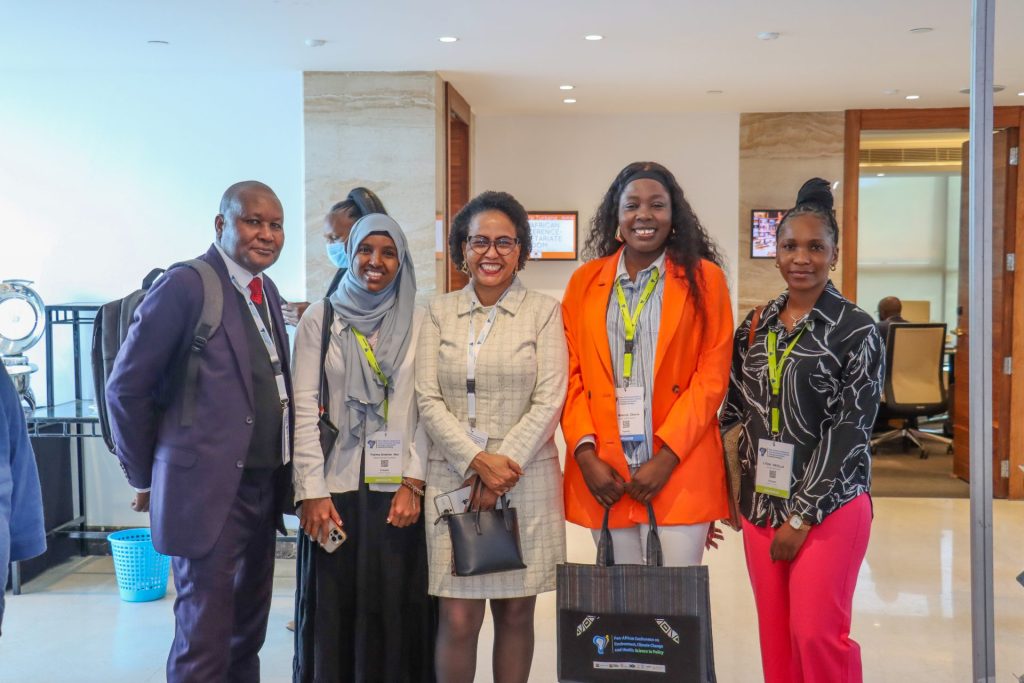
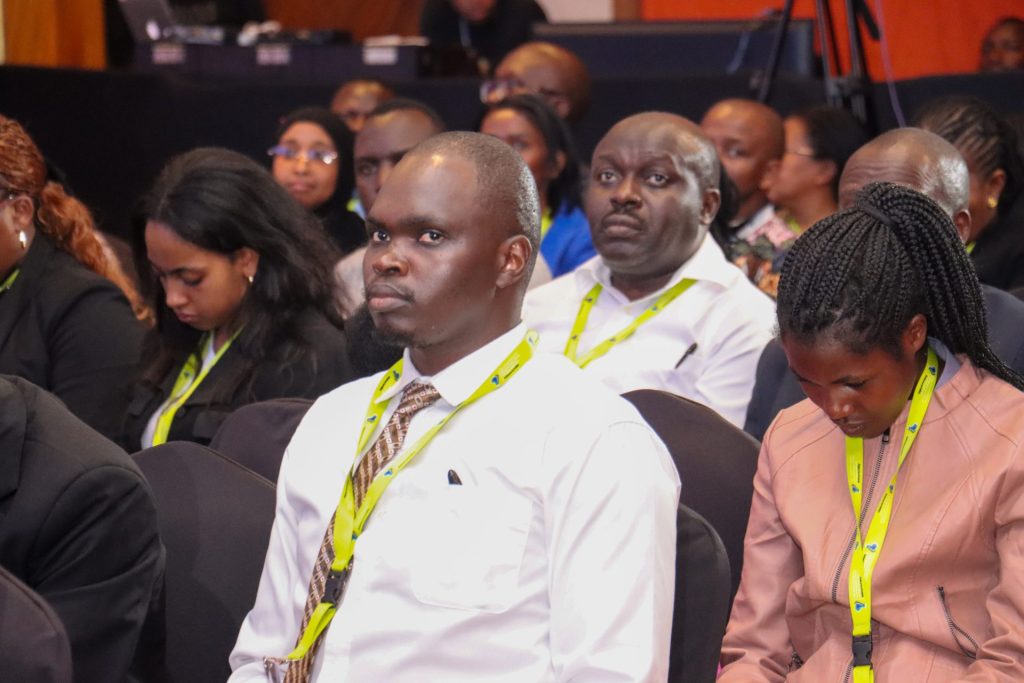
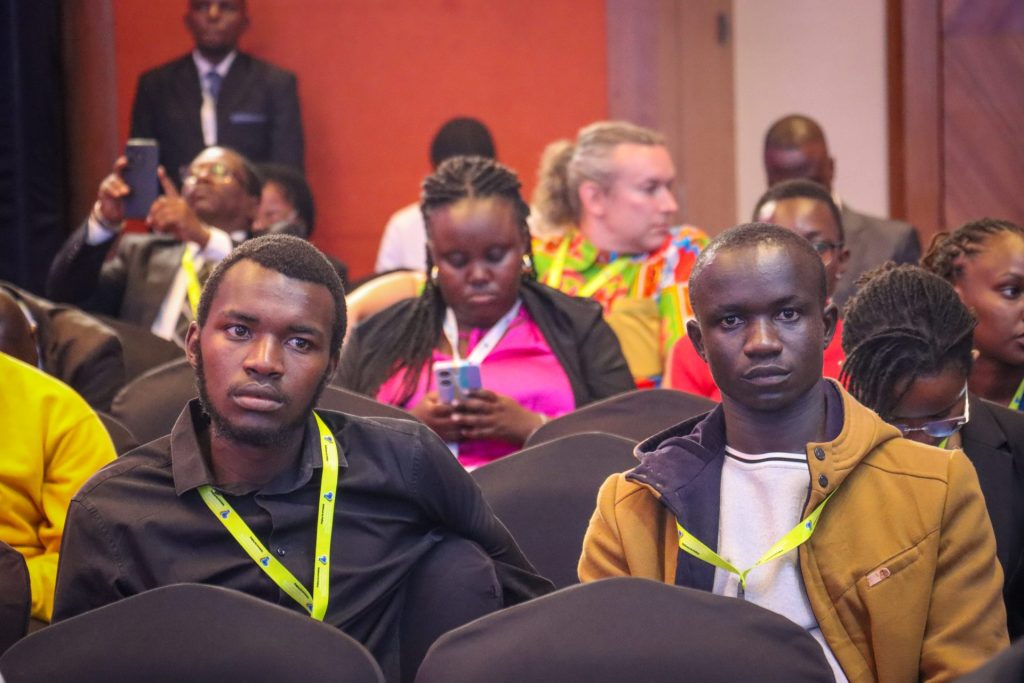
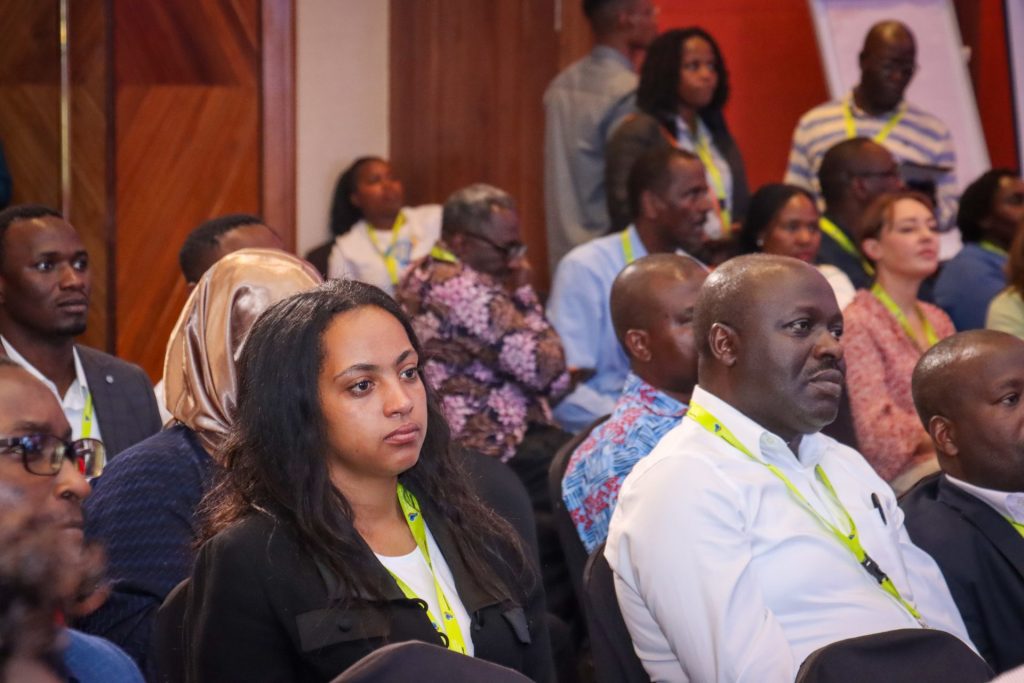
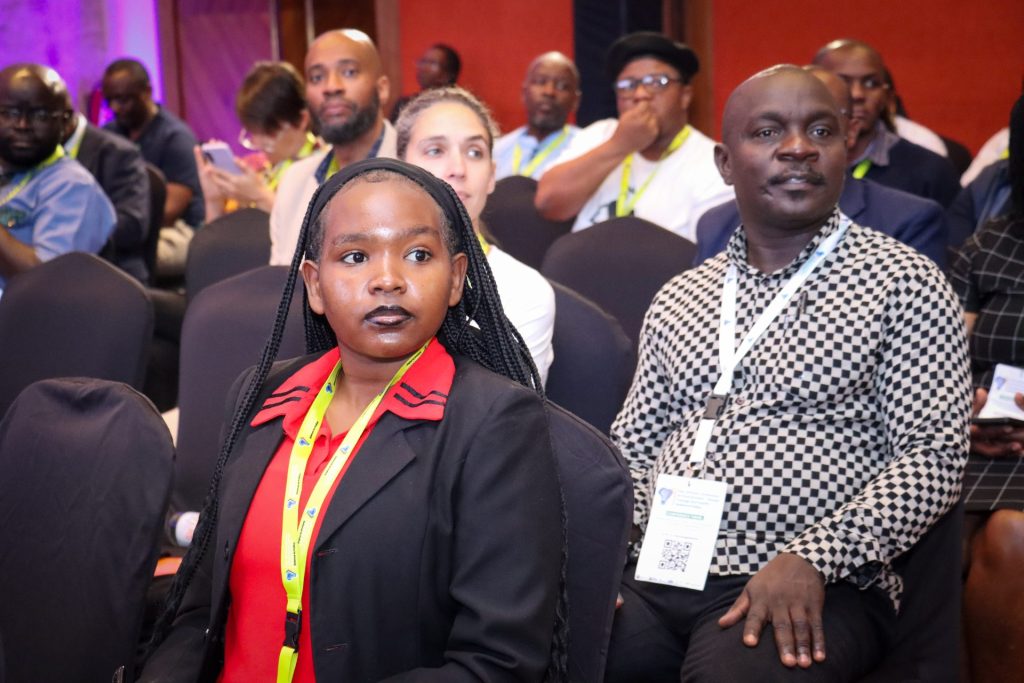
The conference brought together over 500 delegates including scientists, policymakers, health professionals, environmental experts, civil society, youth, and development partners from across Africa and beyond, who called for stronger collaborative networks to strengthen integrated solutions, accelerate financing, and promote knowledge co-production and sustained impact, under the unifying banner, “One Africa – One Environment – One Climate – One Health.”
Reaffirming Kenya’s commitment, Dr. Mulongo in her remarks highlighted ongoing initiatives such as the 15B tree campaign, clean energy programmes, and climate resilient community projects. She expressed confidence that Africa can lead the world toward a greener, healthier, and more sustainable future, a sentiment echoed throughout the conference deliberations. The conference culminated in a tree-planting exercise at St. Mary’s, Langata, symbolizing a shared commitment to environmental stewardship. This was followed by community engagement activities in Laini Saba, Kibera, where delegates interacted with Weather Mtaani, a local youth-led group that helps residents interpret weather forecasts and prepare for climate-related health risks such as water contamination and flooding. The group also organizes regular clean-up drives to clear drainage channels and improve water flow within the informal settlement. By using Swahili and Sheng to communicate, Weather Mtaani makes climate and health information relatable, accessible, and actionable for the local community.
Present at the closing ceremony was KEMRI Board Chair, Dr. Abdullahi Ali, among other Chairs and CEOs of convening institutions. The conference was co – convened by KEMRI and other major institutions including the MoH, Ministry of Environment, Climate Change & Forestry, Africa Research & Impact Network (ARIN), National Environment Management Authority (NEMA), AMREF Health Africa, The Aga Khan University Institute for Human Development, CHANCE Network and the Africa CDC.