EAC Malaria Meeting Calls for Urgent Action To Keep 2030 Elimination Goal Within Reach
October 15, 2026
KEMRI SERU Stakeholders Push for Faster Research Approvals, Digital Transformation and Stronger Ethics Oversight
October 15, 2026East Africa urged to turn malaria genomic data into action
BY STELLA NJUNG’E
East African countries need to strengthen regional collaboration, invest in genomic surveillance and translate scientific findings into timely public health action to accelerate malaria elimination by 2030, experts have said.
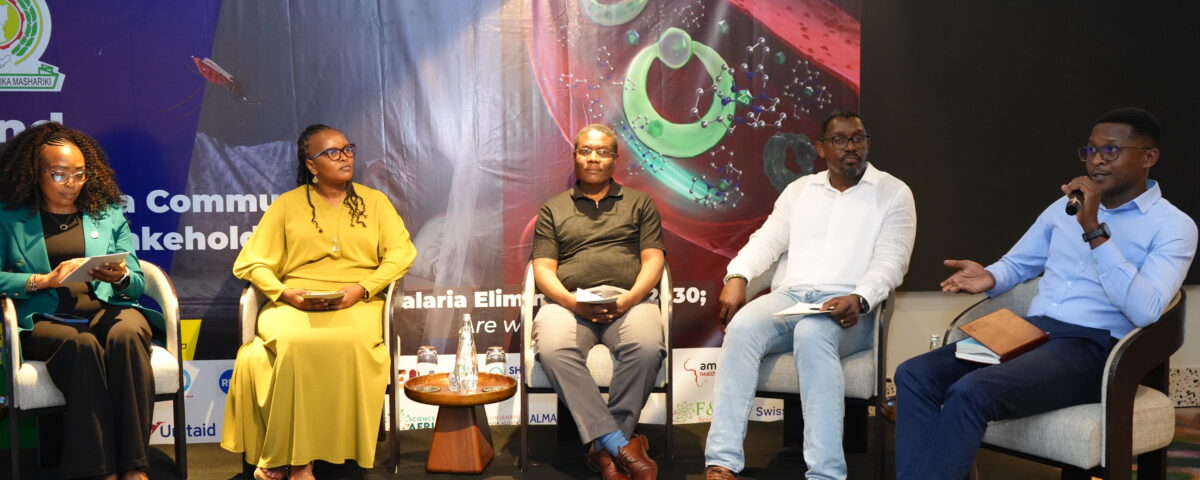
The call was made during a one-day pre-conference on Malaria Genomics for East Africa, held in Nairobi on October 7th ahead of the second East African Community (EAC) Malaria Stakeholders’ Meeting.
The meeting brought together researchers, national malaria control programmes, policymakers and development partners to examine how genomic surveillance could help countries track malaria transmission, detect drug resistance and improve elimination strategies.
Held under the theme “Translating Genomic Surveillance into Regional Policy and Elimination Strategy,” the pre-conference highlighted the need to move beyond generating scientific data to using it to guide malaria control programmes.
Opening the meeting, Dr Francis Chikuse of Africa CDC said genomic surveillance could help countries respond more precisely to emerging threats by identifying changes in malaria parasites, tracking transmission patterns and detecting resistance to medicines and diagnostic tools.
He noted that malaria elimination efforts faced mounting challenges, including declining global financing, fragmented programme coordination, gaps in surveillance systems and the growing threat of drug resistance.
Dr Chikuse emphasised that genomic surveillance would have the greatest impact when its findings were integrated into national malaria programmes and used to guide decisions on interventions.
“The opportunity is no longer simply to sequence malaria parasites, but to use genomic intelligence to make faster, smarter and more targeted decisions that accelerate elimination,” he said.
Participants stressed that because malaria parasites and transmission patterns cross national borders, countries needed to strengthen collaboration and treat drug resistance as a shared regional challenge.
They called for a harmonised East African framework for genomic surveillance and data sharing, supported by common minimum data standards and consistent approaches to analysing and interpreting findings. Such measures would enable countries to compare results, identify emerging threats and coordinate responses across borders.
The meeting also highlighted the need to strengthen laboratory infrastructure and analytical capacity while shortening the time between sample collection and the use of findings in public health decisions.
Experts cautioned that genomic surveillance should complement conventional malaria surveillance rather than operate as a standalone activity. Researchers were encouraged to work closely with national malaria control programmes from the design stage of their studies to ensure that the evidence generated addressed practical programme needs.
Sustainable financing was another key concern, with participants noting that reliance on externally funded projects could threaten the continuity of molecular surveillance activities.
They called for genomic surveillance to be integrated into routine national public health systems and supported through domestic and regional financing. Participants also underscored the importance of strengthening institutions, retaining skilled researchers and developing policies that support the digitisation and sharing of surveillance data.
To improve the uptake of research findings, experts urged scientists to engage policymakers and malaria programme managers early in the research process. They also called for researchers to contribute to technical working groups, national strategy development and programme planning, while communicating findings in ways that clearly demonstrate their public health and economic value.
The discussions informed the main EAC Malaria Stakeholders’ Meeting, held in Nairobi on October 8 and 9 under the theme “Malaria Elimination by 2030: Are We on Track?”
As countries work towards the 2030 elimination target, the discussions reinforced the importance of linking scientific innovation with regional cooperation and sustained investment. Experts emphasised that the value of genomic surveillance would ultimately depend on its ability to inform timely interventions, strengthen responses to drug resistance and improve malaria control outcomes across East Africa.
The meeting was co hosted by KEMRI, the Africa Centres for Disease Control and Prevention (Africa CDC), the EAC Secretariat, Science for Africa Foundation, and the RBM Partnership to End Malaria.