THE 16TH KEMRI ANNUAL SCIENTIFIC AND HEALTH CONFERENCE KICKS OFF
February 11, 2026
The KASH 16 Jamboree where Science Found its future Voice
February 19, 2026KEMRI’s Dr. Olipher Makwaga Named Top 20 Finalist in Phoenix Open Call
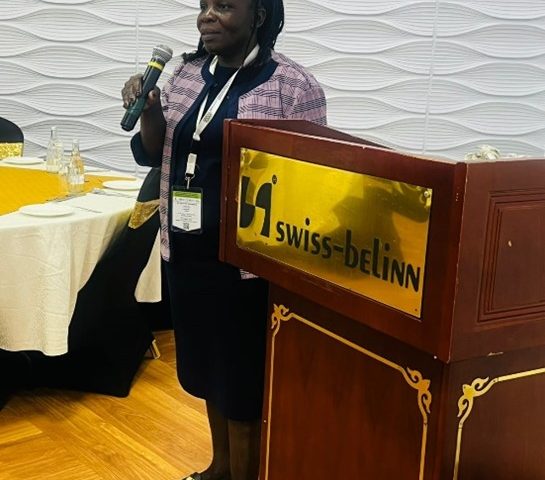
Dr. Olipher Makwaga has been ranked among the top 20 competitors out of 400 who designed and developed an idea and responded to the Phoenix Open Call: Sustaining HIV Services in ResourceConstrained Settings. Her idea contribution demonstrated strong alignment with the goals of the Open Call and offered valuable insights into sustaining HIV services in challenging contexts.
Dr. Makwaga in her idea narrated that: HIV service delivery in many parts of sub-Saharan Africa remains vulnerable to disruptions caused by limited funding, health worker shortages, supply chain breakdowns, insecurity, strikes, and emergencies. When facilities are affected, people living with HIV often miss medication refills, delay viral load testing, or disengage from care altogether. These disruptions disproportionately affect groups who already face barriers to accessing hospitals, including female sex workers, fishing communities, adolescents, young adults, and highly mobile populations. Long travel distances, extended waiting times, and stigma within health facilities further weaken retention and threaten sustained viral suppression.
Consequently, Dr. Makwaga introduced the CommunityPowered HIV Continuity Pods model, a practical approach that shifts essential HIV services from hospitals to trusted community settings. Rather than relying solely on centralized clinics, the model establishes small service points in places where people already gather, such as markets, places of worship, schools, beaches, and women’s group venues. These Pods are managed by trained peer navigators working alongside community health workers and remain linked to nearby health facilities for supervision, reporting, and resupply. This structure maintains clinical oversight while allowing routine services to continue even when facilities are disrupted.
Each Pod supports around 250 people living with HIV per month, prioritizing individuals who face stigma, insecurity, long travel distances, or frequent mobility. The services focus on continuity and simplicity. Antiretroviral therapy is pre-packed at partner facilities and collected at the Pods, reducing congestion at clinics and making refills faster and more discreet. Viral load monitoring is sustained through dried blood spot sampling, which works well in community settings and avoids the need for complex laboratory infrastructure. Peer navigators provide adherence support, appointment reminders, and follow-up for missed visits, helping clients stay engaged in care through trusted relationships.
To further protect confidentiality and reduce waiting times, some Pods use solar-powered smart lockers that allow clients to collect medication using single-use codes without face-to-face contact. Basic screening for conditions such as tuberculosis, sexually transmitted infections, and hypertension is also offered, with clear referral pathways back to health facilities when higher level care is needed. The model is built on community ownership, equity, and cost efficiency. It relies on existing community infrastructure, task sharing, and simple technologies rather than expensive systems. By reducing treatment interruptions, supporting viral suppression, and easing pressure on health facilities, the Continuity Pods strengthen health system resilience. The approach is flexible and can be adapted to rural areas, urban informal settlements, humanitarian settings, and mobile populations, with potential to integrate additional services such as TB care, non-communicable disease monitoring, and HIV prevention.
Congratulations Dr. Makwaga