
Centre for Virus Research Hosts Second Symposium on Virus Research
September 24, 2025
Cool and Safer Homes: How Simple Housing Modifications is Transforming lives in Kwale
October 1, 2025TCTP Strengthens Regional Health Security
By Gladys Mumbi
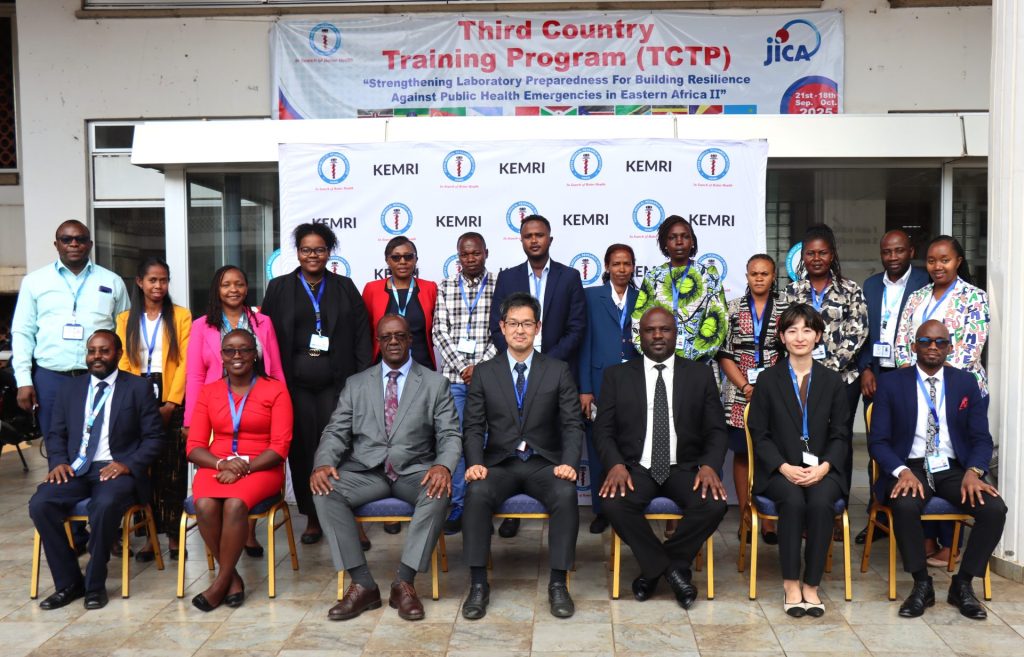
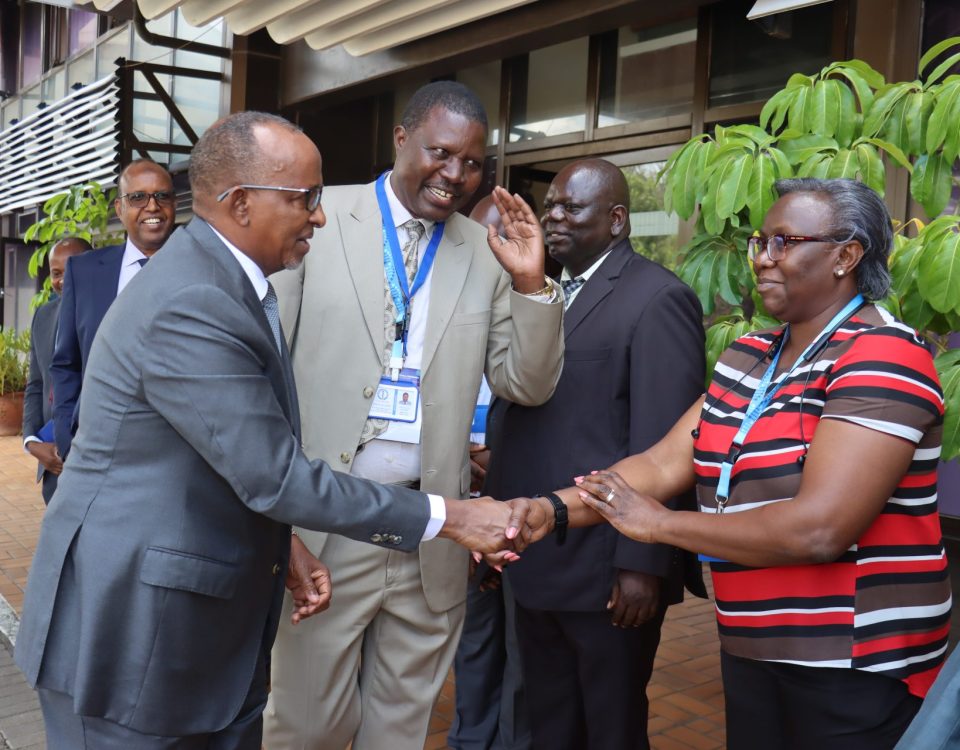
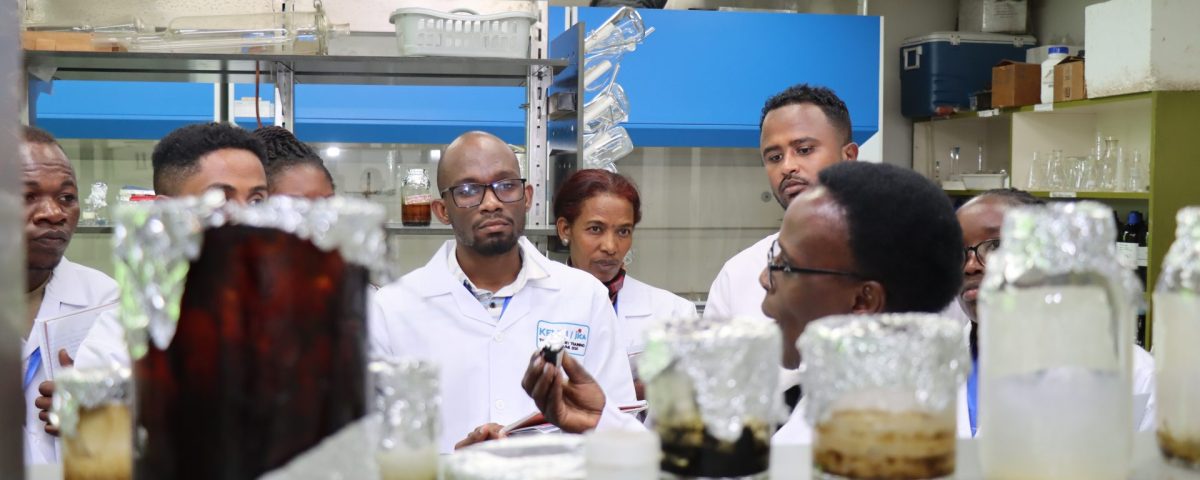
The Eastern African region has taken a decisive step towards building resilience against public health threats through the KEMRI–JICA Third Country Training Programme (TCTP), officially launched on 22nd September 2025 at the Kenya Medical Research Institute (KEMRI).
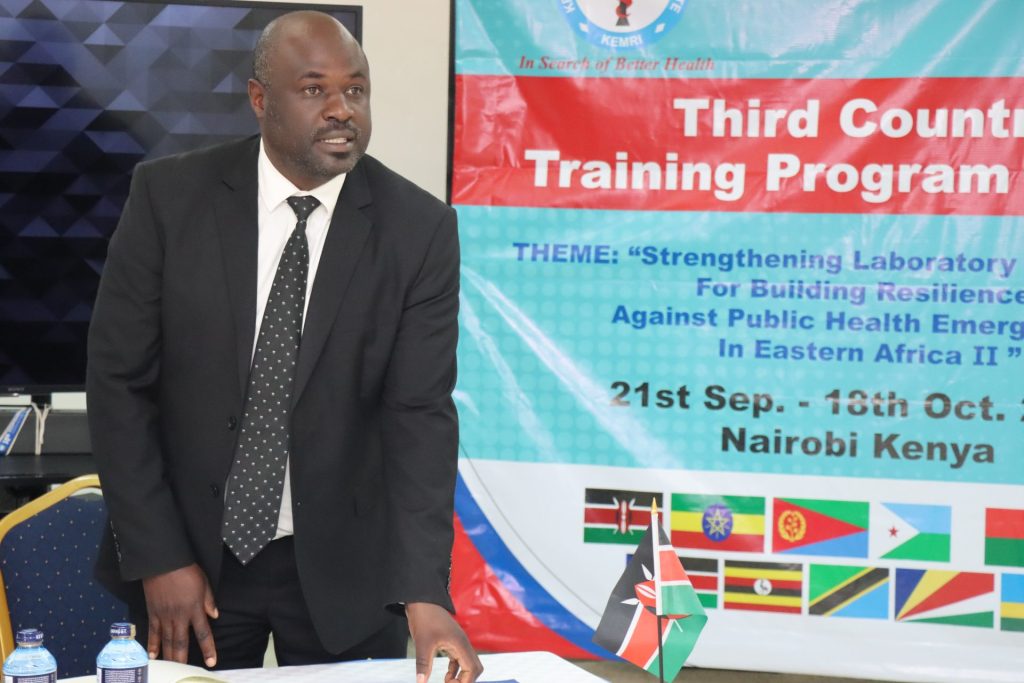
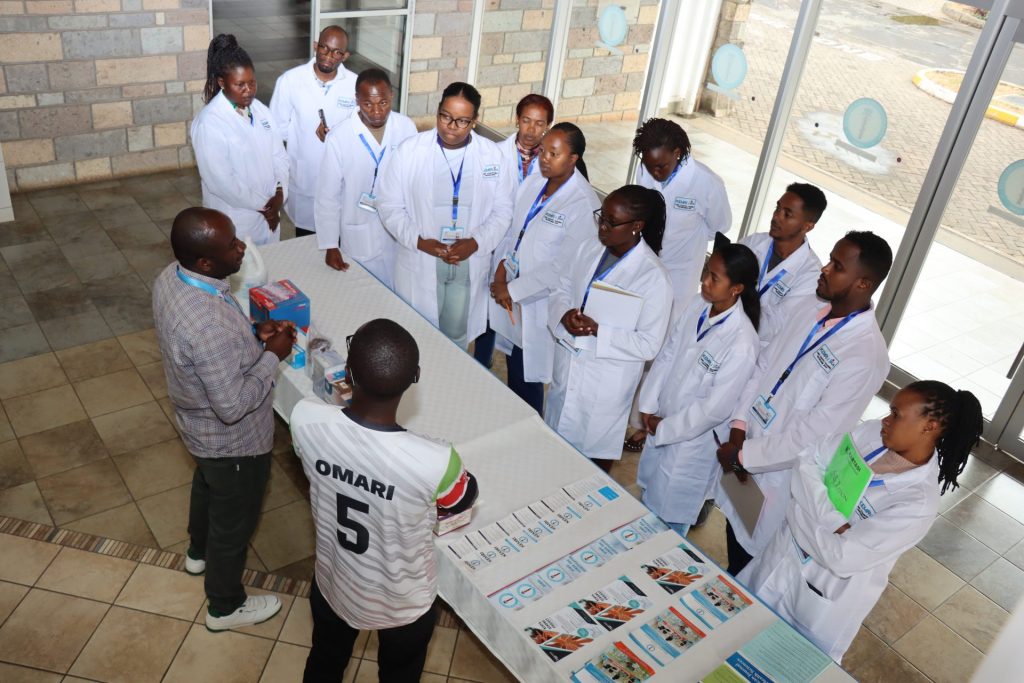
The programme’s core objective is to strengthen laboratory preparedness as the frontline of defense in health emergencies, while fostering a network of highly skilled professionals who can lead, train, and coordinate responses across borders. This year’s intake brings together 12 participants from 11 countries being Burundi, Djibouti, Eritrea, Ethiopia, Madagascar, Rwanda, South Sudan, Seychelles, Tanzania, Uganda, and hosts Kenya.
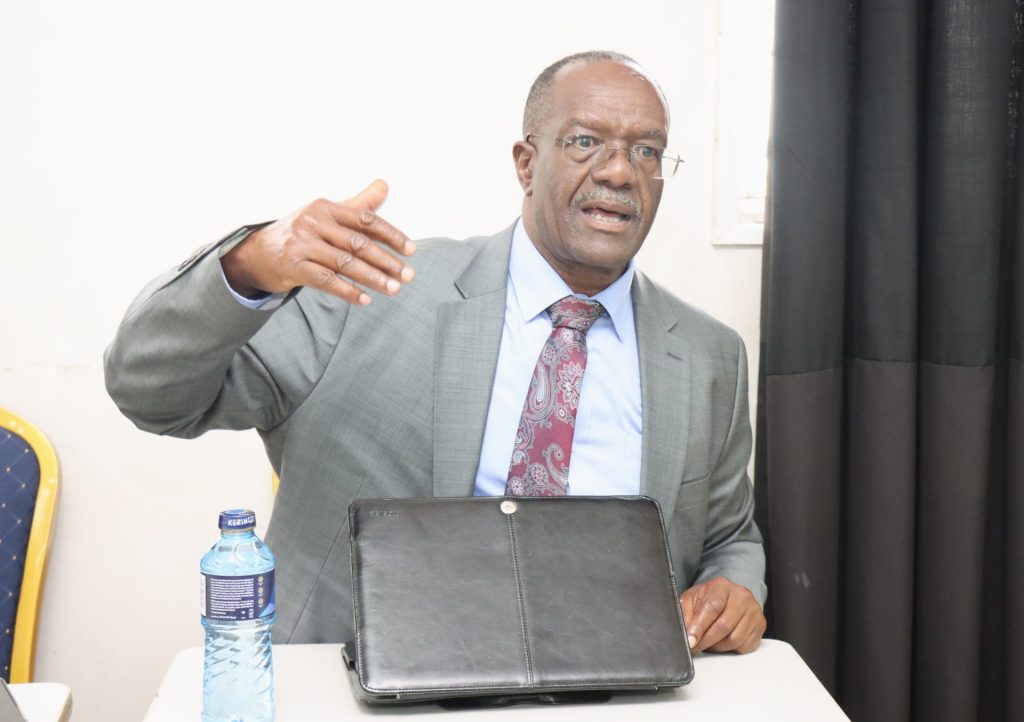
This signals a united regional commitment to fortify health systems. “This programme is not only about training; it is about transforming how our region prepares for and responds to public health emergencies,” said Mr. Jones Otuke, KEMRI’s Director of Corporate Services, speaking on behalf of the Acting Director General, Prof. Elijah Songok during the official opening of TCTP recently. “Through this collaboration with JICA, we are strengthening laboratories, empowering professionals, and laying the foundation for a healthier Eastern Africa.”
The current Phase II of this programme which began in 2024 and concludes in 2027, builds on the solid achievements of Phase I (2019–2024), which successfully trained 54 professionals across Eastern Africa. During COVID-19, graduates of Phase I are celebrated for pivotal roles in testing, surveillance, and regional coordination, proving the transformative value of laboratory-focused capacity building.
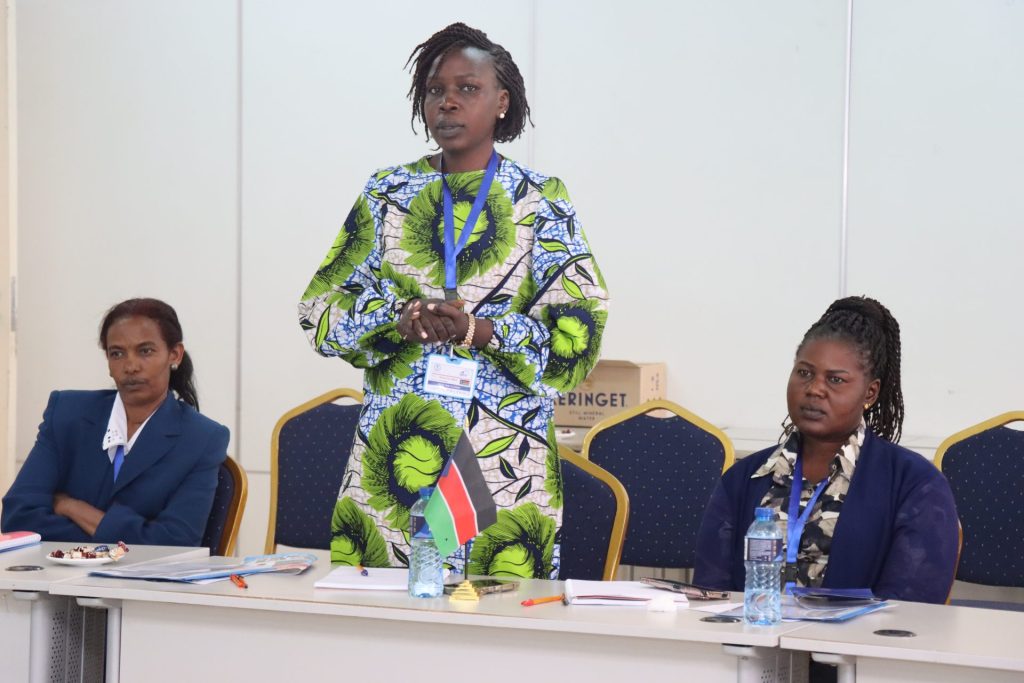
The new phase expands both scope and ambition. It aligns with global health priorities highlighted during TICAD 9 in Yokohama, Japan, and complements the World Health Organization’s Universal Health Coverage agenda by positioning laboratory preparedness as central to accessible and quality healthcare.
This year’s training introduces cutting-edge content designed to prepare participants for emerging and future threats. The curriculum introduces advanced and timely content, including modules on Artificial Intelligence, Research Ethics, and Risk Communication. Field sessions under the One Health approach highlight the interdependence of human, animal, and environmental health, while the BSL-3 Training Workshop and certification ensures participants are equipped with world-class biosafety skills. Mr. Otuke noted that the training not only builds technical capacity but also prepares participants to serve as Trainers of Trainers, enabling them to cascade knowledge and skills within their respective countries and institutions.
Mr. SUZUKI Fumihiko, Senior Representative, JICA Kenya Office, reaffirmed Japan’s enduring commitment to global health security. “The future of public health in Africa lies in strong local institutions, well-trained experts, and sustained collaboration. Through TCTP, we are not just sharing knowledge—we are building a resilient, interconnected network of professionals ready to respond to the region’s health challenges,” he said. He emphasized that Phase II is a direct response to growing regional demand and a recognition of the programme’s impactful outcomes, urging participants to seize the opportunity to form lasting professional networks.
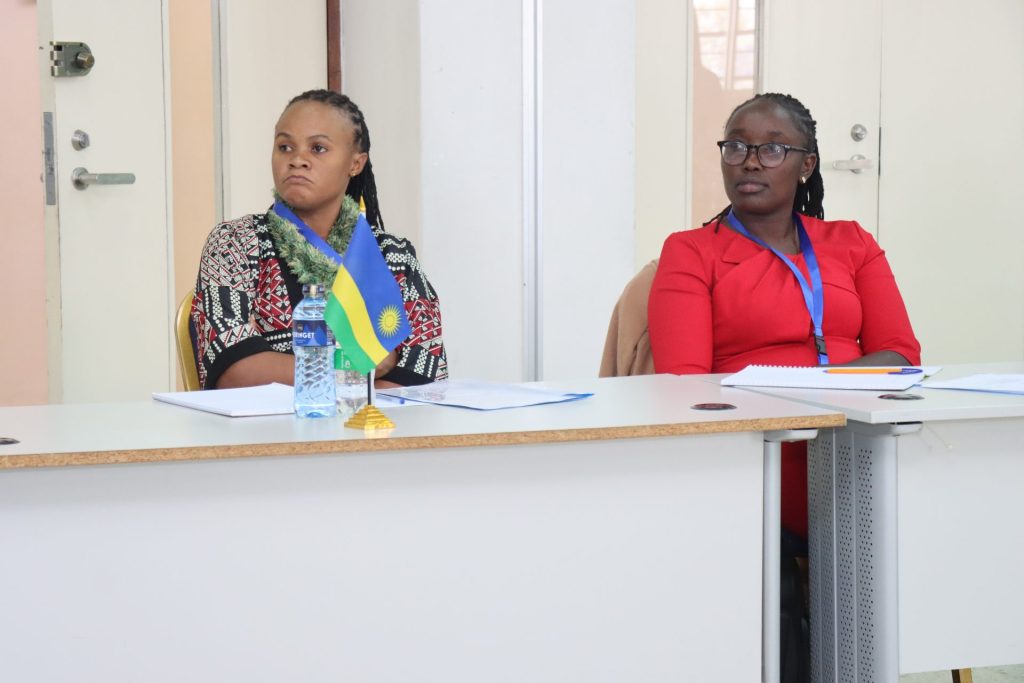
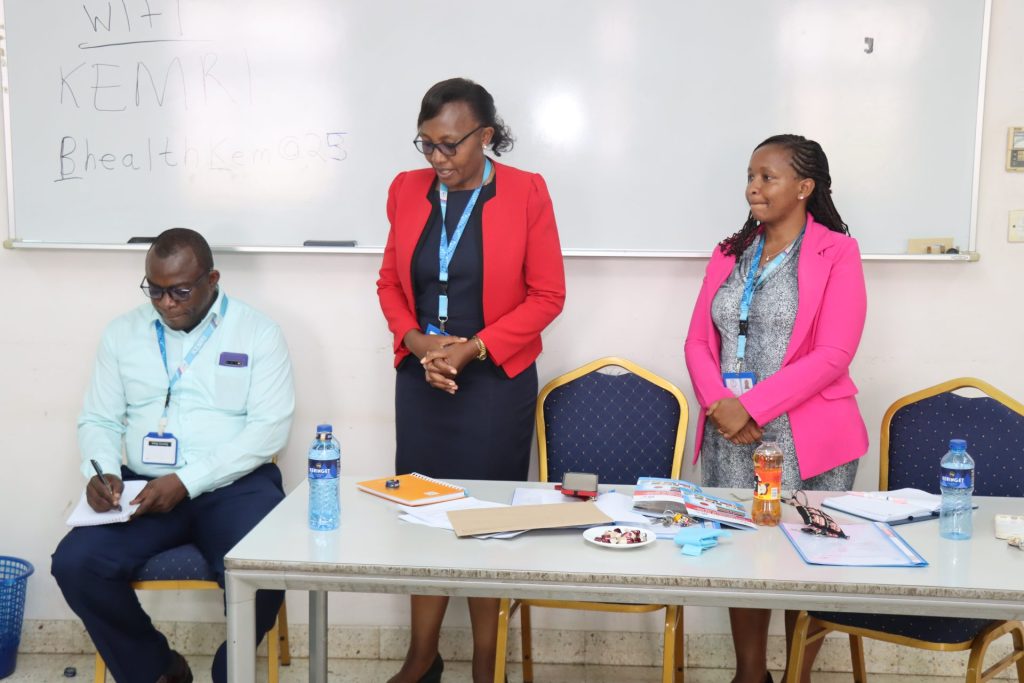
Programme Coordinator Dr. Allan Ole Kwallah echoed the importance of strong partnerships in tackling emerging challenges. “The collaboration between KEMRI and JICA remains a cornerstone in advancing Africa’s health sector, equipping it with innovation, expertise, and resilience needed to confront both current and future public health threats,” he noted.
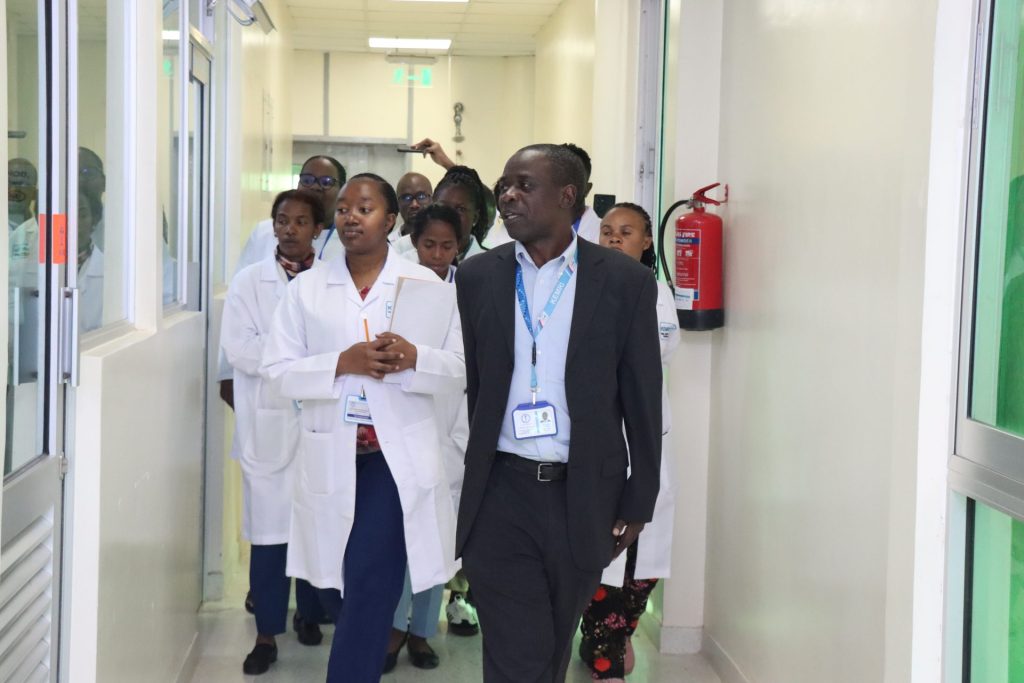
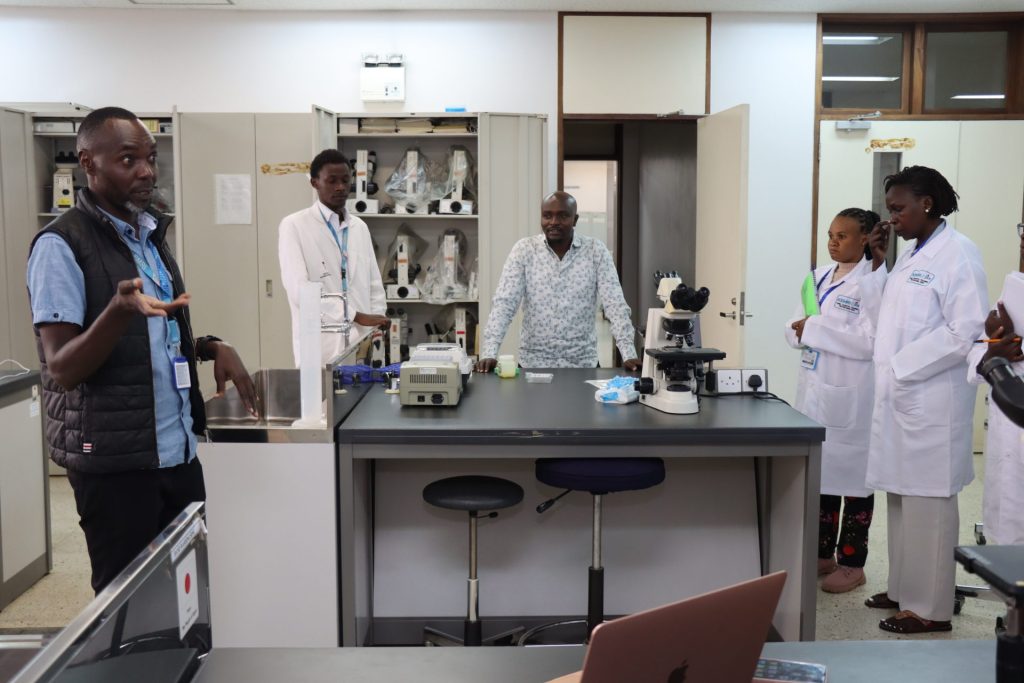
During the first week, participants engaged in lectures by KEMRI scientists and visited research centres including ESACIPAC, CTMDR, CVR, SMARF, and ITTD. These visits offered practical insights into the scope of scientific innovation in Kenya and demonstrated how research directly informs preparedness and response.
The launch of the Third Country Training Programme is more than the start of a new academic cycle, it is a reaffirmation of what nations can achieve when they unite around a common goal. By focusing on laboratory capacity building, the KEMRI–JICA collaboration is setting a benchmark for regional health security.
As participants embark on this journey, the programme stands as a model of how global partnerships can deliver lasting change, ensuring that Eastern Africa is not only prepared for the next public health emergency, but resilient enough to withstand it.