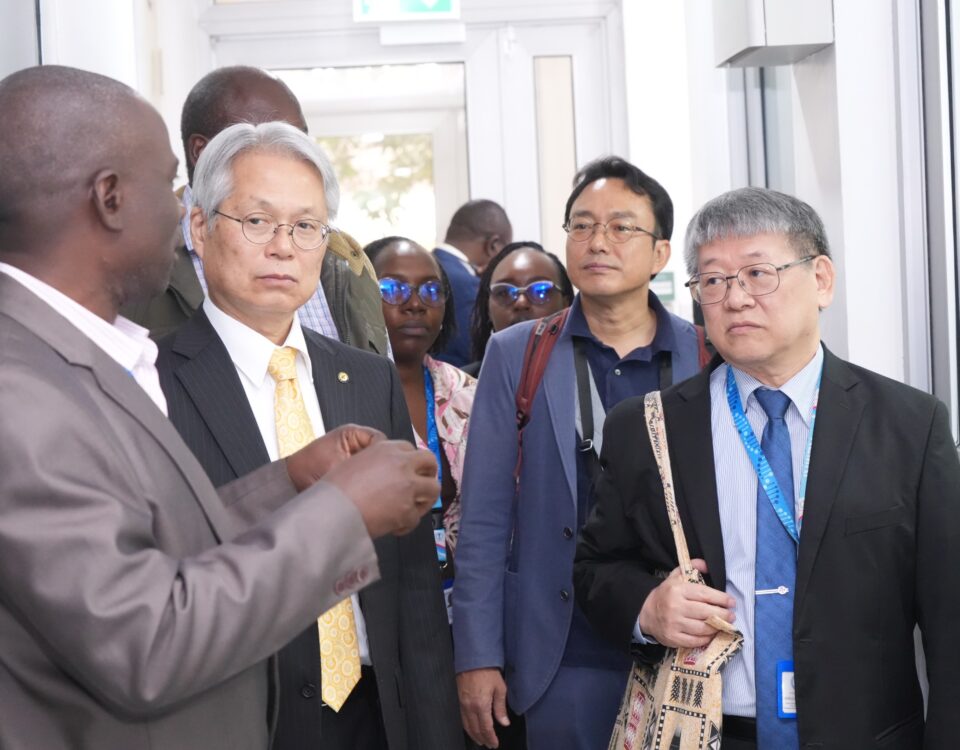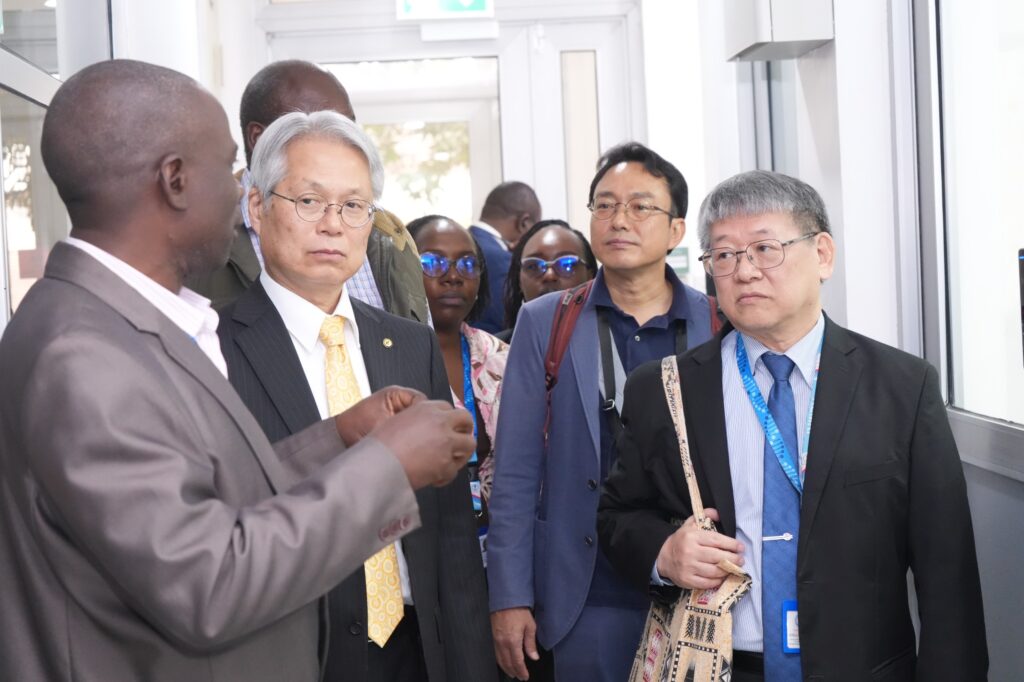
KEMRI and Chinese University forge Strategic Partnership on Eye Health.
July 23, 2025
KEMRI and AIMS in Partnership Talks
July 23, 2025KEMRI Champions Homegrown Diagnostic Self-Reliance Initiative.
In a remarkable stride toward diagnostic independence and sustainability, the Institute has emerged as a leading force in the EXPANDIA initiative — an innovation born during the COVID-19 pandemic that has since evolved into a regional game-changer for diagnostic capacity across Sub-Saharan Africa.
Spearheaded in Kenya by Ag. Deputy Director, Centre for Biotechnology Research & Development (CBRD), Dr. Eric Lelo, EXPANDIA is a collaborative initiative bringing together 10 reference laboratories from across the continent in partnership with the International Centre for Genetic Engineering and Biotechnology (ICGEB). Its core mission is to democratize access to low-cost, robust diagnostic tools for emerging and re-emerging diseases— an increasingly urgent priority for African public health systems.
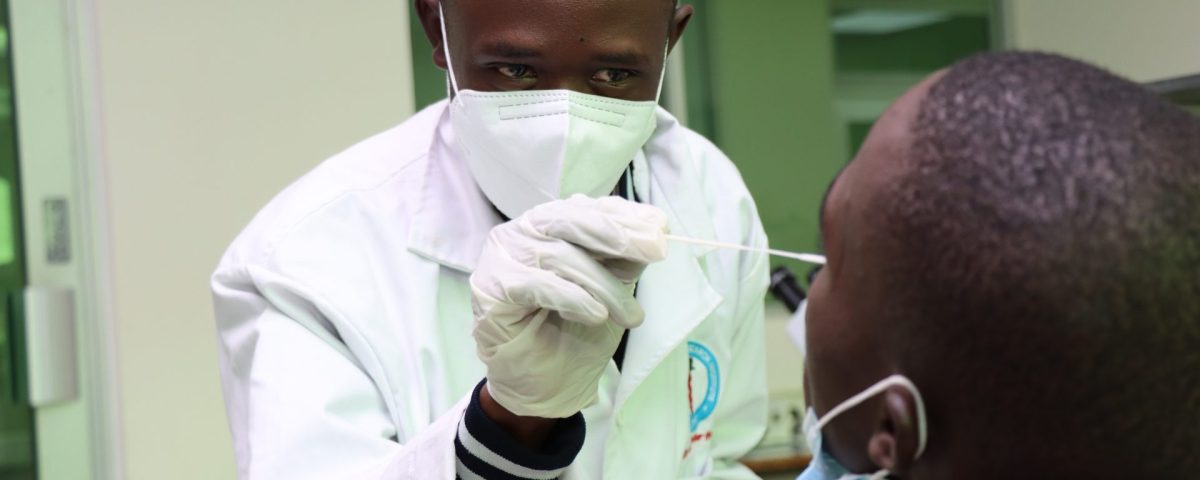
Among the initiative’s milestones, KEMRI led a landmark multi-country clinical trial evaluating the efficacy of Reverse Transcription Loop-Mediated Isothermal Amplification (RT-LAMP), a rapid, colorimetric assay for detecting SARS-CoV-in both nasopharyngeal and saliva samples. With more than 5,000 clinical samples tested in Kenya alone, the assay demonstrated high sensitivity and specificity, validating its potential as a cost-effective alternative to qPCR, particularly in low-resource settings.
But KEMRI’s contribution extended beyond diagnostics validation. In a proactive move to counter vulnerabilities in global supply chains, the Institute’s scientists developed and tested local manufacturing protocols for key diagnostic reagents. Through protein purification and lyophilization processes, KEMRI is now piloting in-house enzyme production for RT LAMP, laying the groundwork for reagent self-reliance within Kenya and across the region.
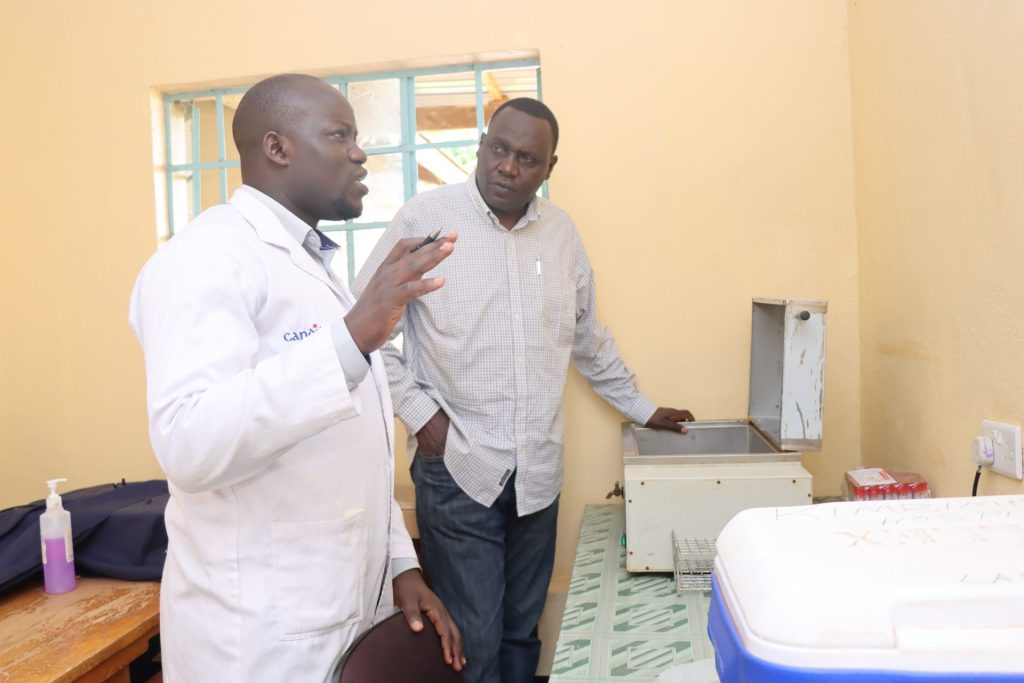
In support of decentralized diagnostic capacity, KEMRI also led a comprehensive training programme for laboratory personnel in five community laboratories located in Kisumu, Kakamega, Msambweni, Kimbimbi, and Embu. While the rollout was largely successful, the feedback revealed persistent infrastructure gaps, such as lack of pipettes and mini-centrifuges—highlighting the ongoing need for holistic investment in grassroots laboratory systems.
The impact of KEMRI’s scientific leadership is already shaping policy. Following strong evidence and advocacy, Kenya’s Pharmacy and Poisons Board (PPB) granted emergency use authorization for RT-LAMP—a critical endorsement of local innovation driven by data.
As East Africa continues to grapple with outbreaks of diseases like Dengue and Chikungunya, EXPANDIA stands as a model for resilient, African-led health solutions. KEMRI’s role is not only a testament to its scientific and technological excellence, but also a call to action to sustain momentum in bridging diagnostic gaps where they matter most.