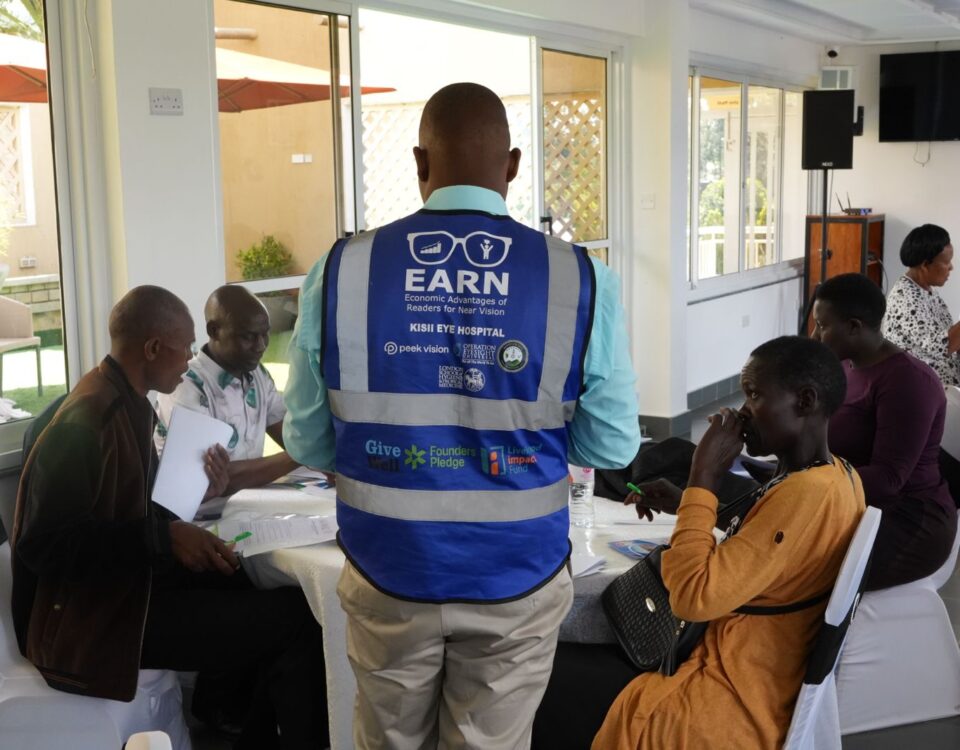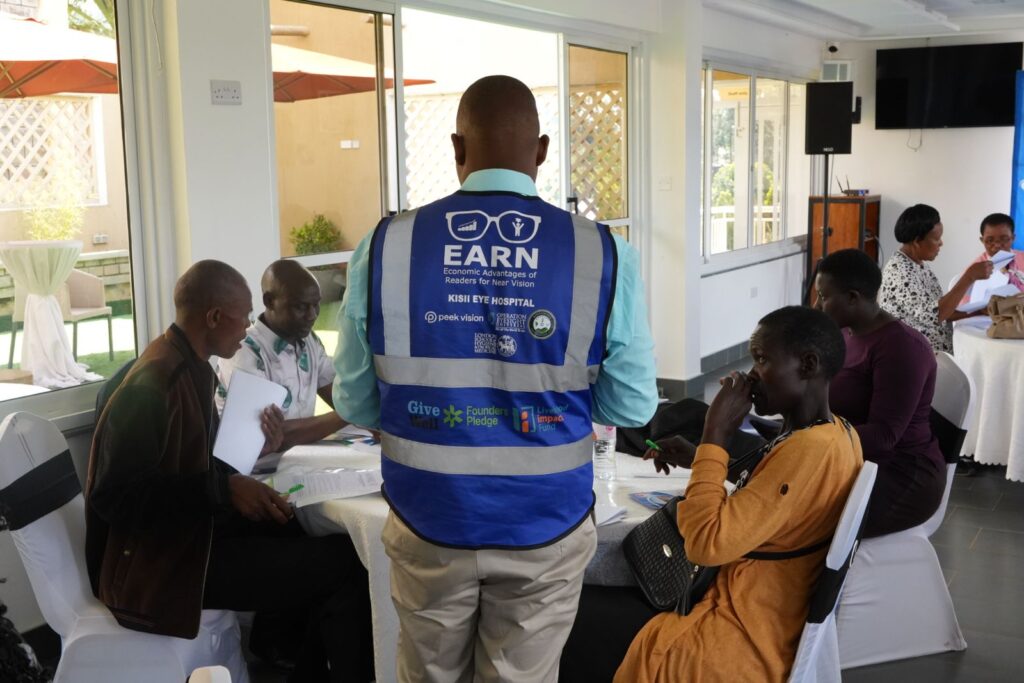

Stakeholders in The TIBA Study Convene for a Dissemination Workshop
January 28, 2026
KEMRI and Nairobi County Sign Landmark MoU to Transform Urban Health Research and Disease Surveillance
February 3, 2026KEMRI Commits to Tackle Heavy Metal AMR
By Gideon Kirui
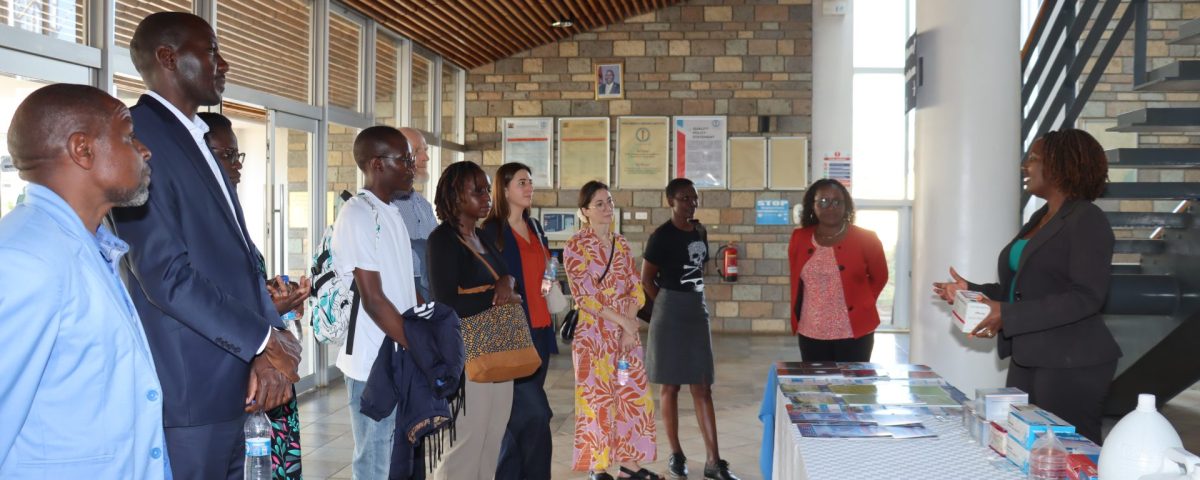
Following the stakeholder engagement meeting and launch of the the heavy metal and antimicrobial resistance exposure through waste in Kenya (AMELIORATE) project on 20th January 2026, delegations from partner institutions paid a courtesy call on the Acting Director, Research and Development, represented by Dr. Samoel Khamadi at the Kenya Medical Research Institute (KEMRI) headquarters.
The visit was part of a familiarization and appreciation tour of the Institute’s select facilities, including the Production Unit, and the laboratories at the Centres for Microbiology Research (CMR) and Biotechnology Research and Development (CBRD). The tour aimed to strengthen collaboration among consortium members and provide partners with insight into KEMRI’s research capacity.
The AMELIORATE consortium is a Kenya-Denmark partnership that brings together KEMRI, the Kenya Agricultural and Livestock Research Organization (KALRO), the University of Nairobi (UoN), the Technical University of Denmark (DTU), and the Geological Survey of Denmark and Greenland (GEUS). Funded by the Ministry of Foreign Affairs of Denmark through the DANIDA Fellowship Centre and led by DTU, the initiative aims to investigate, characterize, and mitigate the risks associated with exposure to heavy metals and antimicrobial resistance from waste in Kenya, with fieldwork concentrated on dumpsites and their surrounding environments.
Speaking during the engagement at the Institute, the project’s Principal Investigator and veterinary researcher at DTU, Dr. Joana Pessoa, expressed optimism about the collaboration, noting that KEMRI’s facilities will play a critical role in the study.
In response, Dr. Khamadi reaffirmed KEMRI’s commitment to the partnership, stating, “We look forward to a fruitful collaboration and to learning from the findings of your work.” He added that the research would be valuable to the Ministry of Health and county governments for its role in public health efforts.
According to the Acting Deputy Director, Centre for Microbiology Research and KEMRI’s collaboration lead, Dr. Cecilia Mbae, the project launch also brought waste collectors on board, underscoring the importance of engaging all stakeholders in addressing these complex challenges. The team further underscored the need for effective risk communication, advocating for repackaged messages that raise public awareness on environmental safety, food and water consumption, waste disposal, and sanitation.
Part of the project activities will involve visits to dumpsites to gain a firsthand understanding of on-the-ground realities. Researchers will assess plant uptake of toxic substances, examining crops grown near dumpsites and riverbanks. The study will also examine animals that frequent dumpsites, such as pigs, chickens, goats, and dogs by tracing them to their owners and collecting both biological samples and data through structured questionnaires on health and exposure patterns.
The One Health research initiative, which addresses environmental, human, animal, and community health, recognizes that the heaviest burden is borne by informal waste workers, recyclers, nearby households, and livestock, who face daily exposure with minimal protection. The project’s findings are expected to generate evidence to inform safer policies and practices, ultimately contributing to healthier communities.