
Africa is Epicentre of the Global AMR Crisis
January 28, 2026
KEMRI Commits to Tackle Heavy Metal AMR
January 28, 2026Stakeholders in The TIBA Study Convene for a Dissemination Workshop

By Stella Njung’e
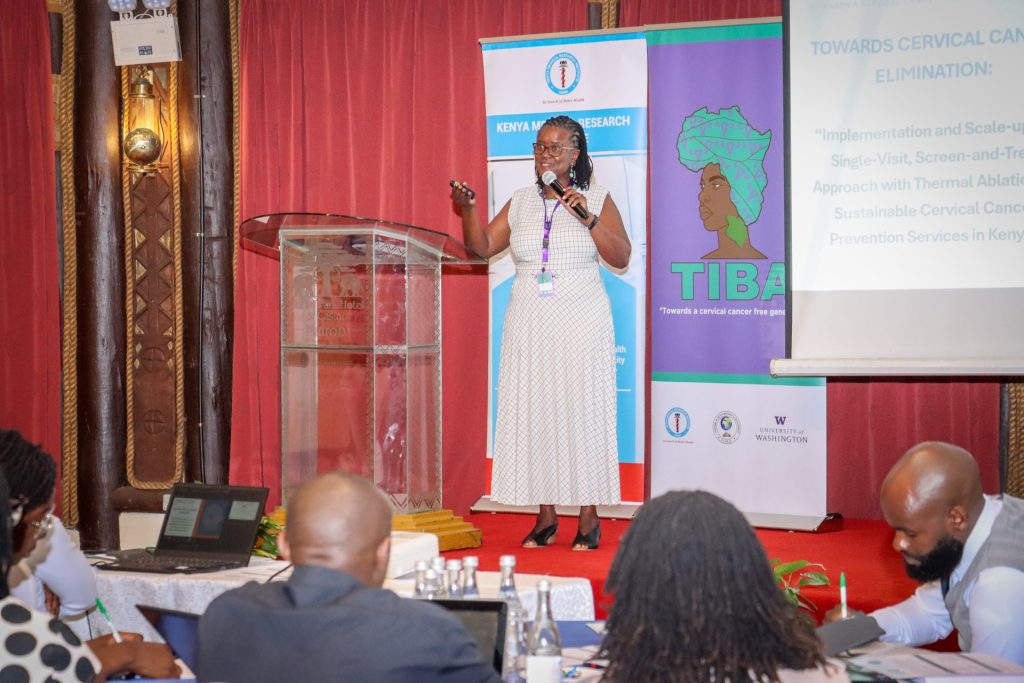
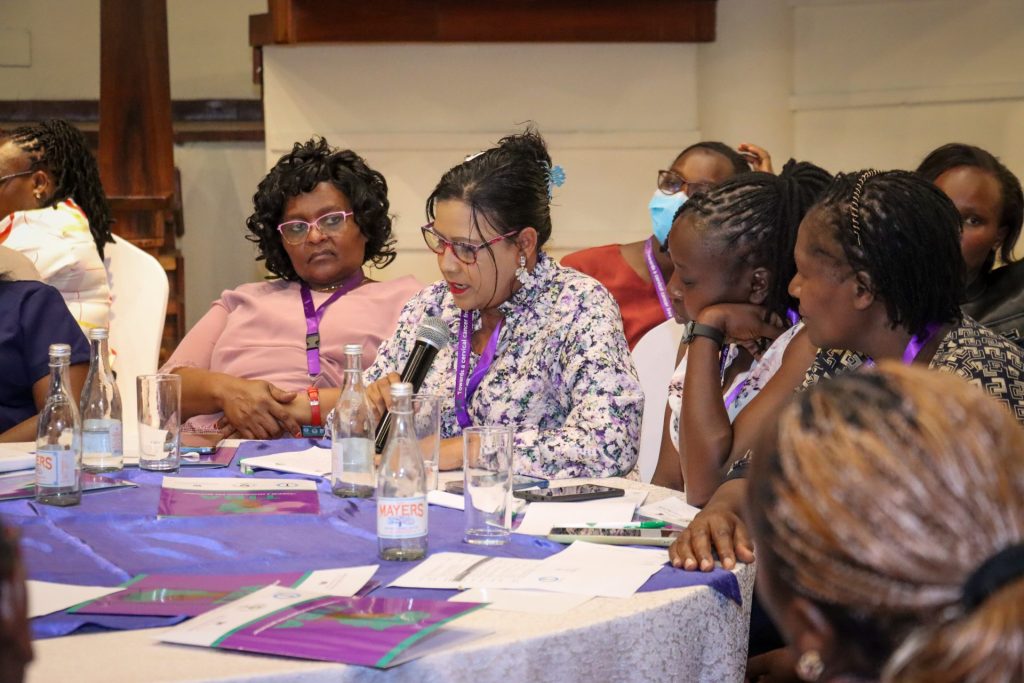
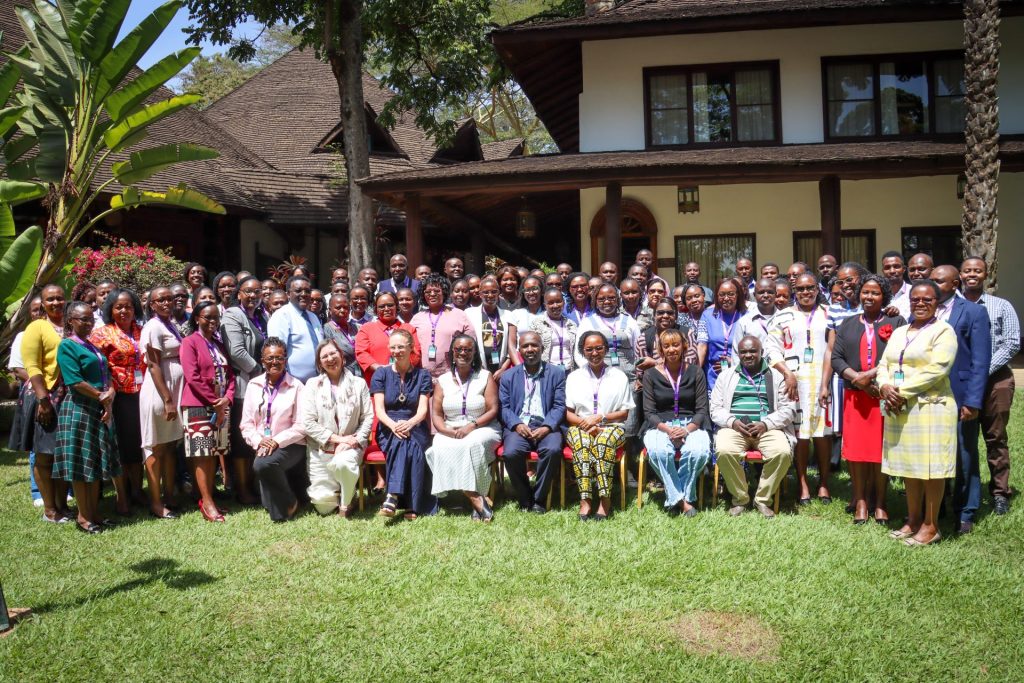
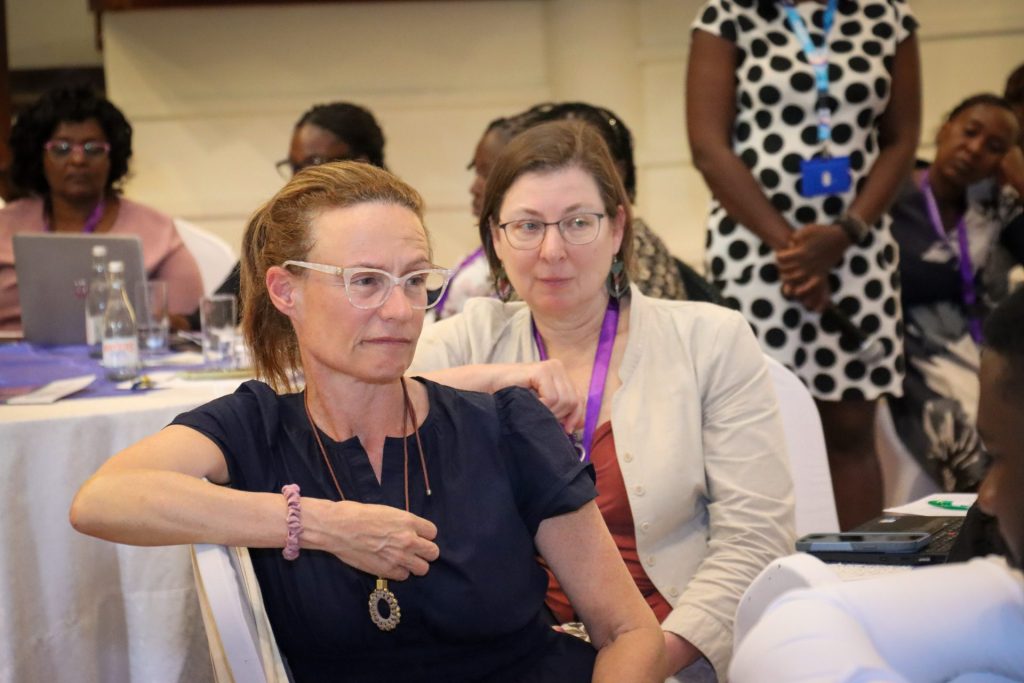
Stakeholders involved in the TIBA Study convened for a day long dissemination workshop aimed at translating research into action. The forum brought together researchers, policymakers, county health leadership, and frontline health workers from Kiambu, Embu, and Murang’a counties to interrogate study findings and chart practical, context-responsive actions to strengthen cervical cancer prevention services in Kenya.
Discussions centered on closing critical gaps across the cervical cancer care continuum from screening and referral to treatment and follow-up while exploring how evidence from the TIBA Study can be integrated into policy, planning, and programme implementation to improve outcomes for women.
The TIBA Study is a collaborative initiative led by the Kenya Medical Research Institute (KEMRI) in partnership with the University of Washington and other academic and health sector partners. The study applies implementation science to assess the feasibility, scale-up, and sustainability of a World Health Organization (WHO) recommended single visit screen-and-treat approach using thermal ablation for cervical cancer prevention services in Kenya
Implemented across ten reproductive health facilities in Kiambu, Embu, and Murang’a counties, the study evaluated how integrating screening and treatment into a single clinic visit can reduce loss to follow-up and improve treatment uptake among women who screen positive for pre-cancerous cervical lesions. Using the RE-AIM framework, the research examined reach, effectiveness, adoption, implementation, and maintenance, while also assessing provider performance, HPV clearance outcomes, and the cost and budget implications of scaling up thermal ablation compared to cryotherapy.


The study responds to a pressing public health challenge. Cervical cancer remains one of the most preventable yet deadly cancers affecting women globally. In Kenya, it is the second most common cancer among women and the leading cause of cancer-related deaths, contributing to approximately 12 per cent of all cancer diagnoses and an estimated 3,200 deaths annually. This burden persists despite the availability of effective screening tools, lowcost treatment options, and a highly effective vaccine, largely due to gaps in implementation and access to timely care.
Although Kenya has operated a national cervical cancer screening programme for more than a decade, screening coverage remains at about 48 per cent, below the WHO target of 70 per cent. More critically, only around 30 per cent of women who screen positive access treatment, far short of the global elimination target of 90 per cent. Multiple clinic visits, weak referral systems, and health system constraints continue to limit effective delivery of services, particularly at the primary healthcare level.
The findings from the TIBA Study come at a critical moment for Kenya’s cervical cancer response, following the Ministry of Health’s launch of the National Cervical Cancer Elimination Action Plan. The plan provides a long-term framework for eliminating cervical cancer through strengthened prevention, screening, treatment, and care, creating an opportunity for evidence generated through implementation research to directly inform national and county-level response.

Speaking on the importance of evidence-informed implementation, Head of the National Cancer Control Programme at the Ministry of Health (MoH), Dr. J.P. BorMalenya, said the Action Plan underscores the need to translate policy commitments into services that reach women where they are. “Eliminating cervical cancer is achievable with the tools we already have, but success depends on how effectively we implement them. Research such as the TIBA Study provides critical insights on what works in real-world settings and helps us strengthen systems to ensure women who screen positive receive timely, life-saving treatment,” she said.
Representing the Ag. Director of Research Development, Dr. Samoel Khamadi emphasized the importance of translating research evidence into policy and practice. He noted that the TIBA study reflects KEMRI’s commitment to generating actionable evidence that responds to national priorities. “Our role goes beyond producing data. We are focused on ensuring that research findings inform policy, guide implementation, and strengthen service delivery within real-world health system settings,” he said, adding that lessons from the study provide critical insights on feasibility, health system readiness, and sustainability as Kenya scales up cervical cancer prevention services.
By promoting a single-visit screen-and-treat model, the TIBA Study aims to address these systemic barriers. Thermal ablation, the treatment method used in the study, is a safe, affordable, and effective option for managing pre-cancerous cervical lesions and is well suited to low resource settings. Evidence from the study indicates comparable cure rates to other treatment modalities, with disease clearance observed six months after treatment, including among women living with HIV.

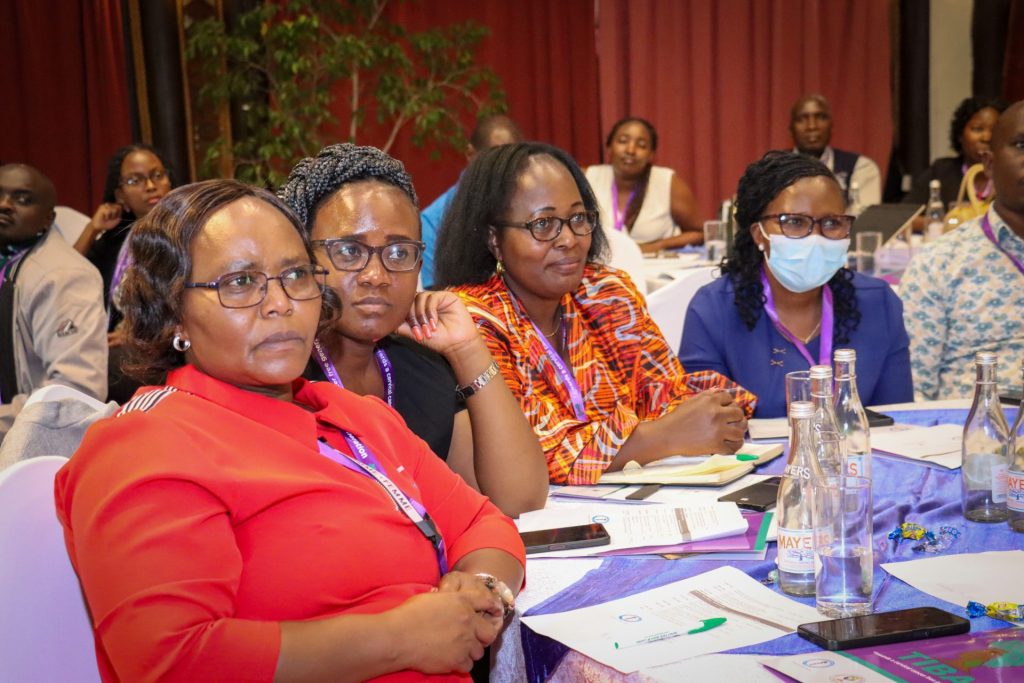
The dissemination workshop underscored the importance of sustained stakeholder engagement in translating research into action. Participants emphasized the need for strong collaboration between national and county governments, health facilities, researchers, and partners to ensure that evidence generated through research informs policy decisions and strengthens service delivery. Insights from the study are expected to contribute to Kenya’s National Cervical Cancer Elimination Action Plan and support the country’s progress towards meeting the WHO 90–70–90 elimination targets.
The Principal Investigator (PI) of the TIBA Study, Prof. Nelly Mugo, said the findings offer an opportunity to accelerate progress towards elimination. “We hope that this information will help us move the needle to ensure prevention and elimination. Elimination is a commitment we must make to safeguard our women and girls from this preventable disease,” she said.
As Kenya intensifies efforts to eliminate cervical cancer, the TIBA study demonstrates how evidence, implementation science, and inclusive stakeholder engagement can work together to strengthen health systems and save lives. With coordinated action and sustained investment, cervical cancer need not remain a leading cause of death among Kenyan women.