KEMRI Hosts Regional Workshop on Evidence-Informed Decision-Making.
April 23, 2026
BUILDING THE FUTURE: KEMRI’s Benchmarking Visit to the Republic of Korea
May 7, 2026Cholera Consortium Workshop Highlights KEMRI’s Capacity for Health Response
By Gideon Kirui
Kenya is stepping up its scientific response to one of Africa’s most persistent public health threats, as the Institute signals renewed confidence in its capacity to tackle cholera through cutting-edge research, surveillance, and coordinated response systems.
Speaking during the close of a high-level continental training on advanced cholera genomics, Acting Director General Prof. Elijah Songok underscored the Institute’s strategic role in bridging science, public health action by leveraging laboratory science, genomic sequencing, and field epidemiology to inform timely interventions against the waterborne disease.
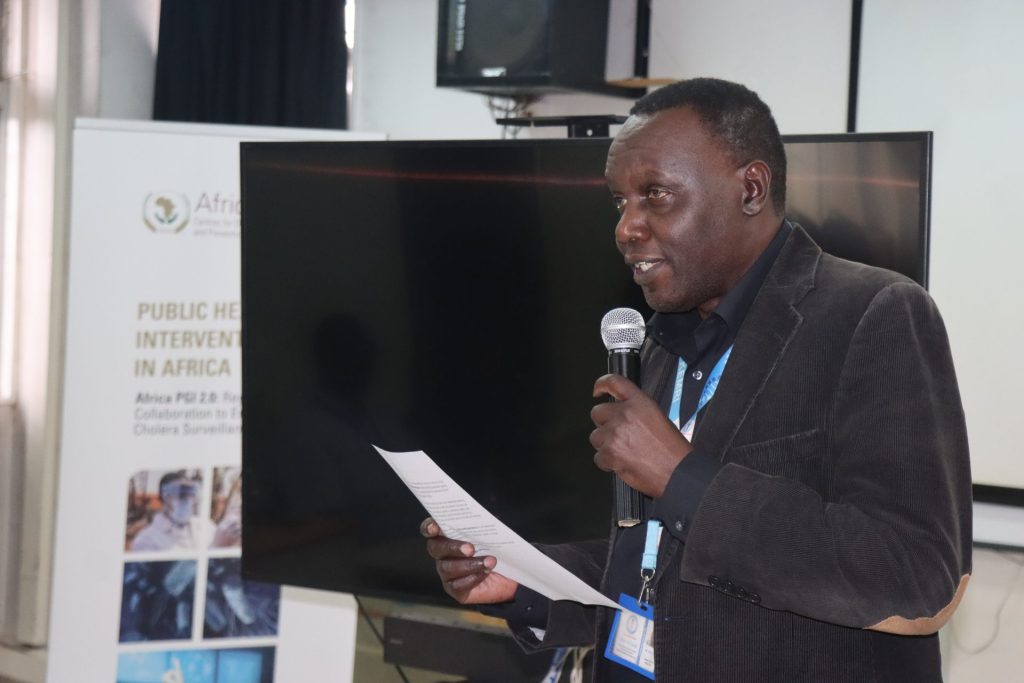
Prof. Songok’s speech was delivered on his behalf by Acting Deputy Director of the Centre for Biotechnology Research and Development (CBRD) Dr. Erick Lelo who highlighted KEMRI’s strong structure, robust infrastructure, and skilled personnel that are key drivers of positive change not only in Kenya, but regionally.
KEMRI boasts the CBRD facility, which houses a sequencing laboratory and key genomic platforms, as well as other state-of-the-art infrastructure that positions the Institute as a critical hub for advanced research. Prof. Songok also noted that the Infectious and Parasitic Diseases Research Programme is one of the Institute’s key programmes and that cholera research activities, housed at the Centre for Microbiology Research (CMR), follow an end-to-end approach—from patient care, through laboratory analysis, to genomics and bioinformatics— ensuring that research findings are translated into actionable public health interventions.
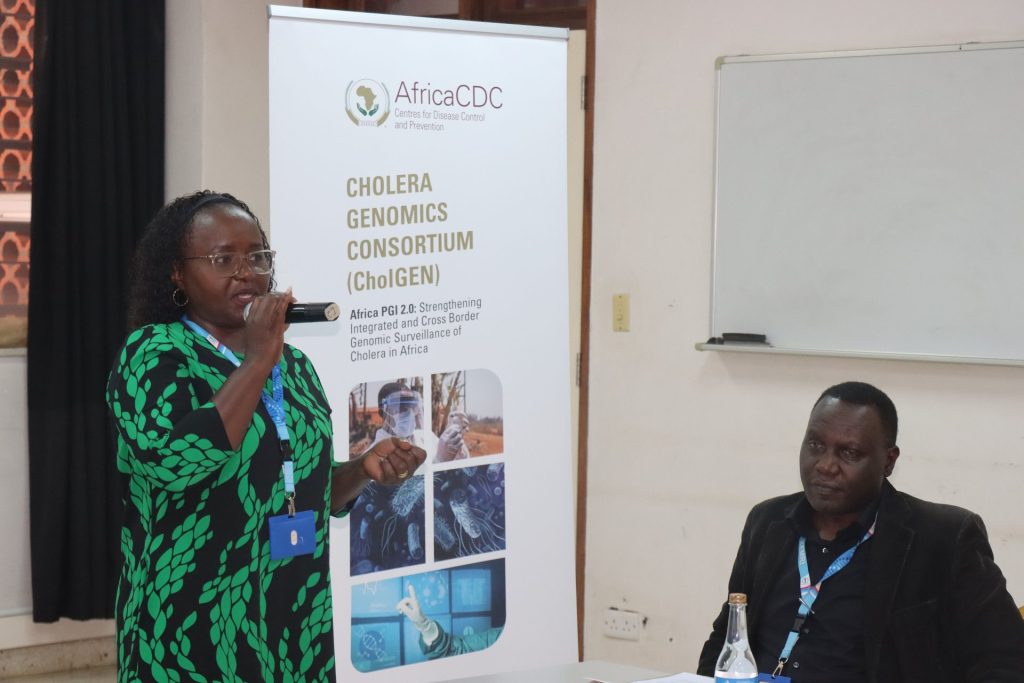
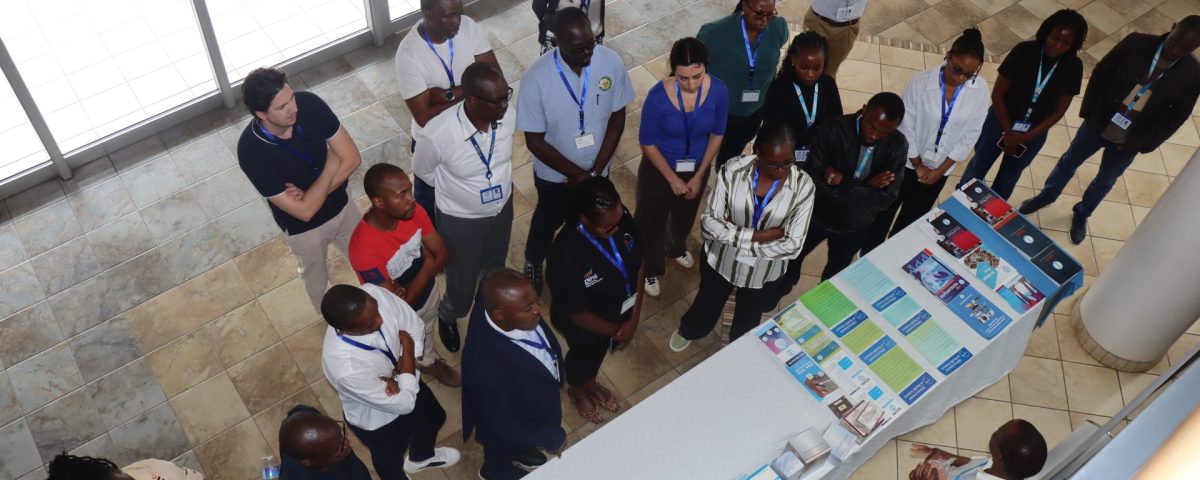
While conveying KEMRI’s pride and gratitude in being selected by Africa Centres for Disease Control and Prevention (Africa CDC) as the host institution for the five-day workshop held between 8th to 14th April 2026 at the Institute’s Headquarters, Prof. Songok emphasized the importance of partnerships: “We are passionate about collaborations. Partnerships with organizations such as Africa CDC are critical for strengthening health systems and research capacities across the continent,” he said.
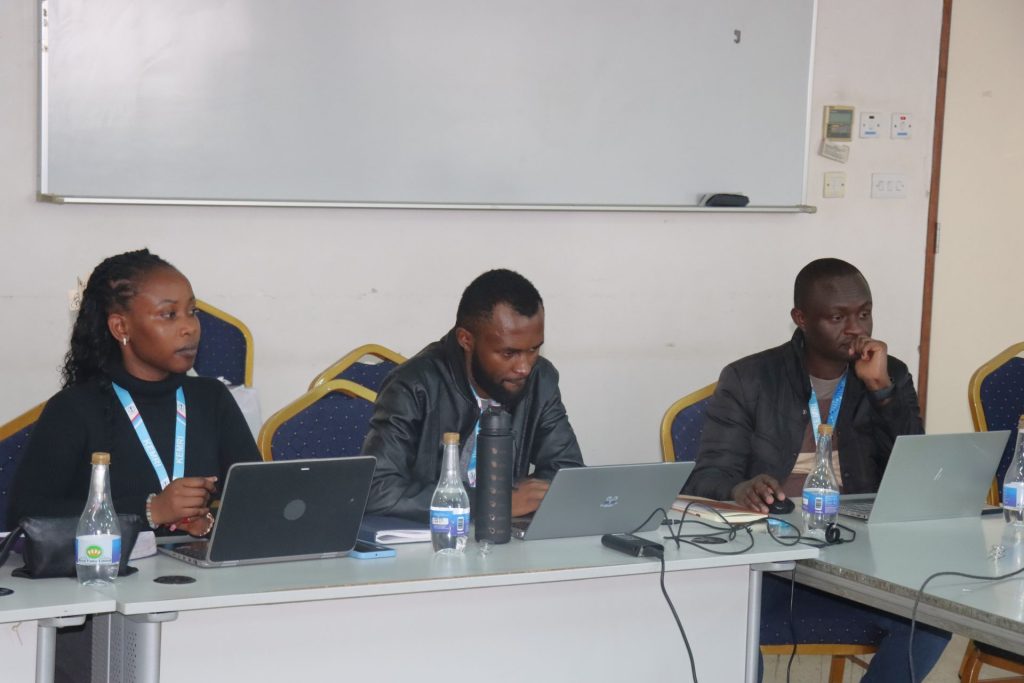
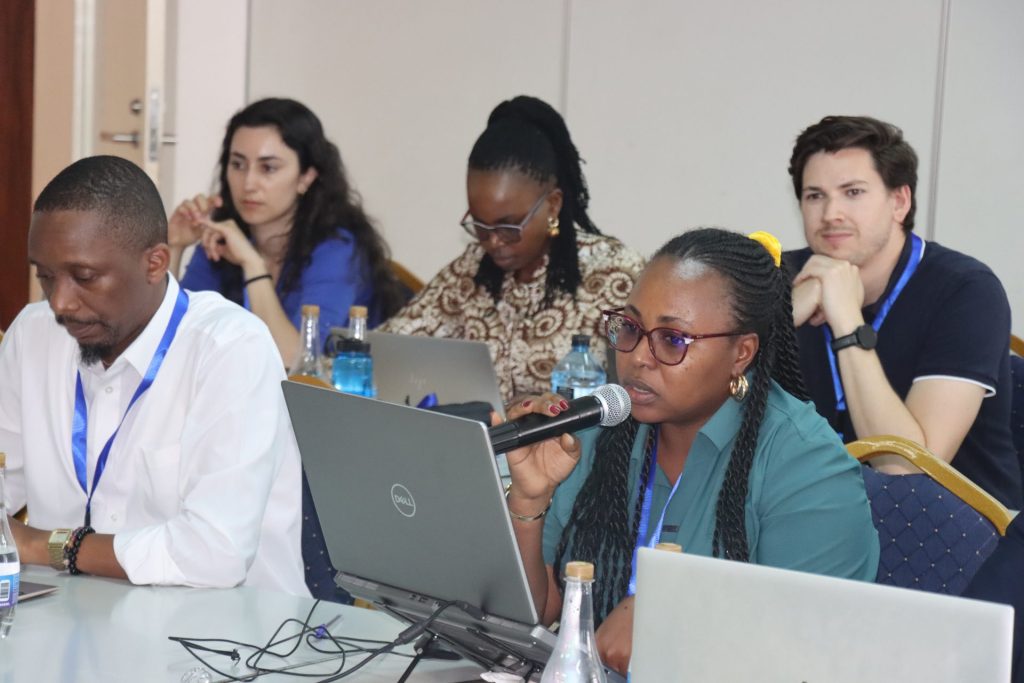
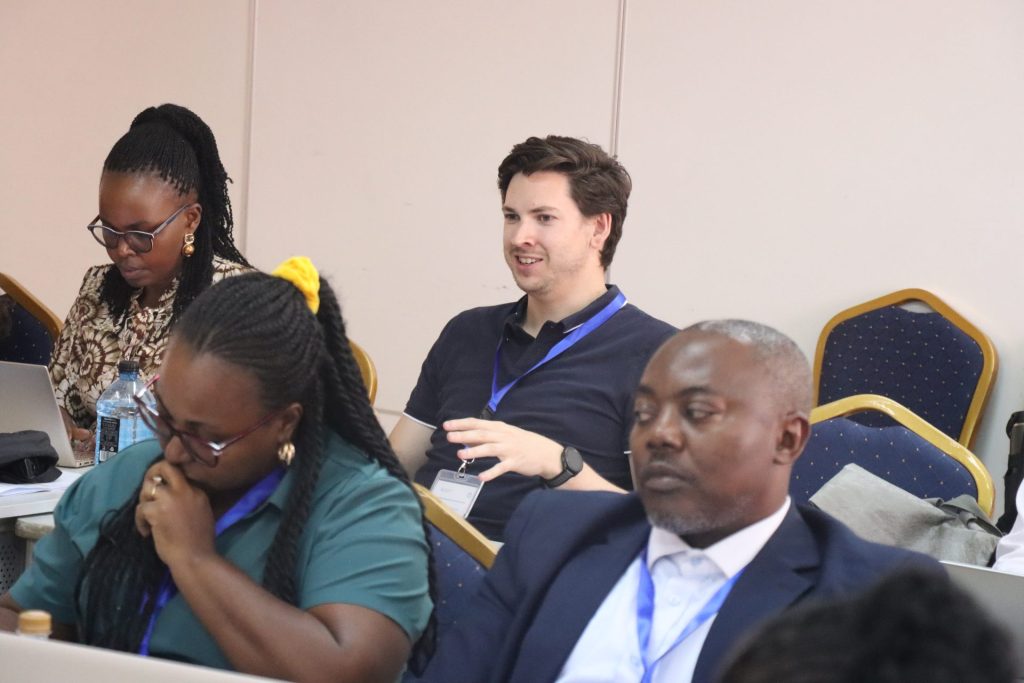
He further commended Africa CDC’s deliberate efforts to train and nurture a critical mass of African bioinformaticians, building sustainable capacity within the Global South. Dubbed ‘CholGEN Sampling & Advanced Genomics Workshop’, the event brought together participants from the Democratic Republic of Congo (DRC), Mozambique, Zambia, Nigeria, Cameroon, Malawi, Uganda, and Kenya as the host.
“This training has been both intellectually and practically valuable. We trust that the skills and networks you have built here will empower you to advance genomic surveillance, research, and response efforts in your respective countries,” he added.
According to Africa CDC, since early 2025, approximately 73,806 cholera cases and 490 deaths have been reported across 22 African Union Member States. In recent years, many of these countries have experienced prolonged and severe outbreaks, underscoring cholera’s continued threat as a major public health challenge. In response, Member States and governments have advocated for stronger preparedness, greater financial support, climate-resilient interventions, and improved surveillance systems for early detection, all geared toward the control and eventual elimination of cholera in Africa.
Since 2023, Africa CDC—through the Africa Pathogen Genomics Initiative (Africa PGI)—has partnered with seven highly affected countries: Nigeria, Cameroon, DRC, Uganda, Zambia, Malawi, and Mozambique. The initiative also involves the African Public Health Foundation, researchers from Johns Hopkins University and Harvard Medical School, and the Gates Foundation. Driven by the need to strengthen local capacity and leverage advanced tools such as genomic sequencing to better track cholera transmission and evolution across the continent, they came together to establish the Cholera Genomic Consortium in Africa (CholGEN).
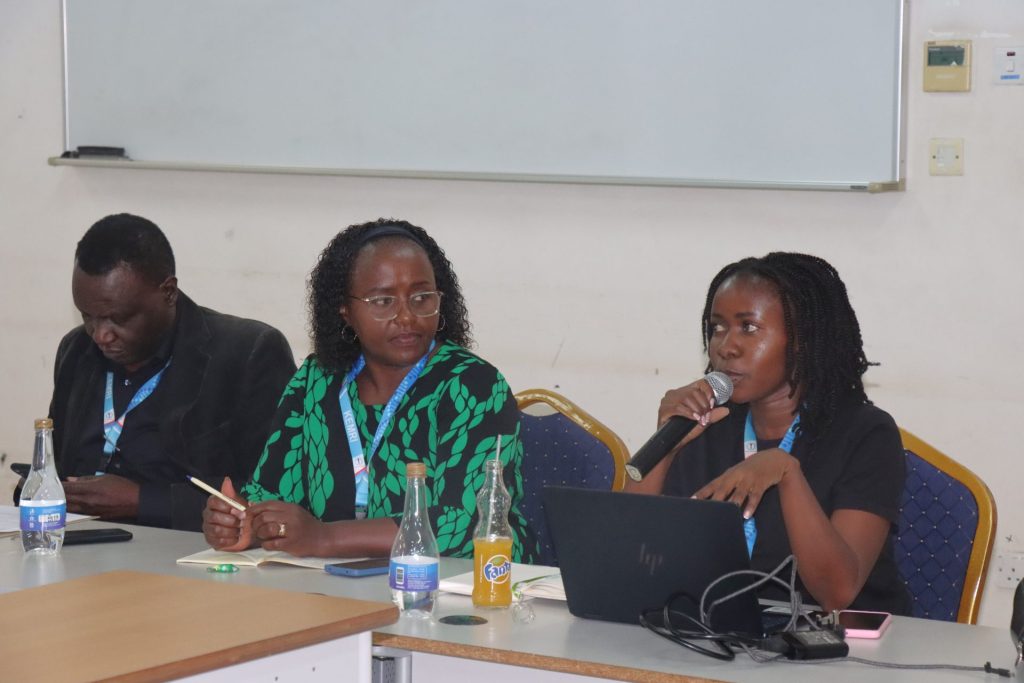
Acting Deputy Director CMR and one of the workshop’s facilitators, Dr. Cecilia Mbae, described the sessions as vibrant and impactful. She expressed KEMRI’s enthusiasm in hosting the workshop, stating, “We are happy to be part of this, and we hope this is the beginning of many more.” Dr. Mbae further echoed the Institute’s openness to partnerships, not only in cholera research but also in the study of other enteric pathogens, reaffirming KEMRI’s diverse strengths.
On his part, Programme Lead and Principal Technical Officer at Africa CDC’s Africa Pathogen Genomics Initiative, Dr. Collins Tanui, commended KEMRI for hosting the training and for the exceptional hospitality it demonstrated throughout the event. “Having eight countries come together to learn at KEMRI is highly significant, particularly for Kenya and the Institute,” he said.
Dr. Tanui also acknowledged the contributions of facilitators and organizers, including Dr. Shirlee Wohl and Dr. Nate Matteson, both from Brigham and Women’s Hospital, as well as KEMRI’s Prof. Samuel Kariuki. He noted that 2026 marks the fourth year of the CholGen initiative and praised ongoing efforts to build sustainable capacity across the continent.
For the first time, Dr. Tanui observed, the CholGen programme has locally generated over 3,000 genomic sequences, marking a significant milestone. He highlighted plans to expand the initiative to other priority pathogens across Africa. As the CholGen project approaches its conclusion at the end of 2026, he urged participants to apply the skills gained during the training to strengthen surveillance and response systems in their respective countries.