
KEMRI Leads Cancer Surveillance Through Regional Registrar Capacity Building
April 23, 2026
Cholera Consortium Workshop Highlights KEMRI’s Capacity for Health Response
April 23, 2026KEMRI Hosts Regional Workshop on Evidence-Informed Decision-Making.
By Stella Njung’e
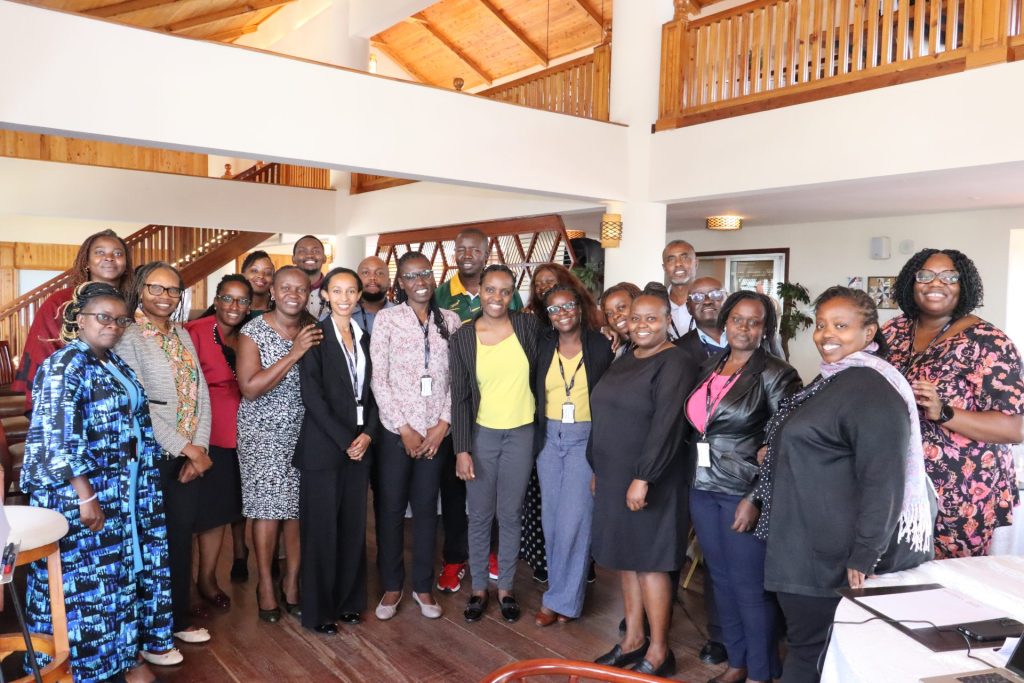
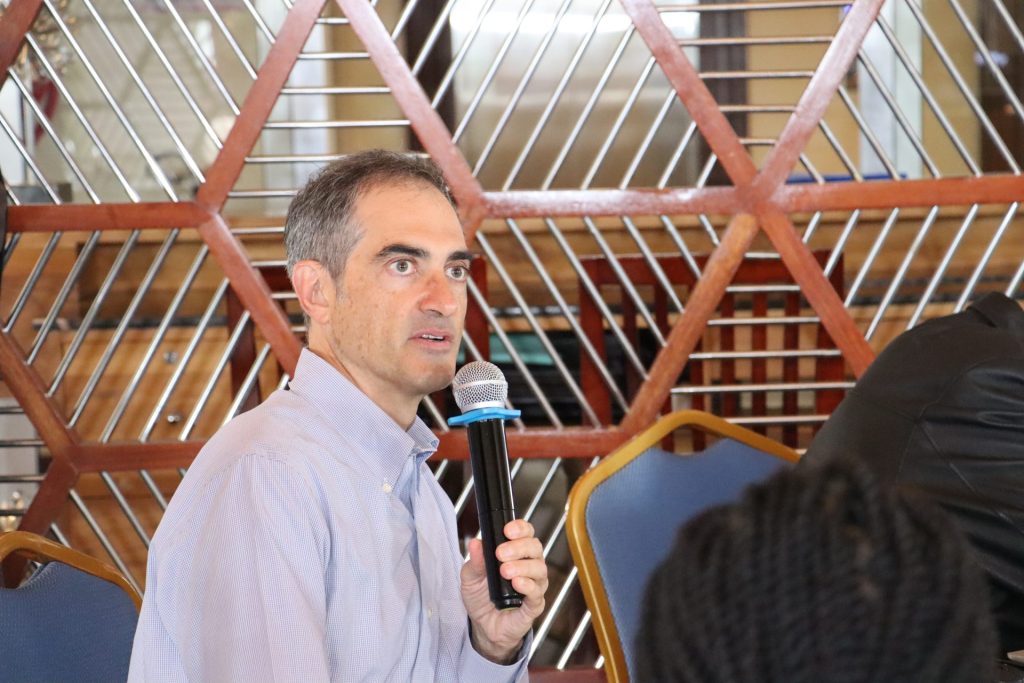
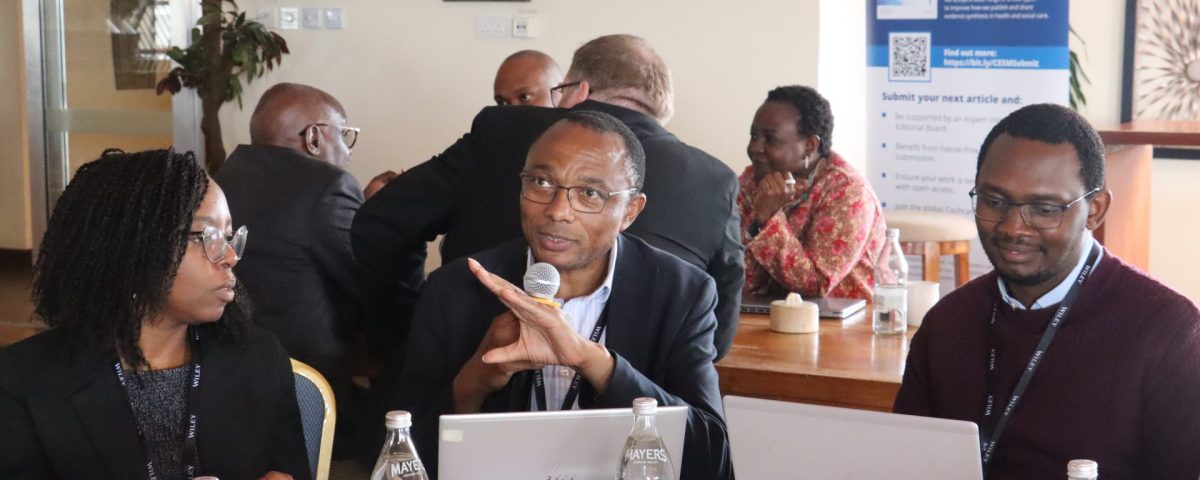
Stakeholders in the East Africa Evidence-Informed Decision-Making (EIDM) ecosystem met for a two-day workshop aimed at strengthening collaboration, aligning regional efforts, and advancing the use of evidence in policy and practice.
Convened by the Kenya Medical Research Institute (KEMRI) through Cochrane Kenya, with support from Cochrane, the workshop sought to foster stronger institutional linkages by connecting existing efforts and unlocking new opportunities for joint collaboration.
Across East Africa, governments, research institutions, civil society, and technical partners are increasingly recognising the role of high-quality evidence in shaping effective, equitable and sustainable policies. Despite this growing recognition, evidence ecosystems in the region remain fragmented, with evidence producers and users often operating in isolation, uneven capacity and access to global evidence networks, limited investment in evidence synthesis and knowledge translation, and missed opportunities for collaboration across borders and institutions. At a time when the region continues to face complex public health, social, economic and environmental challenges, a coordinated and regionally aligned approach has become increasingly essential.
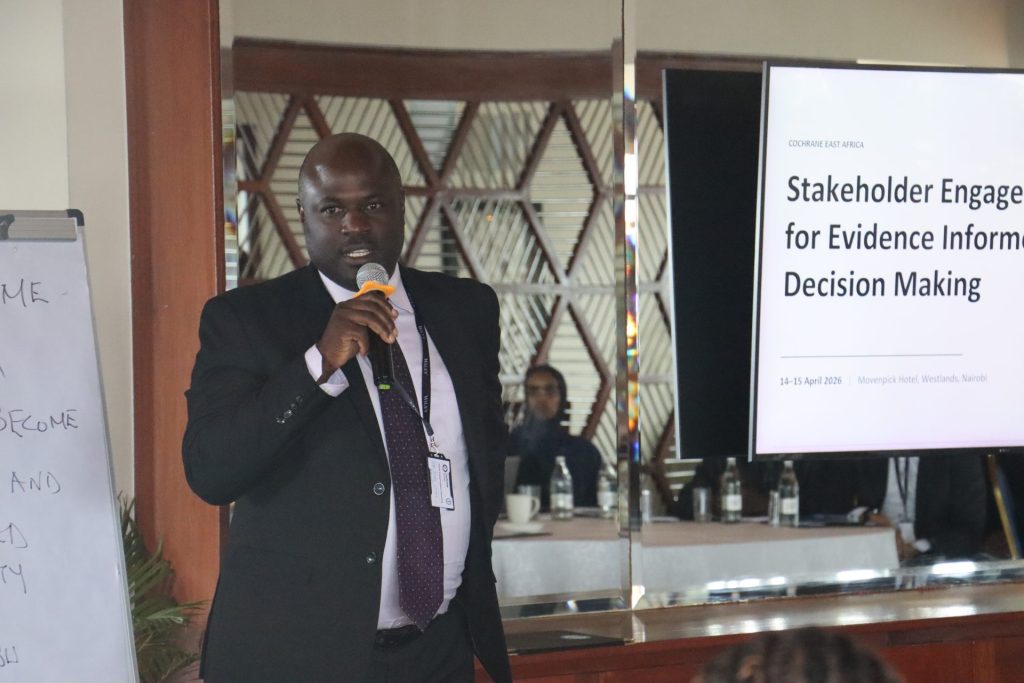
In his official opening remarks, the Ag. Director General, Prof. Elijah Songok, represented by the Director Corporate Services, Mr. Jones Otuke, described the meeting as both strategic and timely for the region. He noted that East Africa was at a critical point where evidence must increasingly guide policy and practice. “We are meeting at a critical moment. Across East Africa, there is increasing recognition that evidence is not a luxury, it is a necessity. It is the foundation upon which we build resilient health systems, responsive policies, and sustainable development pathways,” said Mr. Otuke.
He further observed that moving without evidence is like driving in the dark without headlights, emphasizing the need for stronger evidence systems to inform decisions across sectors.
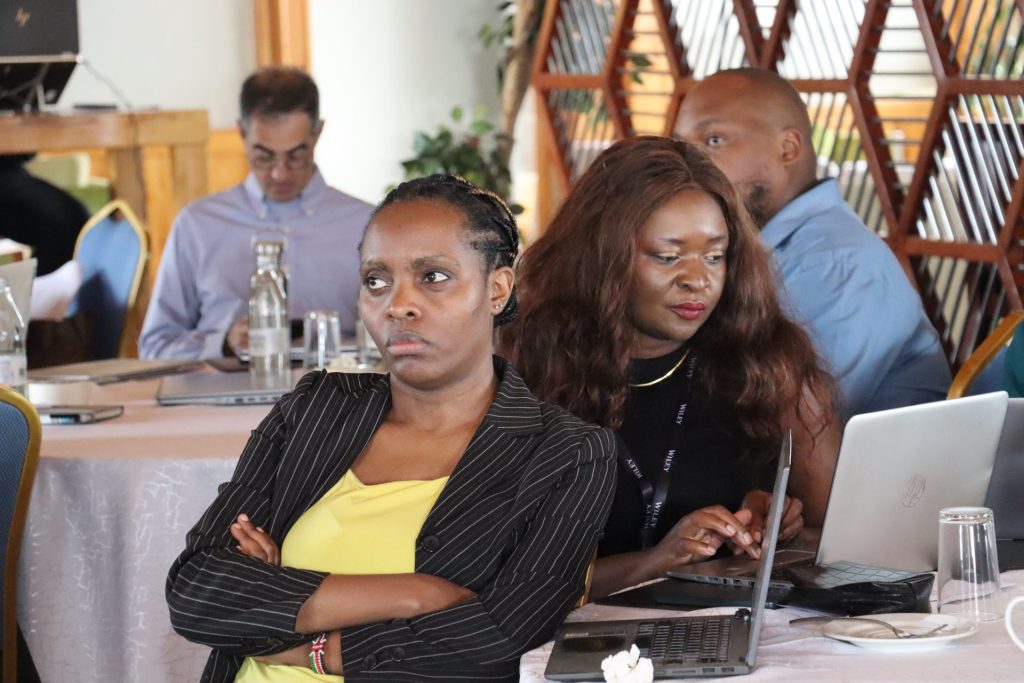
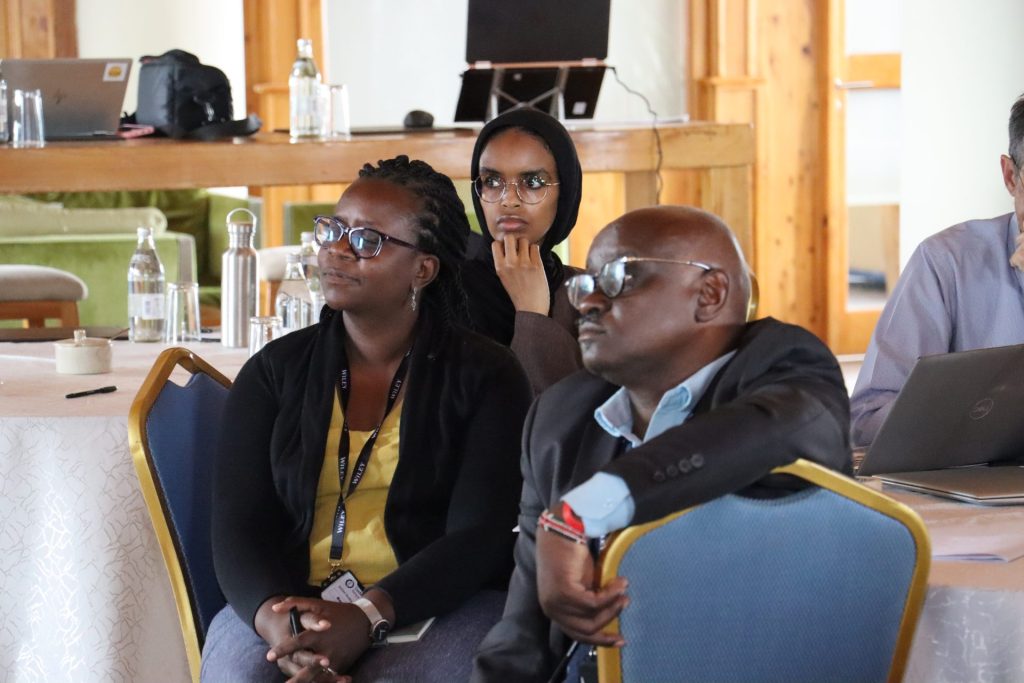
Held under the theme “Building Connections Across the Evidence Ecosystem,” the workshop brought together various institutions from across East Africa and beyond, delegates included evidence producers, intermediaries, policymakers, funders, and technical partners. The workshop provided a platform for participants to reflect on the current evidence landscape and explore how greater collaboration could strengthen decision-making systems across the region.
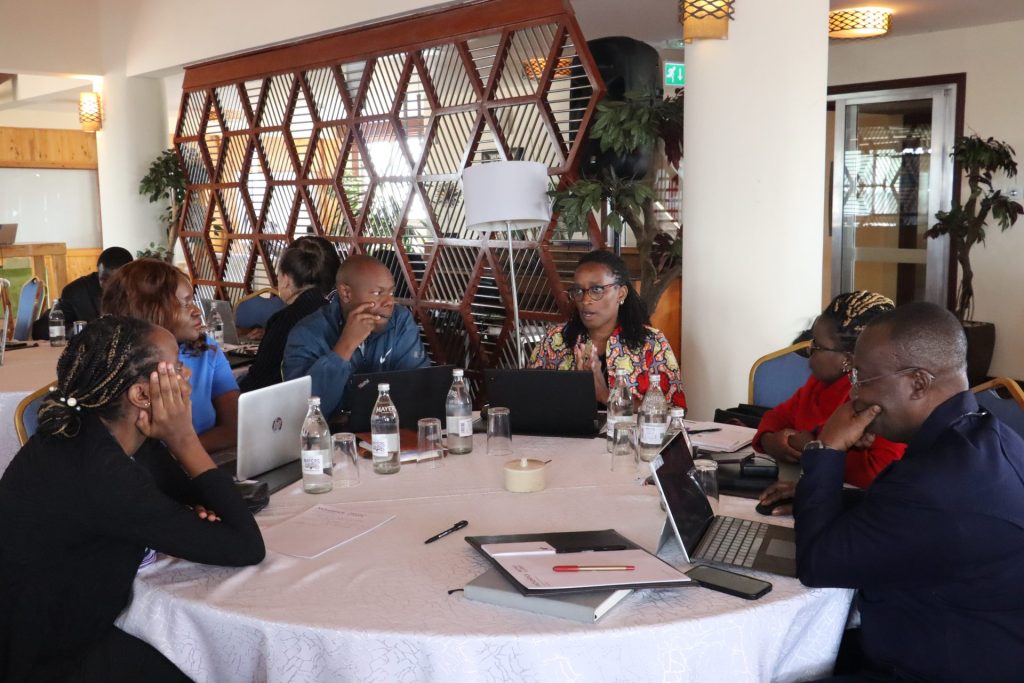
The discussions focused on building a shared understanding of the regional evidence ecosystem, identifying institutional capacities, strengths, and gaps, and recognising the role of continental and global evidence initiatives in supporting national and regional processes.
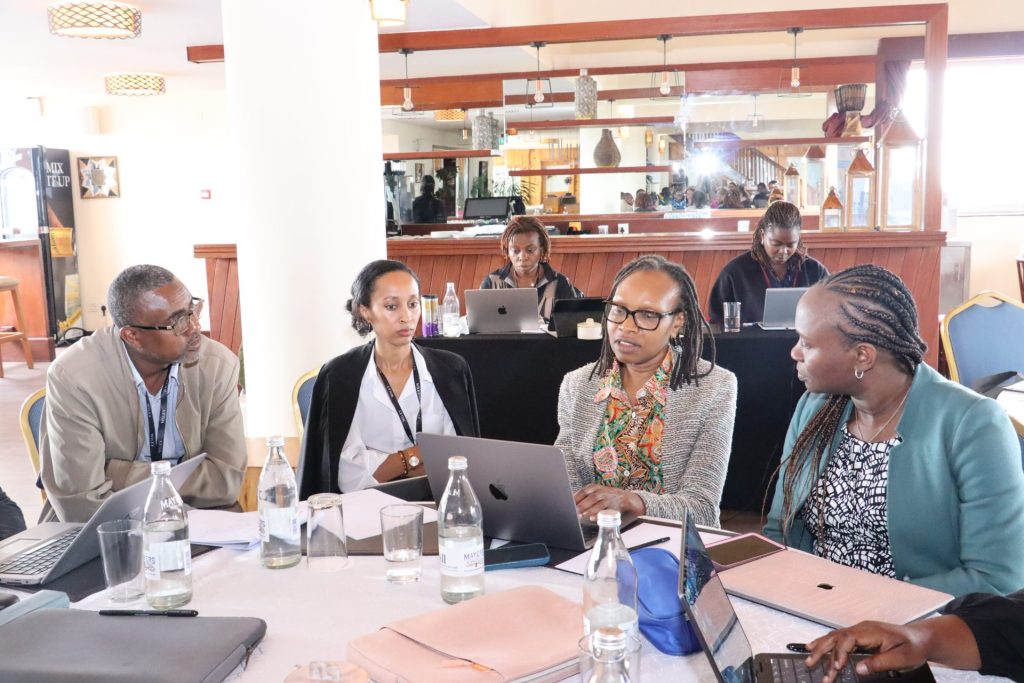
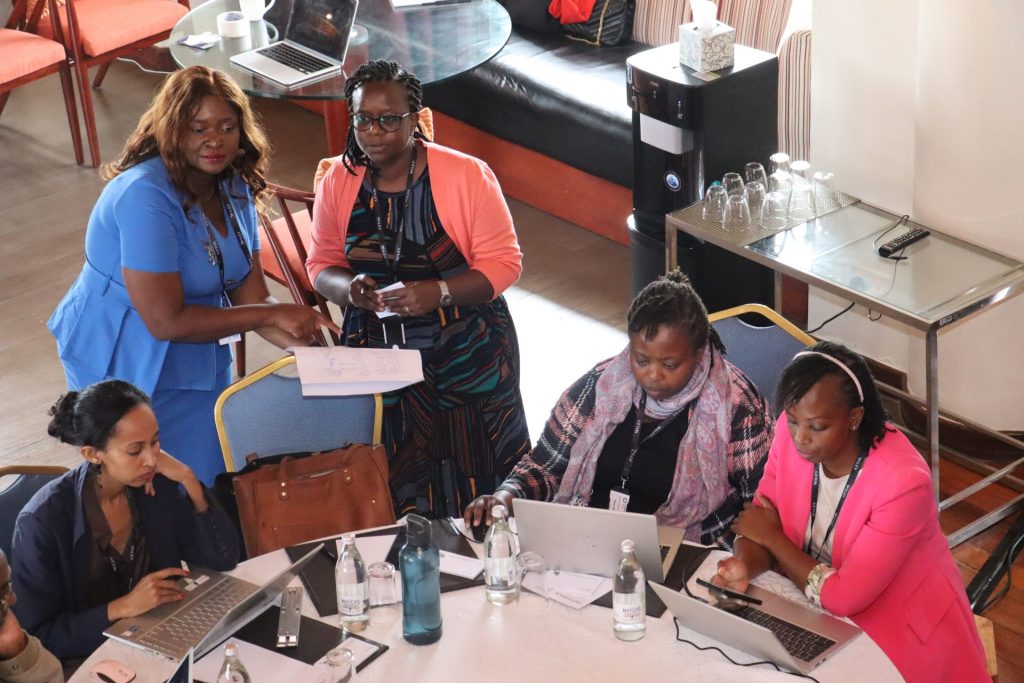
Participants also examined areas with strong potential for joint action, including research synthesis, training and capacity building, knowledge translation, and resource mobilisation. These discussions were geared towards aligning efforts across institutions and countries while shaping a common agenda for investment, partnership, and long-term sustainability.
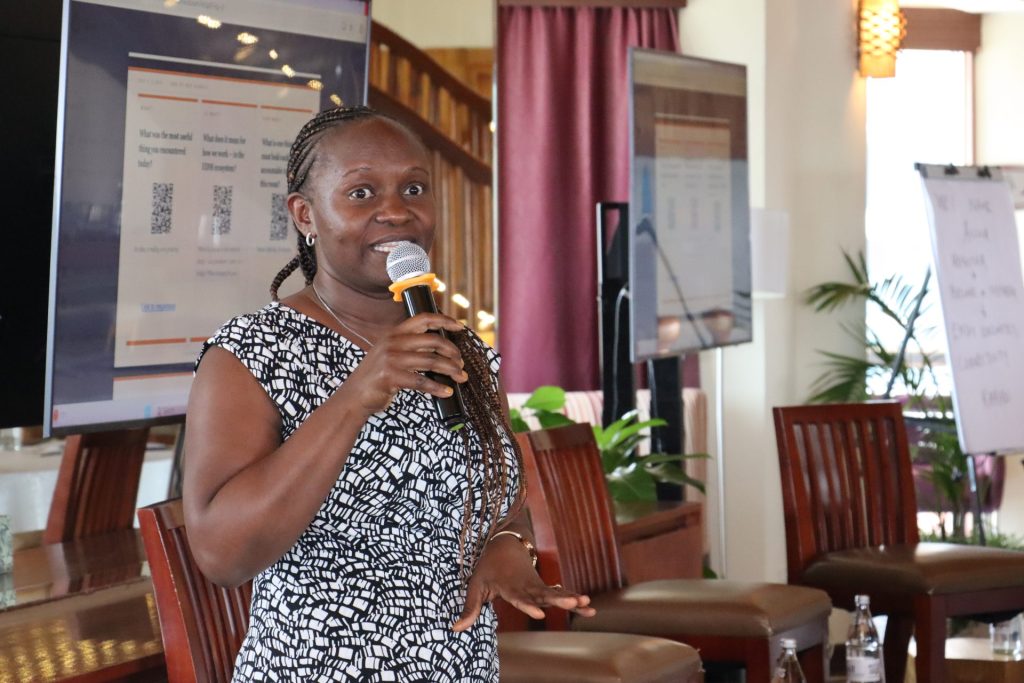
Speaking virtually, Cochrane CEO Dr. Karla Soares-Weiser said the meeting was ultimately about people and the choices that could change their lives. While acknowledging challenges within current systems and misplaced resource priorities, she pointed to new technology as an opportunity and called for greater collaboration, including in decisionmaking. She added that the meeting reflected a growing determination by Africa to take charge of its future, noting that “the future will be defined by how well we move together, and Cochrane is ready to be part of this journey.”
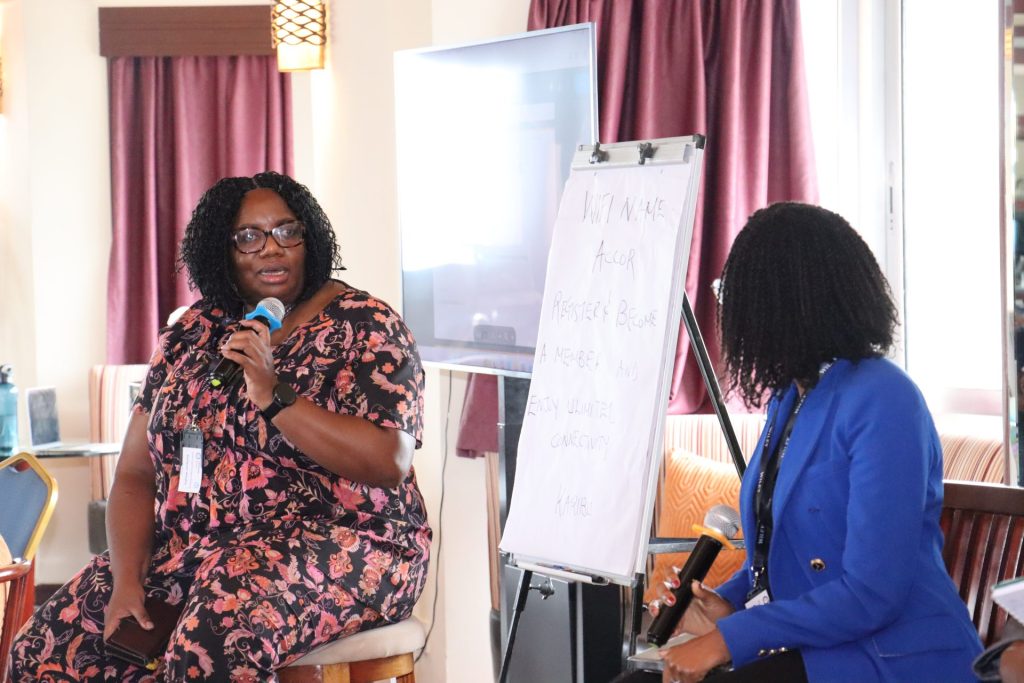
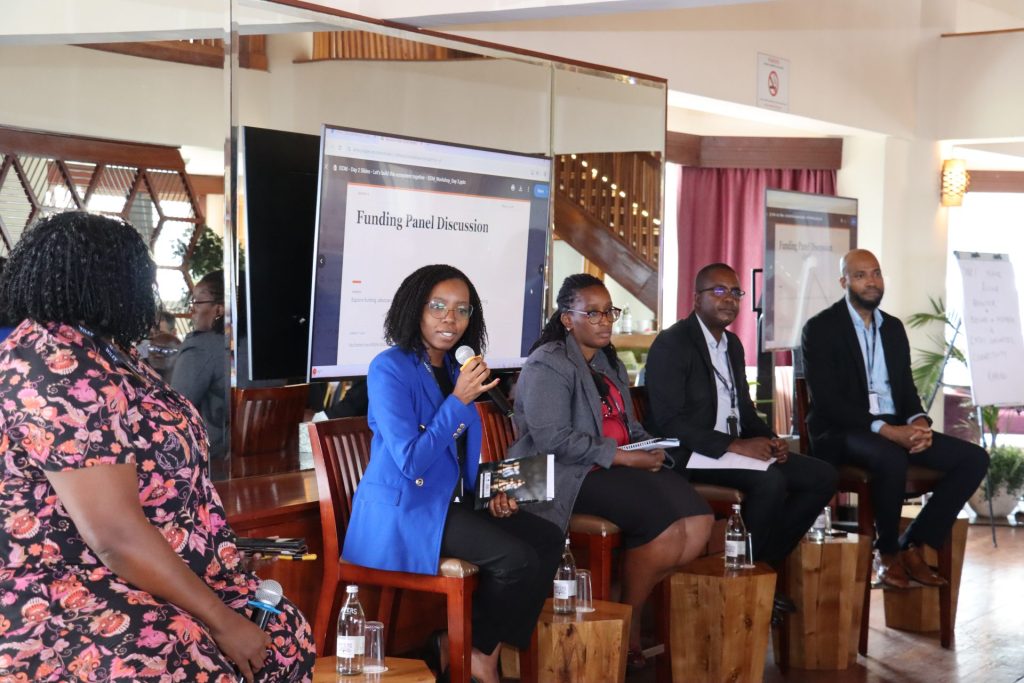
A key highlight of the workshop was a panel discussion with funding institutions on the funding landscape in relation to evidence-based studies. The discussion revealed the barriers that continue to shape financing for evidence generation and use. Panellists noted that differing donor cycles, funding classifications and proposal requirements often make joint initiatives difficult, limiting opportunities for collaboration across institutions and countries. They emphasized the need for more deliberate co-design and co-creation of proposals among donors, governments and local actors to ensure that funding priorities are better aligned with shared goals
Participants noted that locally driven models such as reverse requests for proposals are beginning to offer alternative pathways for setting priorities. The discussion also underscored the need for researchers to embrace more collaborative approaches, with initiatives such as the Science in Africa Council presented as promising examples of African-led coordination and support for research production.
The workshop ended with a unified call from participants for increased collaboration and more coordinated action towards resilient evidence systems that can support better outcomes for communities across East Africa and the Sub-Saharan region.