
KEMRI Shines & Clinches Top Awards at 2026 Mombasa Show
September 11, 2026
KEMRI-RAFIKI Holds A Workshop to Advance Drug Discovery and Development in Africa
September 16, 2026KEMRI and Partners Launch Handbook to Strengthen Suicide Prevention
By Stella Njung’e
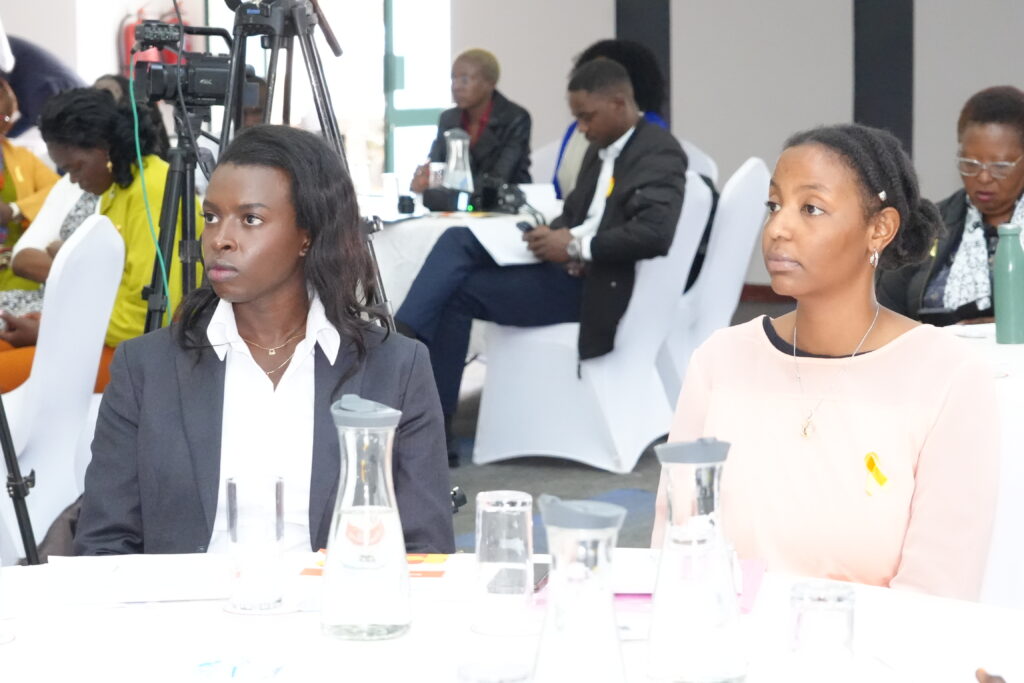
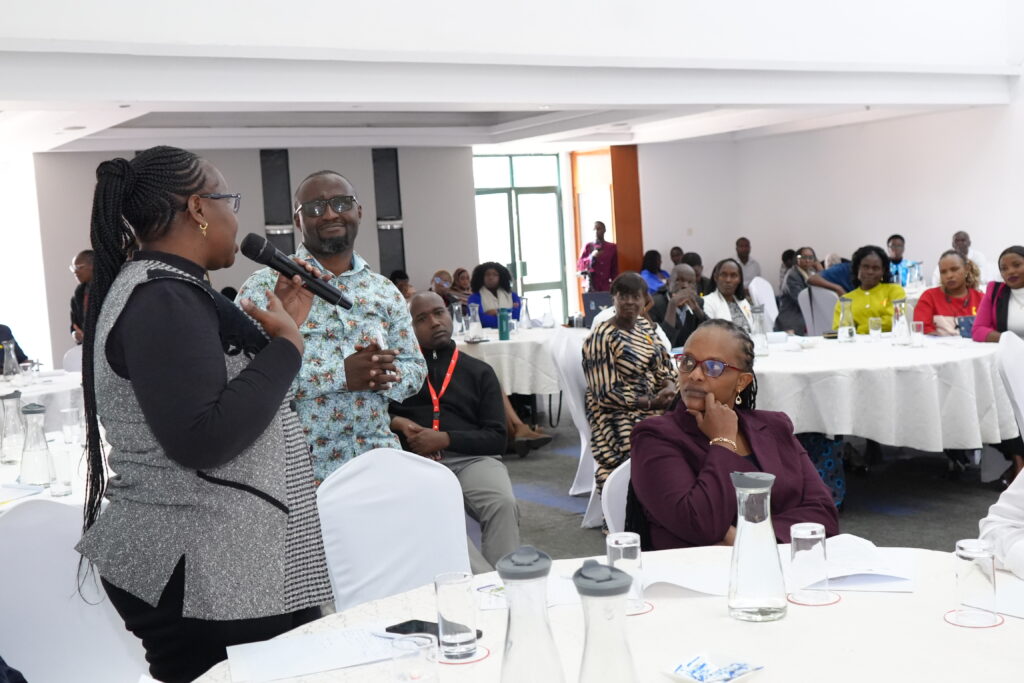
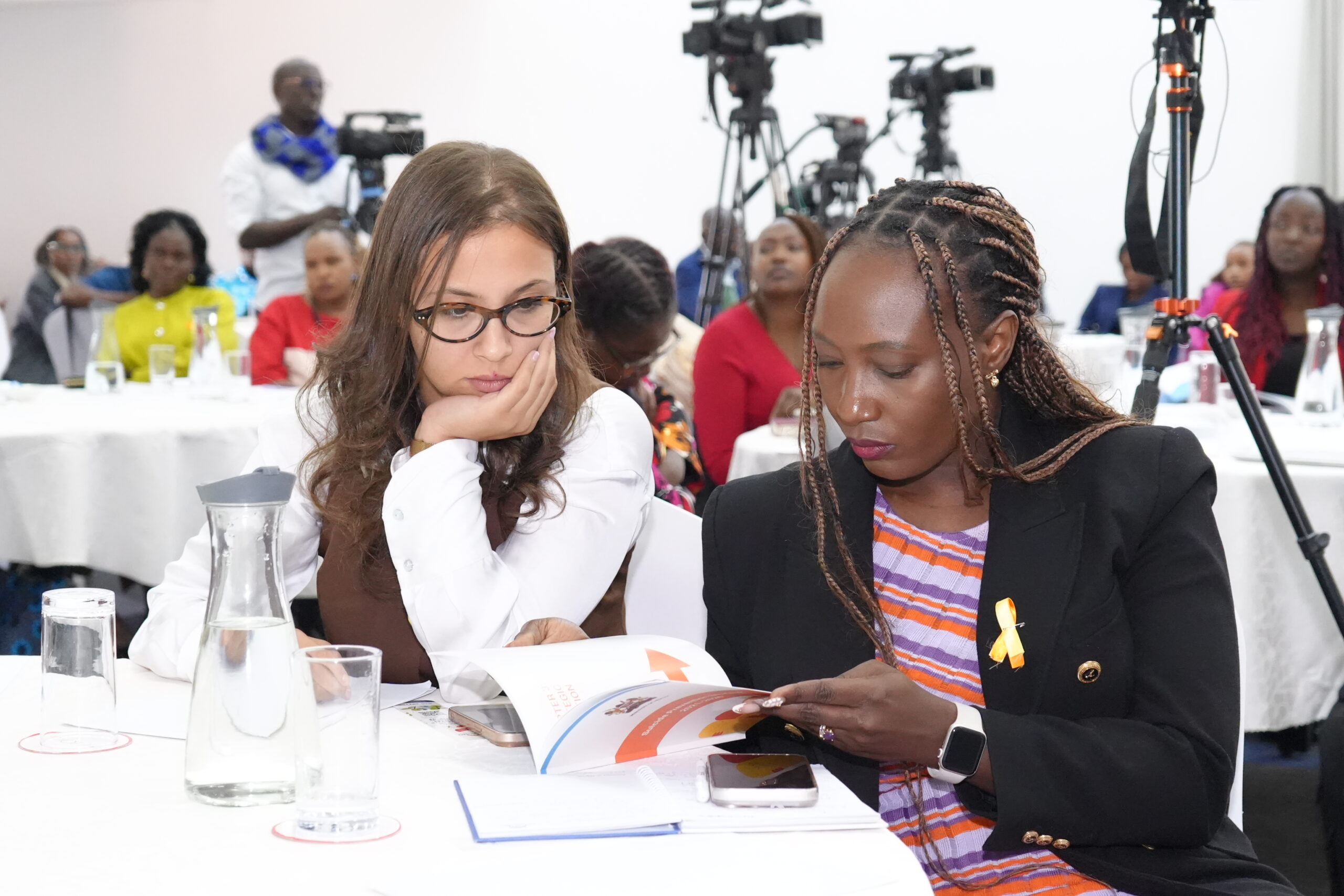
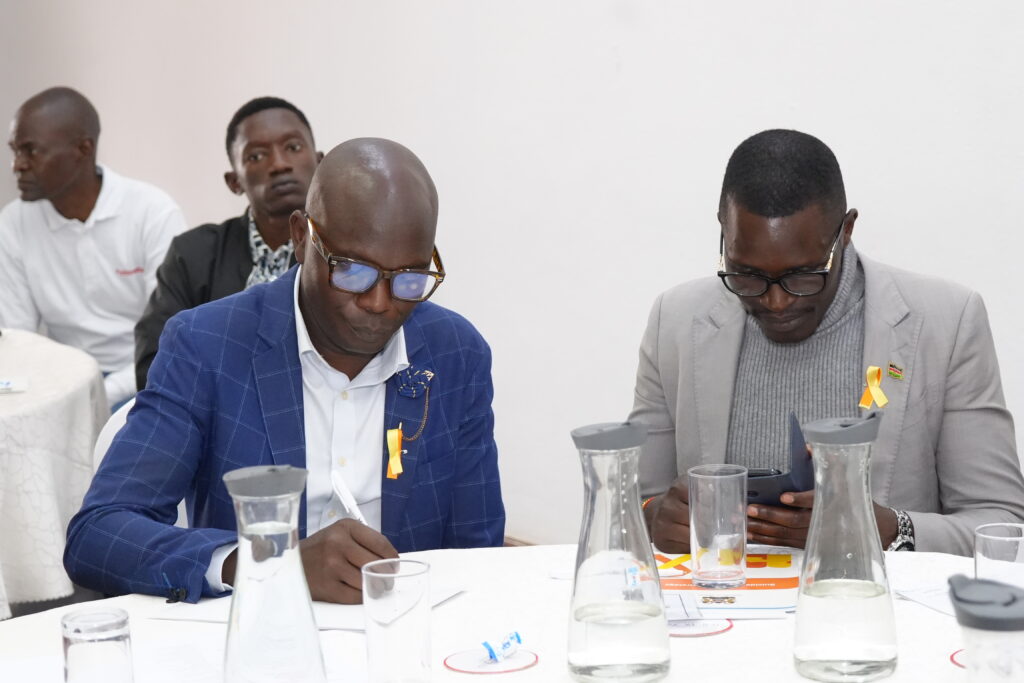
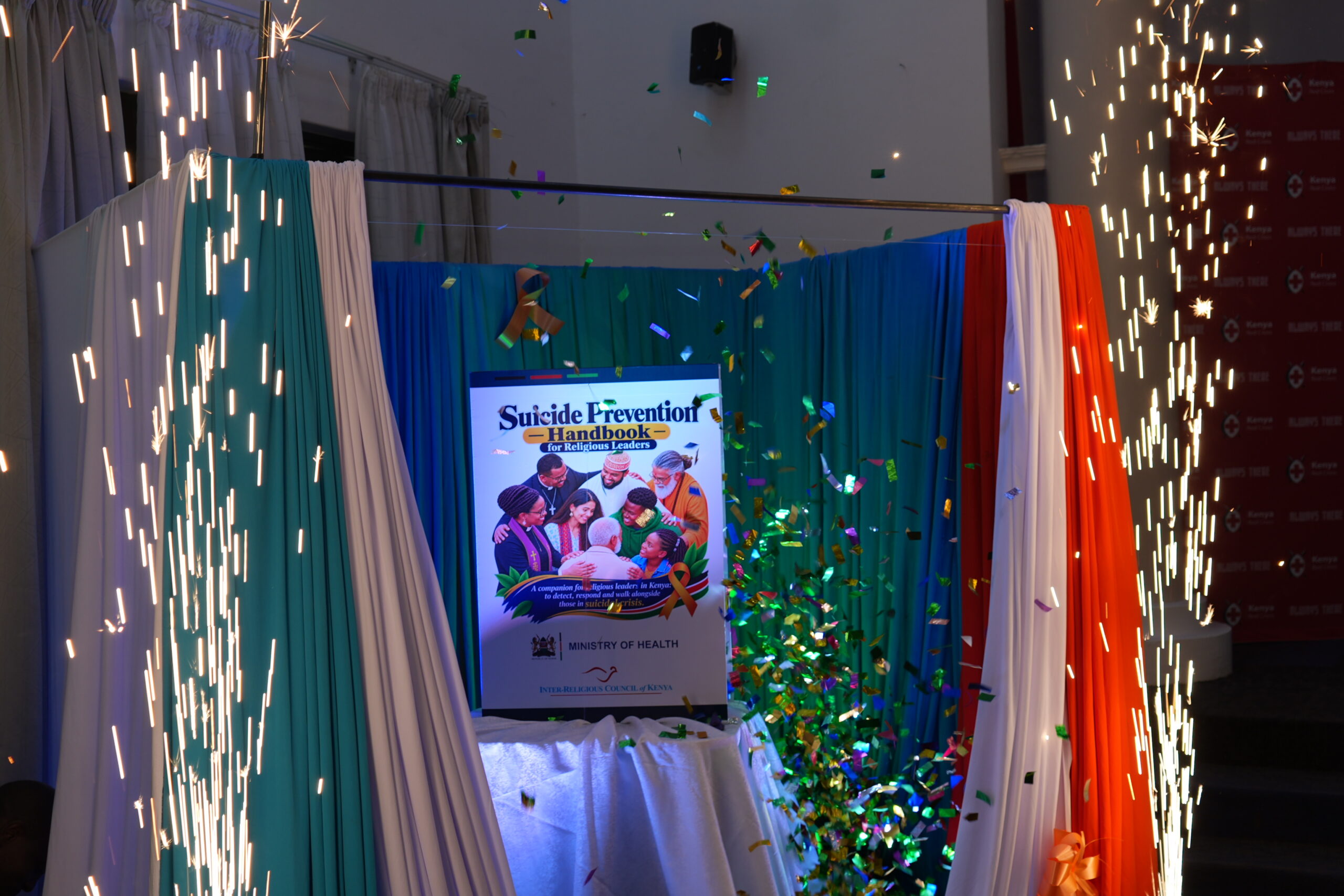
In times of distress, the first person one seeks help from is not necessarily a doctor or counsellor but maybe a pastor, imam, priest, or other religious figure, someone usually close to people’s hearts and their community. Recognising the important role religious leaders play as trusted sources of support and comfort during times of distress, KEMRI and partners launched the Handbook on Suicide Prevention for Religious Leaders on 10 September 2026, as part of the commemoration of World Suicide Prevention Day.
The release of the handbook comes against the backdrop of the increasing number of suicidal ideation thoughts and cases in countries around the world. According to the World Health Organization (WHO) estimates, in 2021 alone, 727,000 people died by suicide globally, which was one of the top causes of death among individuals aged 15-29 years, with the majority of suicides taking place in low- and middle-income countries.
This year’s theme, “Changing the Narrative on Suicide,” focuses on ending the silence and stigma associated with suicide by fostering dialogue, empathy, and collective action to address the issue. Moreover, suicide prevention requires engagement of more than the health sector. Community members, family members, religious bodies and other sectors should all take part in early identification of distress and assisting those in need.
The handbook was produced through a collaborative effort between the Kenya Medical Research Institute (KEMRI) through its Centre for Clinical Research, Mental Health Division led by Dr. Linnet Ongeri, the Ministry of Health of Kenya and the Inter-Religious Council of Kenya (IRCK), and Aga Khan University. The launch involved other stakeholders including the Kenya Red Cross Society and Befrienders Kenya.
For communities, the handbook provides a practical link between recognising when someone may be struggling and knowing how to respond. Rather than positioning religious leaders as mental health specialists, it gives them guidance to identify warning signs, offer appropriate support and connect individuals to professional care. In doing so, the handbook complements Kenya’s Suicide Prevention Strategy 2021–2026, which calls for a coordinated, multisectoral and community-based approach to suicide prevention.
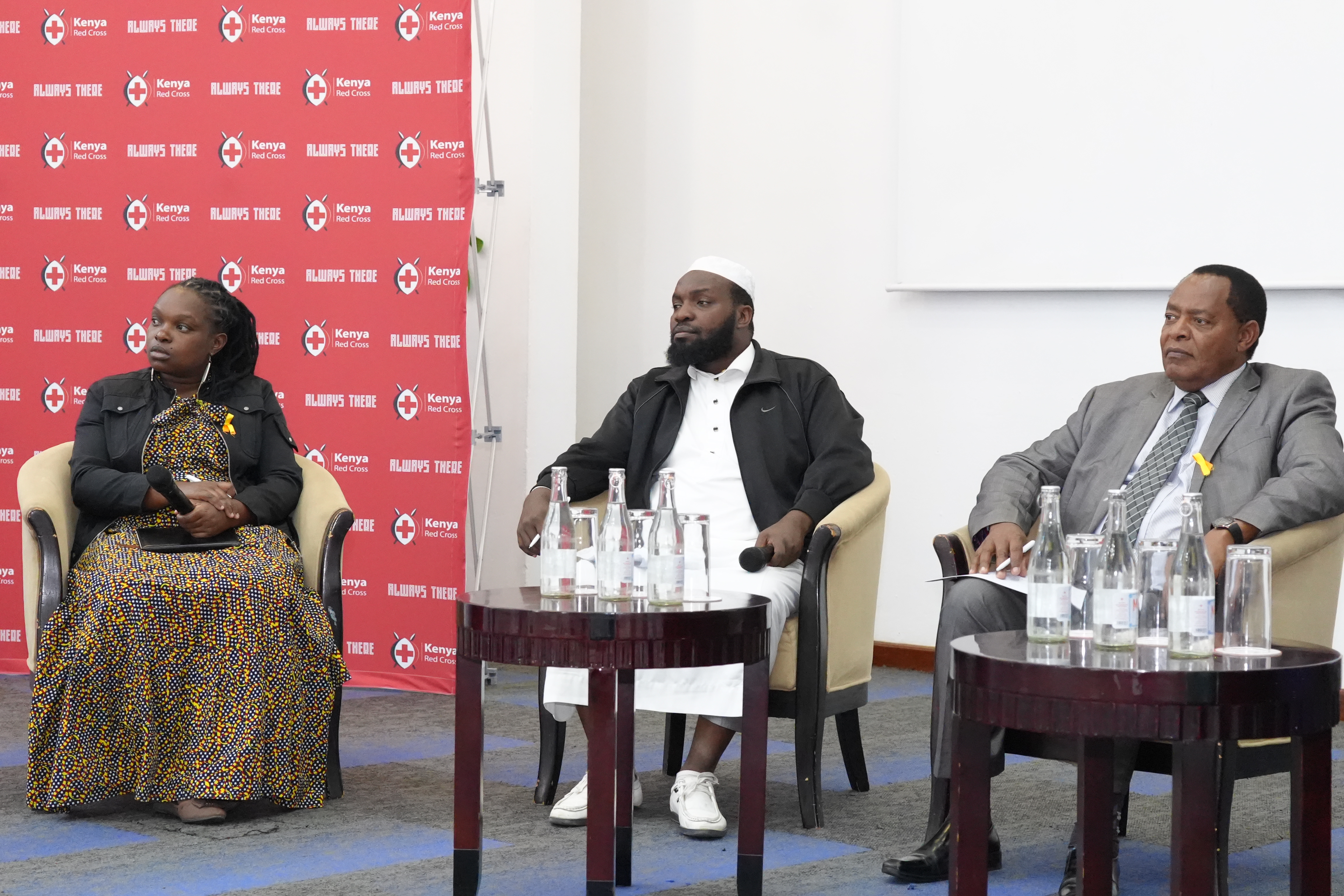
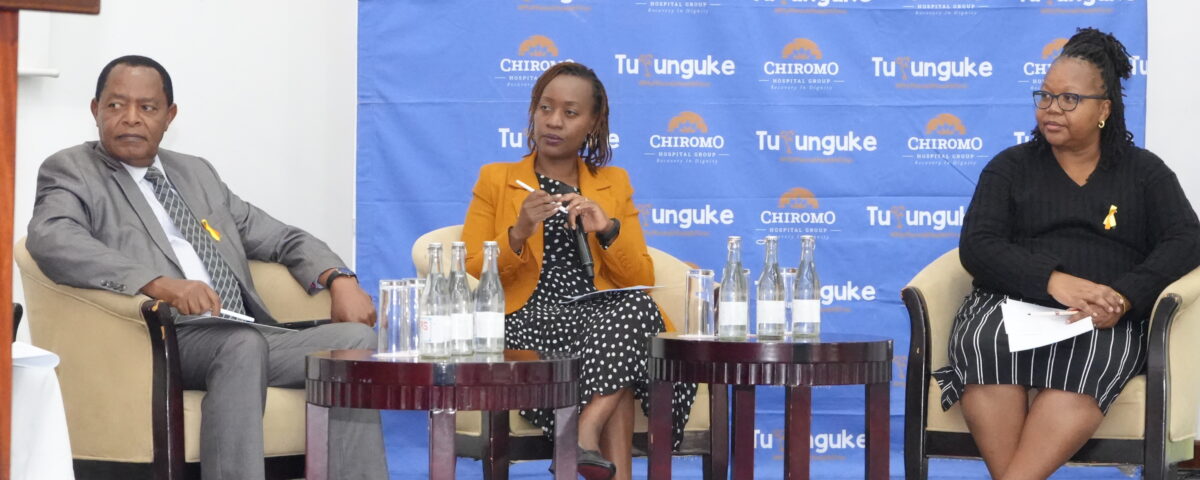
Speaking during a panel discussion at the launch, Dr Ongeri underscored the importance of closing the gaps that prevent people from accessing mental health care. She noted that strengthening links between communities and formal mental health services is essential to ensuring that support reaches people when and where they need it.
The urgency of building these pathways was brought into sharp focus by the Kenya Red Cross Society’s experience through its mental health support services. Deputy Secretary General, Programmes, Kenya Red Cross Society, Mr. Joe Mbalu, said its hotline has become an important point of contact for people seeking help.
“This year alone, our Hotline 1199 received 7,394 calls for mental health support, 634 of them suicide-related crisis calls, all responded to and averted,” Mbalu said during the national observance of World Suicide Prevention Day in Nairobi.
The figures point to the importance of having accessible avenues through which people can seek help, particularly when they are experiencing a crisis.
In her remarks, Head of the Division of Mental Health at the Ministry of Health, Dr Mercy Karanja, emphasised that the scale and complexity of suicide prevention requires collective action. “Suicide prevention is a shared responsibility that cannot be achieved by the health sector alone,” she said.
While making the keynote address, Chairman of Chiromo Hospital Group, Prof Frank Njenga, noted that Kenya has made progress in how it understands and responds to mental health, but the work must continue.
Reflecting on the journey the country has taken in providing care for people experiencing mental health challenges, he called for continued efforts to ensure that individuals feel safe seeking help and that systems can respond to their needs. “There is no health without mental health,” Prof Njenga said, urging stakeholders to continue moving the needle on mental health care and support.
The consequences of suicide extend far beyond the person who dies. Families can be left with grief, trauma and stigma, while communities may struggle with the emotional and social effects of losing a member to suicide.
For faith communities, which often provide support during times of bereavement and crisis, strengthening their ability to intervene before a crisis becomes fatal could help reduce some of this burden.
IRCK’s Bishop John Warari noted that the handbook gives religious leaders a practical tool to respond to individuals in distress and help reduce the pain that suicide leaves behind.
“This handbook empowers religious leaders to support individuals who may be struggling and, in doing so, help alleviate the pain that suicide leaves on families and communities,” he said.
Ultimately, the launch of the handbook represents an effort to bring suicide prevention closer to where people are. It recognises that changing the narrative requires more than awareness; it requires people who are prepared to listen, communities where seeking help is accepted, and clear pathways connecting those in distress to appropriate care.
As Kenya joined the global community in marking World Suicide Prevention Day, the message was one of shared responsibility: changing the narrative begins by creating space for conversations, recognising when someone needs help and ensuring they are not left to face their struggles alone.
As we continue to observe World Suicide Prevention Month, the call to change the narrative on suicide must extend beyond the commemoration of a single day. It calls for continued conversations, greater compassion and stronger community support for those experiencing emotional distress.
Anyone experiencing thoughts of suicide or feeling overwhelmed is encouraged to speak to someone they trust and seek support from a qualified mental health professional. Early support can make a difference, and no one should have to navigate such experiences alone.