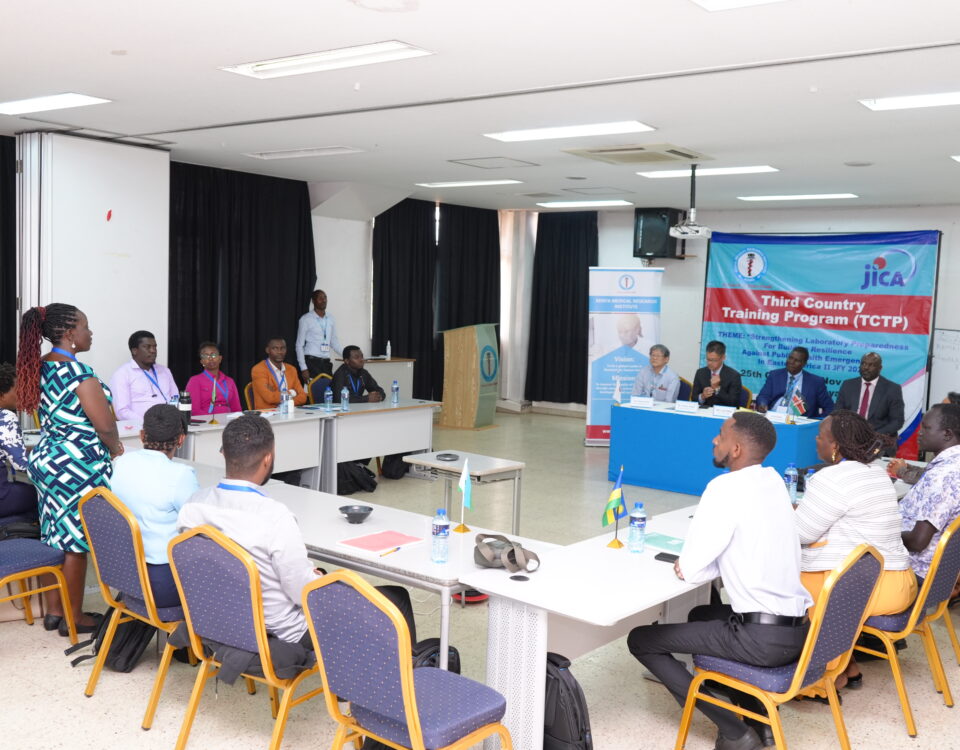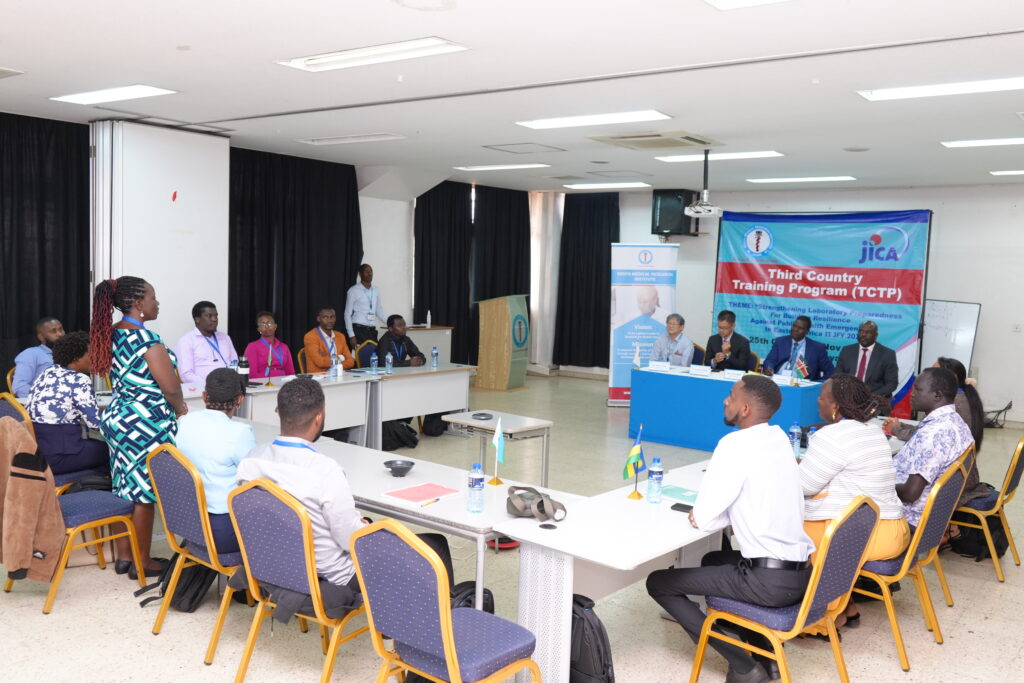
TCTP 2026 kicks Off, Participants Challenged to Strengthen Regional Networks for Health Security
October 29, 2026KEMRI and AIMS Launch the first cohort of Pan-African Programme to Advance Mathematical Modelling of Diseases
BY LISPER MOKAYA
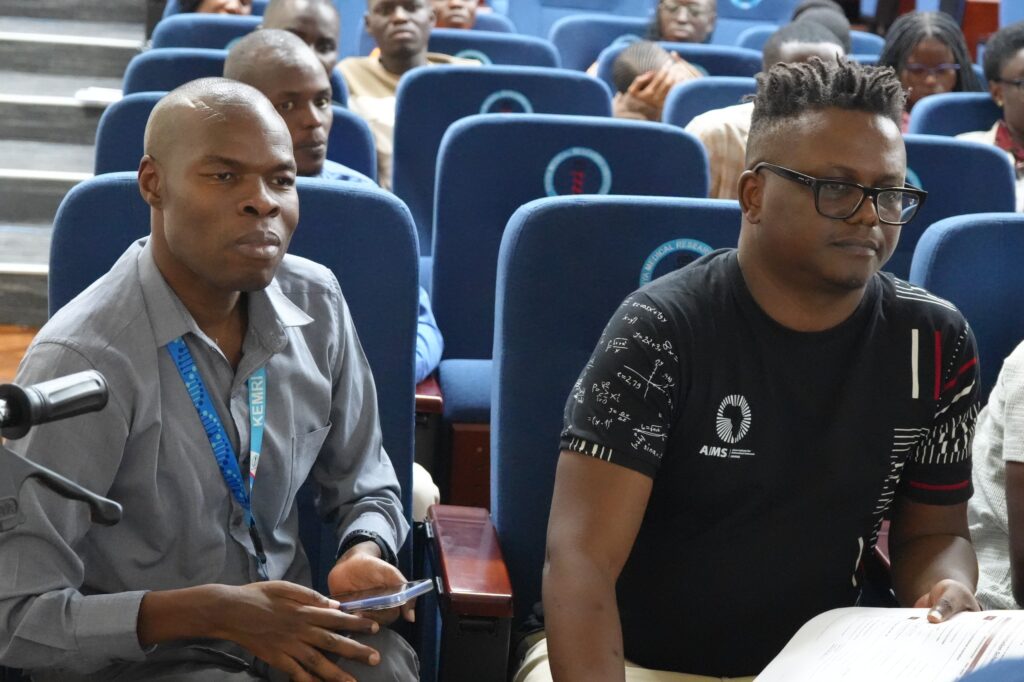
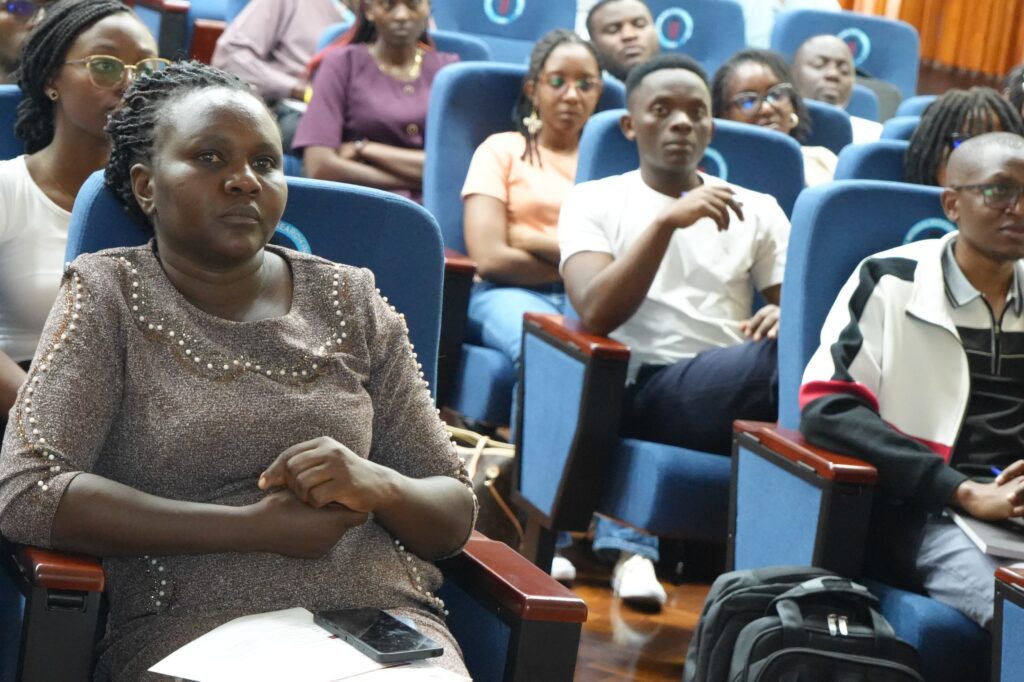
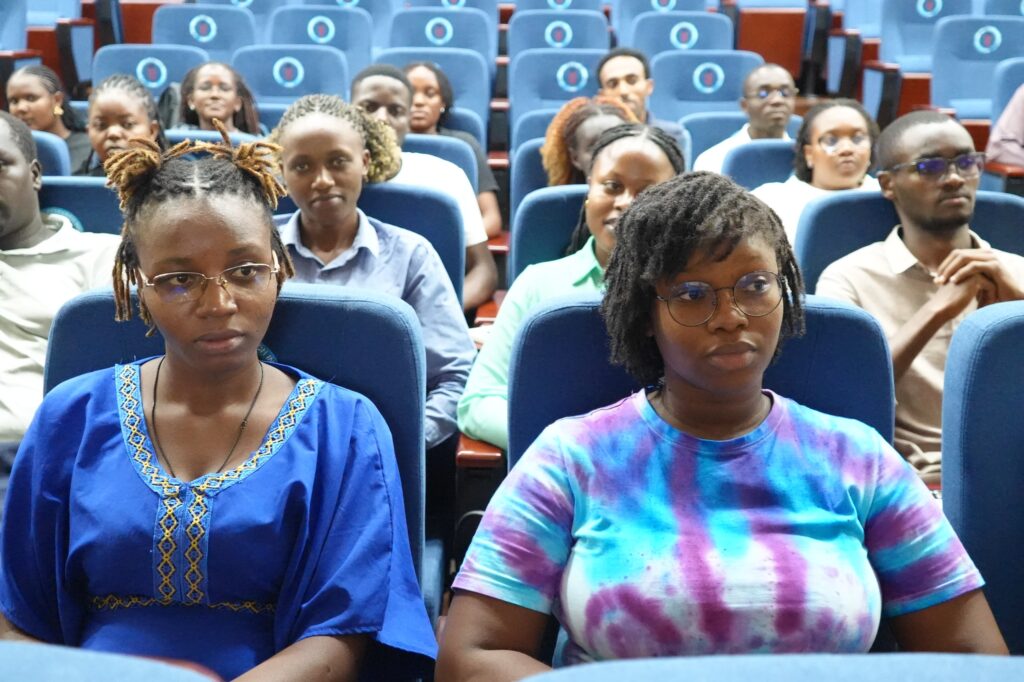
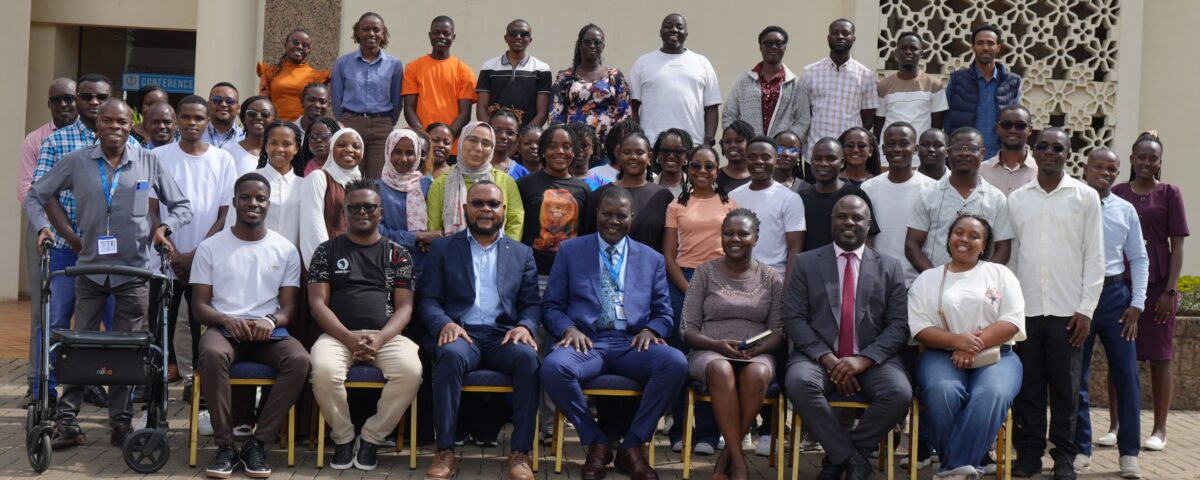
The Kenya Medical Research Institute (KEMRI) has launched the first cohort of the KEMRI–African Institute for Mathematical Sciences (AIMS) Centre of Excellence in Mathematical Modelling for Diseases, bringing together 38 students from 14 African countries for a 16-month postgraduate training programme designed to strengthen Africa’s capacity to address public health challenges through mathematical and computational sciences.
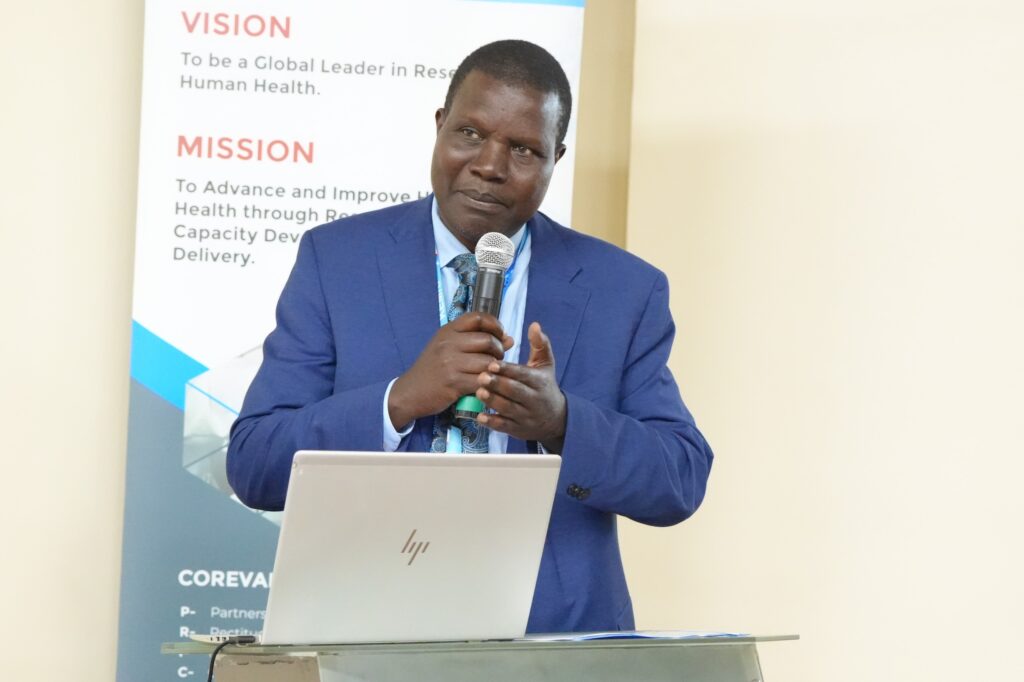
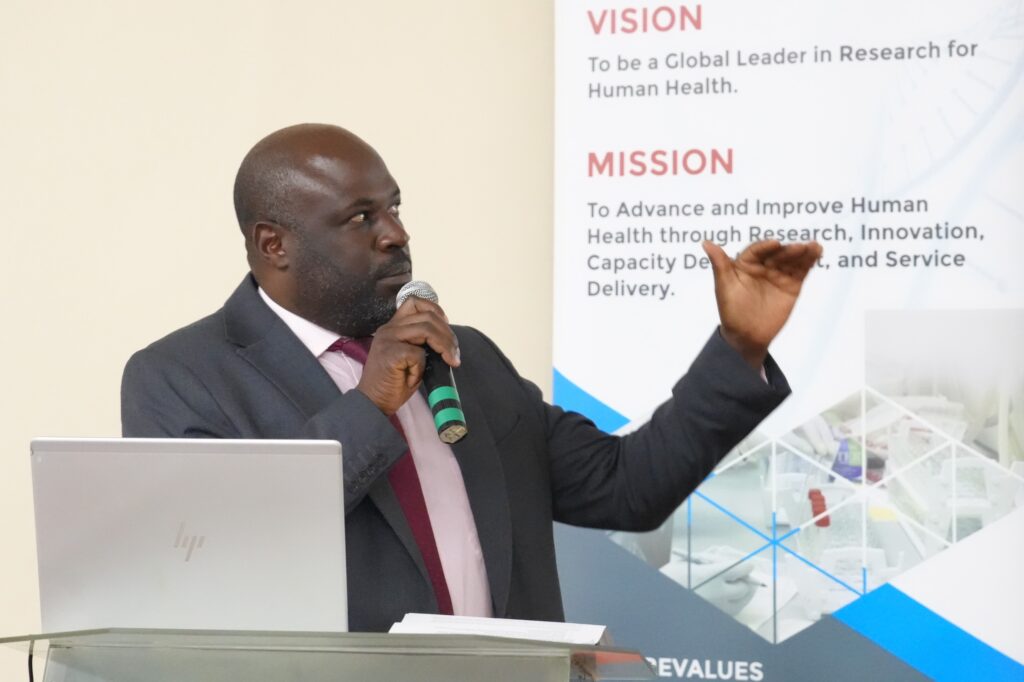
Officially opening the orientation programme on Monday, 26 October 2026, at KEMRI headquarters in Nairobi, Ag. Vice Chancellor and Chief Executive Officer Prof. Elijah Songok underscored the growing importance of integrating mathematical sciences with biomedical research to improve disease surveillance, predict outbreaks and inform public health decisions.
The programme, a collaboration between KEMRI and AIMS, seeks to equip emerging African scientists with advanced modelling skills and interdisciplinary research expertise to develop evidence-based solutions to the continent’s health challenges.
The cohort is drawn from 14 across the continent including; Rwanda, South Sudan, Sudan, Ghana, South Africa, Malawi, Nigeria, Cameroon, Uganda, Togo, Botswana, Egypt, Benin and host Kenya
“Public health challenges are becoming increasingly complex, requiring innovative approaches to disease surveillance, prediction and response. Mathematical modelling, data science and artificial intelligence are powerful tools for understanding disease transmission, anticipating outbreaks, evaluating interventions and informing evidence-based decisions.” Prof. Songok said.
He described the collaboration as both timely and strategic, noting that combining KEMRI’s experience in biomedical research, disease surveillance and public health with AIMS’ expertise in mathematical sciences and advanced scientific training would create new opportunities for scientific discovery and innovation.
“At KEMRI, we recognise that the future of health research lies increasingly in integrating biomedical sciences with mathematical and computational approaches,” he said.
The initiative comes as KEMRI strengthens its role in postgraduate education and interdisciplinary research following its transition to a degree-awarding institution. It also aligns with the Institute’s broader mandate of advancing human health through research, capacity building, innovation and service delivery.
Prof. Songok outlined four priority areas underpinning the KEMRI–AIMS collaboration: capacity building, joint research, resource mobilisation and exchange programmes. He said these would provide a foundation for a sustainable partnership with benefits extending beyond the two institutions to the wider African scientific community.
“The success of this programme will depend on our ability to translate mathematical and computational expertise into practical solutions for public health,” he said.
He emphasised that Africa needs scientists capable of working across disciplines, bringing together mathematics, epidemiology, statistics, computing and biomedical research to address both existing and emerging health challenges.
Such expertise, he noted, is essential not only in responding to public health emergencies but also in understanding disease patterns, improving health interventions and making better use of limited resources.
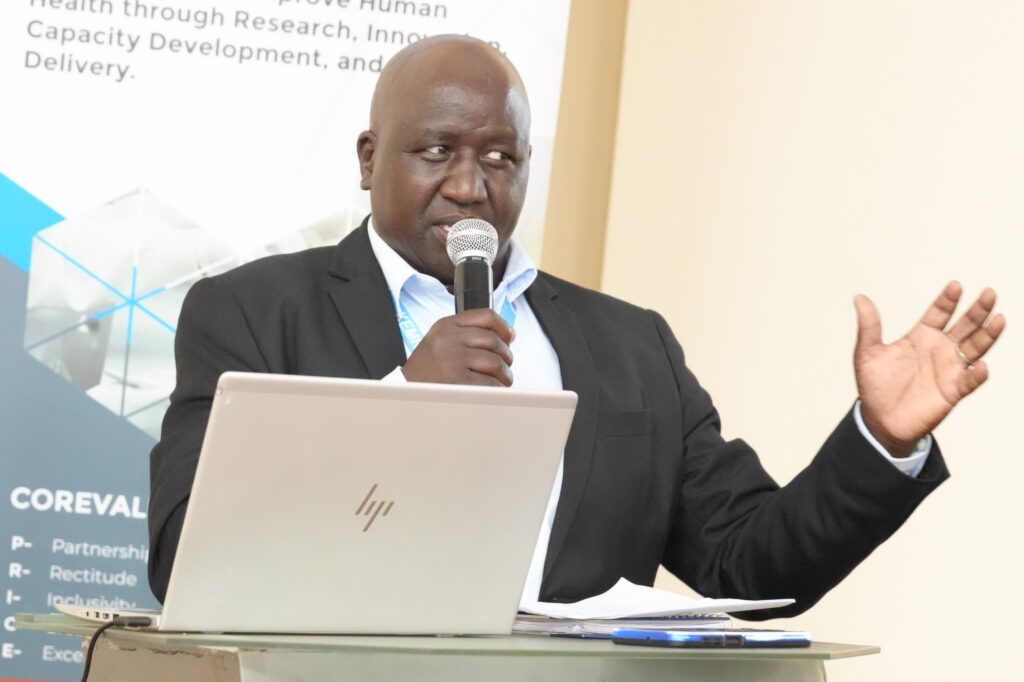
On his part Deputy Director of KEMRI’s Department of Epidemiology, Statistics and Informatics and Collaboration Co-Director Dr. Collins Okoyo, welcomed the students to KEMRI, urging them to make the most of the opportunity and the training available to them.
“We are happy to host you as our first cohort. We are prepared for you in the next 16 months,” Dr. Okoyo said.
He encouraged the trainees to approach the programme with commitment and make full use of the knowledge and research opportunities available, noting that they were expected to return to their respective countries as ambassadors of the programme, equipped to apply their skills and contribute to scientific advancement and public health in their home countries.
Prof. Wilfred Ndifon, President of the AIMS Research and Innovation Centre, highlighted the value of bringing mathematical thinking into the study of biological systems and diseases.
Drawing from his own scientific journey, which began with training in mathematics, physics and computer science, Prof. Ndifon explained how his interest in addressing the burden of disease led him towards research at the intersection of mathematics and biology.
He encouraged the students to connect their mathematical expertise with practical health research, working closely with epidemiologists, laboratory scientists and clinicians who generate data, investigate disease processes and design experiments.
Mathematical modelling, he observed, can help researchers identify patterns that might otherwise be overlooked and develop more efficient approaches to addressing health problems.
He cited disease surveillance as one area where modelling could help African countries make better use of limited resources. Other opportunities include vaccine design and the planning of clinical trials, where mathematical approaches can improve efficiency and potentially reduce research costs.
Prof. Ndifon challenged the students to go beyond applying mathematical techniques to existing datasets and instead develop the curiosity and creativity to identify important research questions and generate innovative solutions.
He also encouraged them to become ambassadors of the programme, demonstrating through their work the contribution mathematical sciences can make to improving health outcomes across Africa.
The programme builds on collaboration between KEMRI and AIMS that began in 2025, with the institutions undertaking joint research protocols and training initiatives. Early activities included plans for short courses in mathematical modelling of communicable and non-communicable diseases, laying the groundwork for the postgraduate programme now underway.
Speaking on behalf of the collaboration, Prof. Cecil Ouma, AIMS Academic and Research Manager and Collaboration Co-Director, welcomed the first cohort and highlighted the progress made in developing the partnership into a structured postgraduate training initiative.
The collaboration brings together KEMRI’s research infrastructure, scientific expertise and experience in addressing priority health challenges with AIMS’ pan-African approach to advanced mathematical sciences education and research.
For KEMRI, the initiative also reinforces the Institute’s dual role in conducting health research and developing the scientific workforce needed to sustain it. Through the programme, students will have opportunities to engage with researchers and build interdisciplinary expertise that can be applied to health priorities across the continent.
The African Institute for Mathematical Sciences is a pan-African network of centres of excellence dedicated to postgraduate education, research and public engagement in mathematical sciences. Its focus on developing independent thinkers, problem-solvers and innovators complements KEMRI’s commitment to strengthening health research capacity and translating scientific evidence into practical solutions.
Addressing the students, Prof. Songok urged them to approach their training with curiosity, discipline, integrity and a commitment to excellence. He reminded them that the value of scientific work ultimately lies in its contribution to people and communities.
“Remember that behind every dataset are people and communities whose lives may be affected by the decisions informed by your work. Uphold research ethics, protect sensitive information and communicate scientific findings responsibly,” he said.
He further encouraged the cohort to make full use of the expertise available at both institutions, engage actively with lecturers and supervisors, and establish professional relationships that could support future research collaborations.
“One very key area you have to be very keen on is the networks that you’re going to make,” Prof. Songok advised, emphasising the importance of building lasting relationships with fellow students from across Africa, faculty members and research supervisors.
He noted that such networks could help sustain scientific collaboration beyond the 16-month programme, creating opportunities for joint research, knowledge exchange and access to resources needed to advance scientific work.
The Vice Chancellor expressed appreciation to AIMS, the KEMRI Board and Management, faculty members, programme coordinators and staff who contributed to establishing the initiative. He expressed confidence that the partnership would strengthen interdisciplinary research, scientific capacity and the development of locally relevant solutions to Africa’s health challenges.
Also present at the orientation were Director for Corporate Services Mr. Jones Otuke, and research scientists Dr. Elizabeth Matey and Prof. Wallace Bulimo.
As the first cohort begins its academic journey, the KEMRI–AIMS Centre of Excellence represents a significant opportunity to nurture a new generation of African scientists equipped to combine mathematical reasoning, computational tools and biomedical knowledge in addressing complex health problems.
The programme is expected to contribute to a stronger interdisciplinary research community, better-informed public health decisions and innovative approaches to disease prevention and control across the continent.