KEMRI Joins Global Drive to Advance iNTS Vaccine Research
November 11, 2026Research Examines the Mental Health Cost of Climate Change beyond droughts and floods
By Lisper Mokaya
As climate change disrupts livelihoods, food security and living conditions, a KEMRI-led research collaboration is examining its less visible consequences on mental health and wellbeing, with a focus on communities in Kilifi and Nairobi.
The effects of climate change are often measured through rising temperatures, prolonged droughts, unpredictable rainfall, flooding and the economic losses that follow. Yet, beyond the visible destruction of homes, crops and livelihoods, there is another dimension that is receiving increasing attention: the toll that environmental changes take on people’s mental health.
For communities whose livelihoods depend on the environment, a prolonged drought can mean more than a failed harvest. Flooding can mean the loss of a home, displacement and uncertainty about the future. Even without direct exposure to a climate-related disaster, persistent concern about environmental degradation and what it means for future generations can create anxiety and psychological distress.
It is against this backdrop that the Kenya Medical Research Institute (KEMRI), in collaboration with the University of Glasgow, is contributing to a research project examining the relationship between climate change and mental health and wellbeing in Kenya.
The study, titled Examining the effects of climate change on mental health and wellbeing in a rural coastal area and an urban informal settlement in Kenya seeks to generate evidence on how climate-related experiences and concerns affect psychological wellbeing, particularly among populations living in environmentally vulnerable settings.
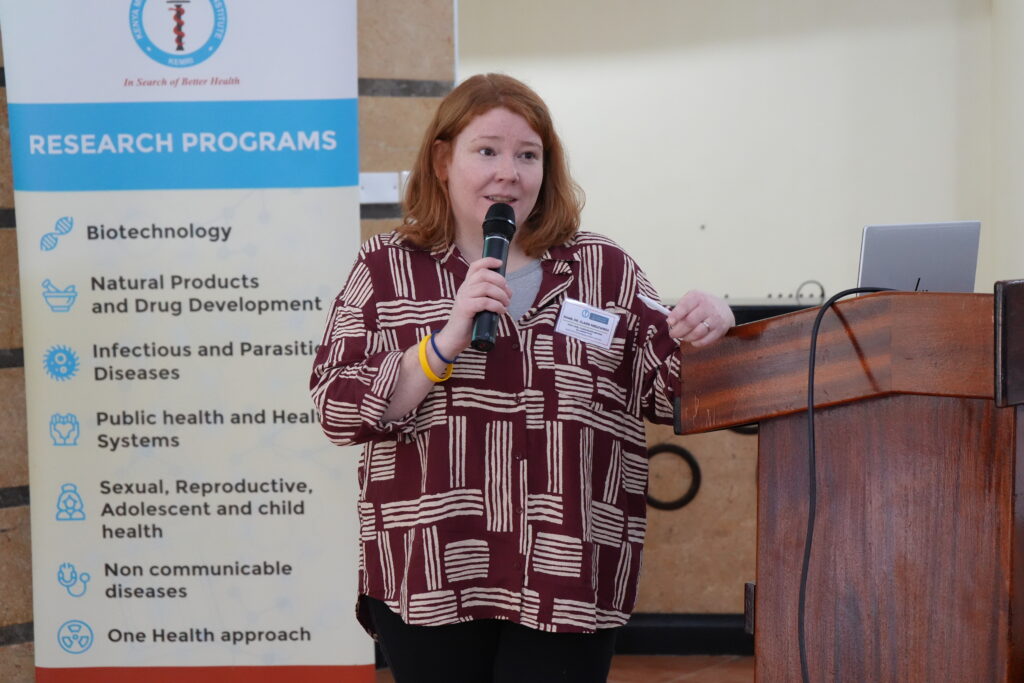
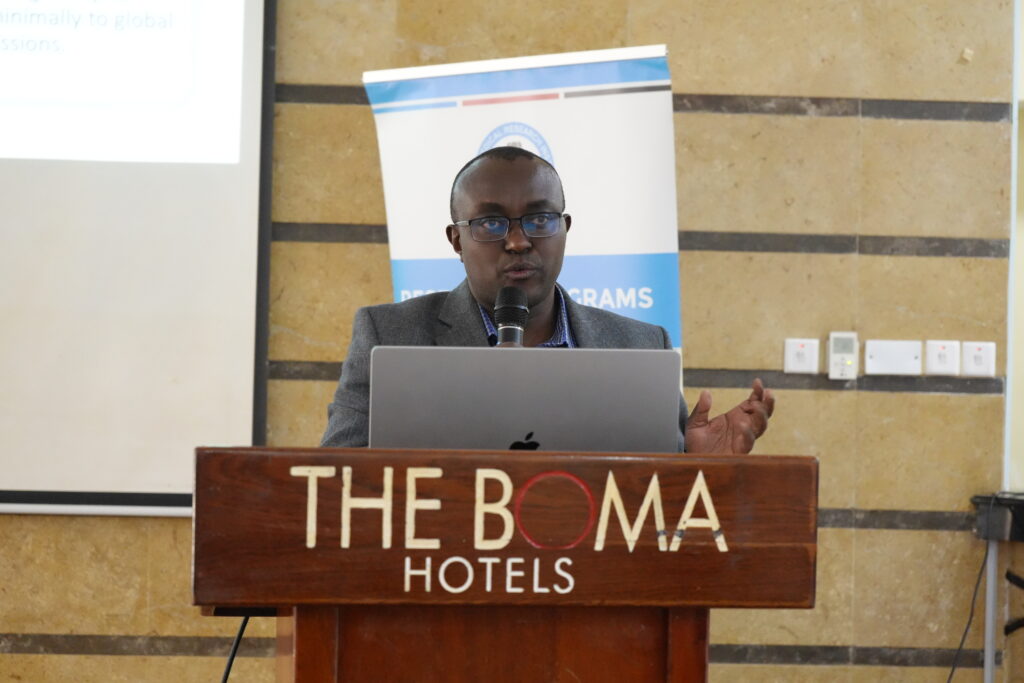
Speaking during a stakeholder engagement meeting convened to deliberate on the study, Principal Investigator (PI), Dr. Symon Kariuki, outlined the central focus of the research, noting: “Our main aim for the project is to examine the relationship between climate change and mental health outcomes.”
He explained that climate change can affect mental health through several interconnected pathways. Direct exposure to extreme weather events, including flooding and prolonged heat, can cause distress and disrupt the functioning of communities. The indirect effects can be equally significant, particularly where environmental changes lead to loss of livelihoods, food insecurity, displacement and social and economic uncertainty.
For instance, the loss of agricultural production can undermine household incomes and access to food, while forced migration and the disruption of established social networks can expose individuals and families to additional psychological pressures. The study will also examine climate anxiety, commonly referred to as eco-anxiety, which describes persistent worry, fear and distress associated with climate change and its implications for the future.
Dr. Kariuki observed that although climate anxiety is increasingly being studied in other parts of the world, there remains limited reliable evidence from community-based studies in Kenya. This makes it important to understand how people in different Kenyan settings experience and interpret climate-related concerns rather than assume that assessment approaches developed elsewhere will capture local realities.
The research will therefore include the adaptation of assessment tools to ensure that the questions used are culturally and contextually appropriate and are understood consistently by the communities participating in the study.
Representing KEMRI, Co-Principal Investigator (Co-PI), Dr. Hellen Meme, underscored the need to broaden the climate change conversation beyond its ecological and economic consequences to include its implications for psychological wellbeing.
“Today, I would like to emphasize that climate change is no longer just an ecological or economic crisis,” she said, adding that it is “rapidly becoming one of the defining mental health crises of the past century.”
Dr. Meme noted that the psychological consequences of climate change can manifest in different ways. These include immediate distress following extreme weather events, longer-term anxiety and depression among communities experiencing prolonged environmental changes, and uncertainty among young people concerned about the kind of world they will inherit.
She further emphasised the importance of integrating mental health considerations into climate change policies and adaptation strategies. Beyond investing in physical infrastructure to protect communities from environmental hazards, she noted, attention must also be given to the psychological support systems that enable people to cope with climate-related challenges.
One of the key concerns highlighted during the engagement was the need to recognize climate anxiety as a legitimate response to perceived environmental threats, rather than dismissing it as an individual weakness. As Dr. Meme observed, “The anxiety is not a sign of weakness. It is a sign of their deep connection to this planet.”
Dr. Meme called for policy makers and leaders to convert the crisis brought about the changes in climate into opportunities for systematic and psychological healing by; integrating mental health into climate adaptation policies. This she said can only be achieved by involving mental health professionals when city planners, disaster relief agencies and environmental ministries design resilience strategies.
The study will focus on two distinct settings: a rural coastal community in Kilifi County and Mukuru informal settlement in Nairobi. The selection of these sites will allow researchers to examine how climate-related experiences and vulnerabilities differ across rural and urban environments.
In Kilifi, where many households depend on subsistence farming and other climate-sensitive livelihoods, changing weather patterns can have far-reaching implications for food security, household incomes and community wellbeing. In Mukuru, the study will consider the realities of a densely populated informal settlement, where environmental and sanitation challenges, population mobility and socioeconomic vulnerabilities may intersect with climate-related pressures.
The research plans to engage approximately participants across the two study sites, drawn from Nairobi’s Mukuru slum and Kilifi. Through the assessment, researchers will examine the prevalence and magnitude of climate anxiety, mental wellbeing and mental health challenges, while exploring how these outcomes relate to climate vulnerability and broader social and economic factors.
The research will also assess the relationship between climate anxiety and mental health outcomes, taking into account individual, household, community and wider societal influences. This is expected to provide a more comprehensive understanding of the factors that place certain populations at greater risk and help identify appropriate entry points for interventions.
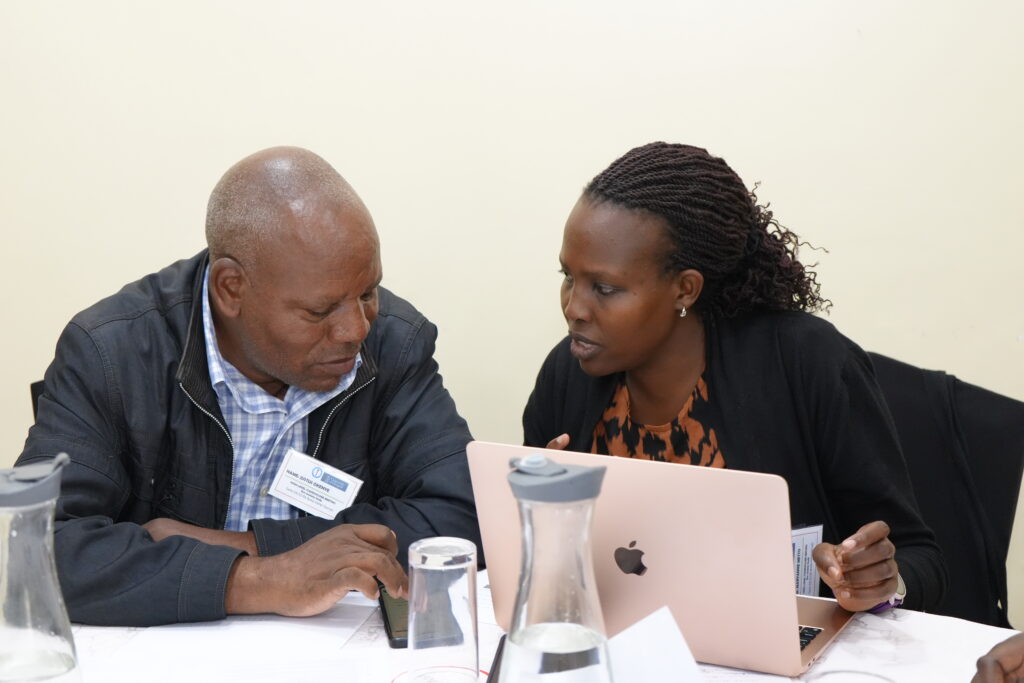
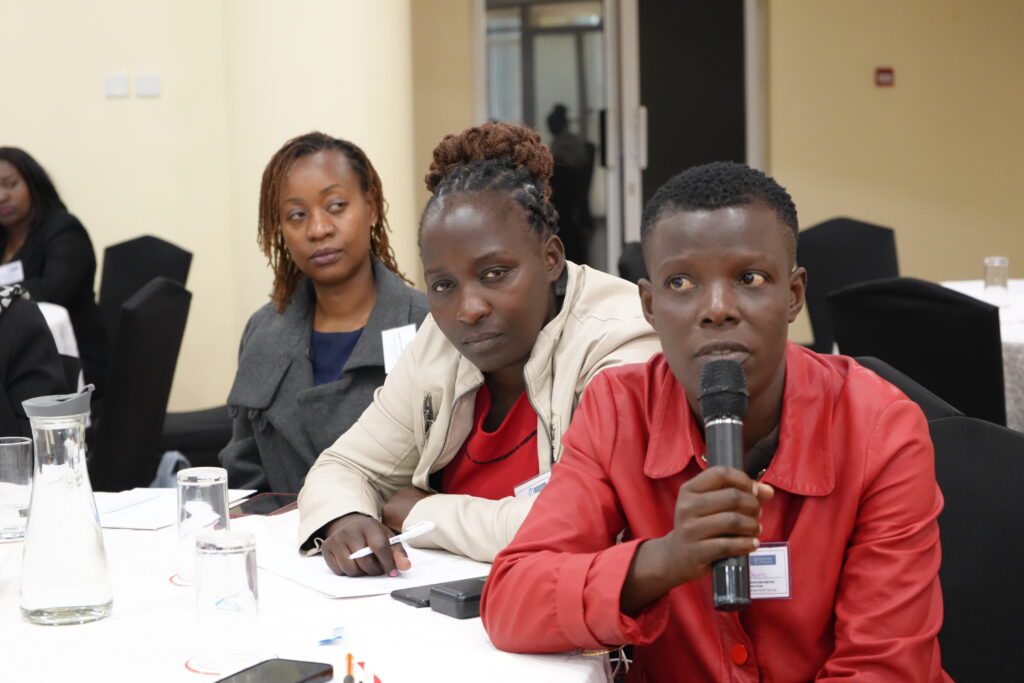
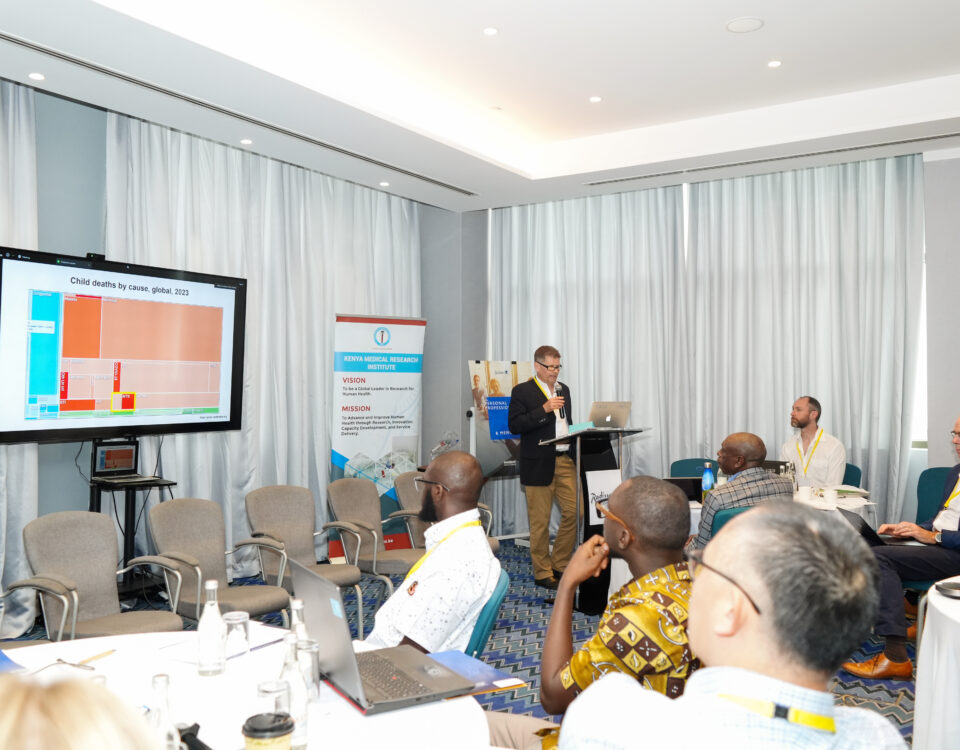
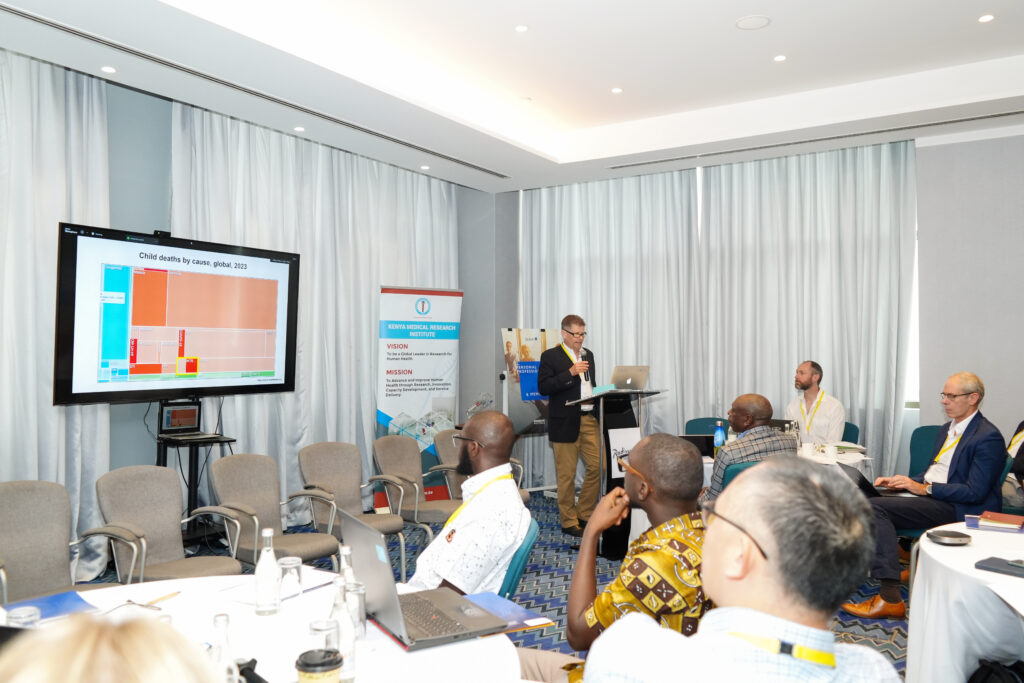
The stakeholder engagement meeting provided an opportunity for government representatives, community-based organisations, policy partners, research institutions and other stakeholders to review the proposed assessment tools and contribute to the study’s implementation. Their input is particularly important in refining the questions to ensure they are relevant, clear and appropriate for the populations being studied.
One of the stakeholders of the study who has lived in Mukurwa slums for over 18 years gave an account of the effects of climate change on their mental well-being. She acknowledged that the study has come at a time when people living in the area are not only experiencing adverse effects of both flooding and drought but also the effects that come along with it.
Beyond generating research evidence, the project also seeks to strengthen local research capacity, increase awareness of the relationship between climate change and mental health, and encourage the use of findings in policy and practice. The involvement of stakeholders throughout the research process is expected to support the eventual translation and dissemination of evidence into meaningful action.
The project is led by Dr. Symon Kariuki a visiting scientist at KEMRI and Dr. Claire Niedzwiedz of the University of Glasgow, with Dr. Hellen Meme , Fred Orina and Dr. Eliud Kibuchi of Glasgow serving as Co-Principal Investigators.
As climate change continues to reshape livelihoods and living environments, understanding its psychological consequences is becoming an important part of protecting public health. By bringing mental health into the climate change research and policy conversation, the study seeks to ensure that the wellbeing of affected populations is considered alongside the environmental and economic challenges they face.