
Three Consecutive ‘Very Good’ Ratings Put Institute on Course for Excellence
November 11, 2026Research Examines the Mental Health Cost of Climate Change beyond droughts and floods
November 11, 2026KEMRI Joins Global Drive to Advance iNTS Vaccine Research
By Gideon Kirui
A major international research initiative is bringing together leading African and global research institutions to generate critical evidence needed to accelerate the development of vaccines against invasive non-typhoidal Salmonella (iNTS), a leading cause of severe bacterial infections and childhood deaths in sub-Saharan Africa.
The initiative is expected to strengthen preparedness for future vaccine efficacy trials, improve understanding of disease burden and antimicrobial resistance, and ultimately support efforts to protect young children from life-threatening infections.
The initiative, known as the Platform for Readiness for Evaluation of Invasive Non-typhoidal Salmonella Disease Vaccines (PREPARE iNTS), brings together research institutions from five African countries and international partners, including the Kenya Medical Research Institute (KEMRI).
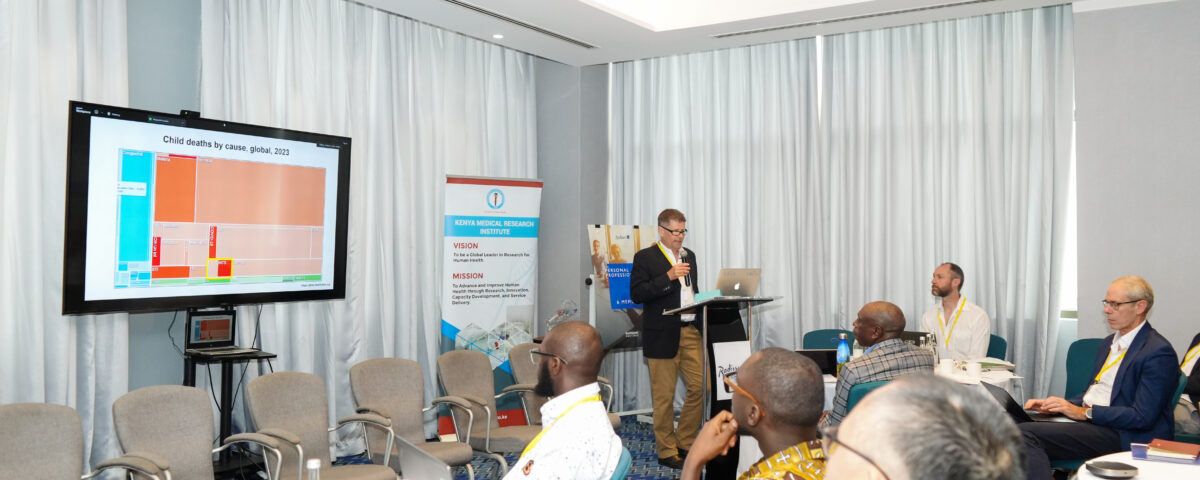
Its kick-off meeting was held in Nairobi over the weekend beginning on Friday 6th November and concluding on 7th, November 2026 to align research priorities, harmonise study approaches and strengthen collaboration ahead of the multicountry study.
The project seeks to generate contemporary evidence on the burden of iNTS disease, antimicrobial resistance (AMR) patterns and healthcare-seeking behaviour among caregivers of children under five. The findings will inform the design, planning and selection of sites for potential Phase III vaccine efficacy trials across Africa.
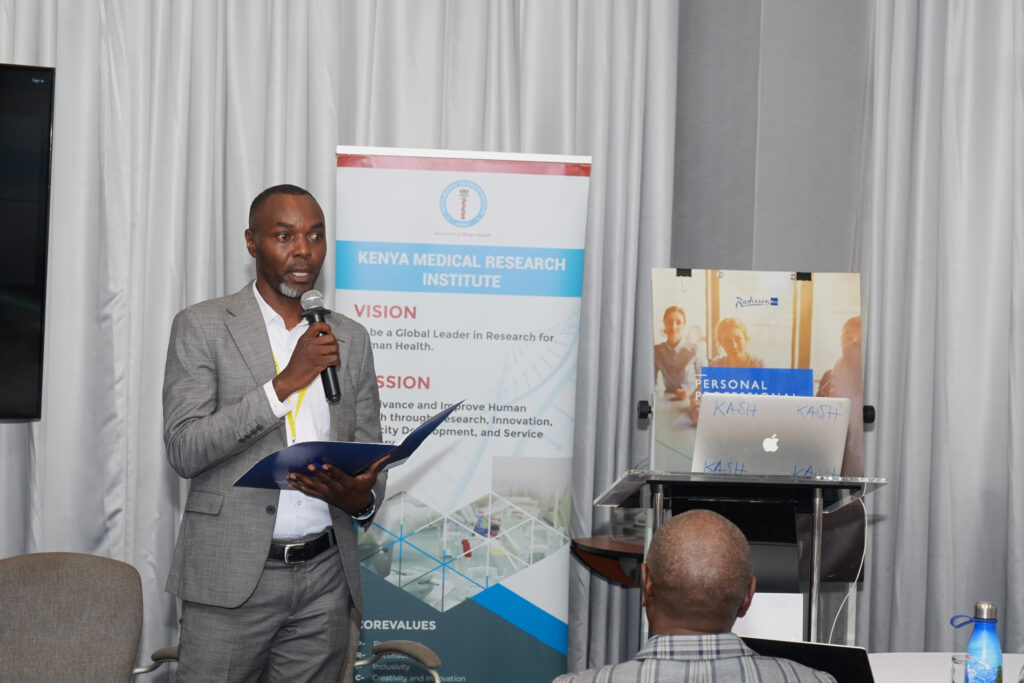
Officially opening the meeting, KEMRI’s Acting Vice Chancellor and CEO, Prof. Elijah Songok, represented by Dr. Peter Gichuki, underscored the importance of collaborative research in addressing the growing public health threat posed by iNTS and increasing antimicrobial resistance.
He noted that understanding disease burden, resistance patterns and healthcare-seeking behaviour was critical to strengthening prevention and treatment, particularly in resource-limited settings where alternative antibiotics may be expensive or unavailable.
“Multicountry research requires strong coordination, scientific rigour, harmonisation of methods and effective communication. I encourage all teams to work collaboratively, maintain the highest standards of research integrity, and ensure that the data generated are of the quality required to influence policy and practice,” said Dr. Gichuki who is also the Acting Deputy Director of the Eastern and Southern Africa Centre of International Parasite Control (ESACIPAC).
He further observed that the findings would contribute to strengthening antimicrobial resistance surveillance, informing public health interventions and building the evidence base for investment in iNTS vaccine development and eventual implementation.
At KEMRI, the project is coordinated through the Centre for Microbiology Research (CMR) and the Centre for Global Health Research (CGHR), under the stewardship of Prof. Sam Kariuki and Prof. Richard Omore.
Prof. Kariuki described the initiative as an important milestone in ongoing efforts to address iNTS infections in Africa, noting that the collaboration builds on years of research aimed at developing effective solutions to a disease that disproportionately affects young children.
The consortium brings together institutions from Kenya, Malawi, the Democratic Republic of Congo (DRC), Ghana and The Gambia, alongside international partners led by the University of Otago. Other collaborators include the International Vaccine Institute (IVI), the University of Amsterdam and the University of Oxford.
The participating African institutions include KEMRI, with study sites in Nairobi and Kisian; Malawi Liverpool Wellcome Research Programme in Blantyre; Institut National de Recherche Biomédicale (INRB) in Kisantu, DRC; Kwame Nkrumah University of Science and Technology (KNUST) in Kumasi, Ghana; and the Medical Research Council Unit The Gambia at the London School of Hygiene and Tropical Medicine.
Supported by a NZ$13.2 million grant from the Wellcome Trust, approximately KSh951 million, the project commenced on 1st September 2026 and will run for two and a half years.
Invasive non-typhoidal Salmonella is a serious bacterial infection that can cause bloodstream infections, sepsis and severe febrile illness, particularly among infants and young children. The disease remains a significant public health challenge in sub-Saharan Africa, where antimicrobial resistance further complicates treatment and increases the risk of poor outcomes.
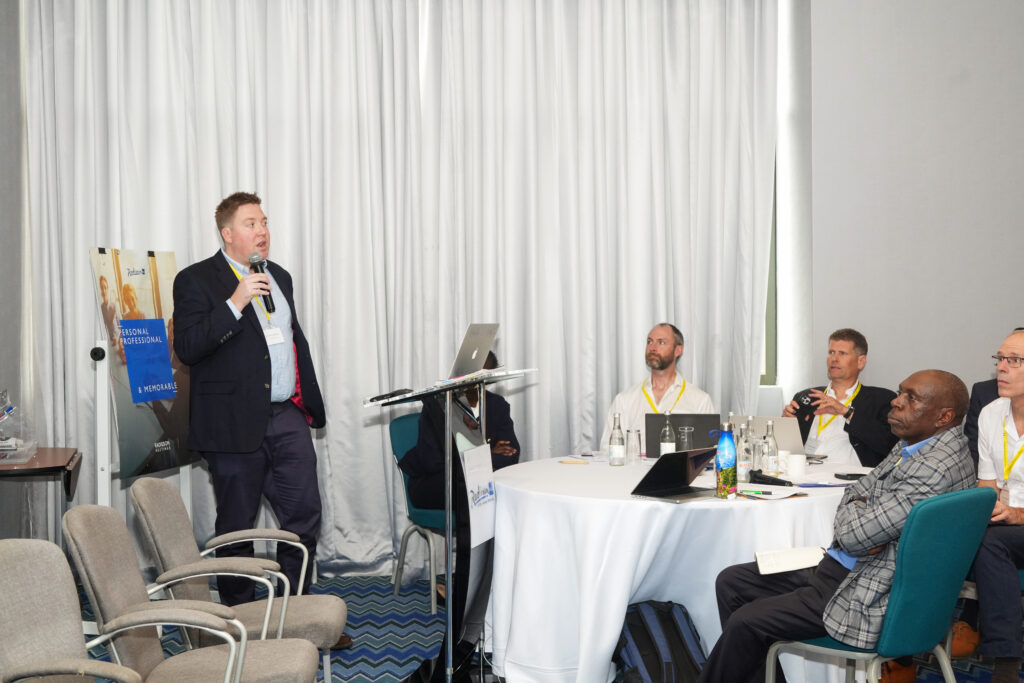
Speaking during the meeting, Prof. John Crump of the University of Otago’s Global Health Institute, who leads the project, described PREPARE iNTS as an exciting step towards preventing a major cause of invasive bacterial disease and childhood mortality in Africa.
Although promising iNTS vaccine candidates have advanced into clinical development, contemporary, site-specific epidemiological data remain essential to determining disease incidence, identifying suitable trial locations and informing the design of large-scale Phase III efficacy trials.
The study will also collect biological samples to support the development of seroepidemiological tools for measuring antibodies against iNTS-causing pathogens. These tools will help researchers understand population-level immunity and generate evidence to inform future vaccine introduction decisions.
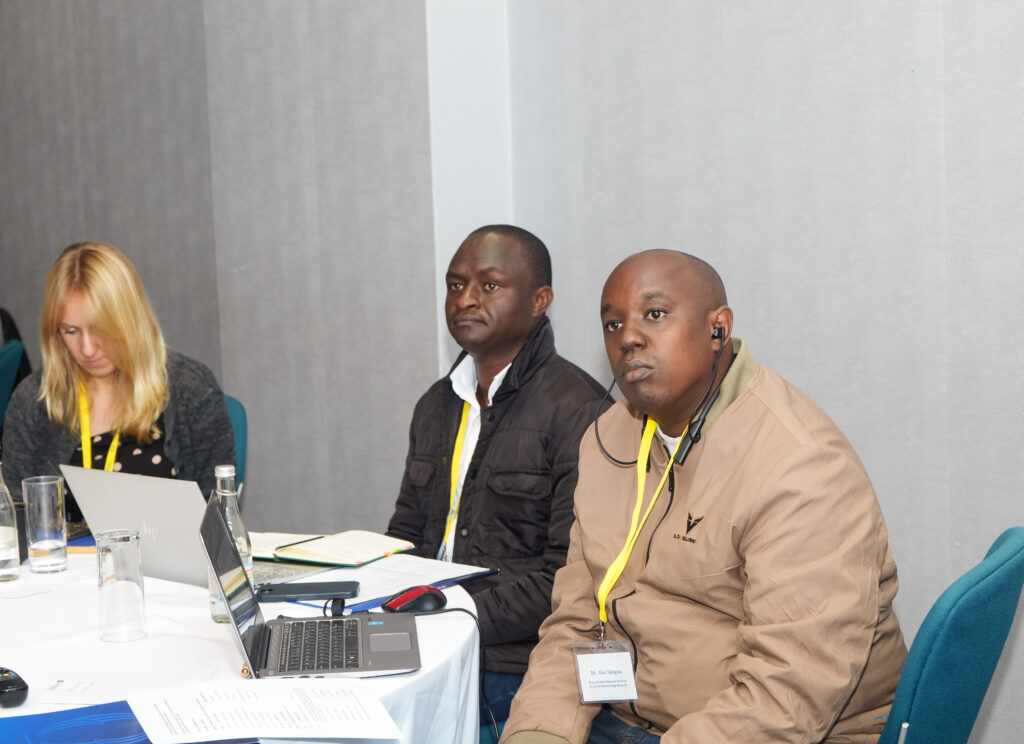
At the Nairobi meeting, participating research teams presented their respective site profiles and outlined the available personnel, infrastructure and operational capacity to support implementation.
At KEMRI’s Mukuru study site, the team will investigate the burden of bloodstream infections among children under five and assess treatment outcomes. The study will involve testing blood samples from febrile children to identify infection-causing pathogens and determine their susceptibility to commonly used antibiotics. It will also examine clinical symptoms and household sanitation and hygiene conditions to identify potential risk factors.
The discussions further focused on harmonising implementation across the participating sites through standardised operating procedures, staff training, data-management systems, Case Report Forms (CRFs), centralised procurement and coordinated laboratory sequencing services. Strengthening antimicrobial resistance monitoring was also identified as a key priority.
Through PREPARE iNTS, KEMRI and its international partners are strengthening Africa’s research readiness and contributing to the evidence needed to advance vaccine development, improve treatment outcomes and protect children from life-threatening bacterial infections.