
KEMRI and AIMS Launch the first cohort of Pan-African Programme to Advance Mathematical Modelling of Diseases
October 29, 2026
Kenya’s Digital Superhighway and What It Means for Your Next Research Project
November 5, 2026Inaugural Women’s Health Ecosystem Forum seeks to advance African-led research and innovation
By Stella Njung’e
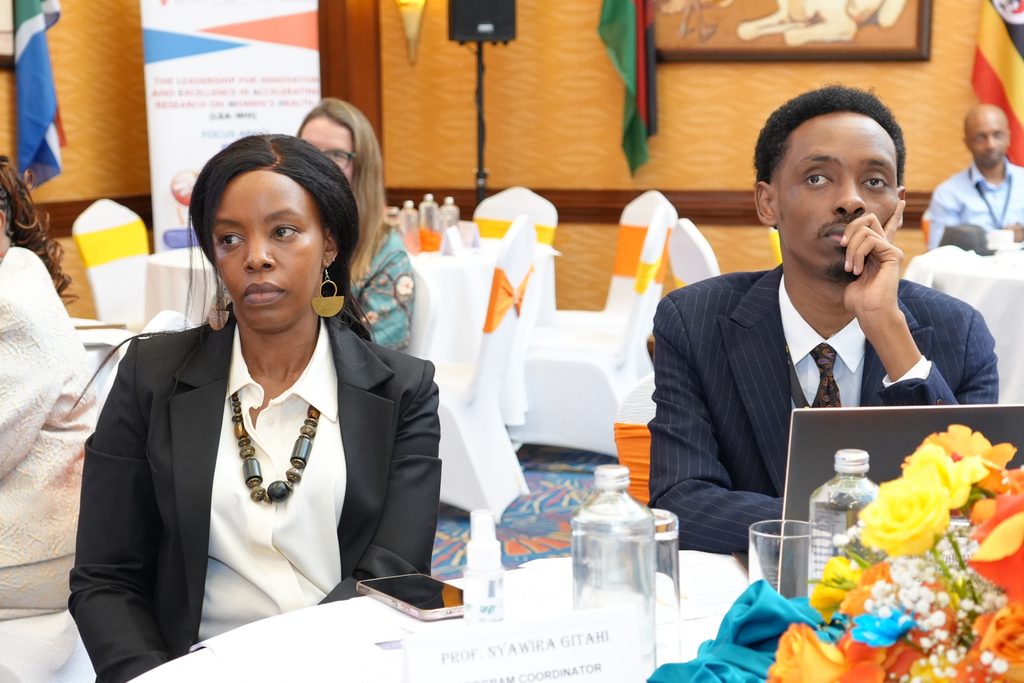
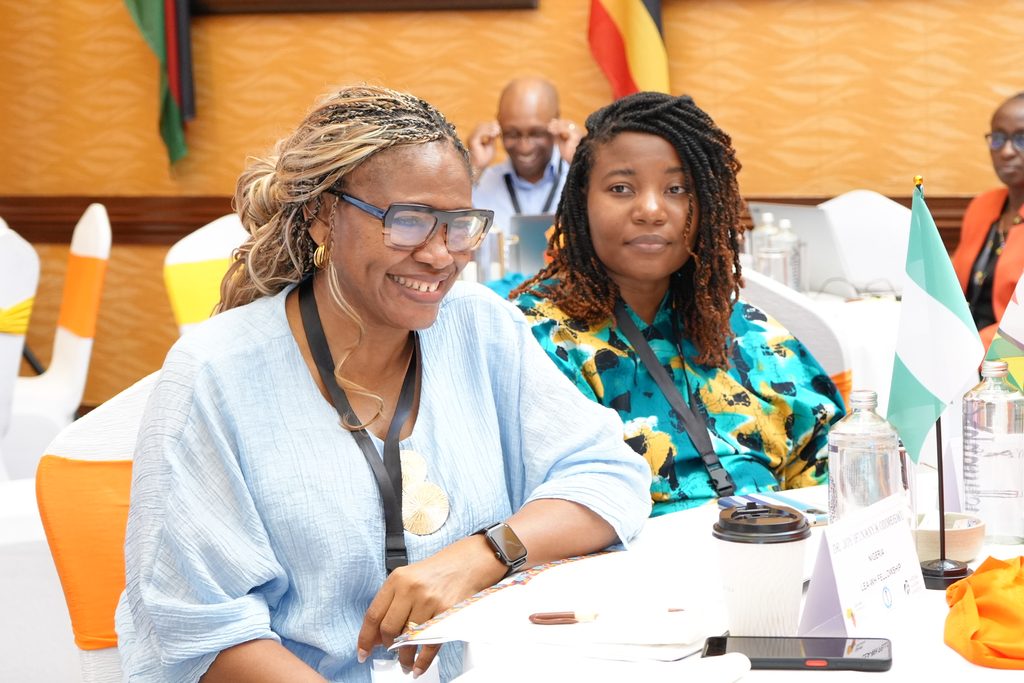
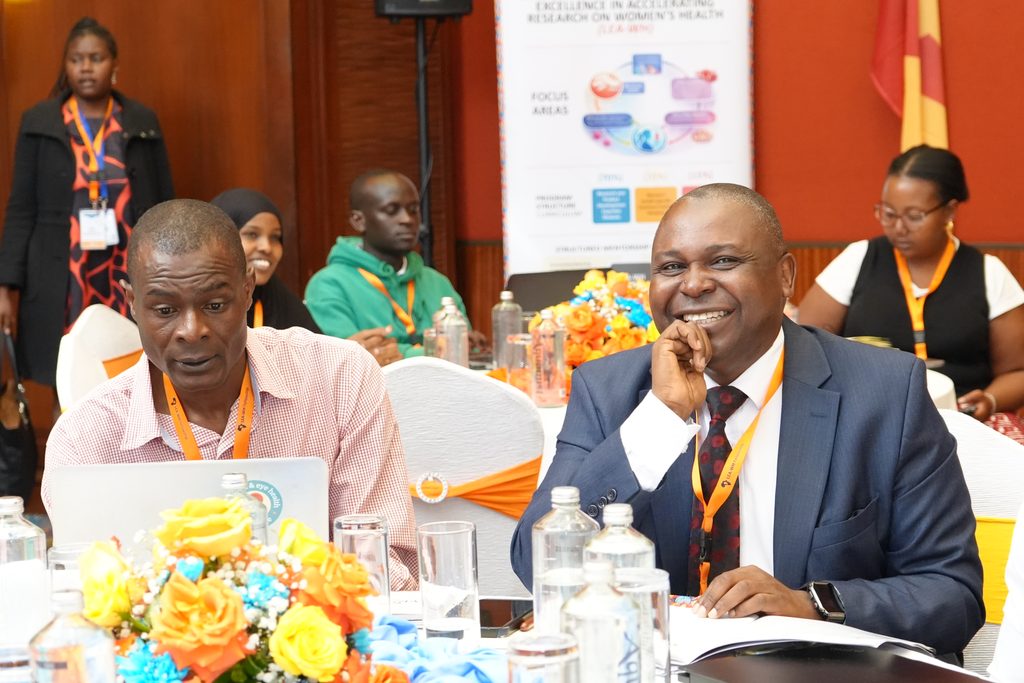
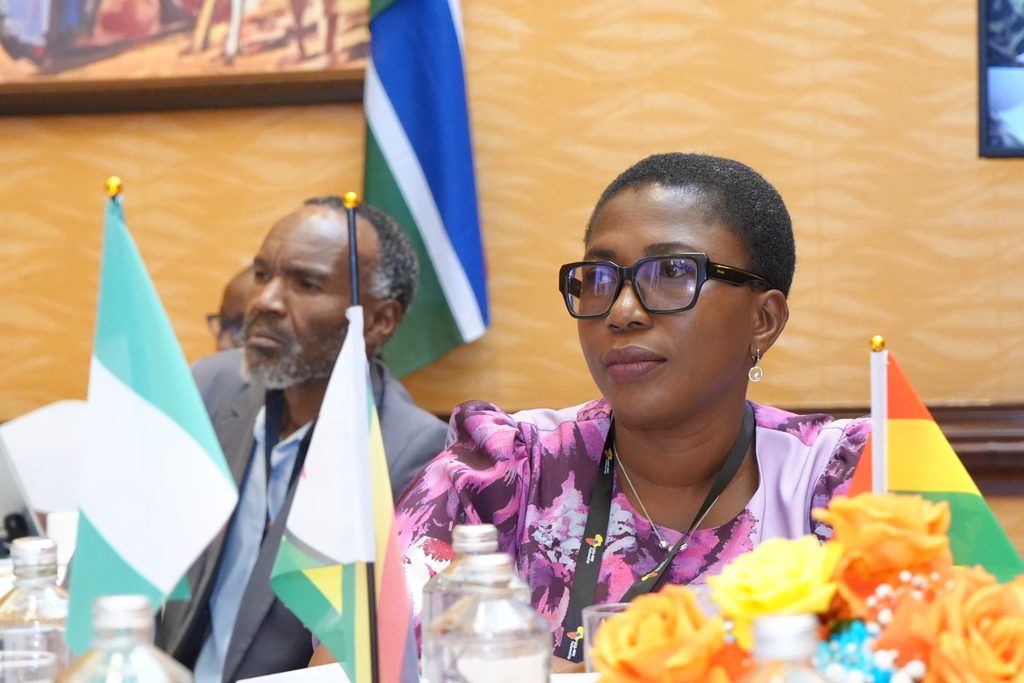
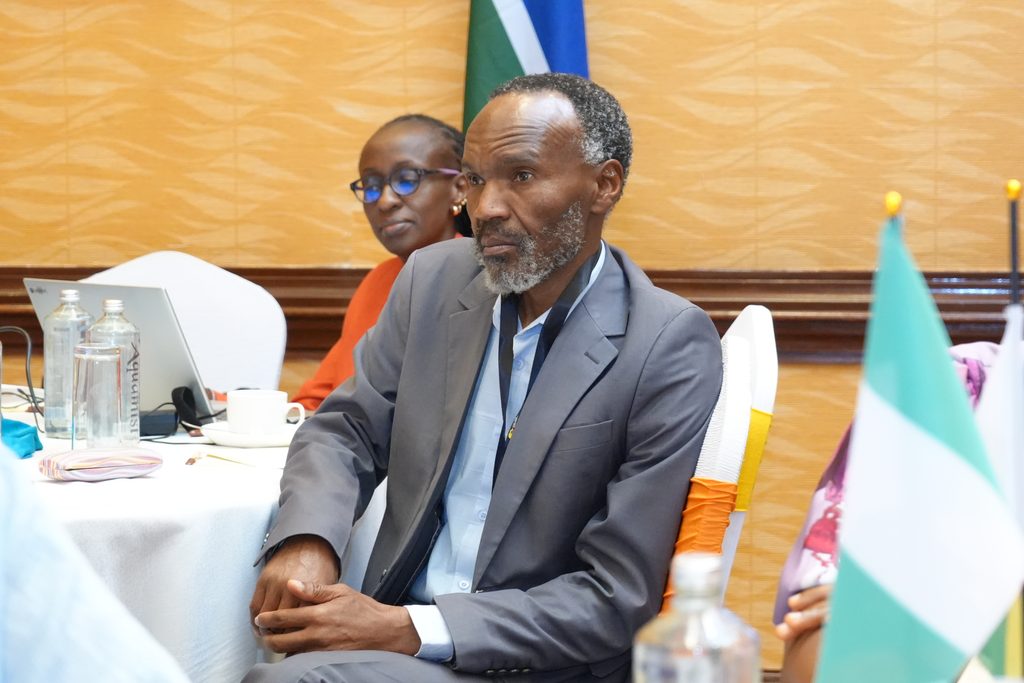
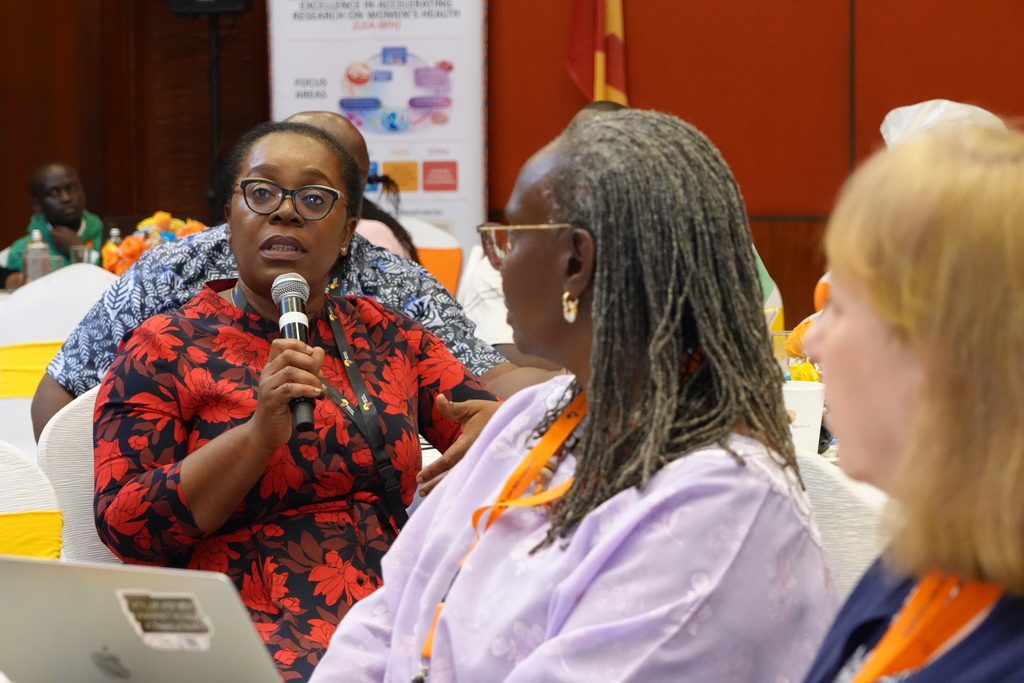
Women’s health research and innovation in Africa are gaining momentum. However, persistent gaps in funding, scientific evidence and product development continue to limit the availability of effective solutions for many conditions affecting women. Bringing together researchers, innovators, investors and development partners, the inaugural Women’s Health Ecosystem Forum (WHEF 2026) seeks to strengthen the partnerships needed to translate African-led research into practical solutions with lasting impact.
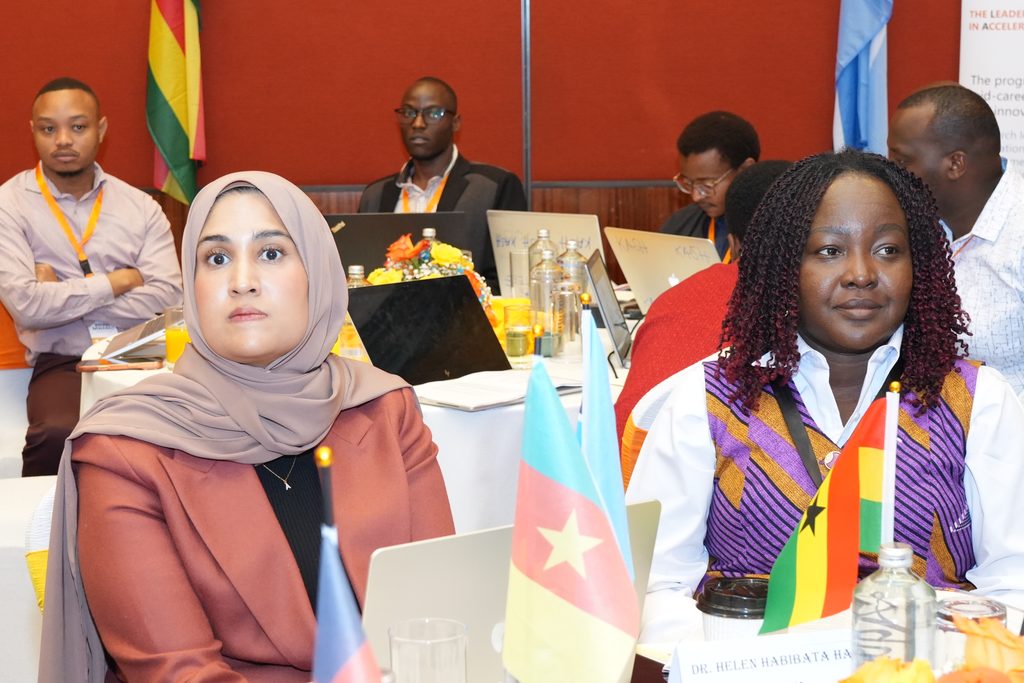
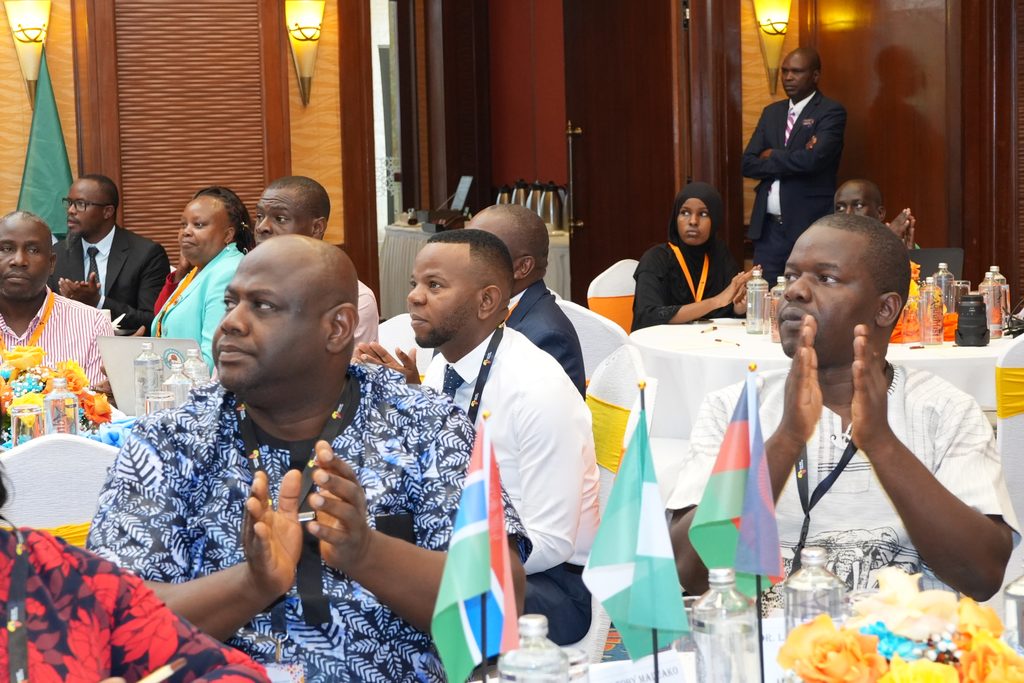
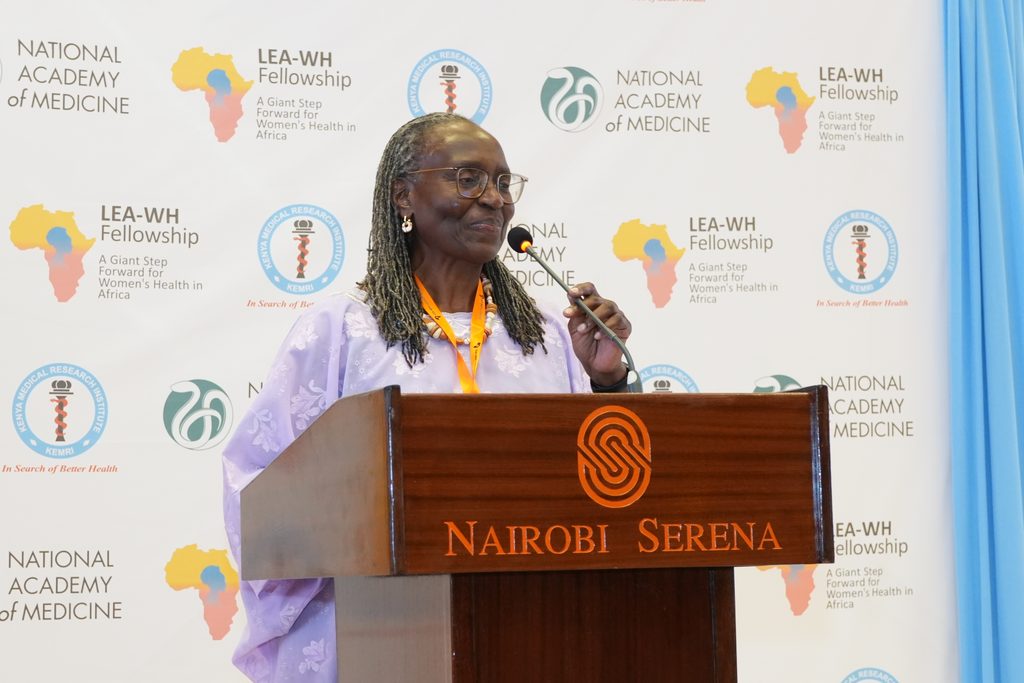
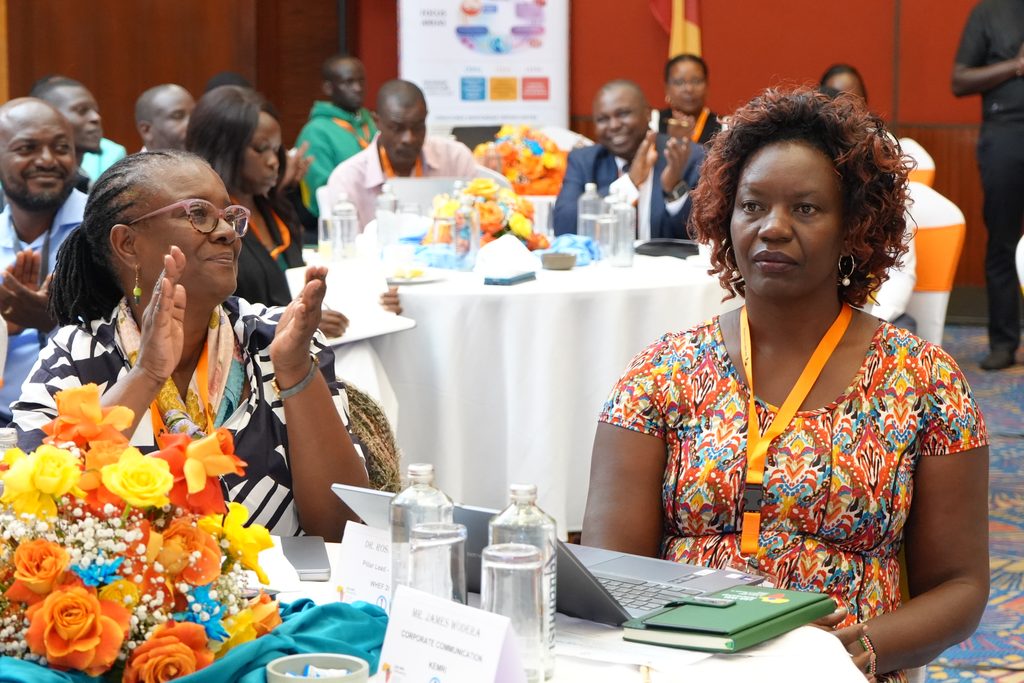
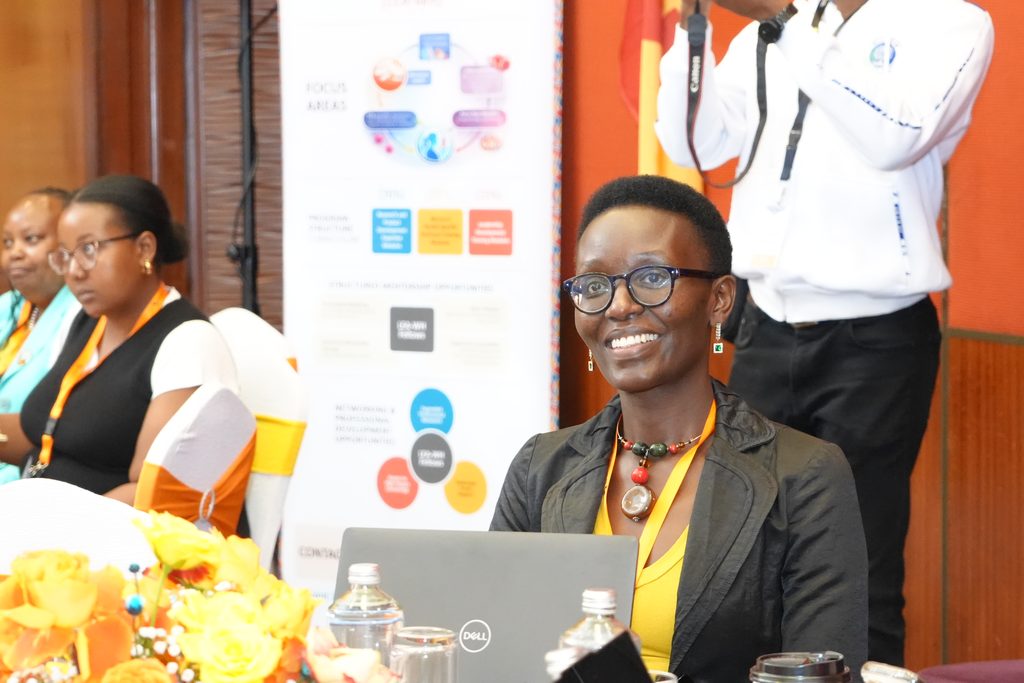
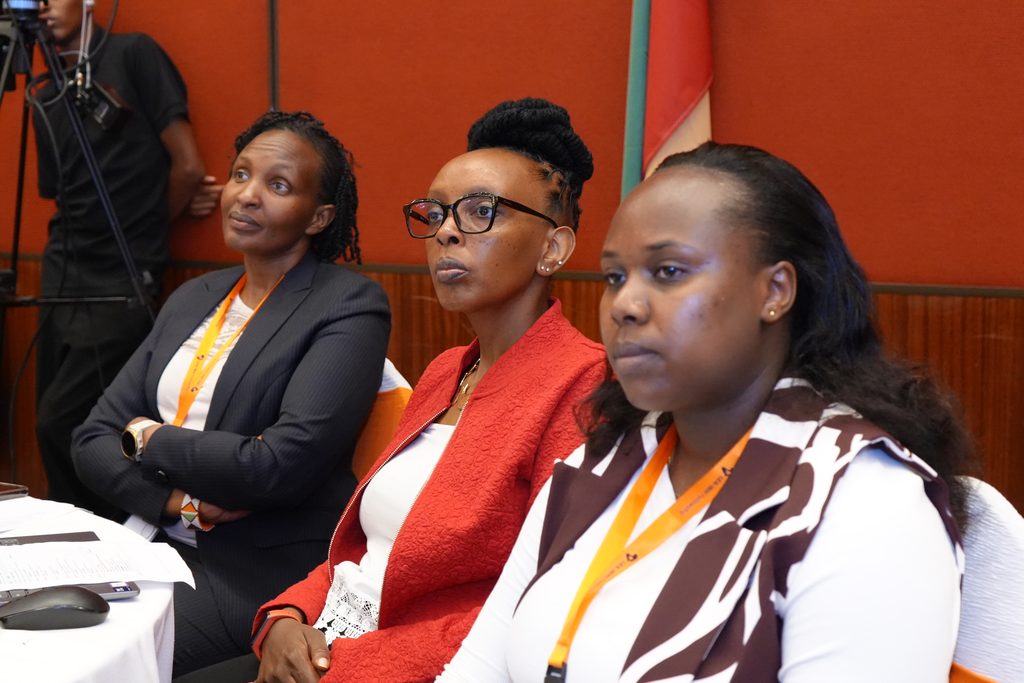
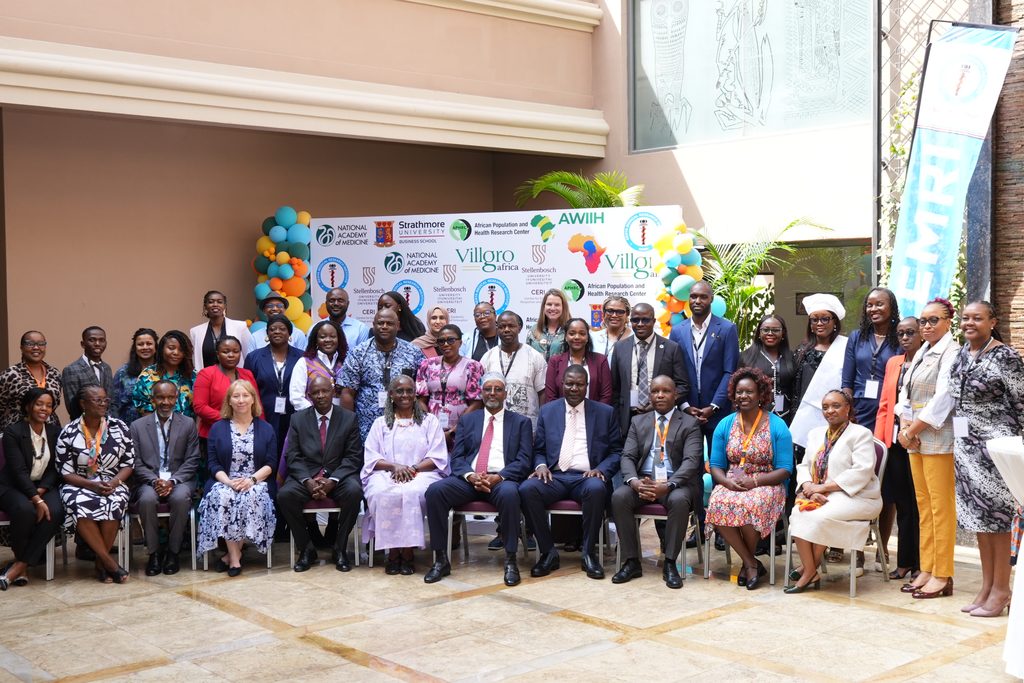
The four-day forum, running from 2nd to 5th November 2026, is convened by the Leadership for Innovation and Excellence in Accelerating Research on Women’s Health (LEA-WH) Fellowship and hosted in partnership with the Kenya Medical Research Institute (KEMRI) and the US National Academy of Medicine (NAM). It is being held under the theme Building Africa’s Women’s Health Ecosystem: Connecting Research, Innovation and Investment.
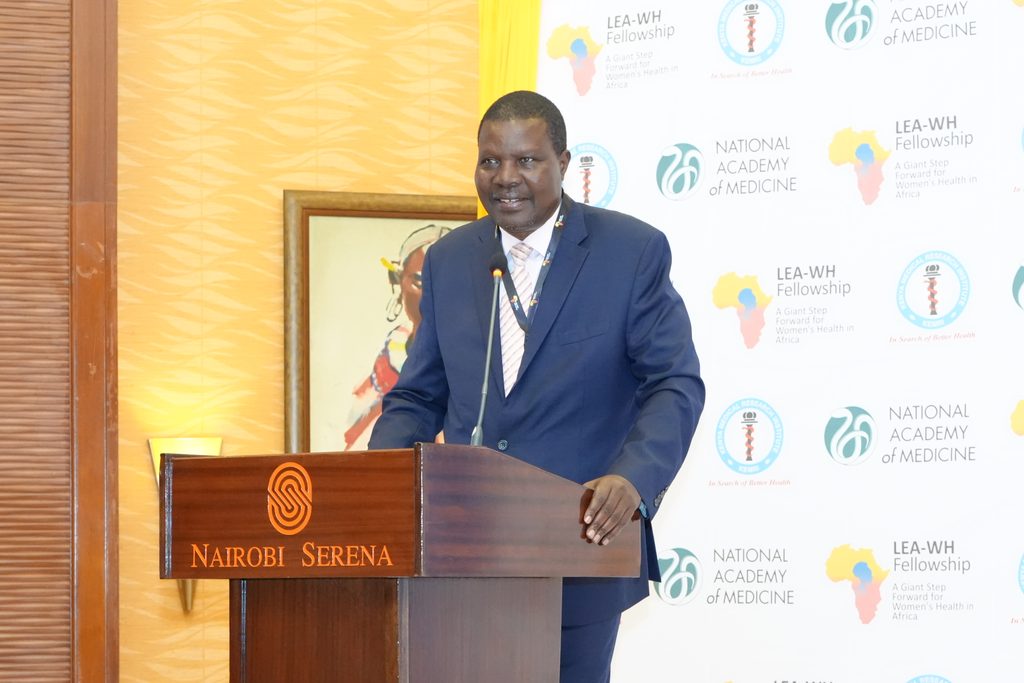
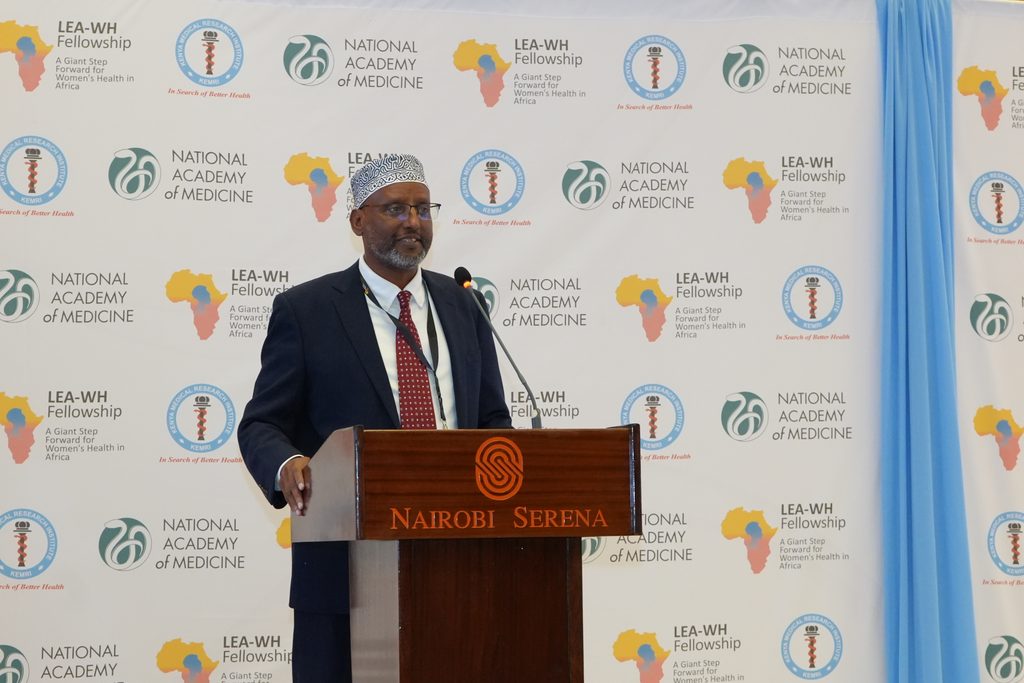
Opening the forum on Tuesday, 3 November 2026, KEMRI’s Vice Chancellor and Chief Executive Officer (VC & CEO), Prof. Elijah Songok, observed that while maternal and reproductive health have received considerable attention, several other conditions affecting women remain under-researched and underfunded.
“These include endometriosis, menstrual disorders, menopause and sexually transmitted infections, where gaps in scientific evidence, diagnostics and treatment options continue to limit progress. The challenge is heightened by limited investment and research-to-market pathways that often fail to account for the realities of African health systems,” said Prof. Songok.
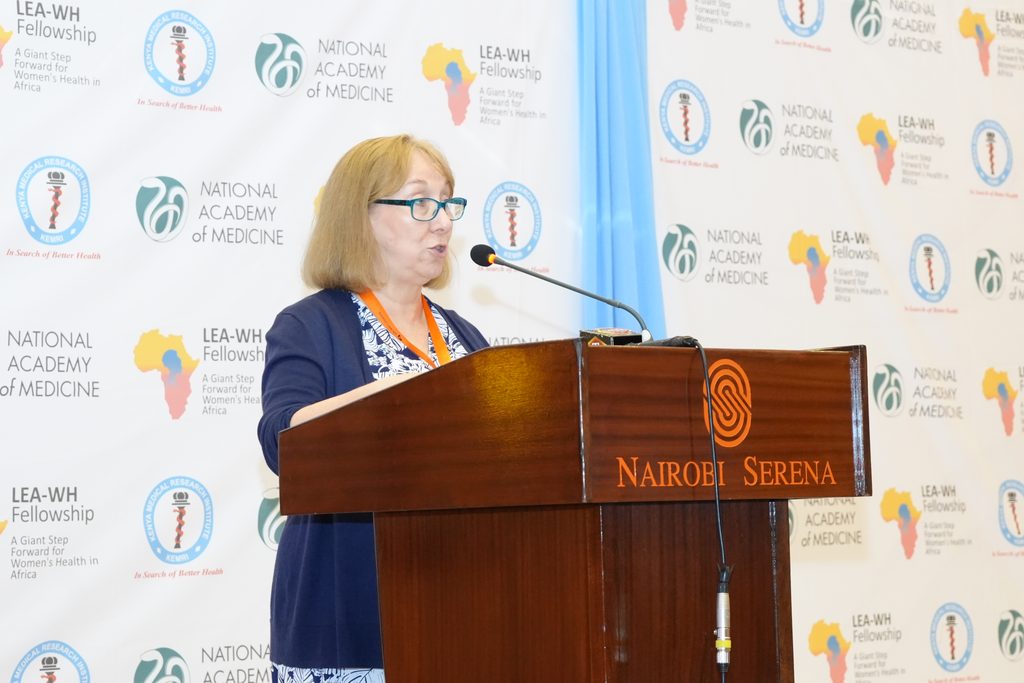
His sentiments were echoed by Dr. Maike Scharp of the Gates Foundation, who delivered the keynote address. She highlighted the longstanding neglect of women’s health research, calling for increased investment beyond traditionally prioritised areas and a broader understanding of women’s health across the life course.
“Women’s health tools haven’t changed in 150 years. The speculum looks the same today as it did 150 years ago, cold, rigid and unchanged. There’s a reason for this: we’ve been neglecting women’s health for too long, and there’s a lot that we can do to change that,” said Dr. Scharp.
It is against this backdrop that the LEA-WH Fellowship was established, with its first cohort bringing together early- and mid-career African researchers and innovators working to address critical gaps in women’s health.
The fellowship supports research and innovation across several priority areas, including sexually transmitted and reproductive tract infections, cervical cancer and human papillomavirus (HPV), the vaginal microbiome, menstrual health, endometriosis, menopause and contraceptive technologies.
A key highlight of WHEF 2026 is the opportunity for fellows to connect their research and innovations with potential funding, investment and commercialisation pathways. This will be facilitated through two parallel programme tracks.
Under The Boma Demo Day, fellows in Product Development and Innovation will showcase their products, innovations and business models to potential investors, accelerators and industry partners. Running alongside it, The Baraza Briefs will provide Reproductive Health Research fellows with a platform to present their research findings and grant proposals to prospective funders for peer review and non-dilutive funding support.
These platforms are designed to bridge the gap between scientific discovery and practical application, helping promising African innovations progress towards development, investment and eventual uptake.
Beyond generating scientific evidence and developing new products, translating research into meaningful health outcomes requires solutions that respond to the realities of the communities and health systems they are intended to serve.
Addressing the forum during the official opening, Prof. James Kiarie of the World Health Organization (WHO) made a strong case for greater continental collaboration and synergies among researchers and innovators. He emphasised the importance of developing accessible solutions suited to primary healthcare settings, alongside strengthening local product development, technology transfer and regulatory collaboration.
“Innovators must design around the constraints of primary healthcare delivery points, communities and low-resource environments. We must also strengthen technology transfer and create pathways that move research from universities and institutions into products that reach healthcare workers and the people who need them,” said Prof. Kiarie.
At the institutional level, Prof. Songok outlined the ambitions of the LEA-WH programme, which include advancing five to ten women’s health products towards market testing, supporting up to ten start-ups and generating new patent applications.
He stressed that the ultimate measure of research success should be its contribution to society and its ability to improve people’s lives.
“Our success must ultimately be measured by impact. At KEMRI, our conviction remains that research must do more than generate publications; it must improve lives. Through LEA-WH, we are taking an important step towards empowering African scientists, strengthening research institutions and accelerating innovations that improve women’s health,” he said.
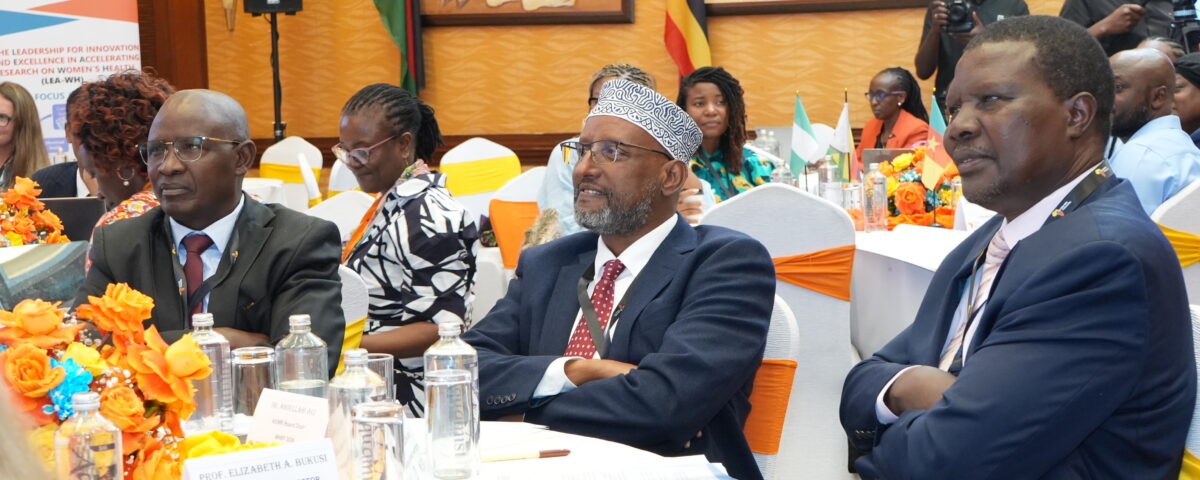
KEMRI Board Chairman, Dr. Abdullahi Ali, also underscored the importance of sustained institutional commitment in building a research and innovation ecosystem capable of addressing women’s health challenges.
“Addressing these challenges requires more than individual research projects. It calls for a strong ecosystem of African scientists, innovators and research leaders equipped to generate evidence, develop products, influence policy and translate scientific knowledge into meaningful improvements in healthcare delivery,” said Dr. Abdullahi.
Equally important to developing effective solutions is ensuring that women’s lived experiences inform research priorities, product development and investment decisions.
In her welcome remarks, LEA-WH Programme Director, Prof. Elizabeth Bukusi, emphasised the need for African women to have a stronger voice in shaping the research agenda and the products intended to address their health needs.
“African women carry a significant share of the world’s reproductive health burden. Yet the evidence, products and funding decisions intended to address these needs are often shaped far from the women they are meant to serve. WHEF exists to help change that by bringing African researchers, innovators and partners together to shape solutions grounded in the realities of our communities,” she said.
The forum therefore provides an important platform to examine the structural and financing barriers that constrain the development and scale-up of women’s health solutions, while exploring opportunities for investment, technology development and stronger partnerships across the ecosystem.
Preparations for the main forum included a leadership development workshop for LEA-WH fellows on 2 November 2026. The workshop focused on strengthening leadership capabilities and stakeholder engagement, with sessions covering stakeholder mapping and strategies for building effective relationships with institutions and partners to advance research and innovation.
The first cohort of the LEA-WH Fellowship brings together researchers and innovators from Cameroon, Nigeria, Ghana, Ethiopia, Malawi, South Africa, Zimbabwe, Uganda and Kenya. The fellowship is a collaborative initiative between KEMRI and the US National Academy of Medicine, with funding from the Gates Foundation.
Also present during the official opening were KEMRI Board Director, Mr. Luka Chemwolo, and representatives of NAM leadership, including Kelly Robbins.
Through its partnership in WHEF 2026, KEMRI continues to advance its commitment to strengthening African research capacity, fostering scientific collaboration and supporting the development of innovative solutions that respond to women’s health priorities across the continent.
The Institute’s LEA-WH Fellowship leadership team comprises Curriculum Development Lead, Dr. Martin Bundi; R&D and Technical Training Lead, Prof. Nelly Mugo; Leadership Development Lead, Dr. Rose Bosire; Co-Investigators, Dr. Hellen Barsosio and Dr. Serah Gitome; and Co-Investigator and Programme Coordinator, Dr. Nyawira Gitahi. KEMRI’s Principal Corporate Communications Officer, Mr. Wodera James, also attended the official opening ceremony.