KEMRI and Partners Launch Handbook to Strengthen Suicide Prevention
September 16, 2026
KEMRI, Kagoshima University Explore New Areas for Research and Training Collaboration
September 16, 2026KEMRI-RAFIKI Holds A Workshop to Advance Drug Discovery and Development in Africa
By Gladys Mathenge
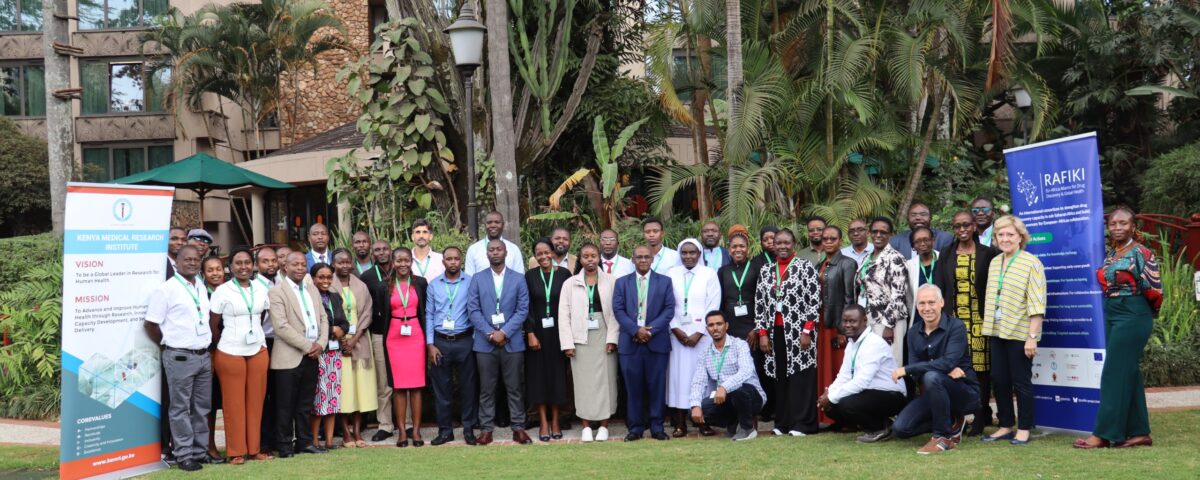
In an effort to advance drug discovery and development in Africa, the KEMRI-RAFIKI (Research Alliance to Foster Infectious Disease research, Knowledge sharing and Innovation) Project, held a four-day comprehensive workshop from 8th to 11th September 2026, focusing on natural-products research, drug discovery and development.
The workshop brought together early-career scientists, researchers and experts from Kenya and across Africa, including Uganda, Cameroon, Ethiopia, Ghana and Tanzania, alongside facilitators from Europe, including, Spain and Germany. The RAFIKI EU-funded project is a 3-year program, that focuses on strengthening capacity for drug discovery and development across sub-Saharan Africa. Through targeted training and infrastructure actions, the project will tackle pressing public health challenges and build new avenues for cooperation between African and European researchers.
The main objective of the workshop was to strengthen practical capacity in natural-products research, drug discovery and development. It provided participants with hands-on exposure to the drug discovery pathway while creating opportunities for knowledge exchange, networking and collaboration aimed at advancing African-led research and translating the continent’s rich biodiversity into innovative health solutions.
Speaking on behalf of KEMRI Vice Chancellor and CEO, Prof. Elijah Songok, Dr. Samoel Khamadi underscored the need for Africa to strengthen its capacity to develop medicines and health technologies that respond to its own health priorities. He noted that while the continent possessed significant scientific talent, biodiversity and research capacity, these resources needed to be translated into tangible products and solutions.
“For too long, Africa has largely been a consumer of medicines and health technologies developed elsewhere. That must change. Africa possesses the biodiversity and scientific ingenuity to become a producer of knowledge, medicines and health technologies. As research scientists, we must play a leading role in this transformation.” Dr. Khamadi said.
He highlighted KEMRI’s specialized laboratories, screening platforms and multidisciplinary expertise, as important foundations for advancing drug discovery and product development. He further emphasized that the goal extends beyond generating scientific knowledge, to ensuring that drug discoveries reached the people who needed them.
He stated that the workshop, supported through the RAFIKI consortium and European Union (EU) Horizon, provided an important opportunity for scientists to learn, share expertise and build collaborations capable of strengthening Africa’s scientific ecosystem.
RAFIKI Principal Investigator Dr. Elizabeth Kigondu, described the initiative as growing pool of researchers presented significant opportunities for the continent to develop solutions to its health challenges. She challenged participants to look beyond research outputs and focus on translating scientific potential into meaningful health products.
“RAFIKI represents more than a training program, It’s a shaper of Africa’s future in drug discovery and development. “Researchers must not only participate in global drug discovery; we should help lead it. We must move from being custodians of biodiversity and providers of research materials, to becoming creators of knowledge, technologies, intellectual property, and medicines.” Dr. Kigondu noted.
The workshop provided participants with practical exposure to the different stages of drug discovery, including the identification and characterization of natural products, biological activity assessment, hit identification, lead discovery and optimization, and the development of safe and effective therapeutics. Participants also engaged with KEMRI’s research platforms and interacted with scientists working across different areas of drug discovery and development.
KEMRI’s Ag. Deputy Director, Centre for Traditional Medicine and Drug Research (CTMDR), Dr. Jeremiah Gathirwa, equally attended the workshop and highlighted the Centre’s role in harnessing Africa’s traditional knowledge, biodiversity and scientific expertise to generate evidence-based health solutions.
“The CTMDR was established with a clear purpose, to harness Africa’s rich traditional knowledge, biodiversity and scientific expertise and translate them into evidence-based health solutions.” He stated.
He noted that the Centre’s platforms and skilled scientists enabled researchers to connect different disciplines along the drug discovery pathway, from natural-product identification and characterization to laboratory screening and pharmacological evaluation.
“Africa has enormous biological resources, but resources alone do not create medicines. It takes skilled scientists, strong institutions, advanced platforms, and strategic partnerships to convert biological wealth into health solutions. And KEMRIRAFIKI project through CTMDR is committed to playing its part.” Dr. Gathirwa added.
The workshop also featured technical sessions from experts in natural-products research and drug discovery, including Fundación MEDINA, Dr. Olga Genilloud, KEMRI Ag. Deputy Director, Centre for Community Driven Research, Dr. Sospeter Njeri, University of Buea (UoB), Prof. Fidele Ntie-Kang, Senior Research Scientist, CTMDR, Dr. Beatrice Irungu, CTMDR PhD student, Mr. Ephantus Ndirangu and KEMRI-RAFIKI Project coordinator, Ms. Robi Chacha.
Discussions explored the chemical diversity of natural products, the role of microorganisms in discovering novel compounds, community engagement and ethnobotany, as well as the application of computer-aided drug design and African natural-products databases in accelerating discovery.
Throughout the four days, participants were encouraged to establish collaborations that could extend beyond the workshop and contribute to joint research, publications, innovation and future drug development programmes. Dr. Kigondu urged participants to adopt a broader view of drug discovery and focus on building complete pathways from scientific discovery to real-world impact.
The workshop concluded with discussions on strengthening the KEMRI-RAFIKI EU-Africa Alliance for Drug Discovery and Global Health, with participants underscoring the importance of sustained AfricaEurope partnerships, knowledge sharing and continued investment in scientific capacity.
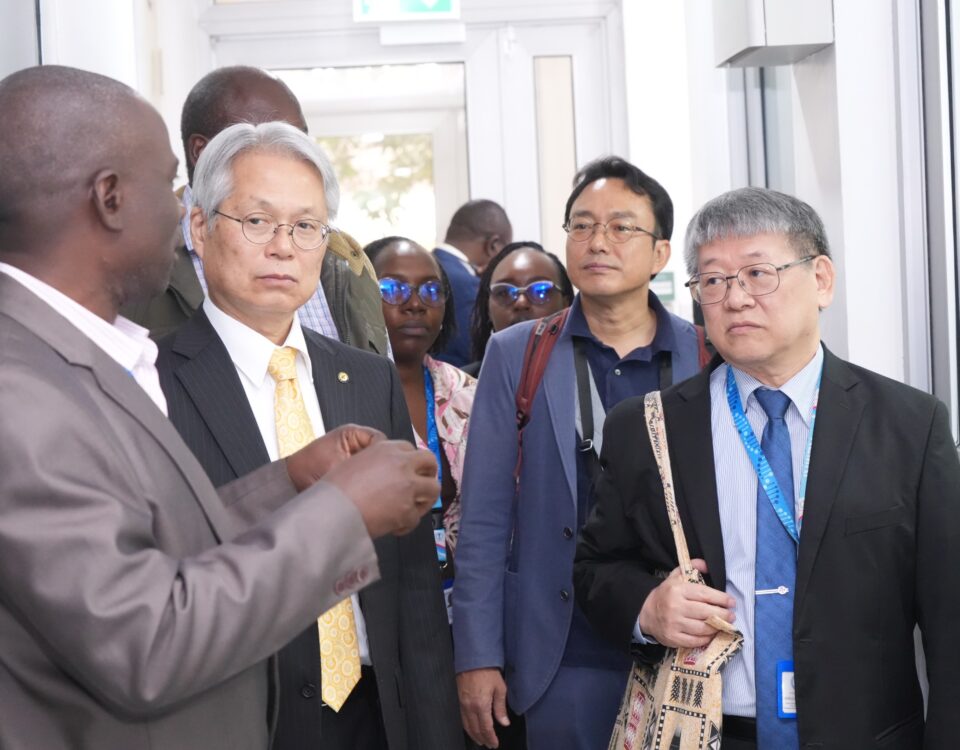
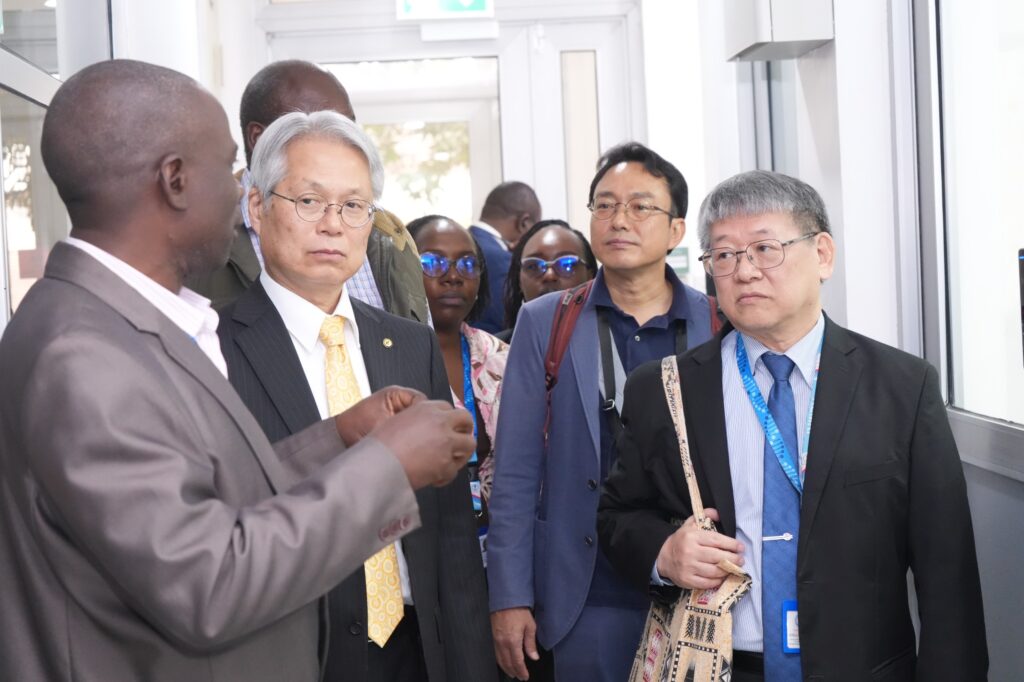
The engagement was crowned by the awarding of certificates to participants, recognizing their participation and completion of the comprehensive training programme. Participants also toured KEMRI’s research centres, gaining first-hand insight into the institution’s scientific ongoing work in research, drug discovery and development.
Through the KEMRI-RAFIKI workshop, participants not only gained practical skills across the drug discovery pathway but also explored opportunities for future scientific collaboration. The engagement reinforced a shared commitment to strengthening Africa’s capacity to move from scientific discovery to innovation and, ultimately, to health solutions that respond to the continent’s needs.