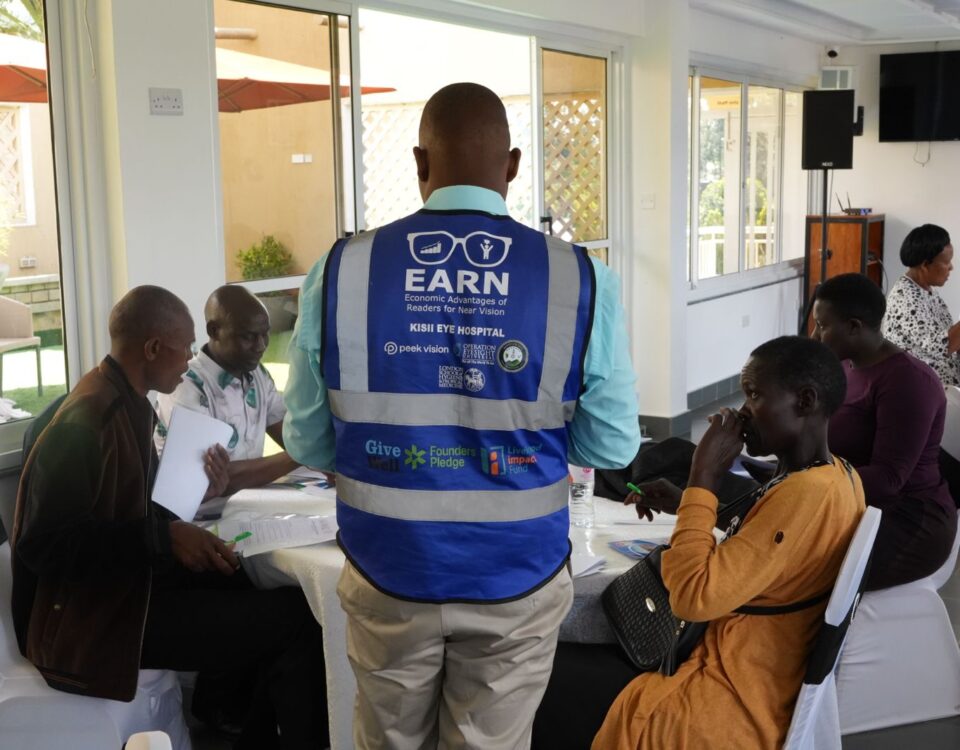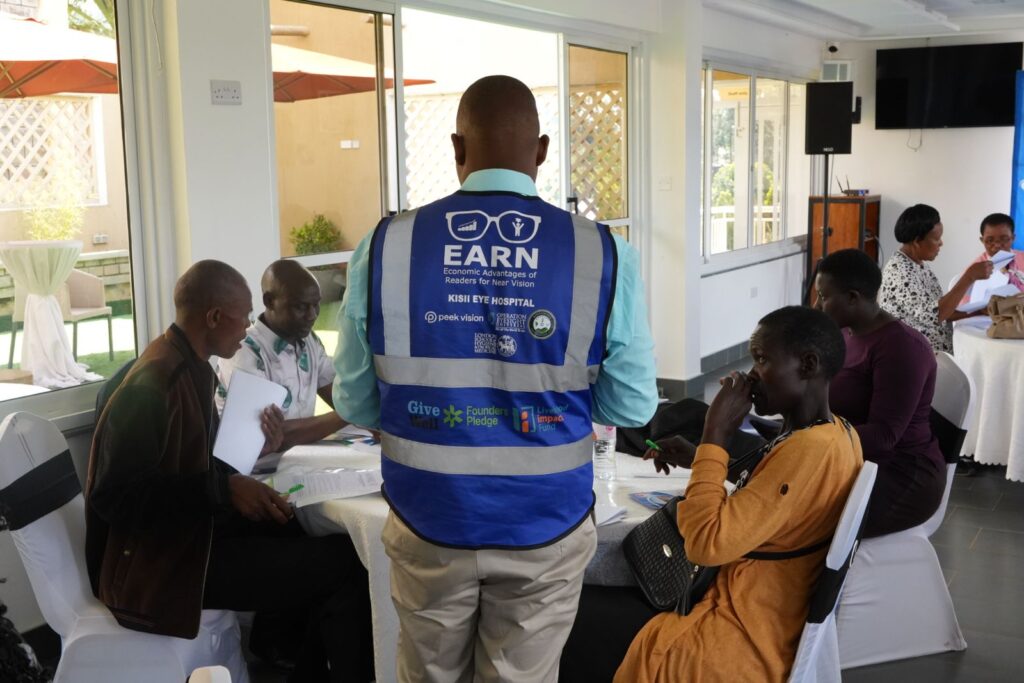

MoMS-ATS team prepares for participant enrolment in Bungoma
October 7, 2026
KEMRI, Japan Explore Opportunity to Deepen Collaboration
October 7, 2026The Mother’s Micronutrient Supplement for Pregnancy and Lactation Study (MoMS) enters formative stage
BY STELLA NJUNG’E
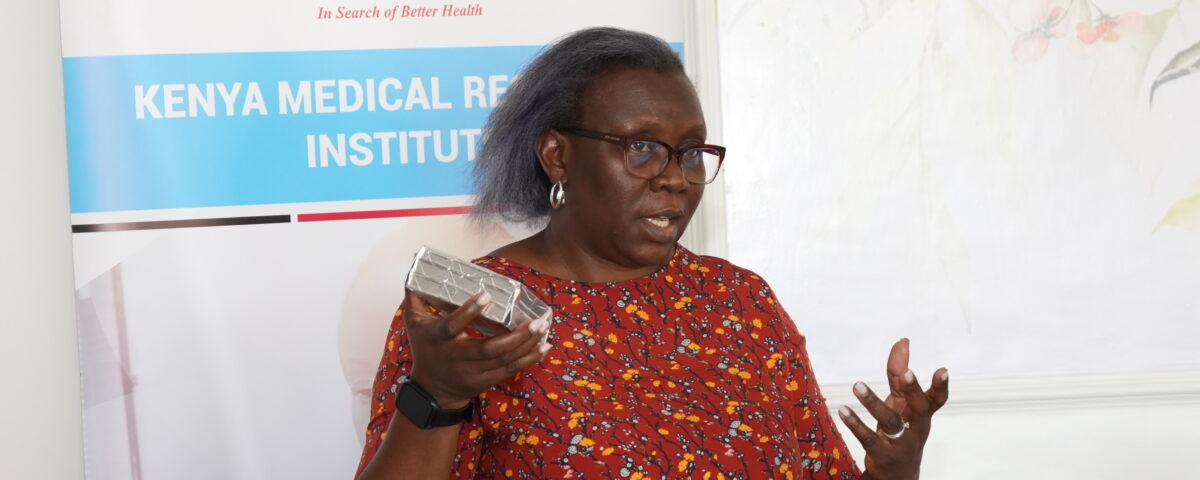
The Mother’s Micronutrient Supplement for Pregnancy and Lactation Study (MoMS) entered its formative phase in March with the launch of a Dietary Assessment and Acceptability Testing Study (ATS), now underway in Bungoma County. Following community engagement activities, the study is preparing to enroll 108 pregnant women at the Ndalu Health Centre site to assess the acceptability of, barriers to use of, and adherence to three different multiple micronutrient supplement formulations.
The formulations under evaluation extend beyond Kenya’s current iron and folic acid supplementation (IFAS) approach to include additional nutritional components. The study will assess women’s experiences with the different formulations including taste, smell, colour and texture, while also identifying barriers and enablers affecting continued use. Beyond individual assessments, focus group discussions will be held with a subset of participants to gain deeper insight into their experiences, preferences and concerns, informing how the product is ultimately refined and delivered.
The ATS sets the context for the wider MoMS study, which seeks to develop and evaluate an improved multiple micronutrient supplement for pregnancy and lactation. The formative phase will provide important evidence on the acceptability and practical use of the formulations before the wider research moves into its main trial. The larger study will also investigate how improved maternal micronutrient supplementation may influence outcomes including birth weight, infant growth and body composition, neurodevelopment and metabolic health.
At KEMRI, the MoMS study is led by Principal Investigator (PI) Dr. Zipporah Bukania, with Dr. Hellen Barsosio, Mr. Moses Mwangi and Ms. Vyolah Chuchu as Co-Investigators, in collaboration with researchers in Kenya, Norway and Denmark. By examining nutrition during pregnancy and lactation and its potential effects on mothers and their children, the research seeks to generate evidence on how improved nutritional interventions could contribute to better maternal and child health outcomes.
This research comes at a time when maternal micronutrient nutrition remains an important public-health concern. During pregnancy, nutrient requirements increase to support both maternal health and fetal growth and development. Globally, the World Health Organization (WHO) estimates that more than 40% of pregnant women are anaemic, with at least half of the burden assumed to be attributable to iron deficiency. WHO recommends daily iron and folic acid supplementation during pregnancy to help prevent maternal anaemia and reduce the risk of low birth weight and preterm birth.
In Kenya, the Ministry of Health reported in 2025 that more than 40% of pregnant women were anaemic and more than 80% of women and children had zinc deficiency. The Ministry subsequently launched a Multiple Micronutrient Supplementation Implementation Research Agenda to generate local evidence on the feasibility, acceptability and effectiveness of MMS as Kenya considers the transition from IFAS to MMS.
This direction is also aligned with the World Health Organization’s updated recommendation on antenatal multiple micronutrient supplementation. WHO recommends antenatal multiple micronutrient supplements containing iron and folic acid in the context of rigorous research, noting that the available evidence has largely come from low- and middle-income countries and that its applicability can vary across populations and settings. WHO further identifies implementation research including assessment of acceptability, feasibility, sustainability, equity and cost-effectiveness as important where countries are considering a transition from iron and folic acid supplementation to multiple micronutrient supplementation.
The MoMS formative studies respond directly to this need for context-specific evidence. The Bungoma Dietary Study, conducted in March and April 2026, provides information on dietary intake, nutritional status and health-system readiness, while the subsequent Acceptability Testing Study is examining women’s experiences, preferences, barriers and enablers related to the proposed formulations. Together, these studies contribute local evidence that can help inform decisions on the feasibility and implementation of multiple micronutrient supplementation in Kenya.
Against this backdrop, understanding what women can accept and consistently use becomes an important part of developing any potential supplementation approach. The MoMS-ATS is designed to generate this practical evidence before the formulations progress to the larger trial. While the wider MoMS study will investigate whether the improved formulation can influence important maternal and child health outcomes, the ATS first asks a more fundamental question: will women accept the formulation, and what factors could help or hinder consistent use?
This evidence will inform product development and refinement, ensuring the final formulation is not only nutritionally effective but also acceptable and practical for the women it is intended to benefit. By grounding the wider MoMS study in the realities of women’s experiences, the ATS helps lay the foundation for a supplement that women are willing and able to use consistently throughout pregnancy and lactation.