
East Africa urged to turn malaria genomic data into action
October 15, 2026
A Win for KEMRI as Two Collaboration Areas Emerge from Korean Biotech Firm CEO’s Visit
October 15, 2026KEMRI SERU Stakeholders Push for Faster Research Approvals, Digital Transformation and Stronger Ethics Oversight
BY GLADYS MATHENGE
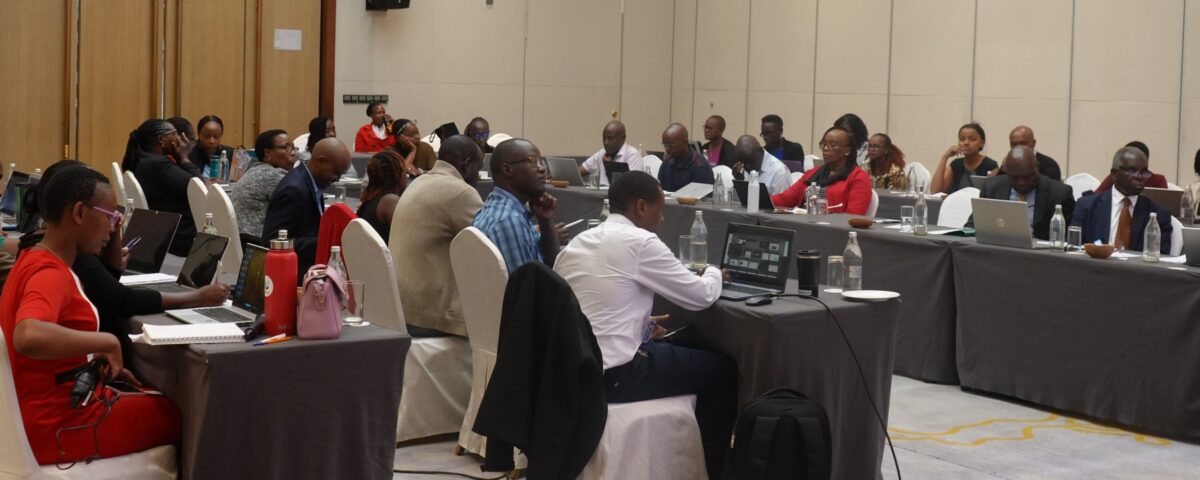
KEMRI, through its Scientific and Ethics Review Unit (SERU), held a three-day stakeholder engagement workshop from 7th to 9th October, 2026, to strengthen research ethics oversight, streamline clinical trial approvals and advance the digital transformation of research submission and review processes.
The workshop brought together stakeholders from KEMRI, the National Commission for Science, Technology and Innovation (NACOSTI), the Pharmacy and Poisons Board (PPB) and research ethics committees to discuss the ethics benchmarking baseline assessment, a proposed dedicated clinical trials review pathway and the piloting of a newly developed digital submission and review system.
Opening the meeting, KEMRI’s Acting Director of Research and Development, Dr. Erick Muok, commended SERU leadership, its secretariat and committee members for their continued commitment to safeguarding research participants and upholding ethical standards in scientific research.
Dr. Muok emphasised the need for SERU to improve research approval timelines in line with KEMRI’s institutional transformation and ambitions to remain competitive locally and internationally. He highlighted clinical trials as a key institutional strength, supporting the proposed establishment of a dedicated clinical trials review committee and enhanced coordination among SERU, Centre Scientific Committees (CSCs), the Pharmacy and Poisons Board (PPB) and the National Commission for Science, Technology and Innovation (NACOSTI). He stressed that streamlining reviews and strengthening parallel review processes should go hand in hand with maintaining scientific rigor, ethical standards and the safety of research participants.
“The management appreciates SERU for the continued improvements in efficiency and urges the team to sustain these efforts by further reducing research approval timelines to keep KEMRI competitive locally and internationally, without compromising quality. Clinical trials remain an important institutional strength, and establishing a dedicated clinical trials review committee will be a significant step towards strengthening our clinical research capacity. We must ensure that every review upholds the highest standards of scientific integrity, research ethics and participant safety. The development of an internal digital platform presents an opportunity to digitize more than 12 processes identified for improvement, enhance efficiency and accountability, and create a system that can eventually be extended to KEMRI centres and integrated with national platforms such as those of NACOSTI and PPB. Management remains committed to supporting these improvements to ensure that SERU delivers timely, efficient and high-quality research ethics review,” Dr. Muok said.
The platform developed and managed by KEMRI’s ICT team, is designed to reflect the institution’s specific operational requirements. During the workshop, stakeholders tested its applicant, reviewer and administrative modules, identified gaps and proposed improvements ahead of pilot implementation.
The engagement also featured a World Health Organization (WHO) ethics benchmarking exercise to assess SERU’s existing practices against indicators of a well-functioning research ethics committee. The baseline self-assessment was intended to identify gaps, inform capacity strengthening and guide improvements in the quality and consistency of ethics review.
NACOSTI representative, Ms. Teresiah Nyawira, reaffirmed its commitment to working with KEMRI and other regulatory partners to strengthen national research oversight, improve digital integration and streamline ethics review processes. The Commission emphasized the need for research institutions and regulatory agencies to develop interoperable systems that reduce duplication, improve coordination and make regulatory processes easier to track.
Emphasizing the importance of collaboration, NACOSTI, Ms. Teresiah Nyawira stated, “Ultimately, our users are researchers, and our responsibility is to ensure that the safety and well-being of research participants remains at the centre of what we do. We therefore support KEMRI’s investment in strengthening its systems. The KEMRI TRACE (Trial Regulation and Clinical Ethics Optimization) project team and the NACOSTI team will work closely together, and we will support whatever is required from our end. NACOSTI is committed to providing the necessary technical and institutional support.”
The proposed approach aims to improve efficiency while maintaining clear accountability and appropriate ethical safeguards for research participants. Head of SERU, Mr. Enock Kebenei, highlighted the importance of using the workshop to assess the digital platform’s readiness and ensure that it addressed the institution’s operational needs. He explained that the engagement provided an opportunity to review progress, discuss proposed improvements and conduct practical testing with stakeholders.
“The digital system has three main modules. The first is the applicant module, through which applicants will be able to interact with the system and submit their information and proposals. The second is the reviewer module, which will enable reviewers to access the necessary information and undertake their review processes. The third relates to the administrative functions of the system,” Mr. Kebenei stated.
Head SERU, Mr. Enock Kebenei also recognized the contribution of external SERU committee chairs, Mr. Ambrose Rachier (Committee A), Ms. Amolo Okero (Committee B) and Prof. Stephen Muhudhia (Committee C), whose participation is very impactful to the ethics review.
The Pharmacy and Poisons Board (PPB) representative, Dr. Christabel Khaemba, emphasized that collaboration among regulatory agencies and research institutions would help strengthen oversight, improve efficiency and support the safe conduct of clinical research.
“Effective regulation of clinical trials is critical to protecting research participants and ensuring that new medical interventions are supported by credible scientific evidence. We must remain responsive to emerging research needs while upholding the standards that safeguard public health,” Dr. Khaemba noted.
In her closing remarks, Senior Principal Clinical Research Scientist, Prof. Elizabeth Bukusi thanked the KEMRI SERU leadership, secretariat and workshop participants for their dedication and contribution towards the development of the digital submission and review system. She described the milestone as a long-awaited achievement, recalling earlier efforts in 2017 to establish an electronic system that did not materialize. “For me, this is a dream come true. We had hoped to achieve this many years ago, and I am glad to see how far we have come. By improving our systems and making them more efficient, we will serve not just KEMRI and Kenya, but mankind,” she said.
She acknowledged the valuable contribution of external committee members, recognizing the time and effort they dedicated to supporting KEMRI’s work and strengthening research ethics review processes. She thanked all participants for their commitment and contributions towards the successful development of the digital submission and review system.