
Researchers’ Novel Efforts Strengthen Continental Maternal Vaccine Safety
October 23, 2026KEMRI’s Proposed New Governance Reforms Ahead of Postgraduate Training Launch
October 23, 2026KEMRI and Global Partners Launch Clinical Trial to Improve Diarrhoea Treatment Outcomes in Children
BY GLADYS MATHENGE
The Kenya Medical Research Institute (KEMRI), in collaboration with Amsterdam University Medical Centers (Amsterdam UMC), has launched a five-year clinical trial to determine whether targeted antibiotic treatment can reduce deaths and hospitalisation among malnourished children with acute watery diarrhoea in Kenya and Tanzania.
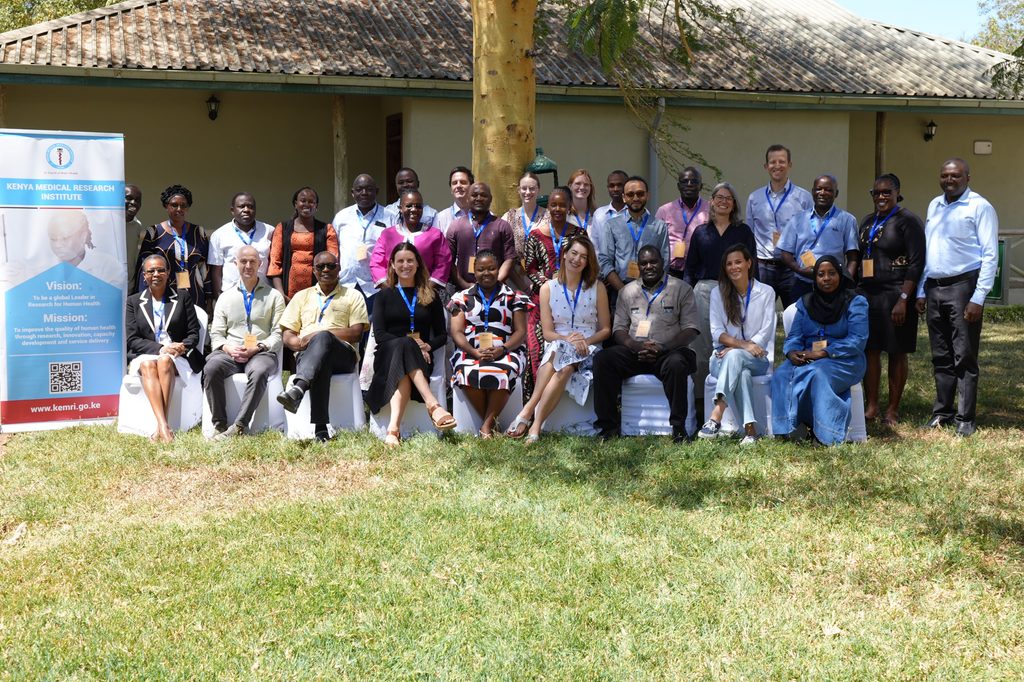
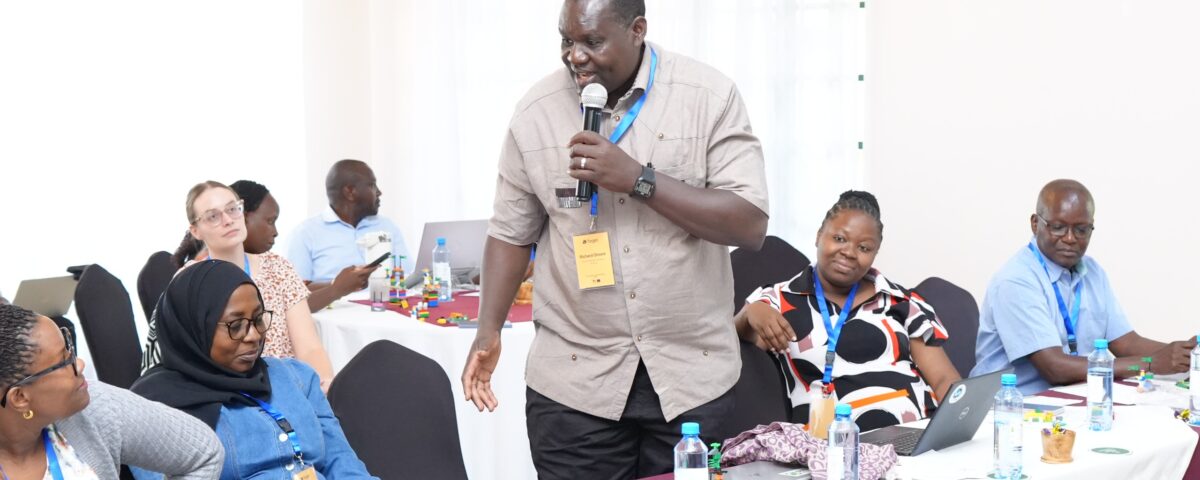
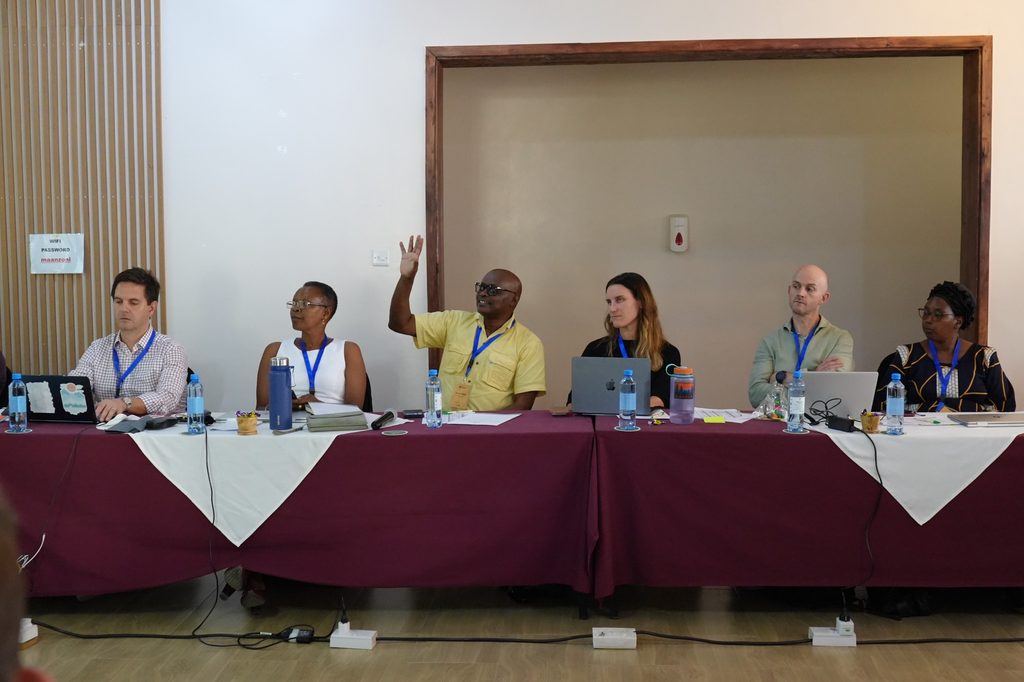
The Targeted Antibiotic Therapy for High-Risk Children with Watery Diarrhoea and Malnutrition (TARGET) study seeks to address a critical gap in the management of diarrhoeal disease among children at high risk of severe illness. The project’s three-day consortium kick-off meeting was held in Kenya from 13 to 15 October 2026, bringing together researchers and partners to align on the study’s objectives, implementation plans and collaborative framework.
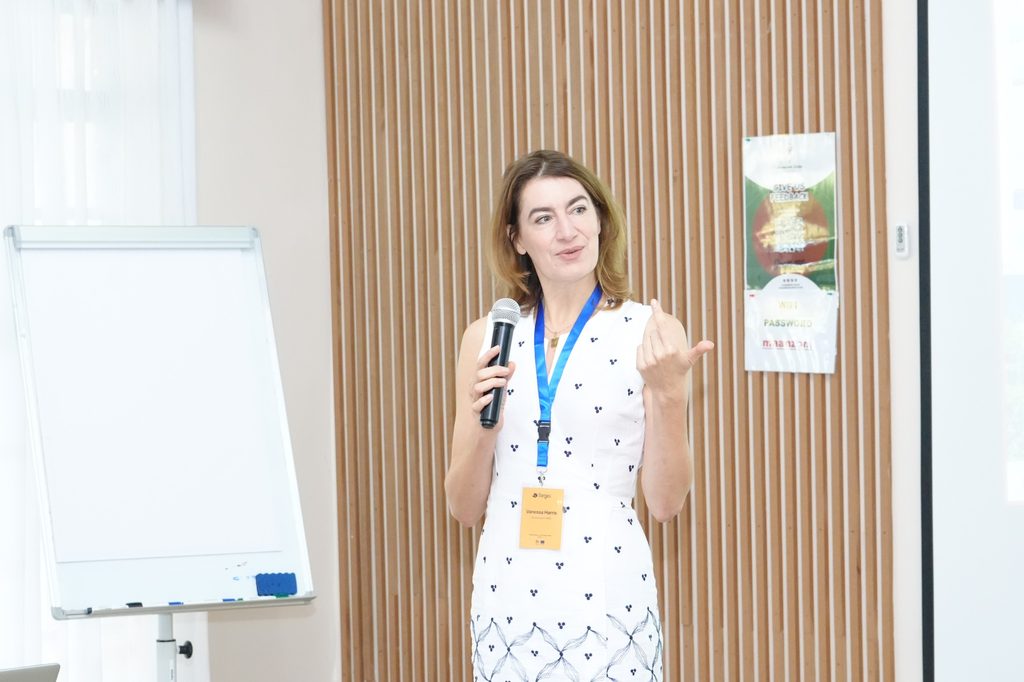
The study is led by Amsterdam UMC Clinical Infectious Disease Specialist Dr. Vanessa Harris and KEMRI Principal Investigator Dr. Richard Omore. It is supported by the Global Health EDCTP3 Joint Undertaking and its members, with co-funding from the European Union.
Diarrhoeal disease remains a major cause of illness and death among children under five, particularly in sub-Saharan Africa. Although current World Health Organization (WHO) guidelines do not routinely recommend antibiotics for acute watery diarrhoea, bacterial infections may contribute to severe outcomes in some children. Malnutrition further increases children’s vulnerability to infections and complications, highlighting the need for robust scientific evidence to guide treatment decisions in this high-risk population.
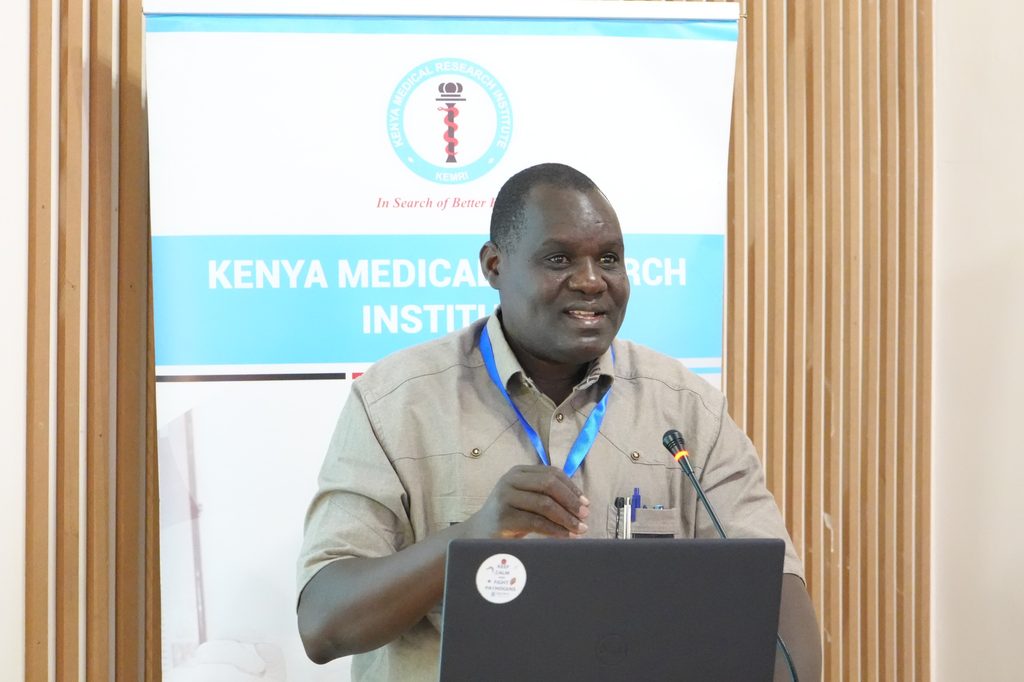
Speaking during the launch, Dr. Omore emphasised the importance of generating rigorous scientific evidence to establish whether carefully targeted antibiotic treatment could improve outcomes without exposing children unnecessarily to antibiotics. He urged consortium partners to prioritise research ethics, child safety, data quality and regulatory compliance while strengthening coordination and accountability throughout the study.
“We must generate robust evidence to guide decisions rather than rely on assumptions. At the same time, our commitment to antimicrobial stewardship must remain central. Our goal is not just to give more antibiotics, but to establish whether the right treatment for the right child can make a meaningful difference. As we move forward towards implementation, we must maintain the highest standards of scientific rigour, research ethics, safety and data quality, and regulatory compliance. Every child and caregiver who participates in this study must be placing trust in us. We must honour that trust through respectful engagement, careful clinical oversight, transparent reporting and faithful adherence to the protocol,” he said.
Dr. Omore further underscored the importance of strengthening collaboration among participating institutions, noting that the study presents an opportunity to build research capacity, deepen partnerships and generate evidence that could inform clinical practice and future policy. He called on partners to agree on realistic timelines, clearly defined responsibilities and practical implementation plans to support the successful delivery of the trial.
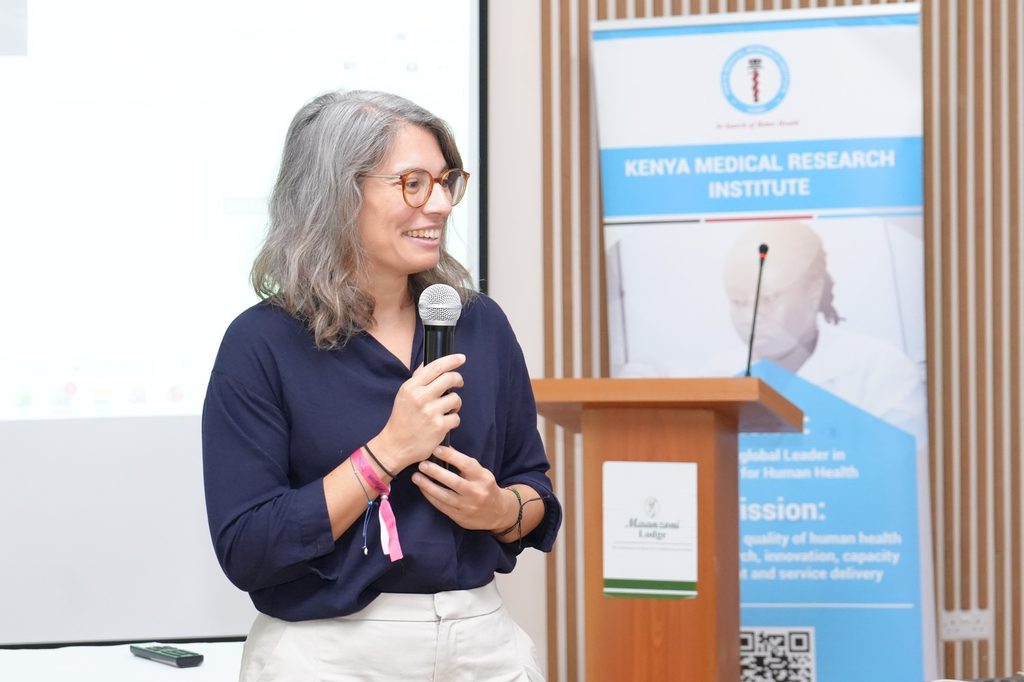
Dr. Harris highlighted the value of international and multidisciplinary collaboration in addressing complex child health challenges, expressing optimism that the study would strengthen the evidence base for paediatric care and inform future treatment approaches.
“This is a great opportunity to address an important gap in the management of children with malnutrition and acute watery diarrhoea. By bringing together a multidisciplinary and committed group of researchers in Kenya and Tanzania, we hope to generate evidence that will deepen our understanding of the disease, inform clinical decision-making and contribute to improving treatment approaches for some of the most vulnerable children. I feel very fortunate to work alongside such a driven group of collaborators on this landmark study, whose findings could ultimately help shape future diarrhoeal treatment guidelines,” she said.
The clinical trial will enrol approximately 2,800 children in Kenya and Tanzania. Researchers will compare azithromycin and ciprofloxacin with a placebo to determine whether targeted antibiotic treatment can reduce deaths and hospitalisation among malnourished children with acute watery diarrhoea.
Beyond evaluating treatment outcomes, the study will investigate stool-based biomarkers that could help identify children most likely to benefit from antibiotics. Laboratory investigations, including bacterial culture and whole-genome sequencing, will provide further insights into bacterial infections and antimicrobial resistance. The project will also examine the relationship between climate change and diarrhoeal disease and incorporate social science research to inform the implementation of the trial.
Capacity development is another key component of the initiative. The project has advertised three PhD and six Master’s degree scholarships to support emerging researchers, strengthen local scientific expertise and develop the skills needed to advance child health research in the region.
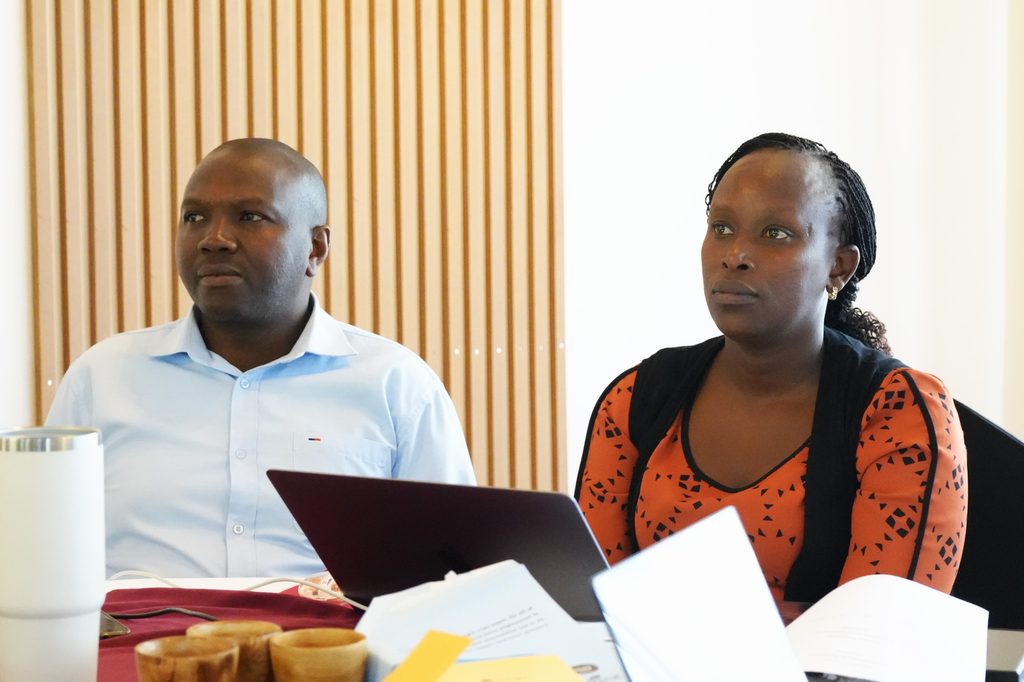
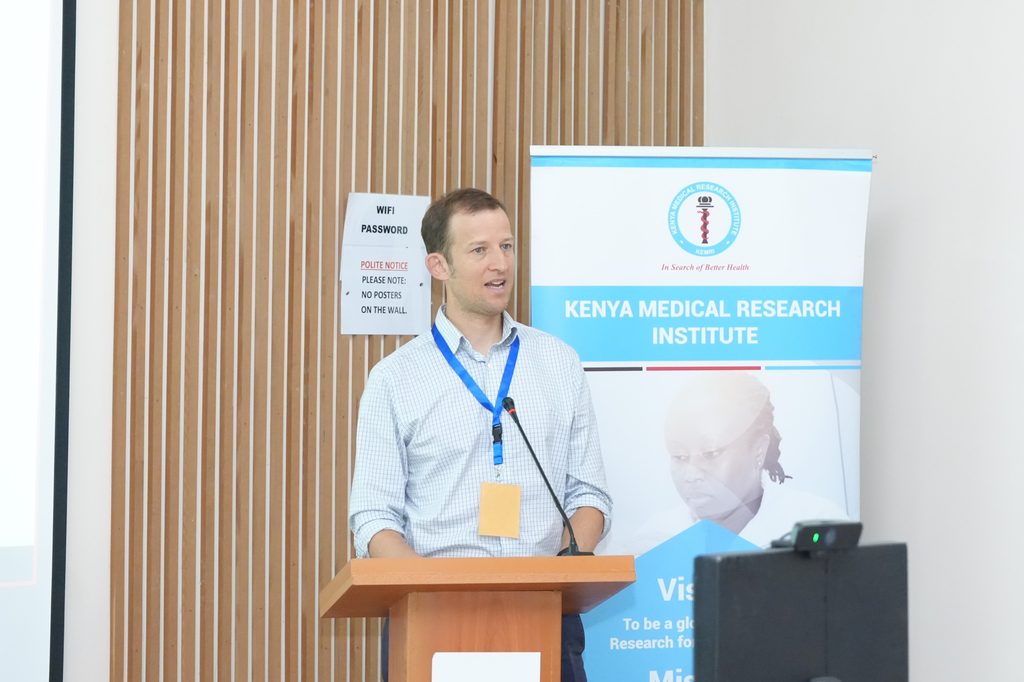
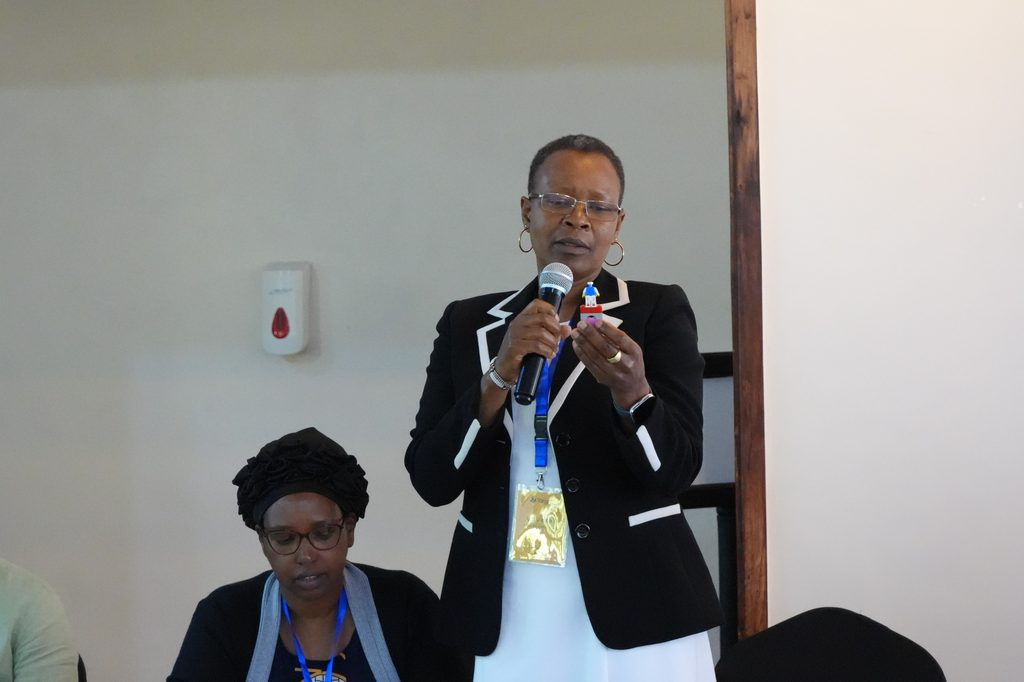
Representing Tanzania, Dr. Sifa Katengu highlighted the importance of addressing the treatment challenges faced by children with malnutrition and acute watery diarrhoea in both countries. She noted that the study would contribute to a better understanding of how these children could benefit from treatment, particularly given their vulnerability to severe illness and the need for evidence to guide clinical decisions.
“Being part of this study is particularly meaningful because, in Tanzania and Kenya, through the TARGET study, we have an opportunity to better understand how these children can benefit from treatment and contribute to evidence that could help health workers in bettering their care to the given children. I look forward to what we can achieve together for the children and communities we serve,” she said.
The consortium brings together Amsterdam UMC in the Netherlands; KEMRI in Kenya; Haydom Lutheran Hospital, the National Institute for Medical Research (NIMR) and the Tanzania Meteorological Authority (TMA) in Tanzania. Associated partners include the University of Virginia, Emory University and the University of Washington in the United States, which will contribute expertise in molecular diagnostics, modelling, protocol development and training. Their involvement builds on longstanding research collaborations with KEMRI and the Evangelical Lutheran Church in Tanzania.
Through the TARGET study, KEMRI and its partners aim to generate evidence to guide the management of acute watery diarrhoea in malnourished children, while strengthening research collaboration and local scientific capacity. The findings could help inform clinical practice and future treatment guidelines, supporting efforts to improve health outcomes for some of the region’s most vulnerable children.
The initiative aligns with KEMRI’s mission to improve human health through research, innovation, capacity development and service delivery.