
KEMRI, Partners chart next phase of Maternal Vaccine Safety Surveillance
October 23, 2026
KEMRI and Global Partners Launch Clinical Trial to Improve Diarrhoea Treatment Outcomes in Children
October 23, 2026Researchers’ Novel Efforts Strengthen Continental Maternal Vaccine Safety

BY STELLA NJUNG’E
A child’s first vaccines are more than a routine health intervention, they are a vital investment in a healthier future. But how do we ensure that vaccines given to protect mothers and children remain safe, and that any potential safety concerns are detected early?
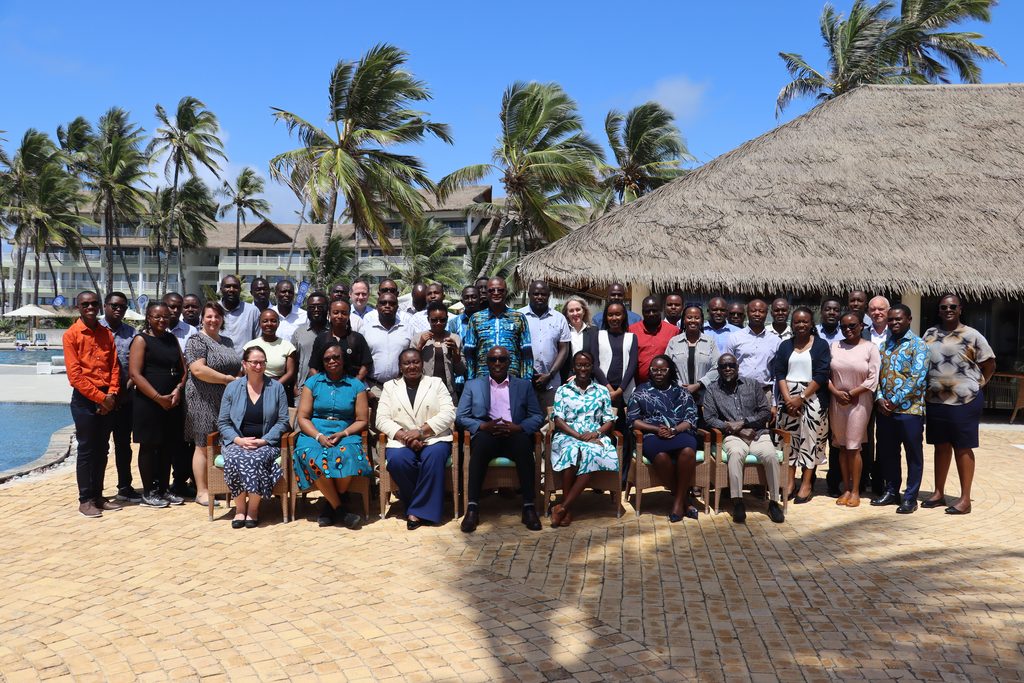
Researchers at KEMRI are helping answer this question through the Maternal Immunization Safety Surveillance Programme (MISS-P), leading its three-year Phase II in Kenya in collaboration with the county’s regulatory body, the Pharmacy and Poisons Board (PPB).
This initiative seeks to strengthen vaccine safety surveillance by embedding monitoring into routine health services, improving data collection and analysis, and piloting the responsible use of artificial intelligence to enhance data quality and identify potential vaccine safety signals, with human oversight at every stage.
“We at KEMRI are proud to lead Phase II of MISS-P in Kenya, working hand in hand with the Pharmacy and Poisons Board. As new maternal vaccines arrive, mothers and families must be able to trust that their safety is being closely monitored, using evidence from our own health system,” says Ag. Director General/CEO, KEMRI, Prof. Elijah Songok.
Vaccines are among the most effective public health interventions ever developed. A World Health Organization (WHO)-led study published in The Lancet in 2024 estimated that immunisation had saved at least 154 million lives over the preceding 50 years, equivalent to an astonishing six lives every minute! Of these, 101 million were infants. Vaccination against 14 diseases, including measles, polio, tetanus and tuberculosis, has reduced infant deaths by 40 per cent globally and by more than half in the WHO African Region.
Researchers now content that the next wave of vaccines are increasingly focused on protecting mothers and their babies. “New maternal vaccines, including those targeting Respiratory Syncytial Virus (RSV) and Group B Streptococcus (GBS), are administered during pregnancy to help protect infants during their first, most vulnerable months of life,” intimates KEMRI Principal Investigator for MISS-P, Dr. Hellen Barsosio.
Dr. Barsosio informs that in 2019, RSV caused an estimated 45,700 deaths among infants younger than six months worldwide, with more than 97 per cent of RSV deaths among children under five occurring in low- and middle-income countries. GBS on the other hand, was estimated to have caused at least 147,000 stillbirths and infant deaths annually, with Africa accounting for 65 per cent of the burden.
“These figures underscore the importance of developing and introducing new vaccines while ensuring that their safety is closely monitored”, she said.
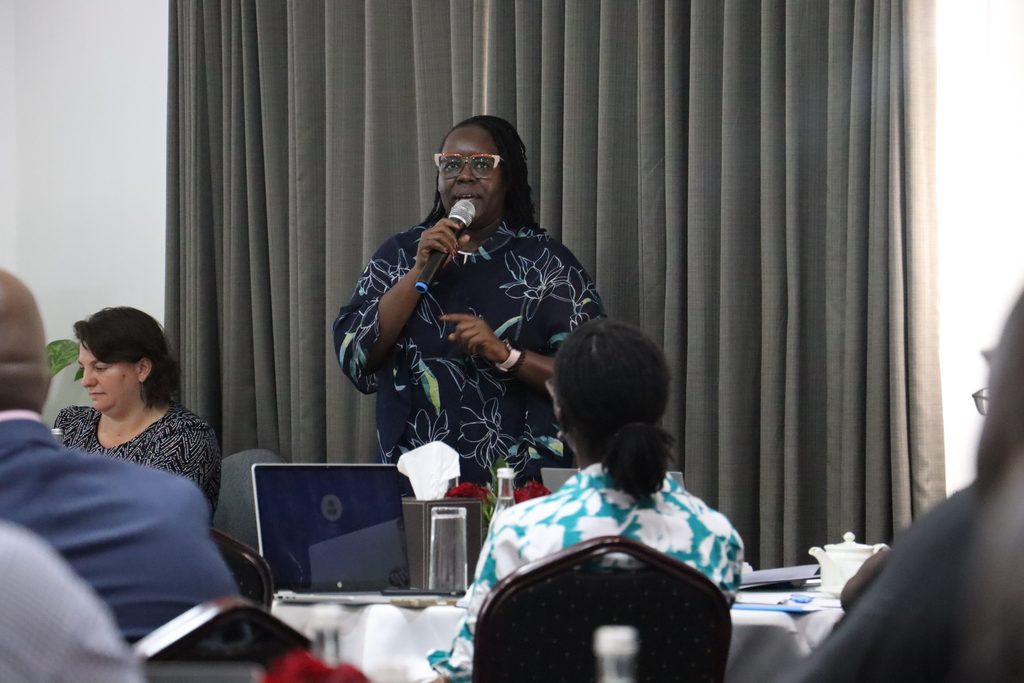

As countries prepare to introduce new maternal vaccines, robust systems are needed to monitor their safety and identify potential risks. Unlike passive surveillance, which relies largely on health workers and others reporting adverse events after they occur, MISS-P uses an active surveillance approach that follows mothers and their babies over time.
This new initiative is now working to establish pregnancy databases in Kenya and Ghana using routine electronic medical records from health facilities. The databases capture standardised information on pregnant women, the vaccines they receive, and outcomes for both mothers and babies. Participants in the study are to be followed from their first antenatal visit through delivery, while their babies are monitored up to six months of age from day one.
By tracking these outcomes, the programme aims to identify potential vaccine safety signals earlier and strengthen the processes through which regulators assess and manage them. The databases will complement existing adverse-event reporting and passive surveillance systems, providing additional evidence to support vaccine safety assessments.
In Kenya, the study will be conducted in Malindi, Kilifi County, Nairobi, and Homa Bay County. It builds on KEMRI’s successful experience in maternal health research through pregnancy registries established in routine healthcare settings in 2020. Initially designed to support research on malaria in pregnancy, the registries have since been adapted to maternal immunisation. Over the past year, KEMRI has also supported the pre-testing of the vaccine safety surveillance system in Kenya, laying the groundwork for its integration into routine health services.
Dr. Barsosio explains, “we do not want to build a system that ends with us, rather we want one that outlives us and stands the test of time, for our mothers and children”.
It is for this reason that beyond monitoring individual vaccines, MISS-P seeks to strengthen existing health information and pharmacovigilance systems by building on routine records generated through antenatal, maternity and immunisation services. Its findings are expected to inform national regulatory decision-making and contribute to wider regional efforts to strengthen vaccine safety monitoring.
The programme will also establish links between national regulatory systems and emerging African Union vaccine safety structures, including the African Vaccine Safety Surveillance (AU-3S) initiative and the African Medicines Agency (AMA). This will help ensure that lessons from Kenya and Ghana can inform vaccine safety decisions across the continent and potentially provide a model for other countries to adapt and scale up.
As in Kenya, where the national regulatory authority is actively involved in the research, Ghana’s Food and Drugs Authority is a key stakeholder in the study. Other partners include the African Medicines Agency, with support from the Gates Foundation, the KEMRI-Wellcome Trust Research Programme, Aga Khan University in Kenya, and the Kintampo and Dodowa Health Research Centres in Ghana.
The Kenyan research team is led by Dr. Barsosio, with Co-Investigators Dr. Benard Omondi and Dr. Mercy Chepkirui of KEMRI, Prof. Angela Koech of Aga Khan University, and Dr. Wangeci Kagucia of the KEMRI-Wellcome Trust Research Programme. The Ghanaian team is led by Prof. Kwaku Poku Asante of the Kintampo Health Research Centre, in collaboration with the Ghana Health Service.
Prof. Asante highlighted the value of regional collaboration in building effective surveillance systems. “Ghana and Kenya face many of the same questions as new maternal vaccines arrive. By working together, sharing tools and learning from each other’s experience, we are building systems that give our regulators timely, reliable evidence, and that other African countries can build on,” he said.
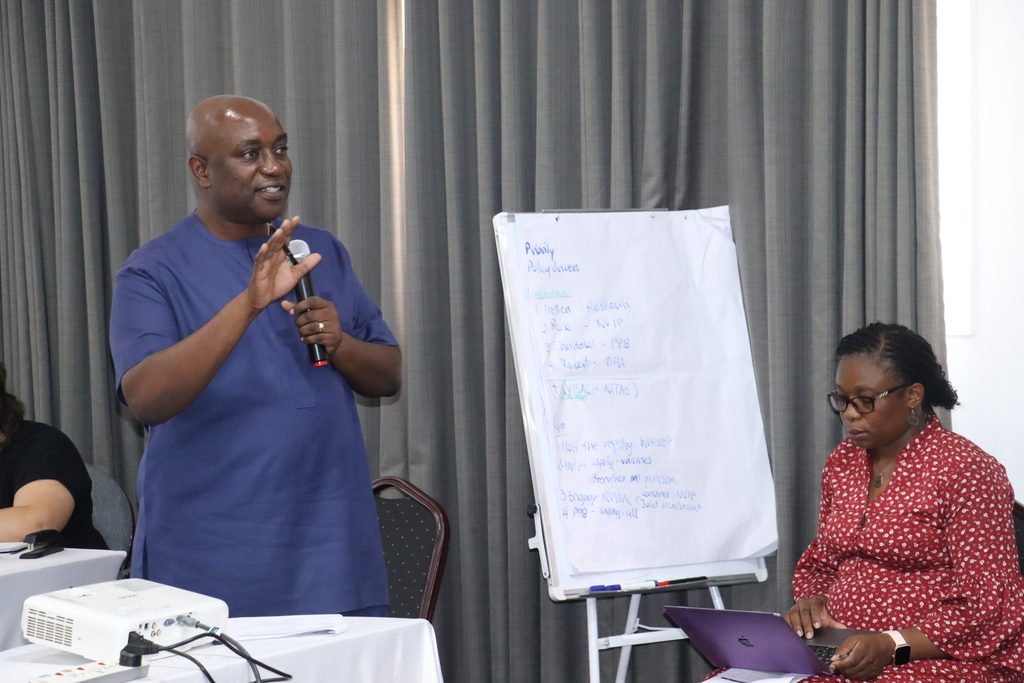

Lee Hampton of the Gates Foundation noted that strong surveillance would be essential as countries introduce vaccines designed to protect infants during their earliest months of life.
“Maternal vaccines have the potential to protect millions of babies in their first months of life. Strong, country-led safety surveillance is essential so that mothers can trust these vaccines, and Kenya and Ghana are showing how routine health systems can provide that evidence,” Hampton said.
Through MISS-P, KEMRI is contributing to stronger maternal vaccine safety monitoring, evidence-based regulatory decisions and public confidence in immunisation. The initiative reflects the Institute’s mandate to conduct health research that informs public health interventions and improves health outcomes, while strengthening national capacity to monitor new vaccines and protect mothers and children.