KEMRI Becomes First African Member of the Global Dengue Alliance
October 29, 2026TCTP 2026 kicks Off, Participants Challenged to Strengthen Regional Networks for Health Security
BY GIDEON KIRUI
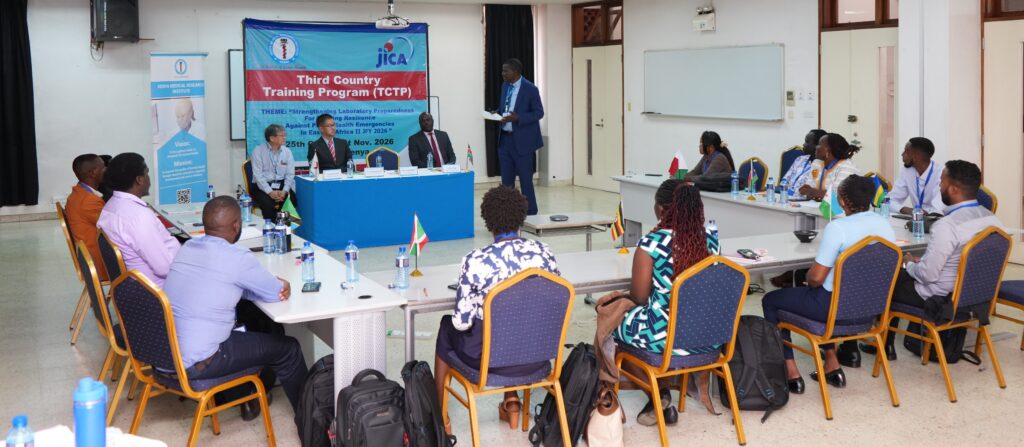
Participants in the 2026 edition of the Third Country Training Programme (TCTP) have been urged to leverage the training opportunity to build and sustain strong cross-border professional networks that will enhance regional coordination, knowledge exchange and collaboration in addressing public health threats.
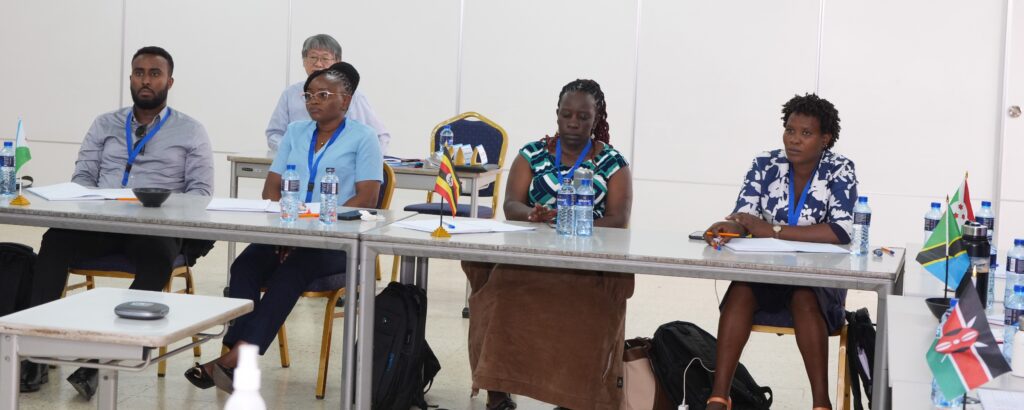
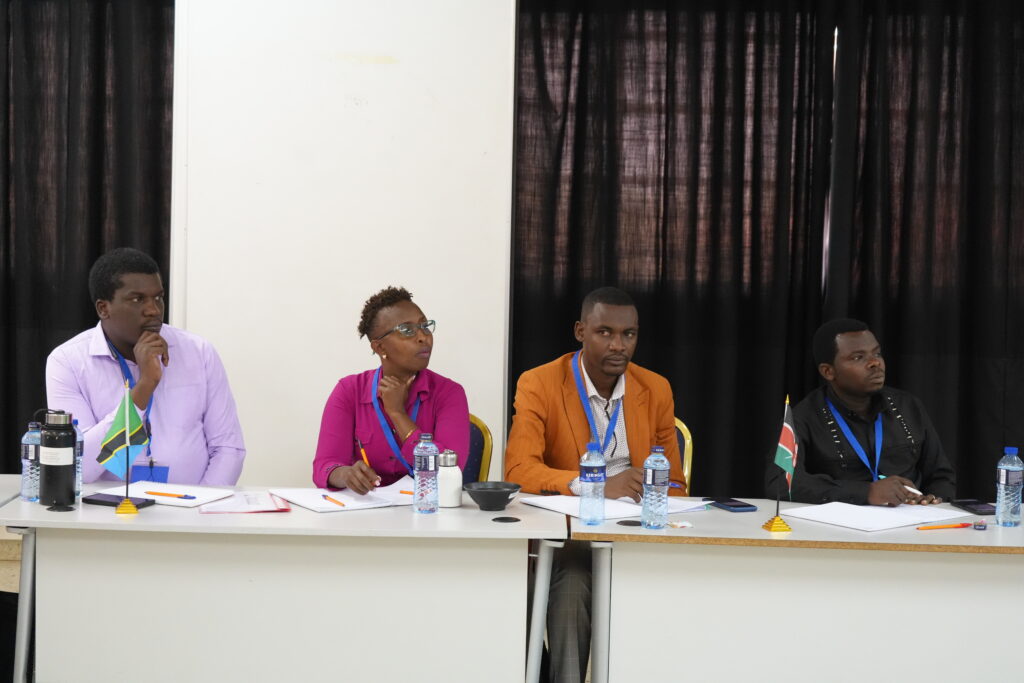
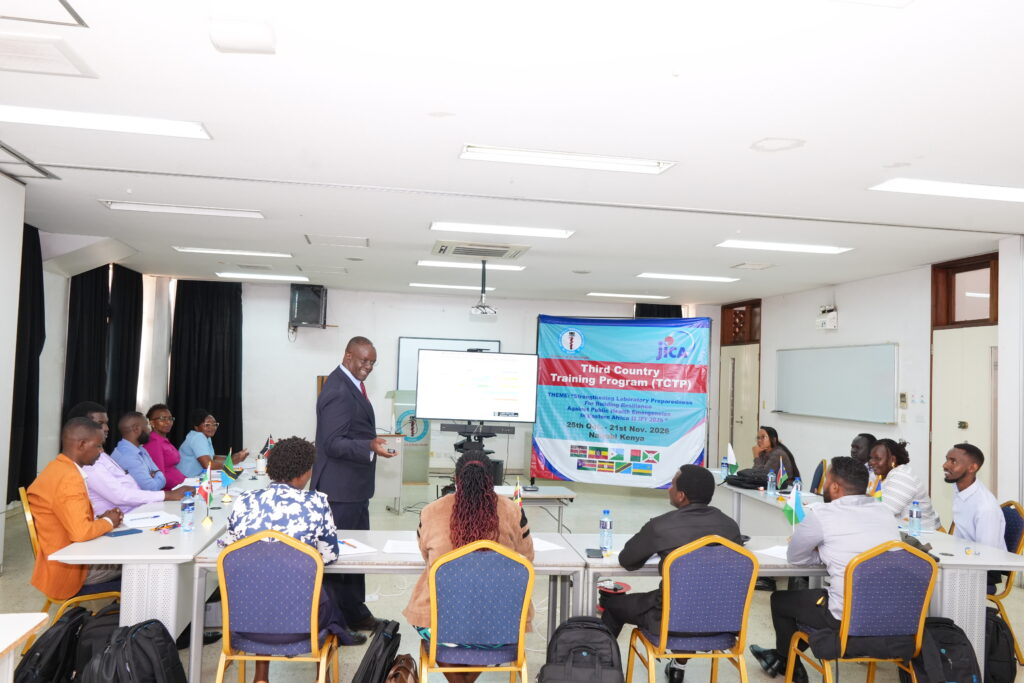
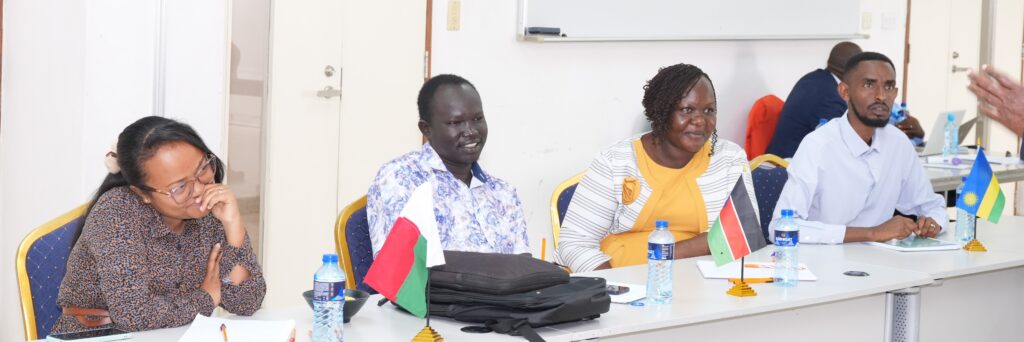
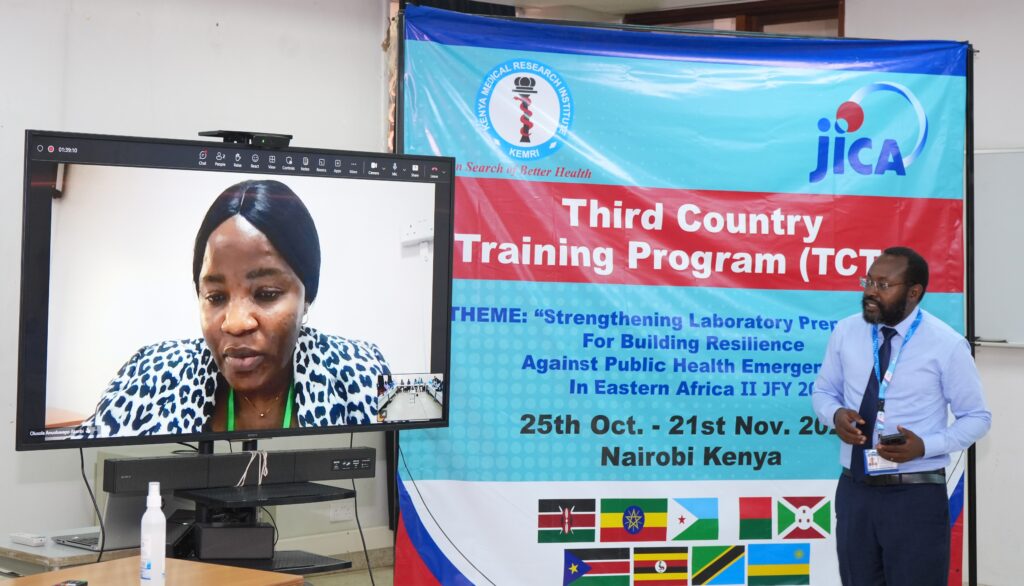
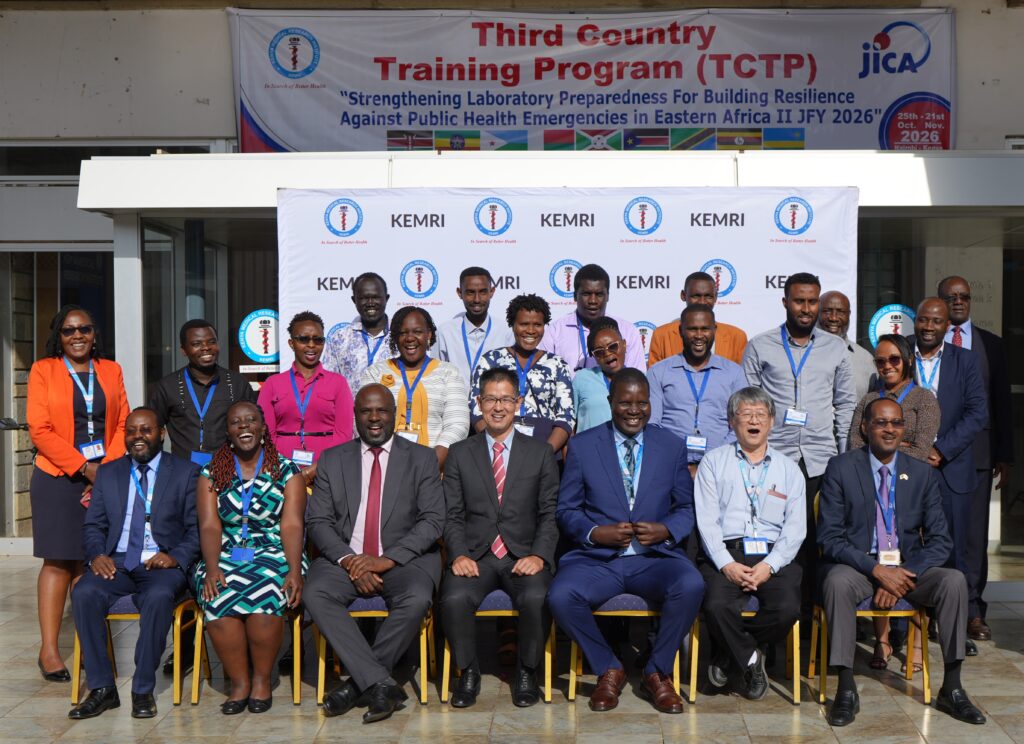
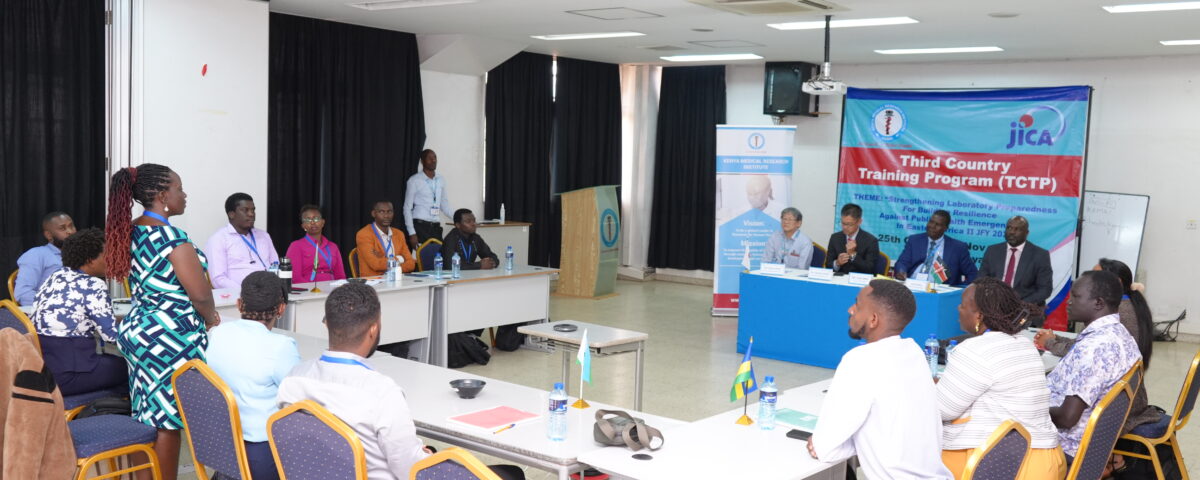
The annual, month-long programme kicked off on Monday, 26th October 2026, at the Institute’s Headquarters in Nairobi, providing a platform for knowledge exchange, skills development and collaboration on regional health priorities for the 13 participants from eight African countries: Burundi, Djibouti, Madagascar, Rwanda, South Sudan, Tanzania, Uganda and Kenya.
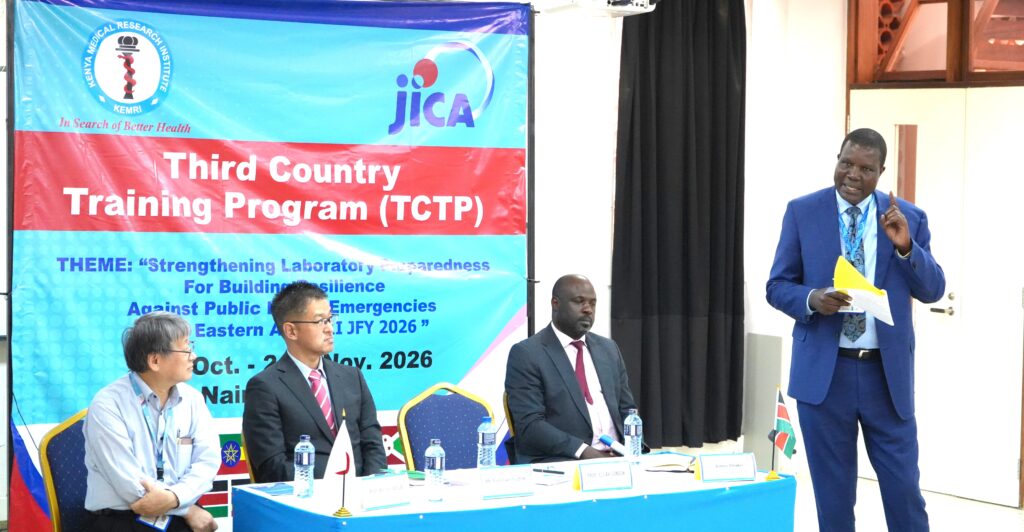
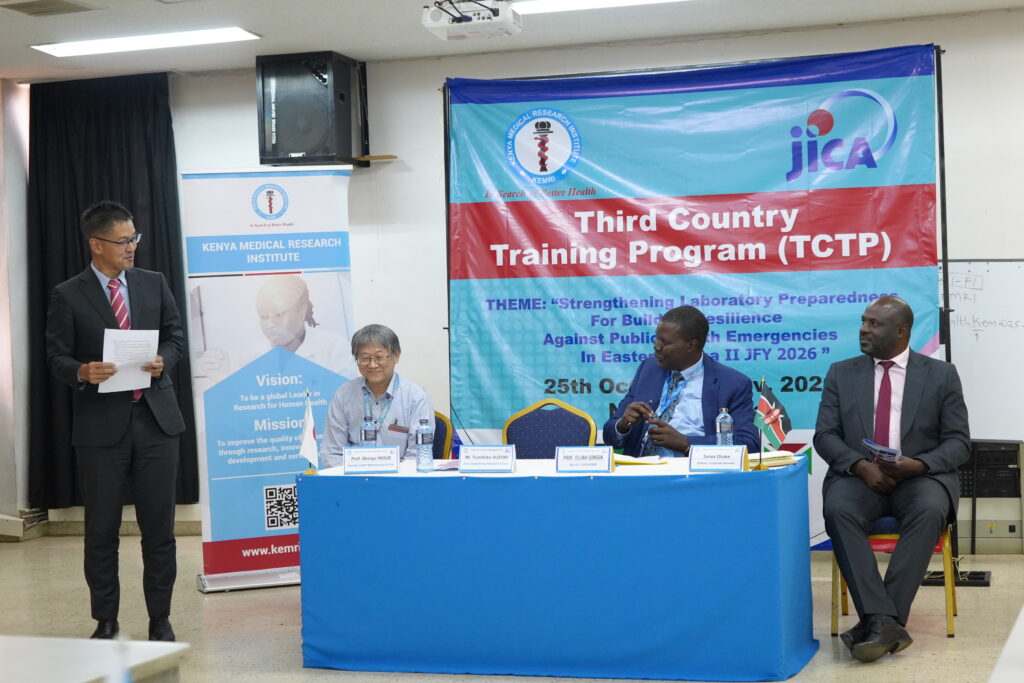
Speaking during the official opening, KEMRI Acting Vice-Chancellor and Chief Executive Officer, Prof. Elijah Songok, noted that the training comes at a critical time as Kenya and the wider region grapple with emerging infectious disease threats. He said the programme reflects a shared commitment to strengthening laboratory capacity, developing scientific expertise and building resilient health systems across Eastern Africa.
Prof. Songok particularly emphasised the importance of networking, urging participants to use the opportunity not only to acquire new knowledge and skills but also to establish lasting professional relationships, exchange expertise and strengthen regional collaboration in outbreak preparedness and response.
He highlighted the porous nature of national borders, which facilitates the cross-border spread of infectious diseases, and reiterated that professionals across the continent must work together to address shared health challenges.
“Africa is one country which is interconnected,” he said, emphasising that maintaining contact with professional counterparts in other countries would facilitate coordination and the timely exchange of critical information during outbreak preparedness and response efforts.
Prof. Songok also commended the programme’s practical and forward-looking approach, which incorporates modules on artificial intelligence (AI), public communication and One Health. He further thanked the Government of Japan, through the Japan International Cooperation Agency (JICA), for its continued investment in health research, laboratory preparedness and human resource development across the region.
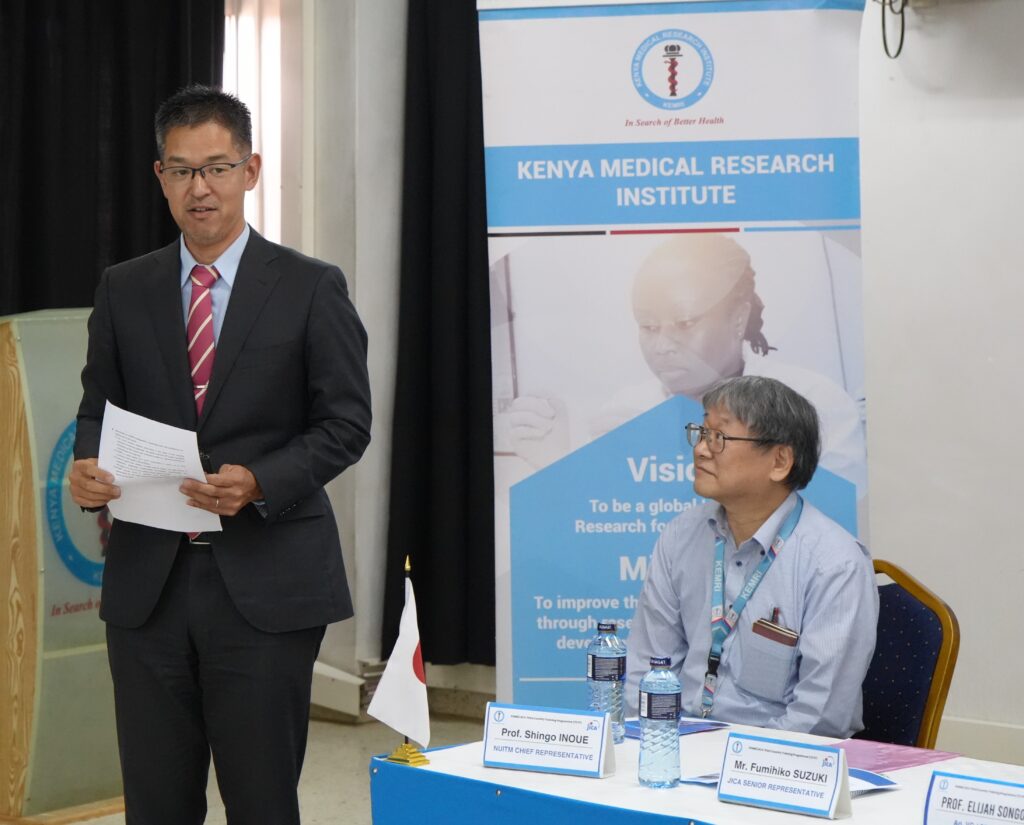
Senior Representative of the JICA Kenya Office, Mr. Suzuki Fumihiko, similarly underscored the relevance of the training, noting that emerging and re-emerging infectious diseases, including Ebola and Mpox, continue to pose significant public health challenges in Africa and globally.
“These challenges remind us that preparedness in public detection and coordinating responses are more important than ever. Strong laboratory systems and skilled professionals remain at the centre of these efforts,” Mr. Fumihiko said. He described the programme as an excellent example of regional cooperation.
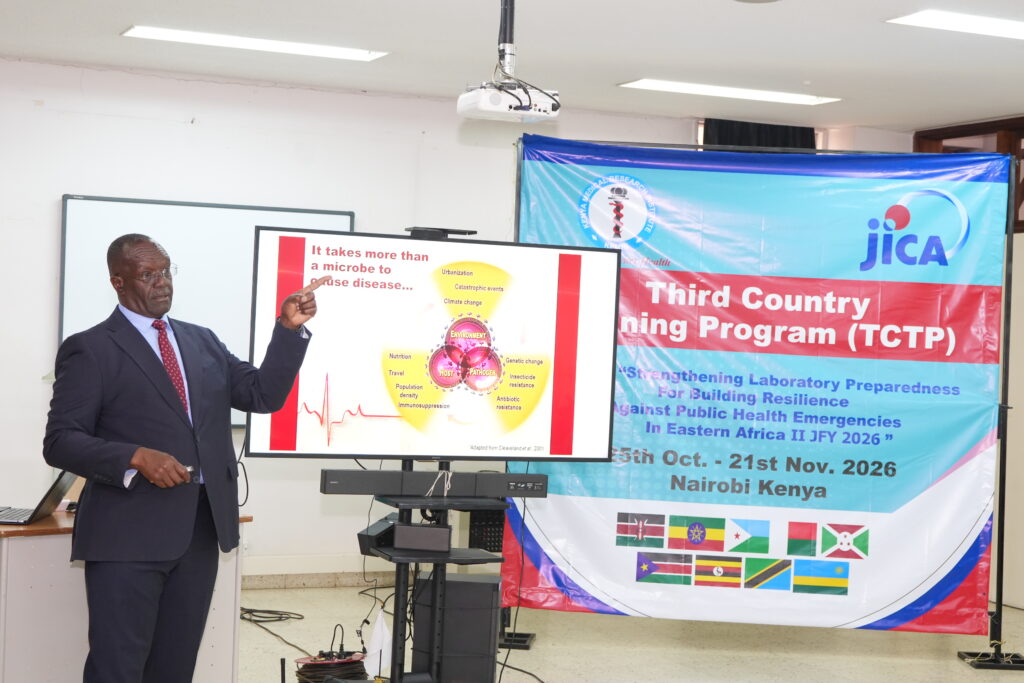
The month-long training will cover modules on artificial intelligence (AI), research ethics, outbreak communication, One Health and Biosafety Level 3 (BSL-3) practices, equipping participants with practical skills to respond to emerging public health threats. A joint initiative of KEMRI and the Japan International Cooperation Agency (JICA), the programme aims to strengthen laboratory capacity, foster cross-border collaboration and enhance health security across Eastern Africa.
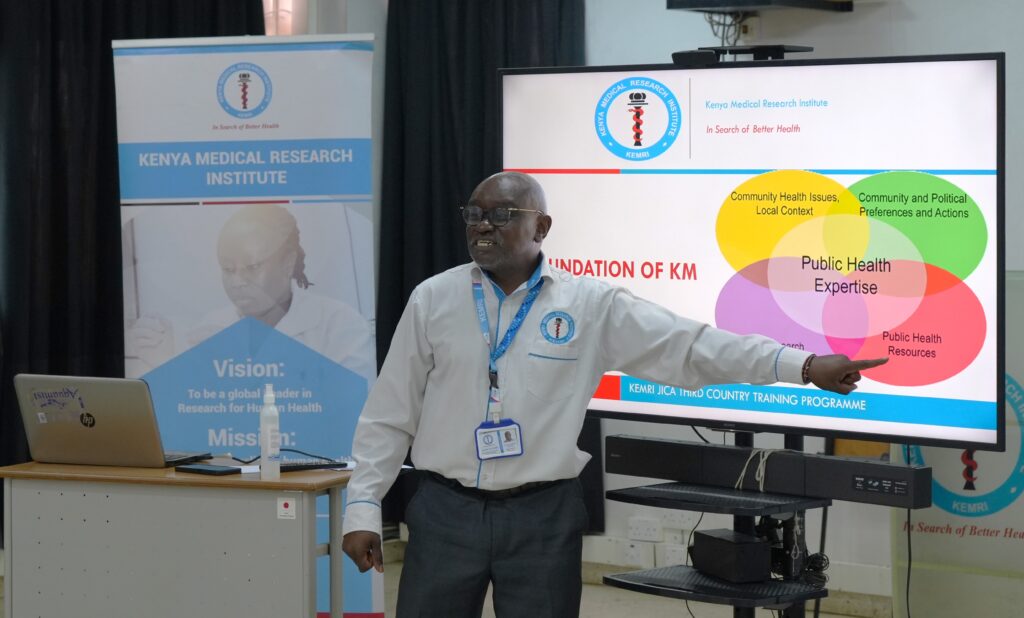
Following the course orientation, day one featured sessions examining the burden and distribution of emerging and re-emerging diseases, facilitated by KEMRI’s Dr. Kizito Lubano; knowledge management and translation, led by Dr. James Kariuki; and the role of the Africa Centres for Disease Control and Prevention (Africa CDC), presented by Dr. Olusola of Africa CDC.
The training is being conducted under Phase II of the programme (2025–2028), underscoring the enduring partnership between the Governments of Kenya and Japan in advancing regional health security.
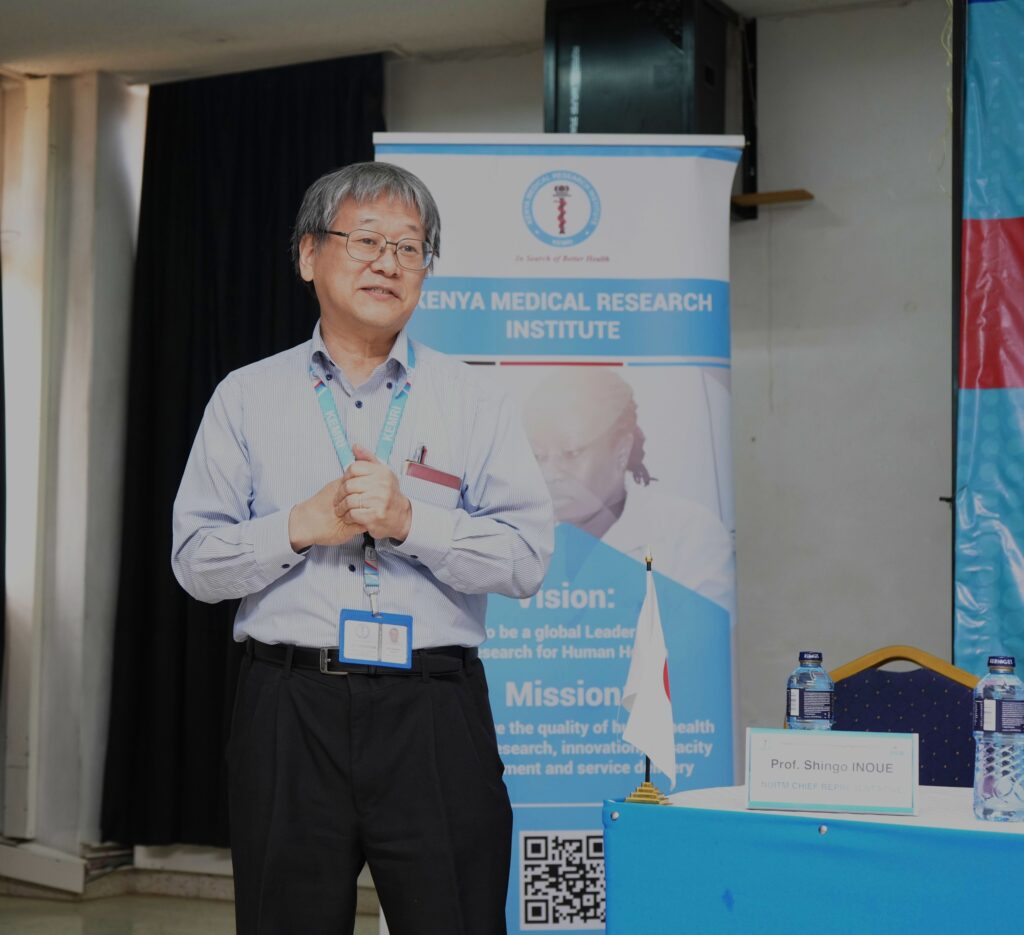
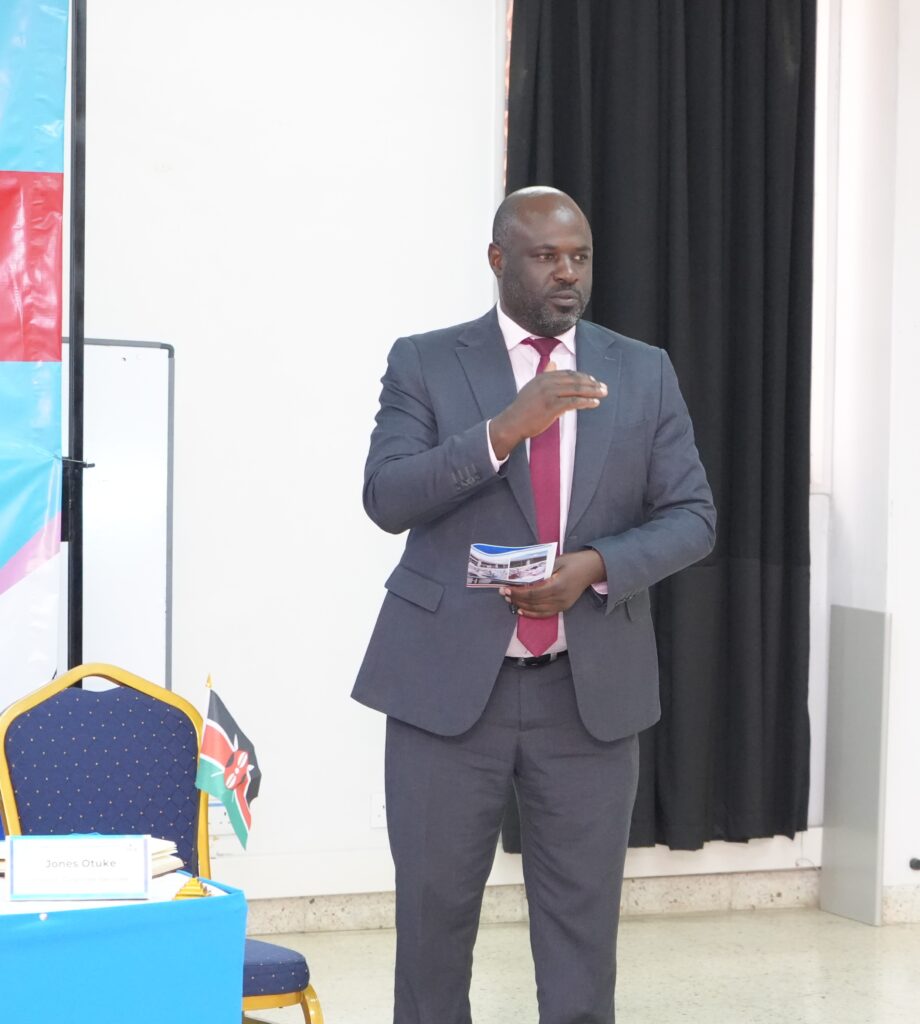
Other officials present during the opening ceremony included TCTP Coordinator Dr. Allan Ole Kwala; Chief Representative of Nagasaki University Institute of Tropical Medicine (NUITM) and Head of the NUITM-KEMRI Project, Prof. Shingo Inoue; KEMRI Director of Corporate Services, Mr. Jones Otuke; KEMRI Principal Research Scientist, Prof. Wallace Bulimo; Mr. Elijah Kinyangi of the JICA Kenya Office; and Principal Corporate Communications Officer, Mr. James Wodera, alongside programme faculty members and support staff.