KEMRI’s Proposed New Governance Reforms Ahead of Postgraduate Training Launch
October 23, 2026KEMRI Becomes First African Member of the Global Dengue Alliance
BY STELLA NJUNG’E
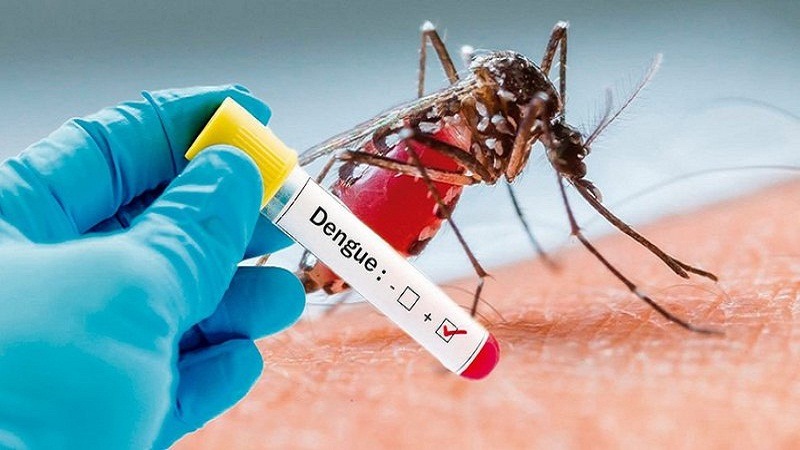
The Kenya Medical Research Institute (KEMRI) has become the first African institutional member of the Dengue Alliance, strengthening Africa’s representation in global efforts to advance research into dengue diagnosis and treatment.
The announcement was made on 27th October 2026 during the Alliance’s meeting in Kuala Lumpur, Malaysia. Established in 2022, the Alliance brings together research institutions in dengue-endemic countries and the Drugs for Neglected Diseases initiative (DNDi) to accelerate the development of safe, effective, affordable and accessible treatments for the disease.
KEMRI’s membership provides an opportunity for the Institute to contribute African research evidence and expertise to the global dengue research agenda, while strengthening collaboration in epidemiology, diagnostics, surveillance, clinical research and treatment development.
“This is a significant milestone for KEMRI and a strong recognition of the quality, relevance and contribution of our research on dengue and other arboviral diseases,” said Acting Director Research and Development, Dr. Eric Muok.
Dengue is a mosquito-borne viral disease transmitted primarily by infected Aedes mosquitoes. Although it is a growing public health concern globally, its burden in Africa remains poorly understood because of underdiagnosis, underreporting and limited epidemiological data. The World Health Organization (WHO) reported more than 171,000 suspected cases in the African Region between 2023 and 2025.
In Kenya, dengue outbreaks have been documented since 1982, and all four dengue virus serotypes have been detected. Transmission has also been reported beyond traditionally affected coastal areas, including parts of northern and western Kenya. The WHO reported nearly 10,000 cases between January and August 2026, compared with approximately 4,300 cases in 2025.
KEMRI has contributed to understanding dengue transmission through studies investigating infections among patients presenting with fever, mosquito populations responsible for transmission and the ability of local Aedes aegypti mosquitoes to transmit different dengue virus serotypes. This work, alongside the Institute’s arbovirus surveillance and diagnostic capacity, provides a foundation for its contribution to the Alliance.
Despite progress in vaccine development and vector control, there is currently no specific antiviral treatment for dengue. Alliance partners are advancing research into potential treatments, including antiviral candidates and host-directed therapies.
While congratulating the team, Head of the Global Dengue Programme at the Drugs for Neglected Diseases Initiative (DNDi), Dr André Siqueira, said the Institute’s expertise in clinical research, diagnostics, surveillance and outbreak response would help ensure dengue research responds to the needs of affected populations in Africa.
KEMRI will be represented in the Alliance by Dr Erick Muok, Dr Steve Wandiga and Principal Research Scientist Dr Fredrick Eyase. The membership is expected to create opportunities for the Institute’s researchers to exchange scientific knowledge, strengthen international partnerships and contribute African evidence to research aimed at improving dengue diagnosis, prevention and treatment.
Congratulating the team, the Vice Chancellor (VC) and Chief Executive Officer (CEO), Prof Elijah Songok, said the achievement reflected the Institute’s growing contribution to global health research.
“I encourage the team to make the most of this platform to strengthen collaborations, share African evidence and contribute to research that can ultimately improve the prevention, diagnosis and management of dengue,” said Prof Songok.
Through its membership in the Dengue Alliance, KEMRI aims to strengthen Africa’s contribution to the global evidence base on dengue and support collaborative research that addresses the needs of affected populations.
