
KEMRI Leadership in a Strategic Retreat to Set 2026 Agenda
December 3, 2025
KEMRI Hosts Biovax Leadership to Realign Priorities in National Vaccine Development
December 3, 2025Dissemination Meeting Showcases Evidence to Combat Childhood Gastrointestinal Infections in Eastern & Southern Africa
BY GLADYS MATHENGE
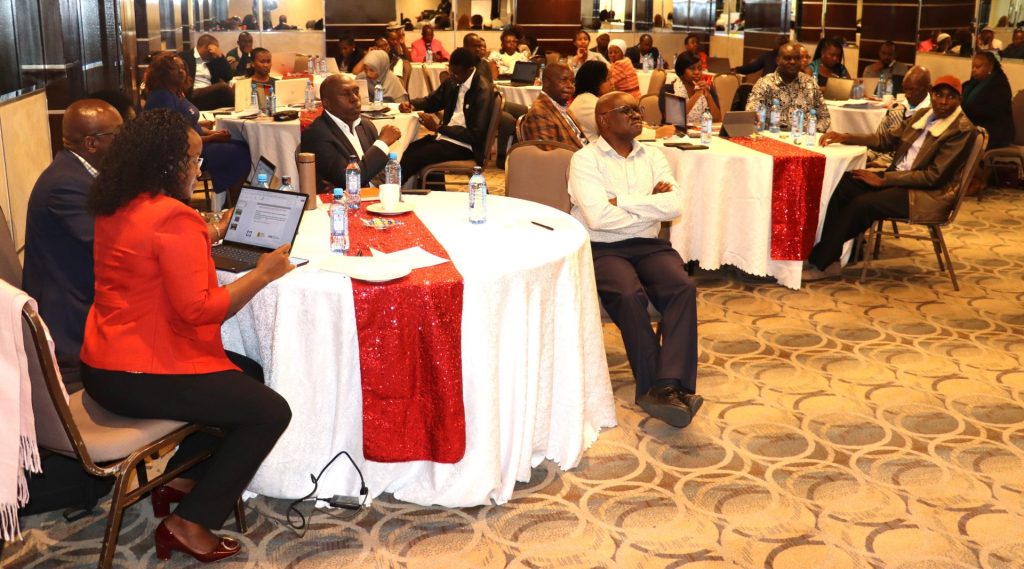
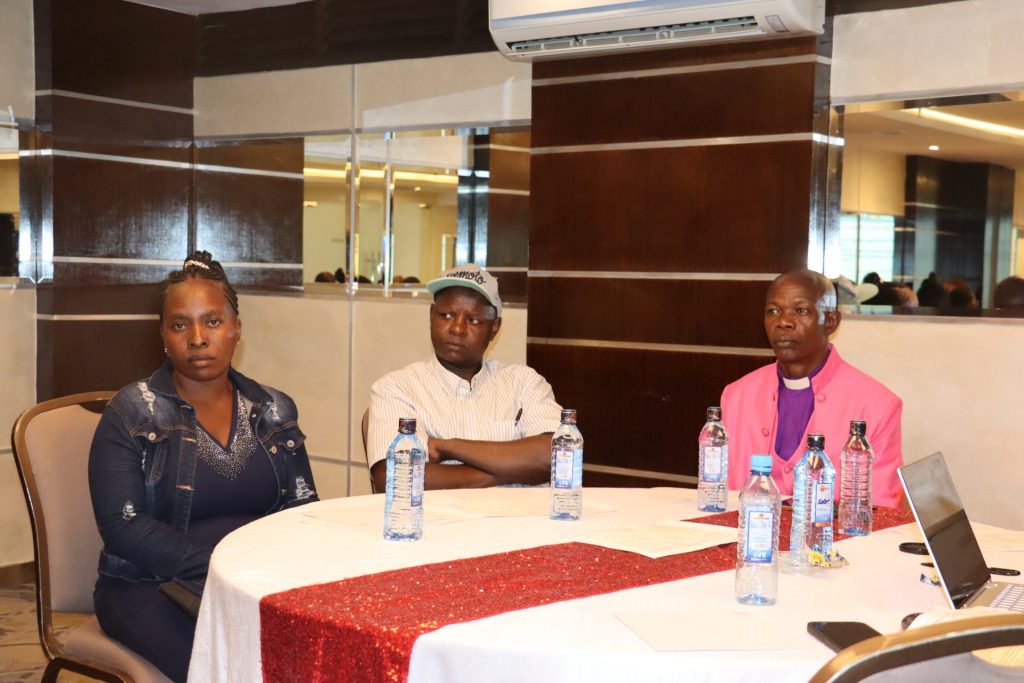
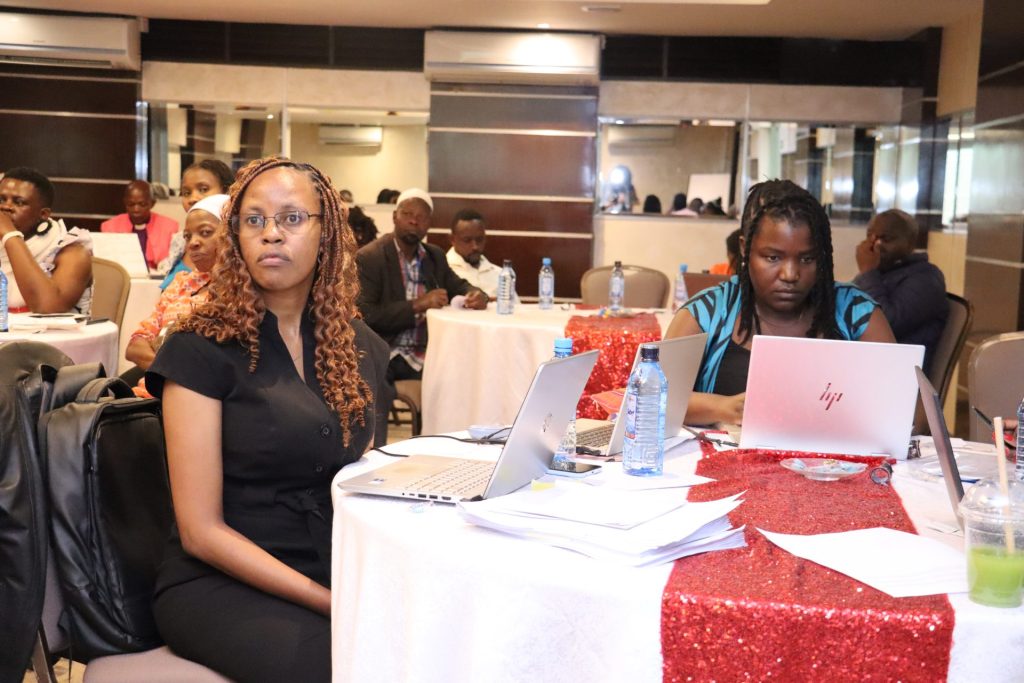
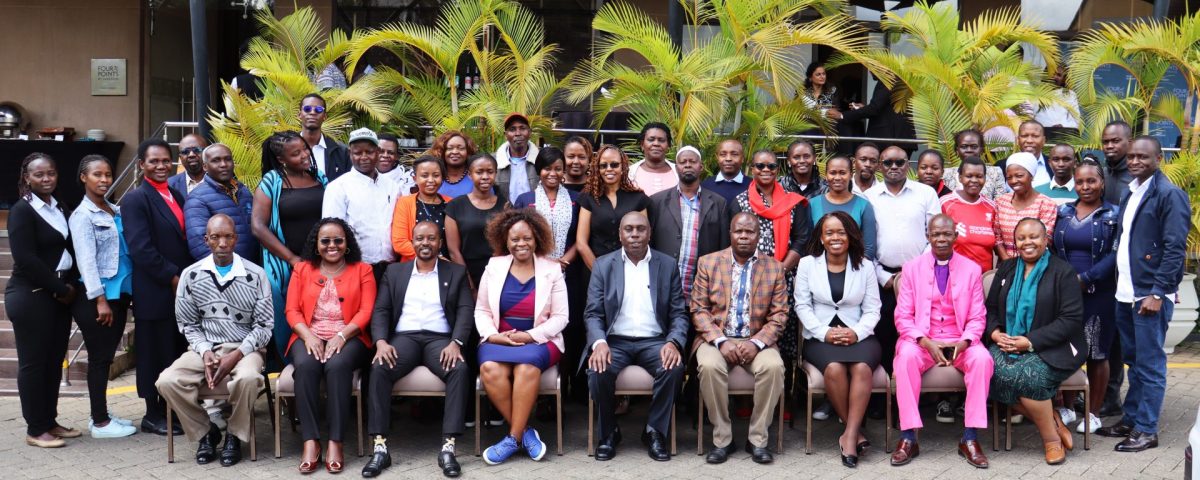
The KEMRI-NIHR team on Gastrointestinal Infections, led by Principal Investigator (PI) Prof. Sam Kariuki, held a dissemination meeting on 25th November 2025, bringing together researchers, policymakers, community representatives, and partners to share groundbreaking findings from a comprehensive study on gastrointestinal infections in children. The study facilitates the Introduction and Evaluation of Vaccines for Enteric Diseases in Children in Eastern and Southern sub-Saharan Africa, providing evidence-based pathways for improved prevention, treatment, and policy.
In his opening remarks, the PI, Prof. Sam Kariuki, who is also the DNDi Eastern Africa Director, expressed heartfelt gratitude to the team for the successful implementation of the research and highlighted the key achievements attained. “I would like to begin by sincerely thanking the research team, community representatives, caregivers, and field workers whose dedication and participation made this study possible. Despite progress in vaccine development and awareness of preventive measures, diarrheal diseases remain one of the leading causes of death among children under five in sub-Saharan Africa. I am also proud to note that this work has been supported through national and research grants awarded to Kenya, Ethiopia and Malawi. The real success of this work will be measured not only by what we discover but by how we collectively use these findings to protect the health of our children and shape a healthier future for the region.” He noted.

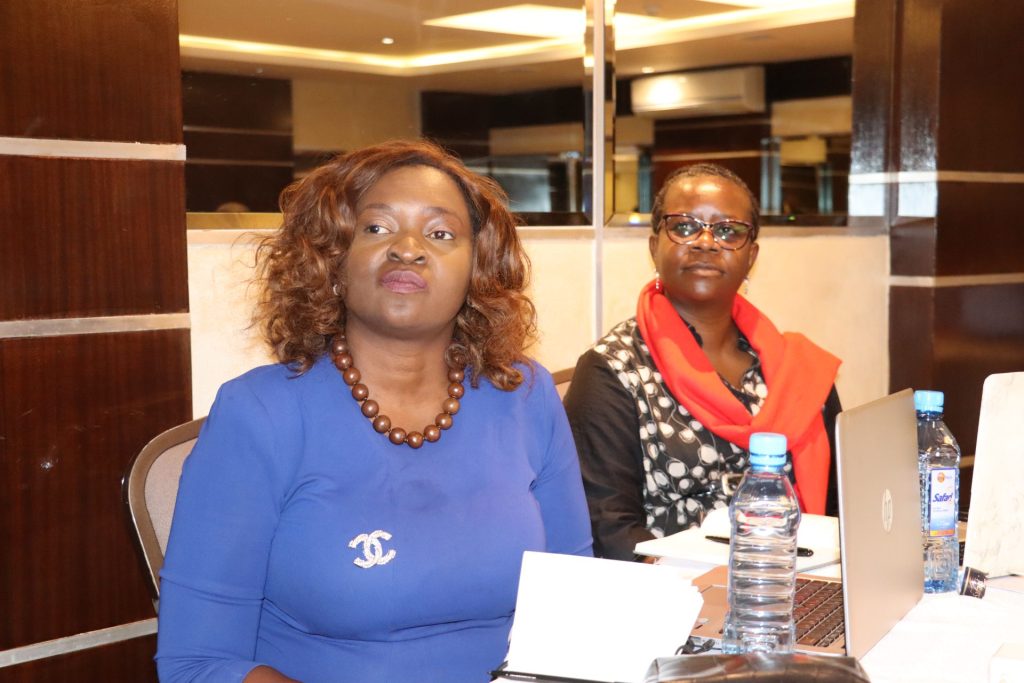
Representing the Ag. Director of Research and Development, Dr. Samuel Khamadi, congratulated the team and commended the collaborative spirit that made the study possible, stating, “On behalf of KEMRI, I wish to acknowledge the dedication of the investigators, research teams, field workers, and community collaborators who have contributed to this work. We appreciate your commitment and the long hours that have gone into producing the evidence we are sharing today. Research can only achieve its full impact when all actors work together. The involvement of ministries, academic institutions, health care providers, implementing partners, and community representatives is therefore essential. Together, we can ensure that the knowledge generated translates into meaningful improvements in health outcomes.” He remarked.
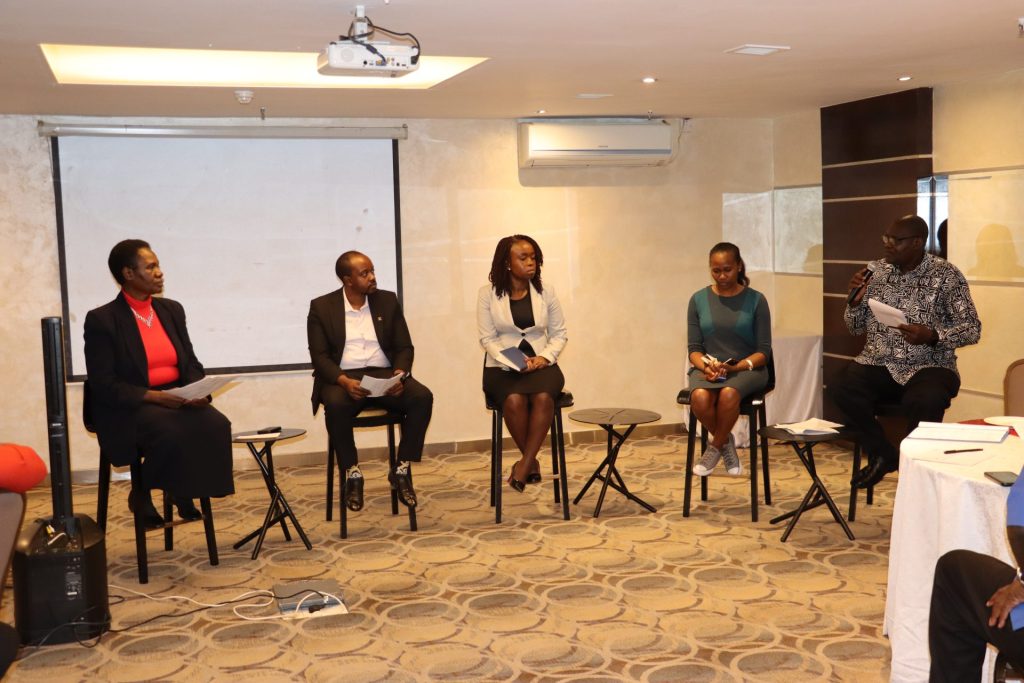
During the active discussions, the delegation also explored discussions on data driven decisions, how health systems, socio-economic status and care-seeking practices shape the cost of diarrhoea care in Mukuru’s informal settlement, caregiver dynamics and factors affecting Health-seeking behaviors for childhood Diarrhoea in Mukuru Informal settlements in Nairobi and Shigella prevalence among others.
Post-Doctoral Fellow and Study Coordinator, Dr. Cecilia Mbae, stated that the study underscores the importance of community involvement and strong partnerships. She noted that the research being disseminated has examined the burden of gastrointestinal infections, the cost of care, the role of caregivers and community engagement, as well as the wider social and economic factors shaping health seeking behavior. She added that the study importantly demonstrates how evidence can guide the development of policies and pathways for more effective prevention and management of enteric infections.
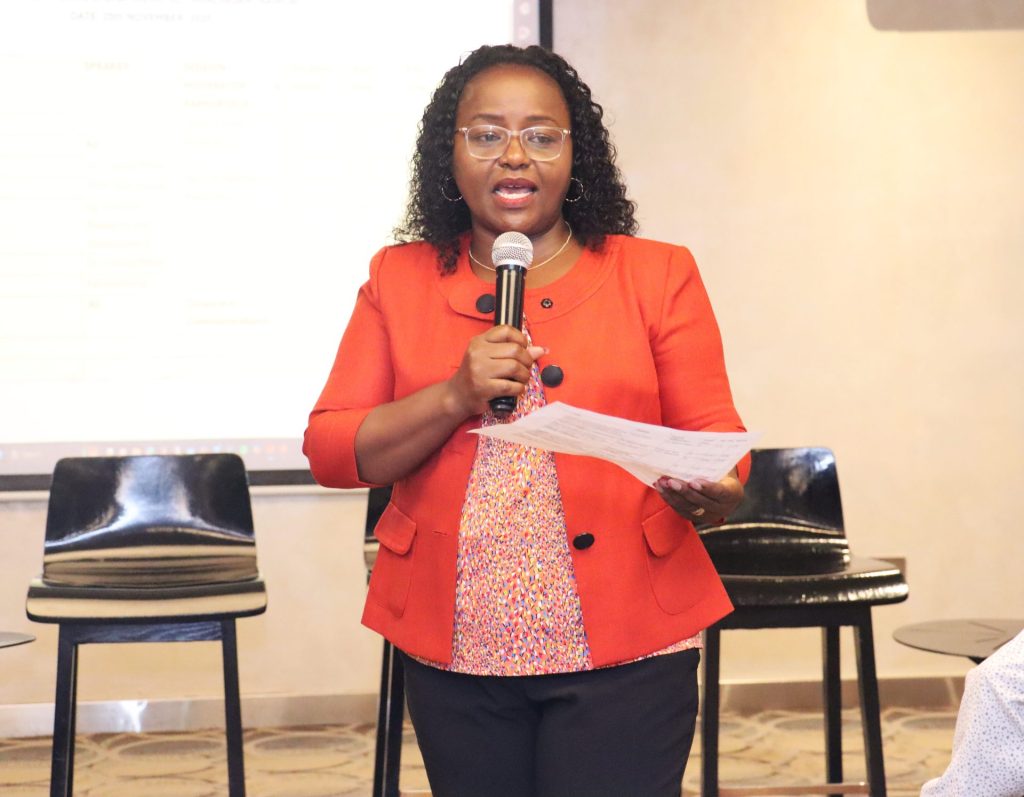
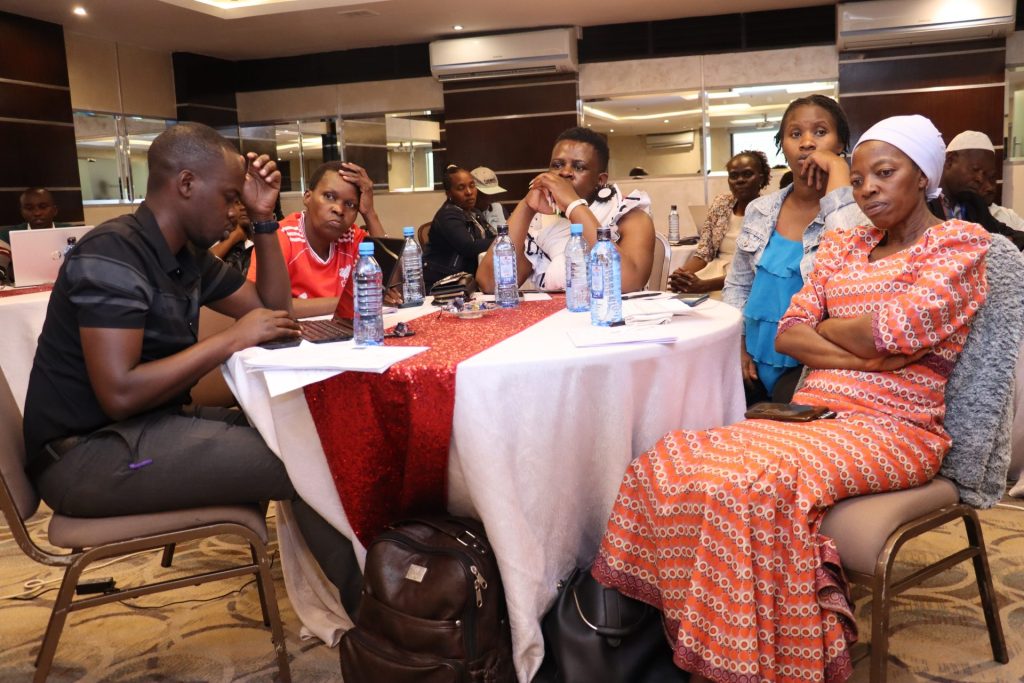
“Bridging research to real world impact requires more than data. It requires partnerships between the government, communities, health facilities, and development partners. I would like to especially thank the participants and community representatives from Mukuru, for their support in assisting with this research. We invited all stakeholders here today to join us in translating this evidence into policies and interventions that will reduce the burden of enteric diseases among our children.” Dr. Cecilia Mbae emphasized.
The evidence presented offered a timely call to action: scaling up vaccination, strengthening surveillance, improving water, hygiene, and sanitation infrastructure, and integrating community-based prevention strategies. In concluding the meeting, the organizers emphasized that while research provides the foundation, it is the collective effort of scientists, policymakers, communities, and partners that ultimately transforms evidence into meaningful action. The dissemination closed with a shared commitment to continue working together to advance prevention, improve health outcomes, and safeguard the wellbeing of communities across the Eastern and Southern Sub-Saharan Africa.