KEMRI and AIMS in Partnership Talks
July 23, 2025
KEMRI-Led Study Confirms Ivermectin’s Potential in Reducing Malaria Transmission by 26 percent.
July 29, 2025KEMRI Hosts 15th Annual NUITM-KEMRI Biosafety Training Seminar to Strengthen Laboratory Safety Capacity
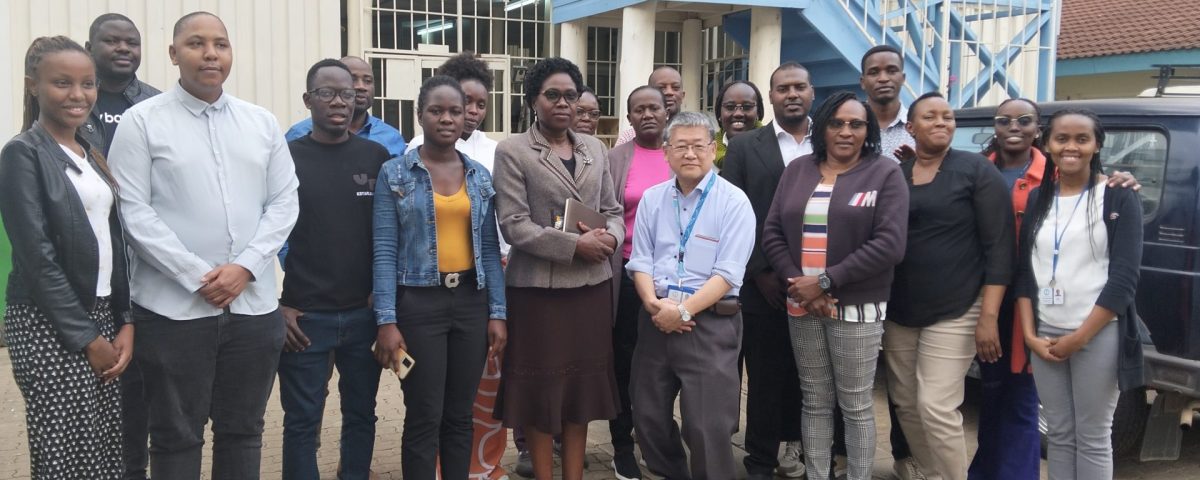
The 15th Annual NUITM-KEMRI P3 Laboratory Biosafety Training Seminar was successfully held from 16th to 18th July 2025 at the Centre for Microbiology Research (CMR), NUITM-KEMRI Project, Kenyatta Complex, marking yet another milestone in advancing biosafety and biosecurity preparedness within Kenya’s research ecosystem.
The three-day seminar was officially opened by the Ag. Deputy Director, CMR, Dr. Christine Bii, who emphasized the critical importance of strengthening researchers’ understanding and application of biosafety, biosecurity, and standard operating procedures, particularly in BSL-3 laboratory settings.
A total of 12 participants drawn from various KEMRI Centres and a public university took part in the intensive training, which featured hands-on sessions in key laboratory areas including the cell culture room, ante room, and spillage management stations—all crucial for preventing contamination in high-risk molecular labs.
Mr. Gabriel Miring’u of NUITM demonstrated the state-ofthe-art features of the NUITM P3 Laboratory, showcasing its sophisticated maintenance systems, airflow dynamics, and safety automation. Ms. Betty Muriithi facilitated sessions on regulatory compliance, covering aspects such as water filtration system checks, control panel operations, and the correct use of personal protective equipment (PPE).
Participants were also taken through comprehensive modules on biosafety and biosecurity principles, laboratory acquired infections, incident reporting protocols, and preventive measures, equipping them with skills essential for safe and efficient research environments.
An Occupational Health, Safety and Environment (OHSE) specialist at the Institute, Mr. Nicholas Mwikwabe, reinforced the importance of adhering to biohazard waste management standards and compliance with NEEMA and national regulatory frameworks, particularly concerning hazardous waste disposal. Ms. Martha Njoroge provided a practical demonstration on proper donning and doffing of PPE, ensuring trainees could confidently apply theoretical knowledge in real-life scenarios.
Closing the seminar, Dr. Bii urged participants to cascade the knowledge gained to their respective institutions and maintain readiness to respond to emerging infectious disease outbreaks. “Biosafety is not just about procedures—it’s about protecting lives, science, and society,” she noted.
All participants were awarded certificates of participation, presented by the Chief Representative of the NUITM Project, Prof. Shingo Inoue, who commended the trainees for their dedication to advancing biosafety standards in Kenya.
Speaking on behalf of the participants, Ms. Moreen Ndunge from the Centre for Respiratory Diseases Research (CRDR) and Mr. Victor Ashwani from the Centre for Virus Research (CVR) delivered a heartfelt vote of thanks, expressing appreciation to the facilitators and organizers for the insightful and timely training.
As the threats of infectious diseases and laboratory risks continue to evolve, seminars like these serve as crucial pillars in reinforcing institutional safety culture, building technical competence, and fostering national preparedness and response capacity in health research.


