
KEMRI and Partners at the forefront in the Fight Against Cancer.
July 29, 2025
Kenya Rallies Stakeholders to Boost Local Biologics Production Under BRITE Programme
August 6, 2025KEMRI Hosts Global Stakeholders to Boost Vector Surveillance Collaboration
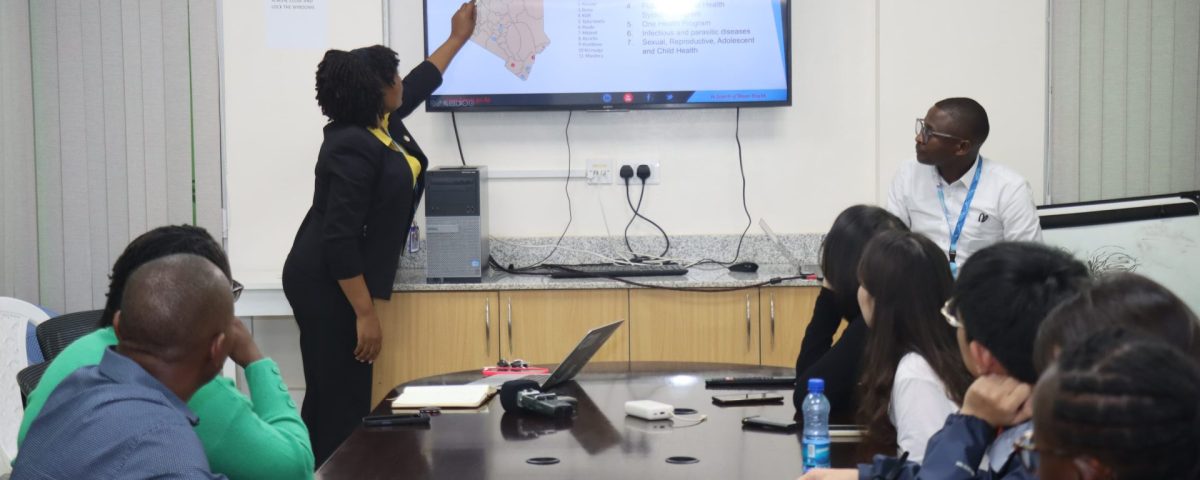
The National Reference Laboratory for Malaria Vector Surveillance and Disease Monitoring in Kenya has hosted a high-level delegation comprising representatives from the National Malaria Control Programme (NMCP), the Global Fund, China-based, Tsinghua University and the Gates Foundation.
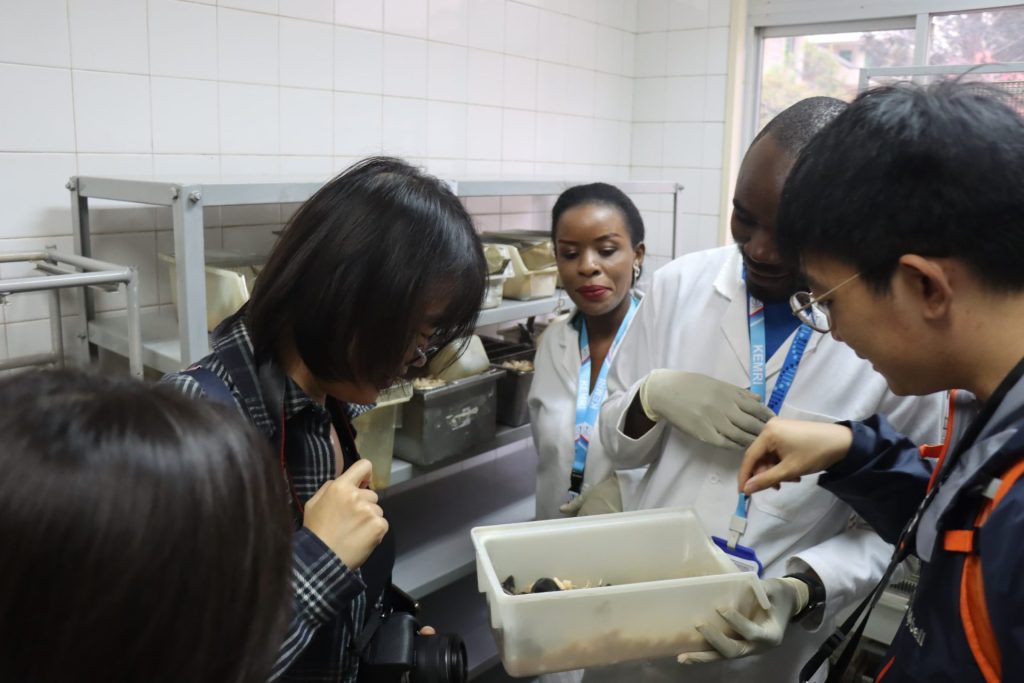
The delegation visited the facility, based at the Centre for Biotechnology Research and Development (CBRD) at KEMRI Headquarters in Nairobi on 28th July 2025 to appreciate on-going research activities the level of national and global significance.
The visit was also aimed at strengthening ongoing collaboration in malaria vector surveillance and operational research, while offering a platform for knowledge exchange on diagnostics, entomological surveillance, and evidence based policy development. It also provided an opportunity for the guests to assess the facility’s capacity and explore avenues for further investment and collaboration.
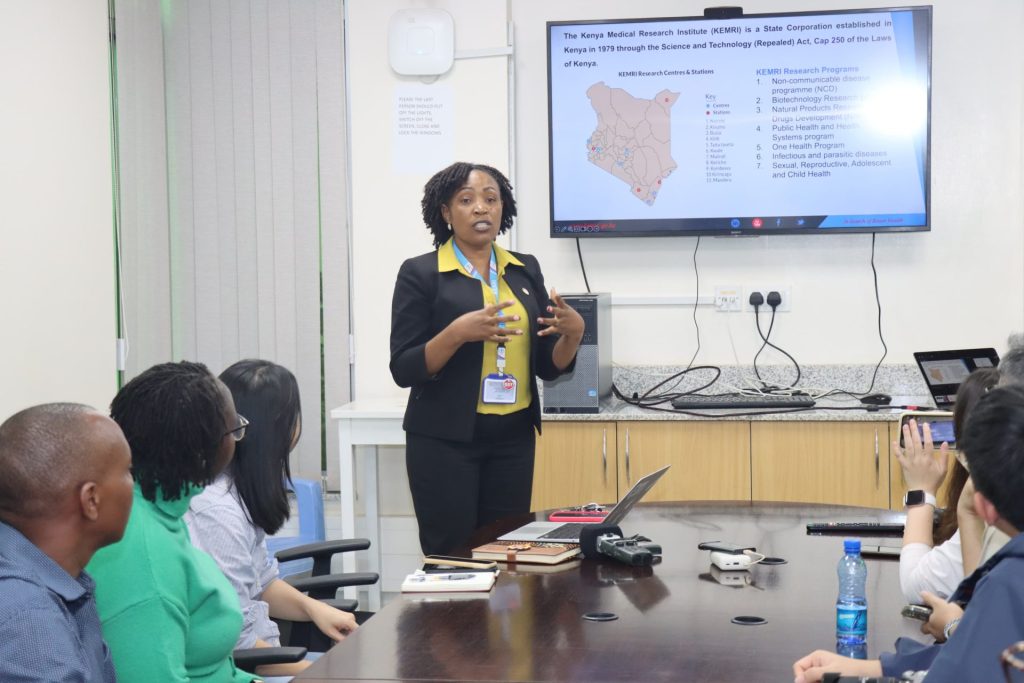
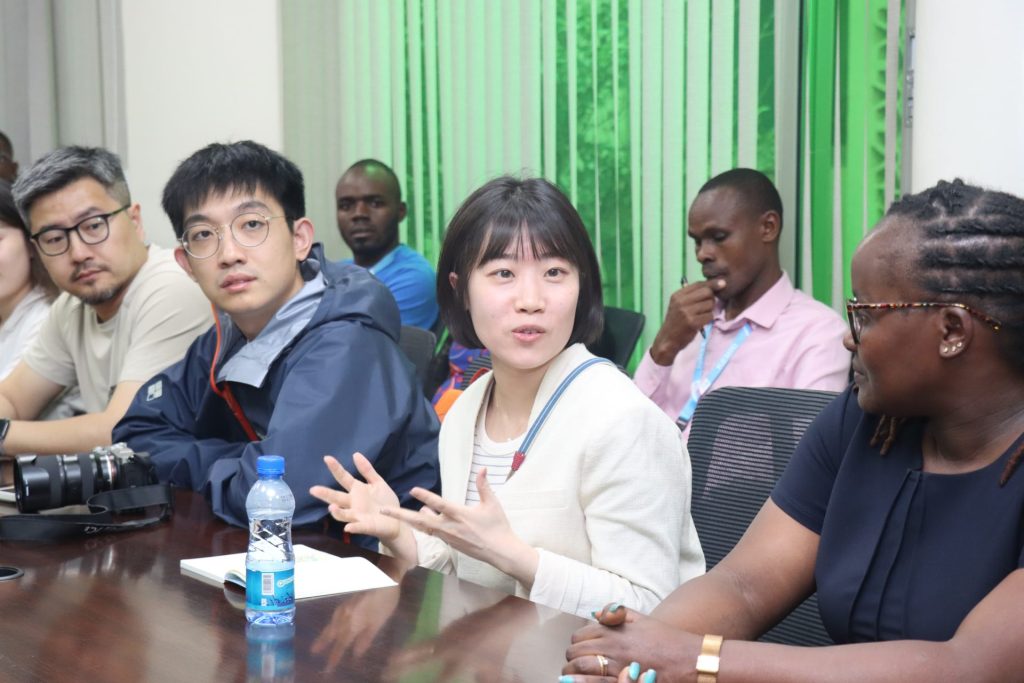
The delegation was received by Acting Deputy Director, CBRD, Dr. Eric Lelo and Deputy Director, Biotechnology Research Program (BRP), Dr. Damaris Matoke-Muhia. Dr. Lelo, in his remarks, expressed appreciation for the strong partnership between KEMRI and NMCP. “We appreciate this collaboration and the impact it continues to have on malaria control efforts,” said Dr. Lelo. “We look forward to doing even more cutting-edge research together and would be pleased to have you join us in these ongoing efforts,” said Dr. Lelo.
The CBRD’s Molecular Entomology and Ecology Laboratory currently serves as the National Reference Laboratory for Malaria Vector Surveillance and Disease Monitoring in Kenya. It works closely with NMCP in various critical areas, including molecular screening for vector species distribution, insecticide resistance monitoring through bioassays, and the durability monitoring of Long-lasting Insecticide Treated Nets (LLINs).
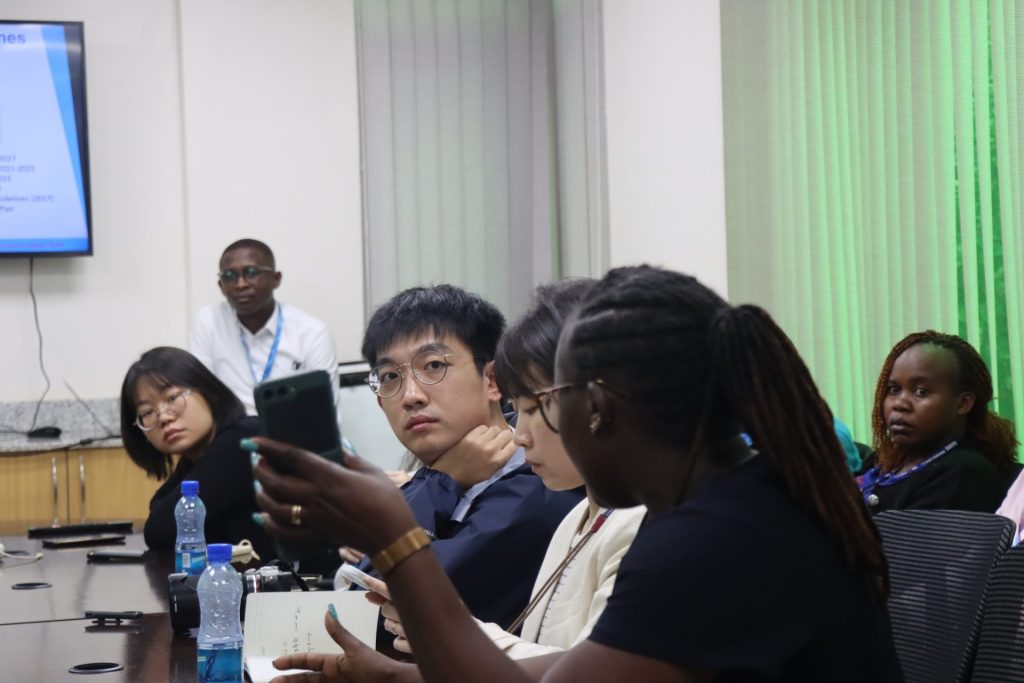
Discussions during the visit focused on strengthening collaboration in malaria vector surveillance, operational research, and capacity building. In addition, the visit also underscored the pivotal role entomological surveillance plays in generating actionable data to inform national malaria control strategies and policy formulation.
“Surveillance provides the evidence base that informs not only what is happening in the field but also what policy responses are needed. Our collaboration with NMCP is vital in this regard, and we would like to see even stronger partnerships, particularly in enhancing surveillance systems,” said Dr. Matoke.
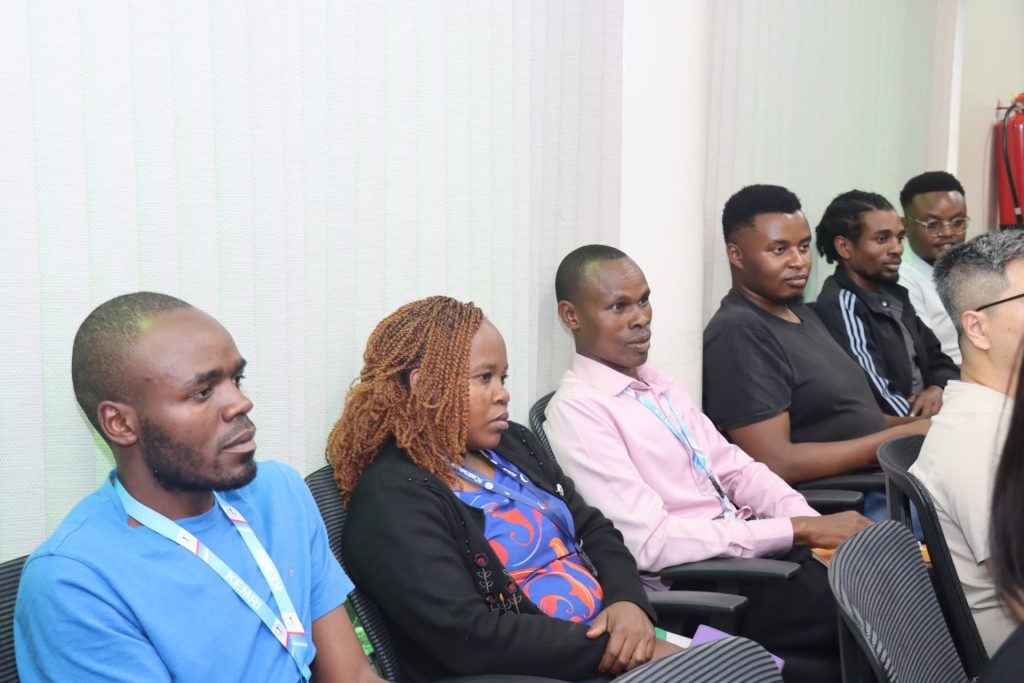

Her sentiments were echoed by NMCP’s Edith Ramaita, who emphasized the value of collaboration between public health programs and research institutions. “KEMRI’s technical expertise and laboratory infrastructure are key to our success in malaria control. Continued joint efforts are essential in building a resilient response informed by evidence-based decision-making and innovation,” she said.
The visit gave delegates an opportunity to gain firsthand insights into the research and surveillance being conducted in collaboration with NMCP and to explore avenues for further investment and knowledge sharing in support of malaria vector control and elimination efforts. These joint efforts between NMCP and KEMRI continue to play a critical role in improving the quality of data and strengthening the implementation of evidence-based vector control implementation strategies across the country. In addition, it highlights the Institute’s continued contribution to Kenya’s broader malaria elimination goals.
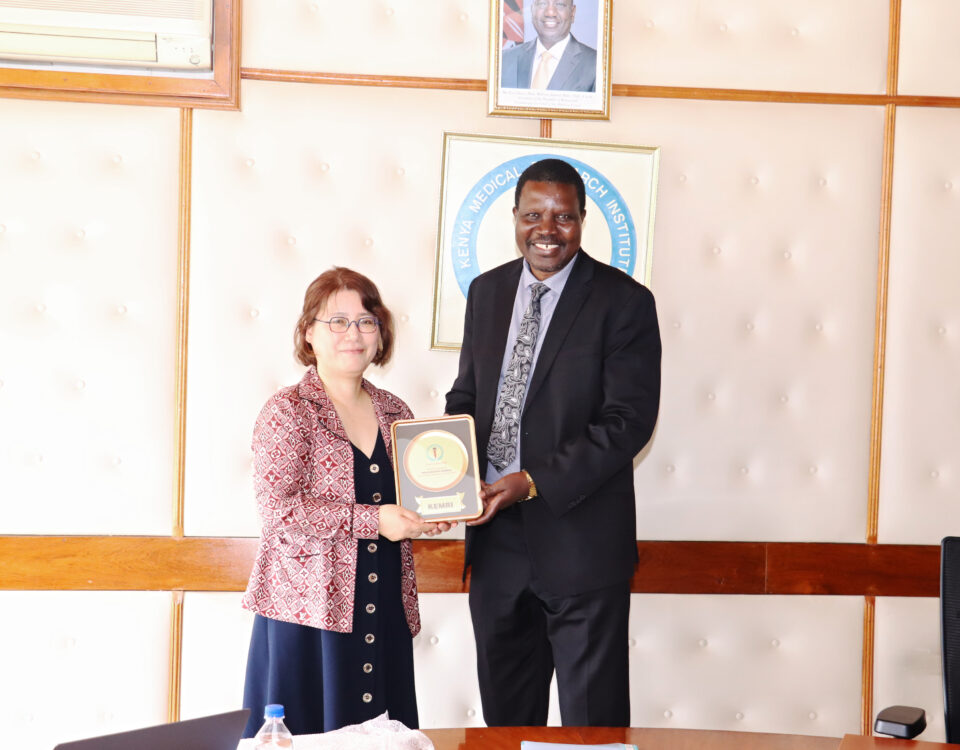
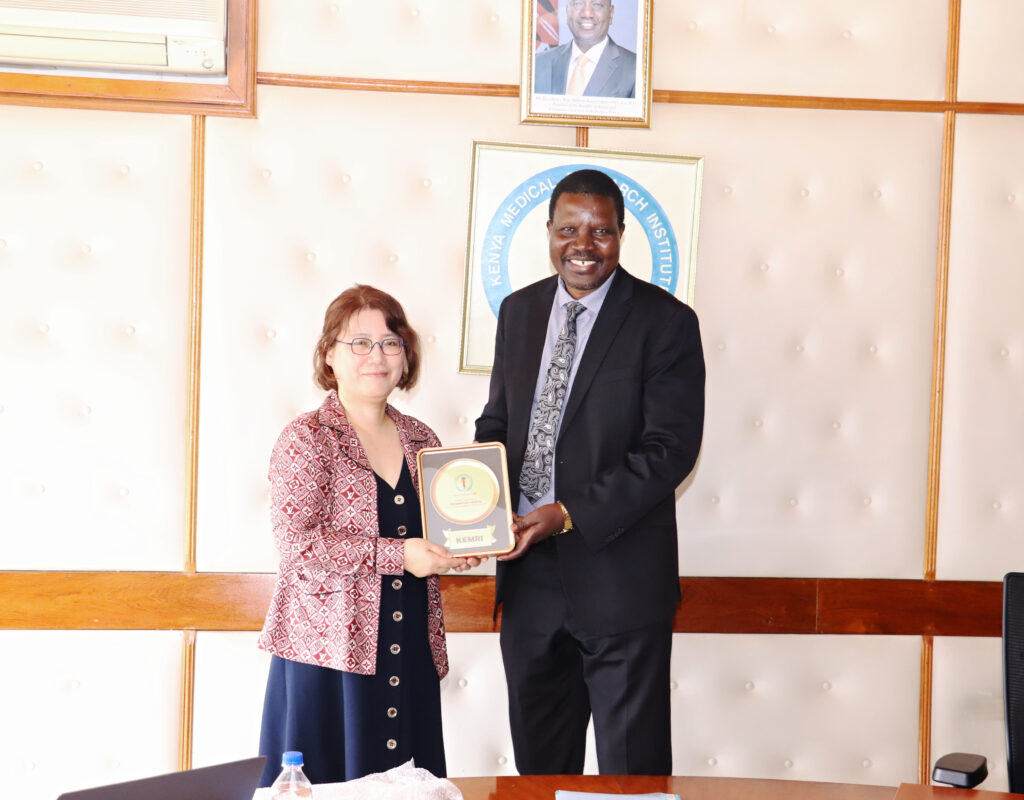
The visiting delegation included Jing Zhang and Wenyi Wang from the Gates Foundation, and Summer Li, Haoran Lyu, and Yanni Wu from Tsinghua University.