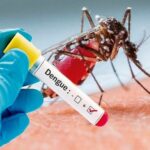
KEMRI is set to become the first African Institute to join the Global Dengue Alliance
August 20, 2026
KEMRI and Partners Call for Stronger Research, Regulation to Advance African Traditional Medicine
September 10, 2026KEMRI Joins National Dialogue to Advance Kenya’s Universal Health Coverage Agenda

By Stella Njung’e
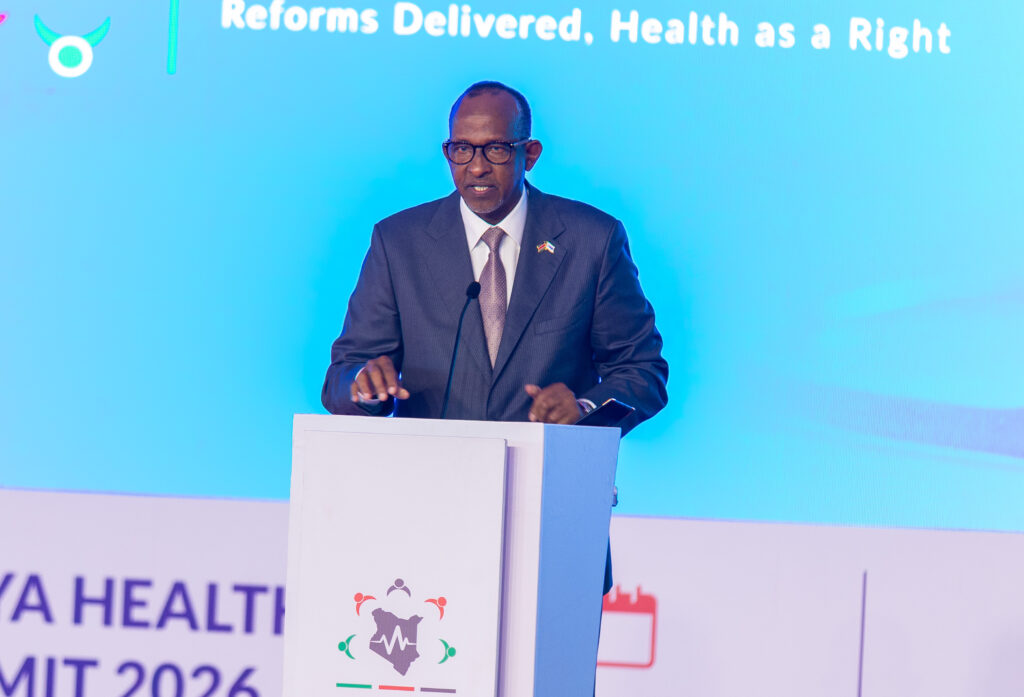
The Kenya Medical Research Institute (KEMRI) joined researchers, policymakers, partners and other health sector stakeholders at the inaugural Kenya Health Summit held from 18–19 August 2026 at the Kenyatta International Convention Centre (KICC), Nairobi, to take stock of Kenya’s health sector reforms and accelerate progress towards Universal Health Coverage (UHC).
Convened by the Ministry of Health (MoH) under the theme “Reforms Delivered, Health as a Right,” the two-day Summit brought together stakeholders to assess progress, identify gaps and chart the way forward for a stronger, more responsive and equitable health system.
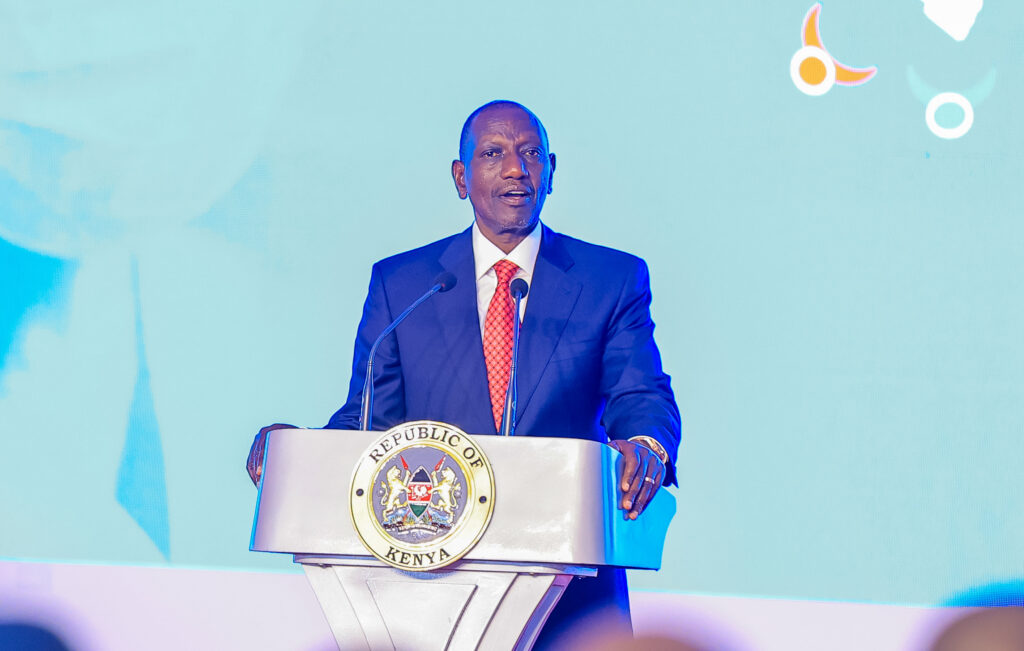
The Summit was officially opened by H.E. President Dr. William S. Ruto, who highlighted reforms undertaken by the Government to expand access to healthcare and strengthen the country’s health system.
“The ultimate measure of reform is not the laws we pass or the numbers we register, but the experience of every patient in terms of dependable, affordable and dignified care,” said H.E President Ruto.
He emphasised that the journey towards UHC is ongoing and called for the gains made to be strengthened and safeguarded for future generations.
The Summit provided a platform to reflect on progress across key areas of the health sector, including health financing, primary healthcare and community health, human resources for health, health products and technologies, health security, digital health, and specialised and referral services.
Among the areas highlighted was the expansion of primary healthcare and community-based services. Deputy President H.E. Prof. Kithure Kindiki noted that more than 32 million Kenyans were covered by the Social Health Authority (SHA) programme, while more than 107,000 Community Health Promoters continue to provide health services and advice within communities.
He also pointed to investments in medical equipment, primary healthcare and digital health, as well as legislative reforms aimed at strengthening the financing and delivery of healthcare services.
“We are looking at a very critical transformation of our country, and we can look the people of Kenya in the eye and tell them that this government has made commitments to pull the people of Kenya to create a healthy country, because a healthy nation is the engine of economic and developmental progress,” said Prof. Kindiki.
The Government has also reported progress in health commodity security, medical equipment and healthcare workforce development. According to Cabinet Secretary for Health Hon. Aden Duale, the national order fill rate for essential health commodities had risen from 35 per cent to 95 per cent, while medical equipment valued at KSh 9.68 billion had been installed in 251 health facilities across 44 counties.
While speaking at the opening ceremony, Cabinet Secretary for Health, Hon. Aden Duale noted that primary healthcare remains the foundation of UHC, highlighting the Government’s commitment to ensuring access to essential health services for all Kenyans.
“The architecture of universal health coverage at the bottom is primary healthcare, which is fully funded the government. As enshrined in our Constitution, healthcare is a priority, and we remain committed to ensuring that every Kenyan can access quality healthcare,” said CS Duale.
Leading the KEMRI delegation at the Summit was Ag. Vice Chancellor (VC) and CEO, Prof. Elijah Songok, with the Institute contributing to discussions on the role of research, innovation and health technologies in strengthening Kenya’s health system.
The Institute, represented by Prof. George Njoroge participated in a panel discussion on health products and technologies, which explored the importance of research and innovation, quality and safety, and local manufacturing of health products and technologies.
The discussions underscored the need for stronger linkages between scientific research, innovation, manufacturing and healthcare delivery to ensure that health products and technologies developed or adopted in Kenya are safe, effective, affordable and responsive to local needs.
KEMRI’s participation underscored the critical role of scientific research and locally generated evidence in informing in supporting innovation and developing technologies responsive to Kenya’s health needs.
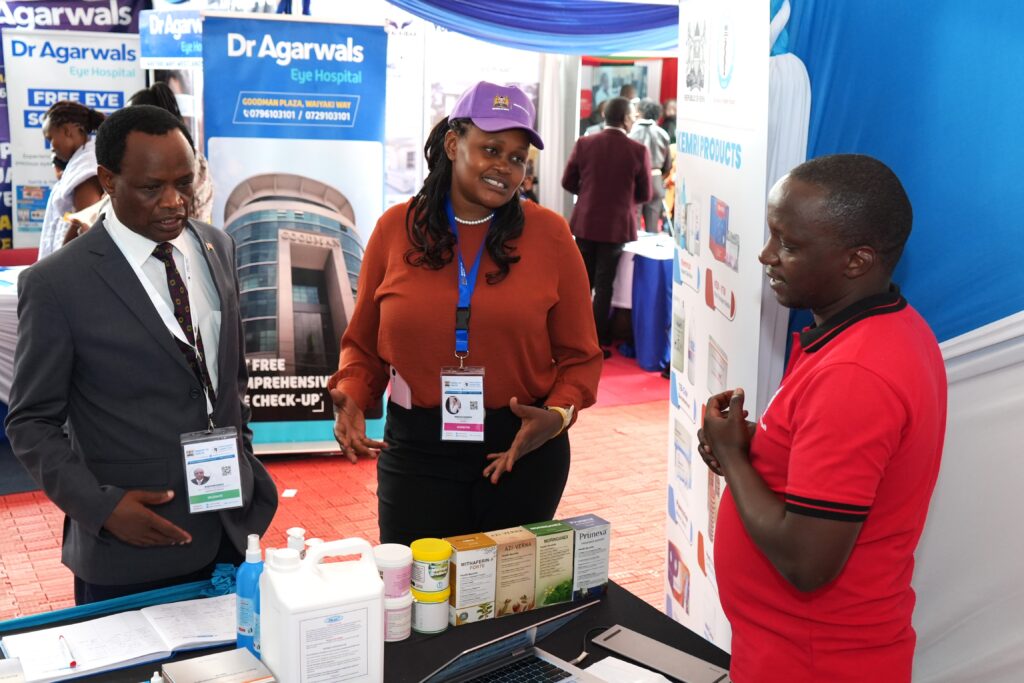
In addition to participating in discussions, KEMRI was able to display its research and innovations in an exhibition stand. This gave the delegates a chance to get more information about how the institute had been helping solve Kenya’s health problems.
As Kenya continues to implement reforms towards UHC, research institutions such as KEMRI remain important in generating evidence to guide decision-making, evaluating health interventions and developing solutions to emerging and persistent health challenges.
Reflecting on the broader purpose of the health sector, Principal Secretary (PS) Medical Services, MoH, Dr. Ouma Oluga described health as a fundamental promise to the Kenyan people and emphasised the need to translate that promise into services that improve lives while protecting families from the devastating consequences of illness.
“Health in itself is a promise, a promise we make for our people. We must translate that promise into service, service that does not ruin families or cause death.” He stated.
Also present at the event were Prime Cabinet Secretary Hon. Musalia Mudavadi; National Assembly Speaker Rt. Hon. Moses Wetang’ula; Cabinet Secretaries; Governors; Principal Secretaries, including PS State Department for Public Health &Professional Standards, MoH, Ms Mary Muthoni; Director-General for Health Dr Patrick Amoth; United Nations Resident Coordinator Garry Conille; Members of Parliament; members of the diplomatic corps; development partners; senior government officials; and private-sector representatives