Running for Science and Better Health: KEMRI’s Inaugural Community Cross Country Run Sets the Pace for Health Research
July 1, 2026
KEMRI Scientists Recognised in Global Faces of Innovation Campaign for Advancing the Fight Against Malaria
July 21, 2026KEMRI Joins National Drive to Restore Kenya’s Forests as Kaptagat Conservation Programme Marks a Decade of Impact

By Lisper Mokaya
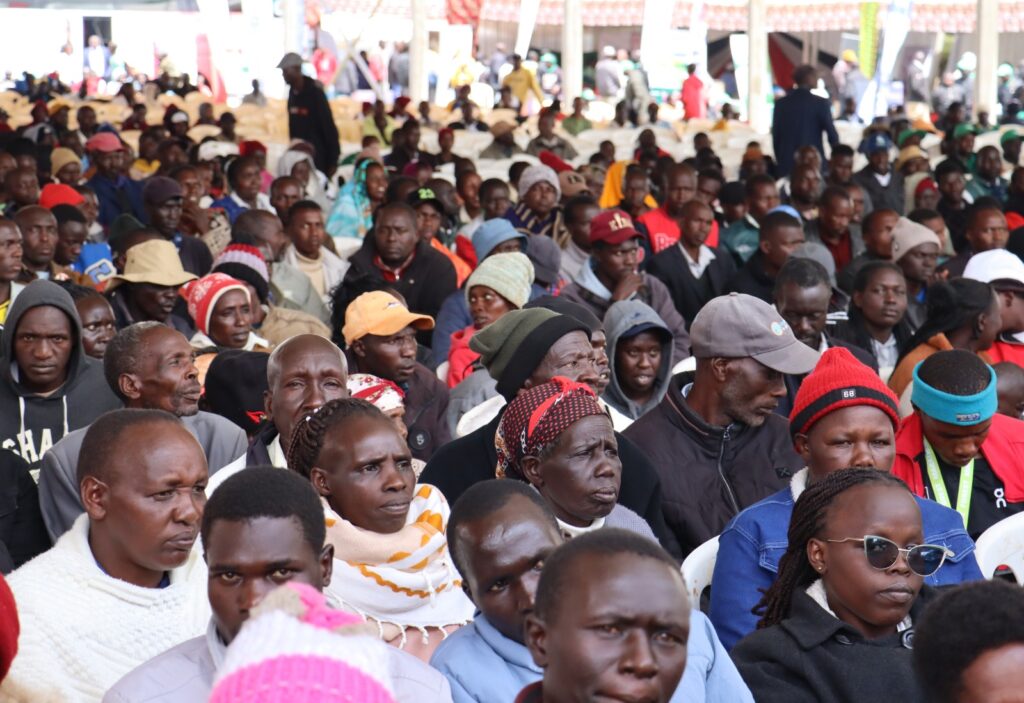
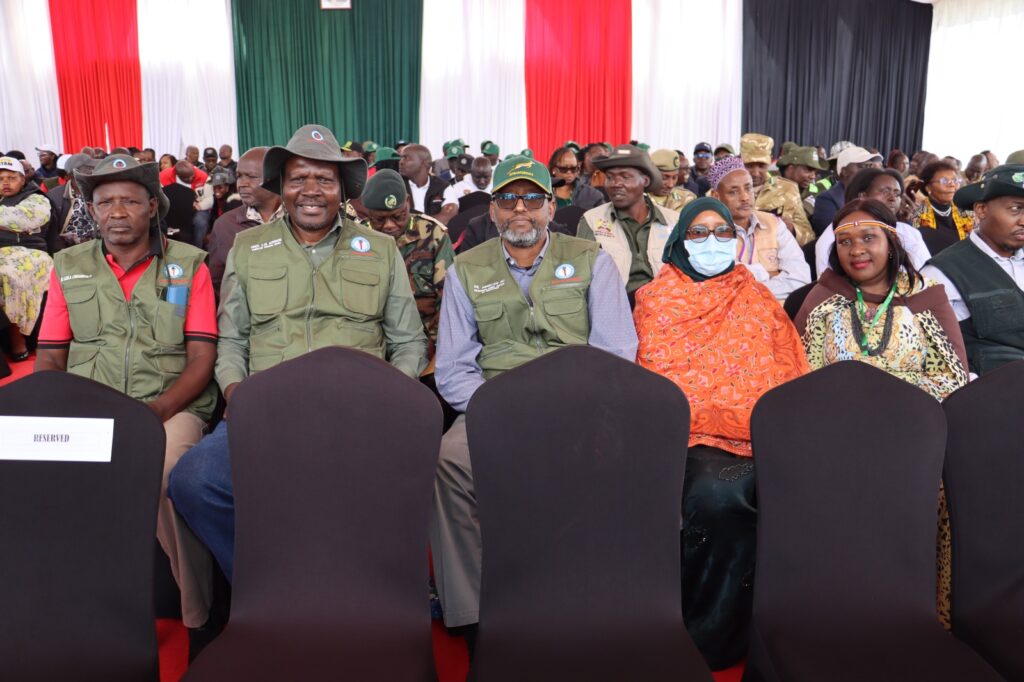
The Kenya Medical Research Institute (KEMRI) joined national and county leaders, conservation partners and local communities in celebrating a decade of environmental restoration during the 10th Kaptagat Forest Tree Growing Event held at Kaptarkok Primary School in Elgeyo Marakwet County.
The milestone event, held under the Kaptagat Integrated Conservation Programme (KICP), brought together stakeholders committed to safeguarding one of Kenya’s most important water towers while advancing the country’s ambitious goal of growing 15 billion trees by 2032. The occasion also marked the launch of the programme’s next ten-year phase following remarkable achievements recorded over the past decade, including contributing to the planting of more than 1.7 billion trees nationwide.
KEMRI’s delegation was led by Board Chair Dr. Abdullahi Ali, accompanied by Board Directors Mr. Luka Chemwolo and Ms. Vivian Chebii, Vice Chancellor and CEO Prof. Elijah Songok, Ag. Deputy Director, Sports Science Research Centre Dr. Steve Wandiga, together with Allan Kimaiyo and Barnabas Kimatoi from the Office of the Director. The team joined hundreds of participants in supporting Kenya’s national tree-growing agenda and efforts to restore one of the country’s most important water towers.
What began in 2017 with the restoration of just 50 hectares has grown into one of Kenya’s most successful landscape restoration initiatives. To date, the programme has restored 3,523.7 hectares of degraded forest, significantly strengthening the Kaptagat ecosystem while improving the livelihoods of communities living around the forest.
Beyond restoring trees, the programme has demonstrated that conservation succeeds when local communities become active partners. As part of this year’s celebrations, beneficiaries received livelihood support including beehives, dairy heifers, tree seedlings and LPG gas cylinders. These interventions are enabling households to diversify their sources of income, embrace clean energy, reduce pressure on forest resources and actively participate in protecting the ecosystem.
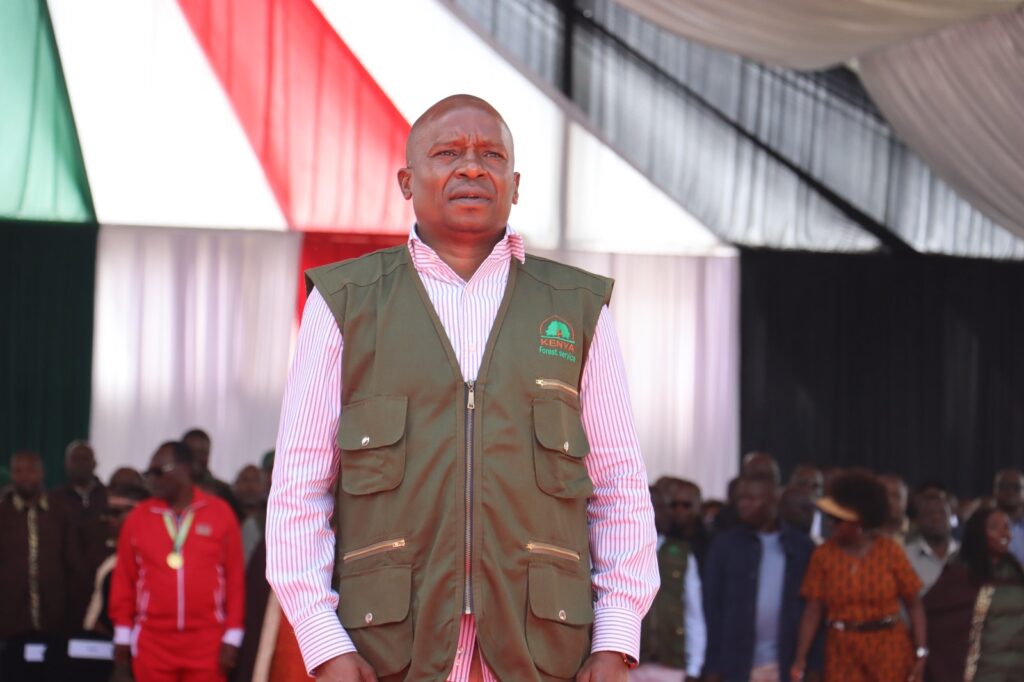
Presiding over the celebrations, Deputy President Prof. Kithure Kindiki said, “The Government remains committed to protecting Kenya’s forests as a foundation for environmental sustainability, water security and economic growth,” while commending the ministry of Environment Climate Change and Forestry, development partners and local communities for their continued efforts in restoring the Kaptagat ecosystem.
For KEMRI, participation in the tree-growing initiative reflects a broader understanding that environmental health and human health are inseparable.
Healthy forests perform functions that directly influence public health. They protect water catchments that supply safe water for domestic use and agriculture, regulate temperatures, improve air quality, reduce soil erosion, conserve biodiversity and help lessen the impacts of climate change. These environmental services contribute significantly to reducing disease risks and improving community well-being.
Climate change continues to alter disease patterns globally, with rising temperatures, changing rainfall patterns and environmental degradation influencing the transmission of infectious diseases such as malaria, dengue, cholera and other vector-borne and water-borne illnesses. Conserving forests and restoring degraded ecosystems therefore represents an important investment in preventive public health.
As Kenya’s premier health research institution, KEMRI recognizes that scientific research and environmental stewardship are complementary pillars in building healthier and more resilient communities. KEMRI’s participation also aligns with the Government’s national landscape restoration agenda, which seeks to increase Kenya’s tree cover while restoring degraded ecosystems across the country.
The Institute has consistently participated in national tree-growing exercises, recognising that environmental conservation forms an integral component of sustainable development. Such initiatives complement KEMRI’s broader mandate of improving the quality of human life through research, innovation, capacity building and service delivery.
As the Kaptagat Integrated Conservation Programme embarks on its next decade, KEMRI remains committed to working alongside Government, development partners, conservation agencies and communities in advancing initiatives that protect both people and the planet.
The anniversary celebration served as a reminder that safeguarding Kenya’s natural resources is a shared responsibility. By bringing together science, conservation and community action, institutions like KEMRI continue to demonstrate that protecting the environment is not only an ecological obligation but also a vital investment in the nation’s health, prosperity and future generations