By Wodera James
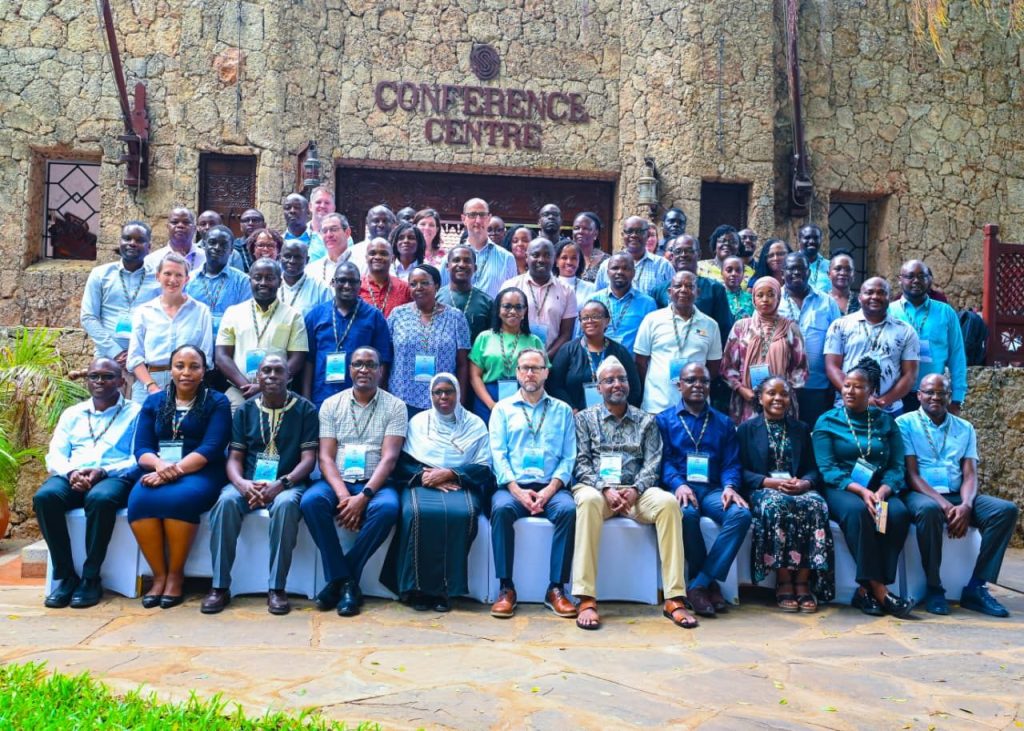
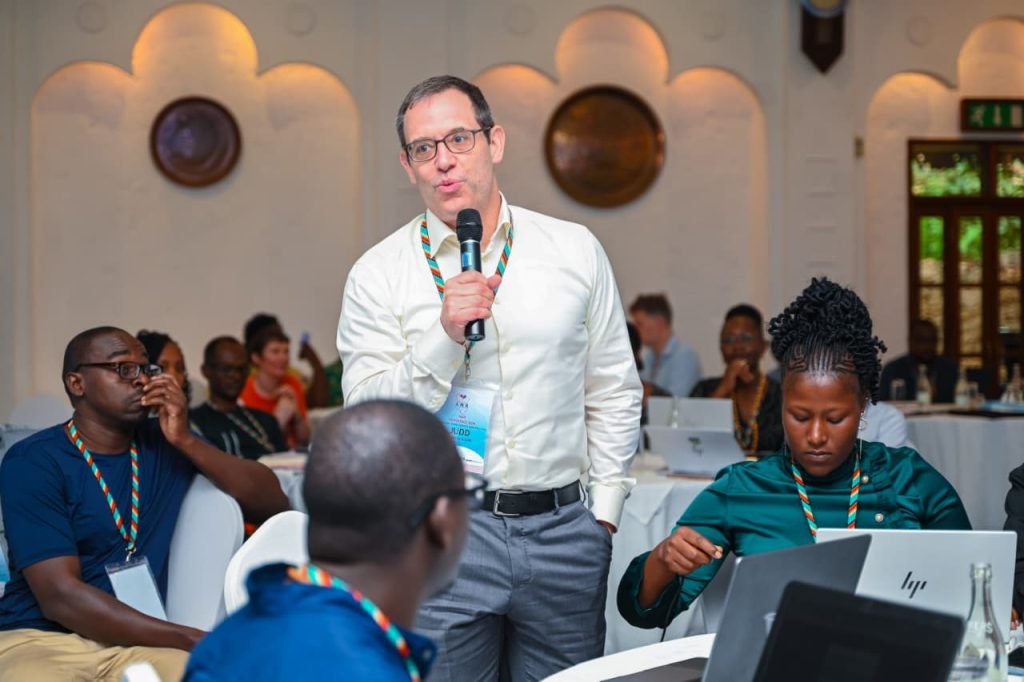
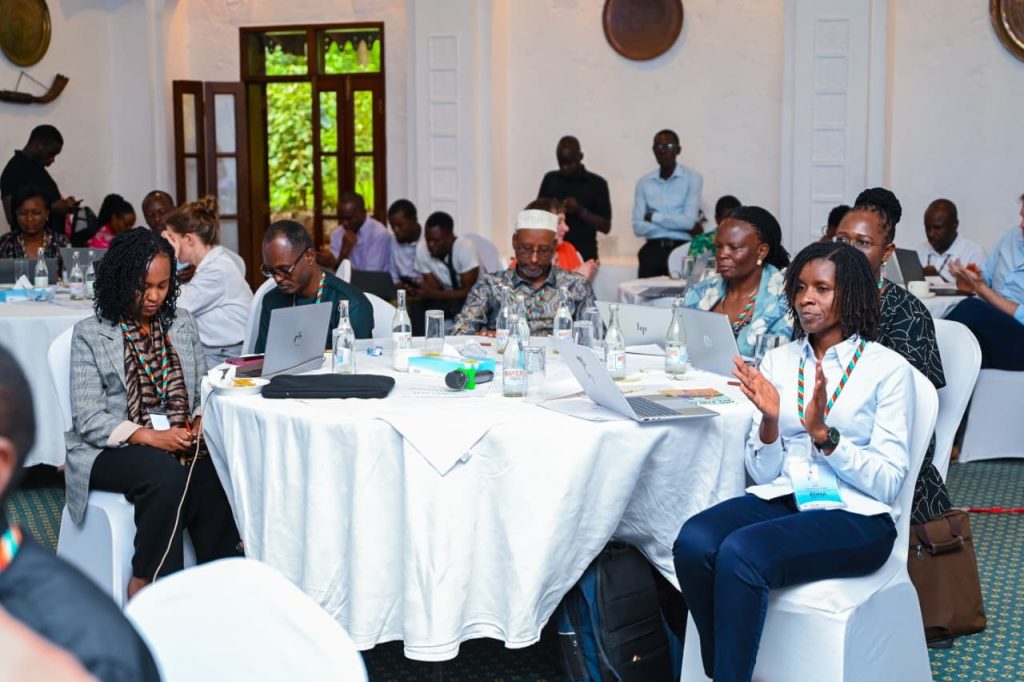
The push for Antimicrobial Resistance (AMR) continental awareness and significance received a major push last week when the Ministry of Health through KEMRI in partnership with the Kenya National Public Health Institute (KNPHI) hosted a high-level experts and stakeholders conference at the coastal city of Mombasa.
The conference held under the AMR Alliance Conference 2026 banner brought together leading national, regional and global stakeholders with the aim of co-creating practical and locally relevant solutions to one of the most urgent public health challenges of our time.
Key institutes through the KEMRI-Wellcome Trust Research Programme and KNPHI leadership were joined by National and County government policymakers, scientists, clinicians, funders and community leaders under the conference theme, “Working Together to Tackle AMR in Kenya.”
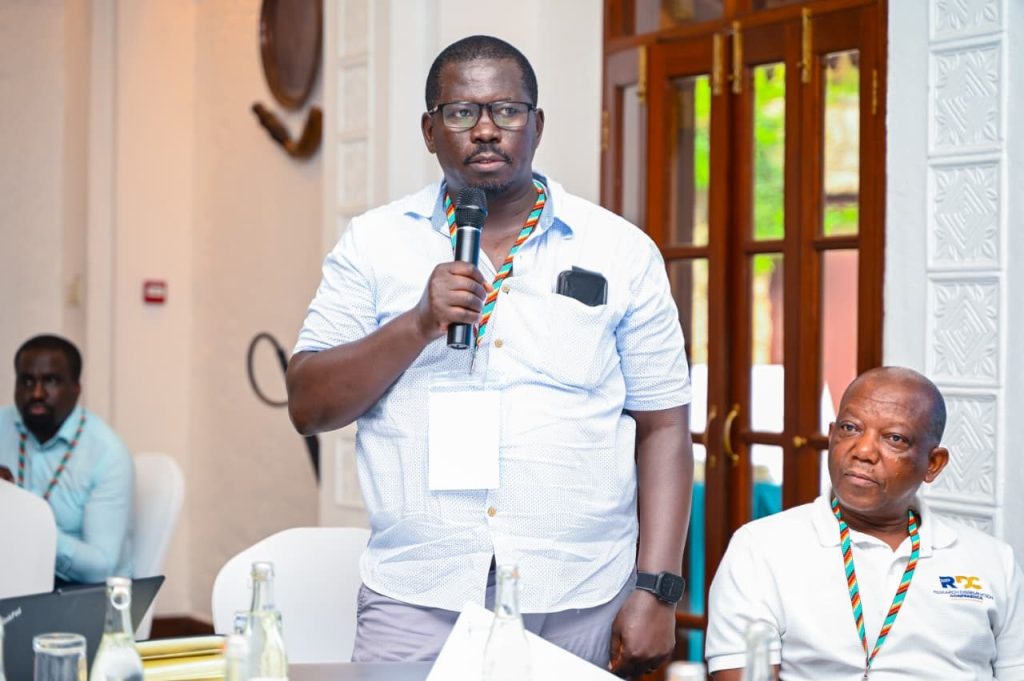
The Chairman of the KEMRI Board of Directors, Dr. Abdullahi Ali who was one of the key speakers at the official opening ceremony represented the Institute’s leadership at the two days conference held from 21st and 22nd January 2026 in Mombasa. Speaking during the conference Dr. Ali described the conference as both timely and imperative. “This conference comes at a critical moment for our country and our continent,” he said and added, “AMR is no longer a distant threat. Its impact is already being felt in our hospitals, our communities and our economies.”
He added that the gathering of scientists, clinicians, policymakers and partners marks a turning point in Kenya’s response to AMR. “The AMR Alliance Conference gives us a unique opportunity to align our efforts, strengthen collaboration across sectors, and accelerate the implementation of practical, locally driven solutions. KEMRI is proud to co-lead this initiative as we chart a united path to safeguard the efficacy of life-saving treatments for future generations,” said the Board Chair.
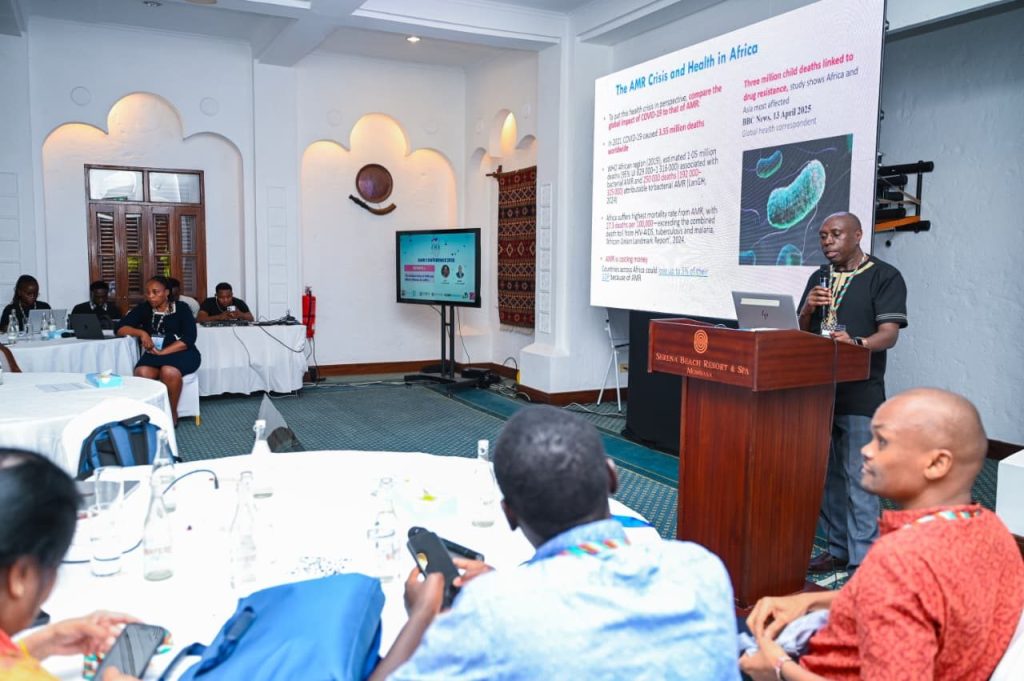
AMR is already exacting a heavy toll across Africa. According to 2019 estimates, more than a quarter of a million people on the continent die each year from infectious diseases linked directly to antimicrobial resistance, largely driven by the misuse and overuse of antibiotics. Once easily treatable infections are increasingly becoming deadly, raising alarm among health experts and governments alike.
Kenya has made important strides, including the development of a National Action Plan (NAP) aligned to the Global Action Plan and the African Union Framework for AMR Control. The plan seeks to strengthen surveillance, stewardship and public awareness. However, gaps remain in implementation, particularly in laboratory capacity, data sharing, and coordination across sectors.
These challenges prompted the formation of the AMR Alliance in Kenya, a multisectoral platform led by KNPHI and KEMRI that brings together experts, policymakers, funders and community leaders to drive a more unified national response. The Alliance’s inaugural activity is the AMR Alliance Conference 2026, designed to catalyse collective action and shared accountability.
Speaking on behalf of the Ministry of Health, Dr. Irungu Kamau, a medical pediatrician at KNPHI, underscored the urgency of the moment. “Urgent action is required to prevent a future where common infections become untreatable,” he said. “This is a reality we can no longer ignore, as we are already seeing increased deaths from infections that were previously manageable.”
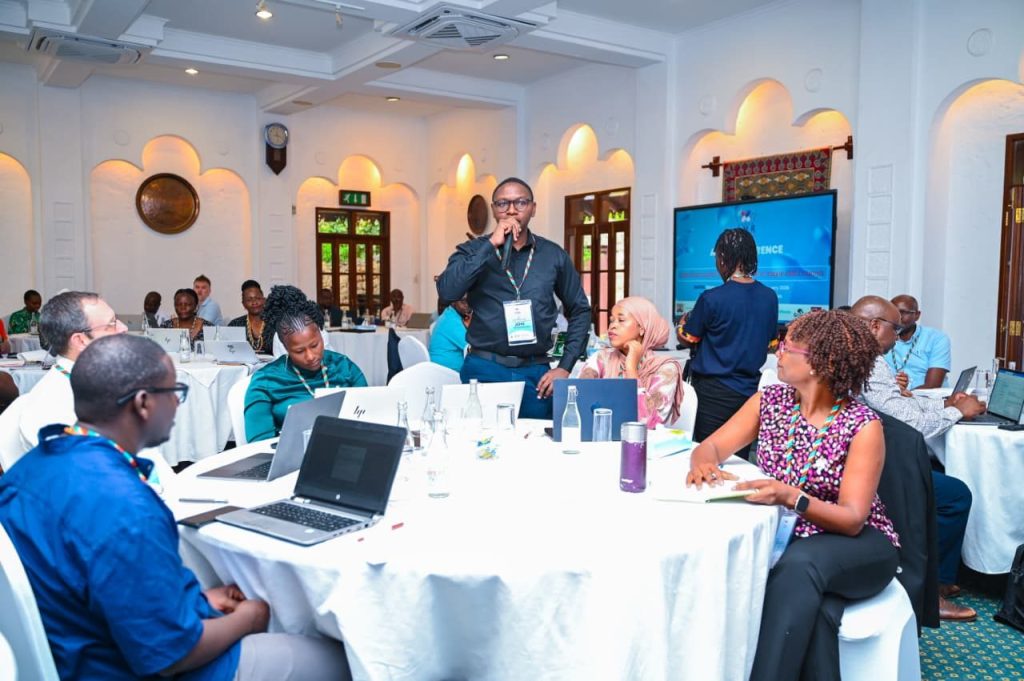
Dr. Kamau emphasized the need for a truly multisectoral approach, praising the Ministry of Health, KNPHI and KEMRI for providing leadership in launching the Alliance. He noted that the conference offers a critical platform for stakeholders to share experiences, lessons and emerging developments across sectors. “I am looking forward to the actioning of Kenya’s National Action Plan through this convening,” he said. “With collaboration across policy, research, clinical practice, pharmaceuticals, laboratories and regulatory bodies, we can urgently create local solutions for AMR in Kenya.” He also acknowledged the support of Wellcome Trust and the Fleming Fund, and reaffirmed the Ministry’s commitment to providing policy backing to implement the conference’s outcomes.
The Alliance has set out clear objectives for the conference, including showcasing successful AMR initiatives in Kenya, identifying gaps in data, diagnostics and stewardship, strengthening One Health collaboration across human, animal and environmental health sectors, and mobilising funding and partnerships for sustained action.
Conference conveners hope the meeting will yield shared national priorities, concrete policy recommendations and firm commitments from funders and partners. Plans are also underway to establish the conference as an annual national checkpoint for tracking progress through an AMR scorecard, supported by published proceedings and strengthened networks for ongoing collaboration.
Other than Dr. Ali and Dr. Kamau, other key speakers at the conference included Dr. Martin Ronoh who spoke on behalf of Deputy Director, Centre for Geographic Medicines Research, Coast (CGMRC), Dr. Sophie Uyoga, the Africa Continental Lead and Director at DNDi and Senior Principal Research Scientist at KEMRI, Prof. Sam Kariuki, Dr. Saumu Wayuwa from the Mombasa County Department of Health and Prof. Jay Berkley and Dr. Michuki Maina from the KEMRI-Wellcome Trust Research Programme (KWTRP).