
LEA-WH Fellowship Immersion Week Kicks Off
May 15, 2026
Science, Research, and Innovation Week Highlights KEMRI’s Excellence in Health Research
June 2, 2026KEMRI Strengthens National Ebola Preparedness & Strategic Response Capacity
By WODERA James and Duke Isaboke
The Institute has reaffirmed its commitment to supporting the government in strengthening national preparedness and response against Ebola Virus Disease (EVD) following recent outbreaks reported in neighbouring countries, including Uganda and the Democratic Republic of the Congo (DRC).
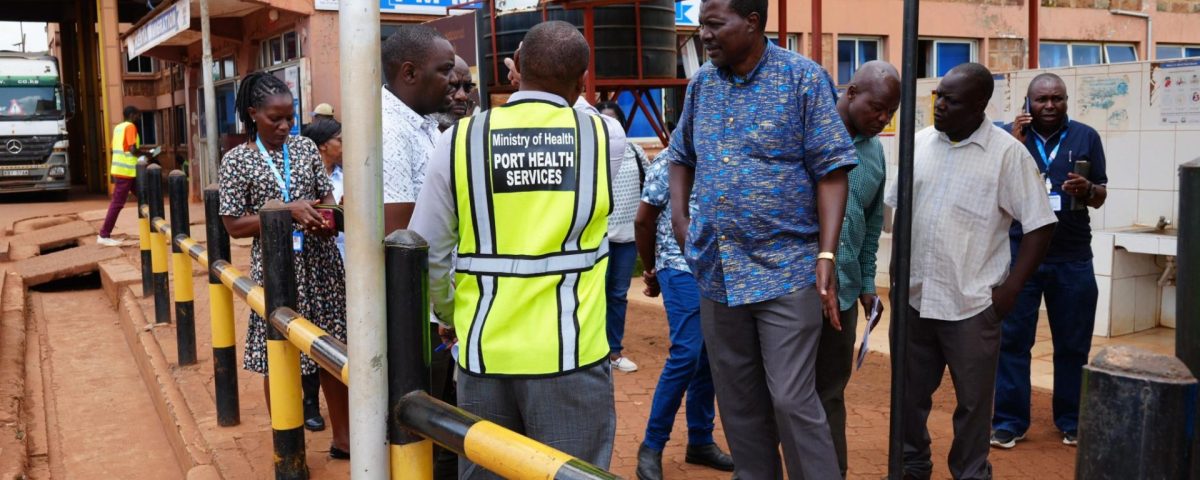
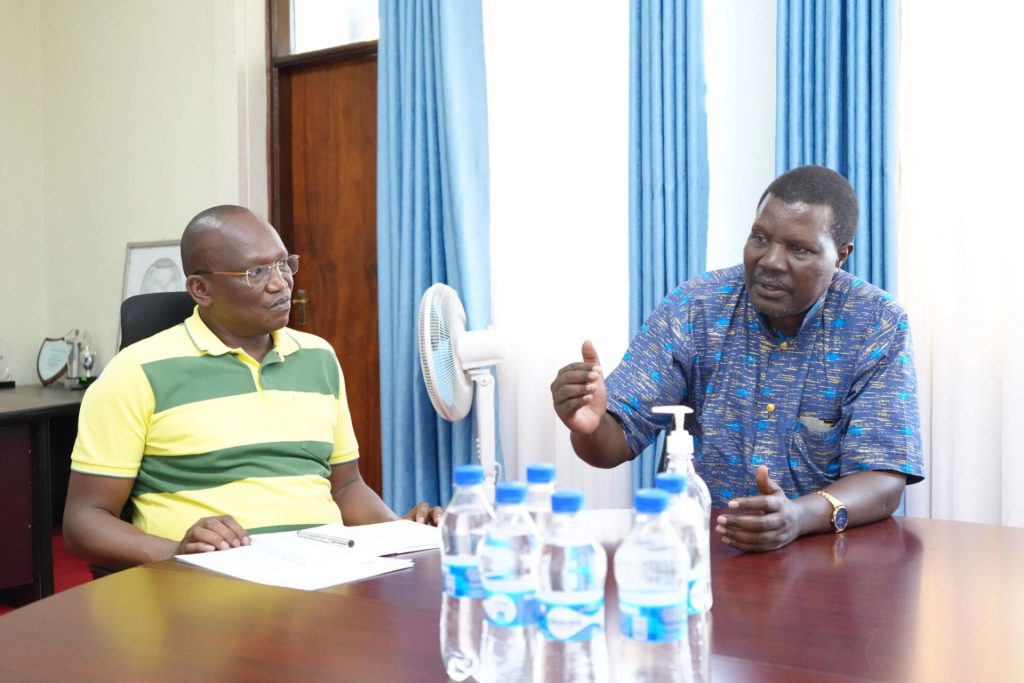
Speaking during an extensive preparedness assessment tour of Busia County, Acting Vice Chancellor and CEO KEMRI, Prof. Elijah Songok, emphasized the Institute’s capacity to support the country in epidemic preparedness, outbreak response, and high-risk pathogen management. He noted that the Institute’s advanced laboratory infrastructure, specialized scientific expertise, and expanding biocontainment capabilities position Kenya among the leading countries in regional outbreak readiness.
“KEMRI remains fully committed to supporting the Ministry of Health and county governments in protecting Kenyans from emerging and re-emerging infectious disease threats. Our scientific capacity, surveillance systems, laboratory infrastructure, and highly trained personnel remain critical national assets in safeguarding public health,” said Prof. Songok.
Since its establishment, KEMRI has played a frontline role in supporting Kenya’s response to numerous infectious disease outbreaks, including Rift Valley Fever, Yellow Fever, Marburg Virus Disease, Cholera, and the COVID-19 pandemic. Over the years, the Institute has provided scientific and technical leadership in disease surveillance, laboratory diagnostics, pathogen genomic sequencing, outbreak investigation, containment strategies, and training of frontline healthcare workers.
KEMRI has also contributed significantly to the development, evaluation, and manufacture of critical medical products, including diagnostic kits, disinfectants, and other essential outbreak response supplies. In addition, the Institute has participated in international clinical trials for vaccines and therapeutics aimed at strengthening global and national capacity to prevent and manage emerging infectious diseases.
Prof. Songok said that in response to the current regional Ebola threat, KEMRI is working closely with the Ministry of Health, county governments, and international partners to enhance surveillance and preparedness at key points of entry and high-risk border regions, including Busia, Malaba, and Jomo Kenyatta International Airport.
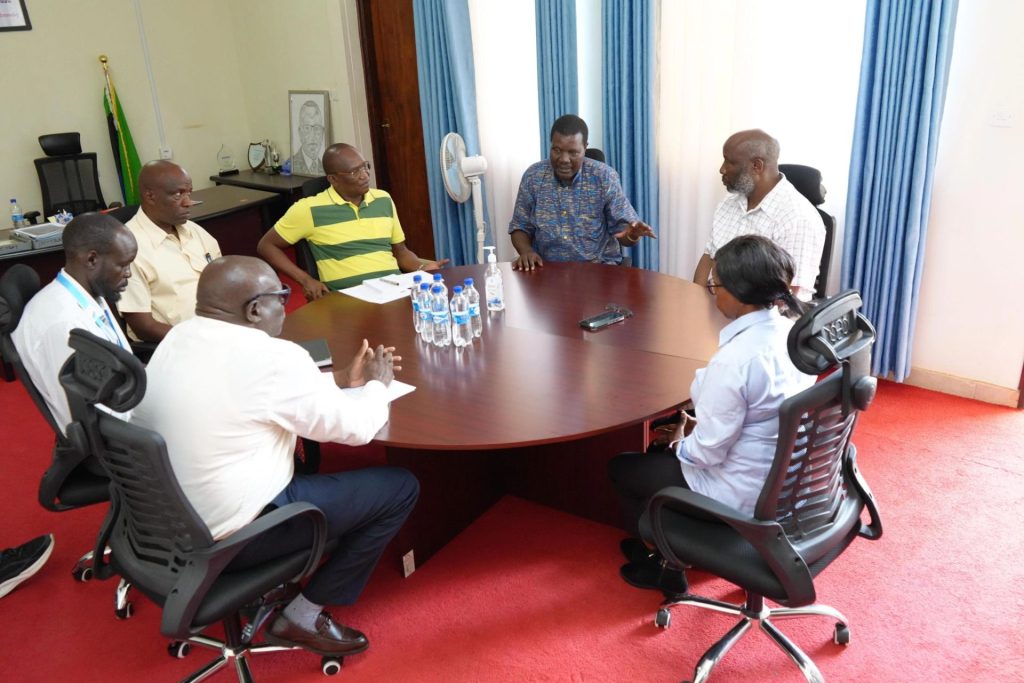
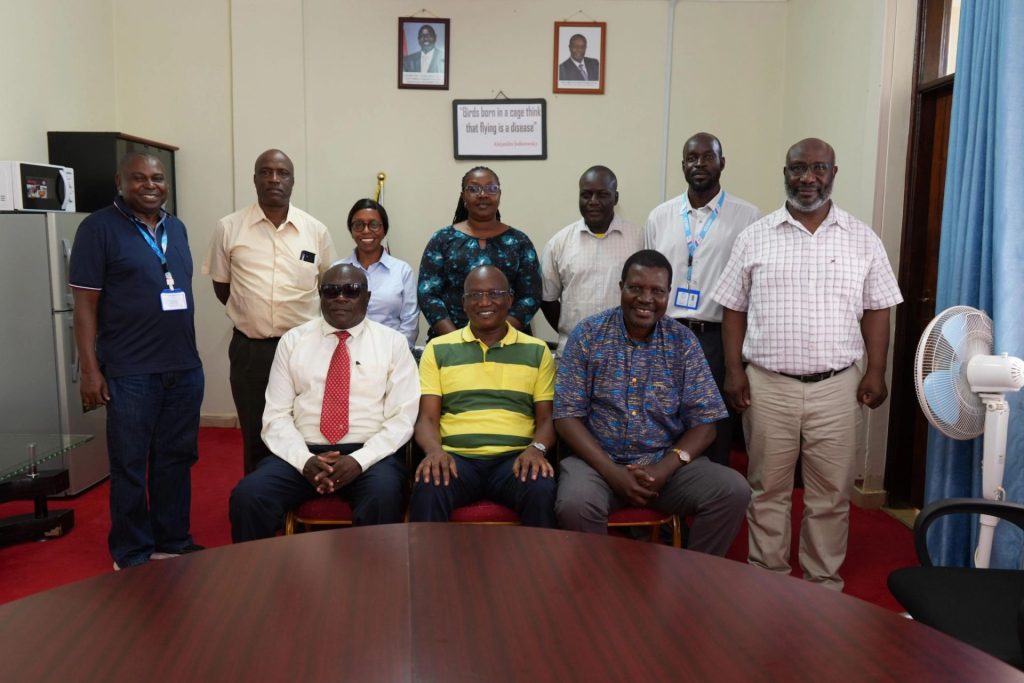
During a courtesy call on Busia County Deputy Governor, H.E. Arthur Odera, Prof. Songok reaffirmed KEMRI’s readiness to provide scientific and technical support to strengthen the county’s outbreak preparedness and response mechanisms. He pledged the Institute’s support to Port Health Services operating at the Busia, Malaba border points, and other critical entry points.
The discussions focused on enhancing surveillance systems, strengthening laboratory networks, improving rapid response capabilities, and fostering collaboration between national and county governments to ensure timely detection and containment of any potential Ebola cases.
He intimated that a cornerstone of KEMRI’s preparedness strategy is its advanced high-containment laboratory infrastructure since Ebola virus and other highly infectious pathogens can only be safely handled in specialized laboratories operating under stringent biosafety conditions.
“KEMRI hosts the majority of Kenya’s high-containment laboratory facilities, including Biosafety Level 3 (BSL-3) laboratories, making the Institute a critical national asset in the safe diagnosis, analysis, and management of dangerous pathogens,” he said.
These facilities enable rapid detection and confirmation of infectious disease threats while ensuring maximum protection for laboratory personnel, healthcare workers, surrounding communities, and the environment. The laboratories also support advanced research, pathogen characterization, and genomic surveillance, which are essential for guiding public health interventions during outbreaks.
As part of ongoing preparedness measures, KEMRI will continue to support the country through:
- Active disease surveillance at border points and other high-risk locations;
- Rapid laboratory testing and confirmation of suspected Ebola cases;
- Genetic characterization and genomic sequencing of circulating pathogens;
- Development and distribution of infection prevention and control products, including disinfectants;
- Development and deployment of rapid diagnostic testing kits;
- Training of healthcare workers and outbreak response teams; and
- Public sensitization, community engagement, and risk communication initiatives.
The VC further noted that following its recent elevation as an institution of national strategic importance, the Institute is expanding its role in strengthening Kenya’s long-term epidemic preparedness through investments in biomanufacturing, advanced healthcare infrastructure, research, and workforce development.
The Institute plans to scale up local production of critical medical countermeasures required during disease outbreaks and pandemics, reducing reliance on imported supplies while enhancing national self-sufficiency.
KEMRI is also expanding its academic and professional training programmes through KEMRI Graduate School and other specialized platforms to develop a highly skilled workforce capable of responding to future public health emergencies both nationally and across the region.
In a major infrastructure development initiative, Prof. Songok informed that KEMRI plans to establish specialized healthcare facilities equipped with High-Level Isolation Units (HLIUs) at selected locations, including Alupe in Busia County with state-of-the-art biocontainment facilities.
Currently, Kenya has limited dedicated high-level isolation infrastructure of this nature, highlighting the strategic significance of the proposed facilities in strengthening national health security, emergency preparedness, and outbreak response capacity.
The proposed HLIUs will complement KEMRI’s existing laboratory and surveillance capabilities by providing an integrated platform for diagnosis, patient management, training, and research during public health emergencies.
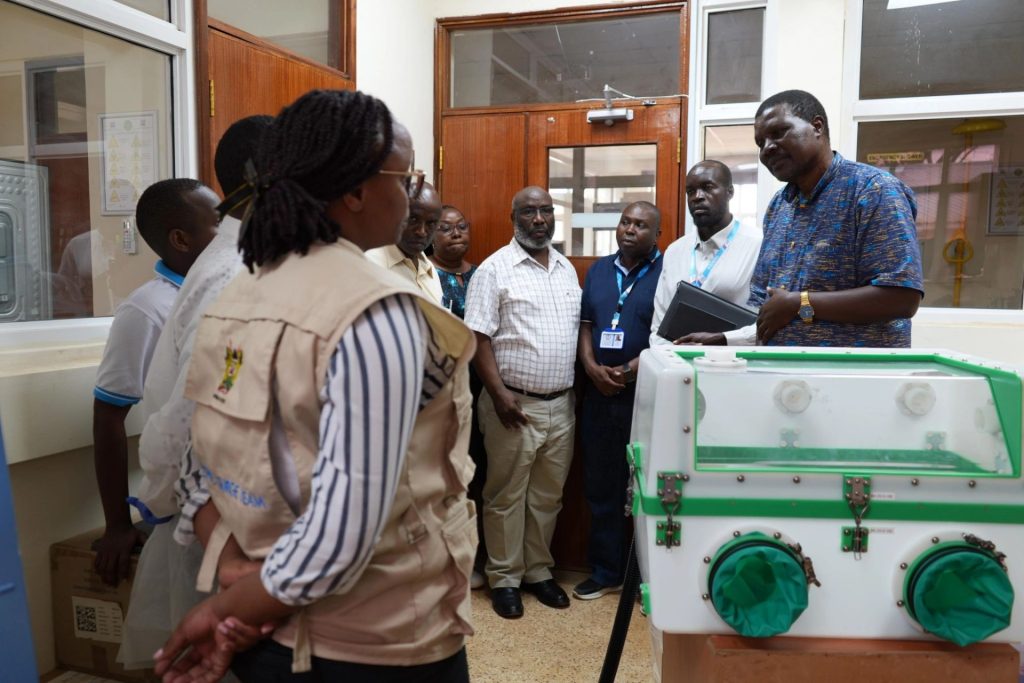
The VC further visited the proposed Ebola isolation facility at Alupe Sub-County Hospital, where discussions focused on infrastructure requirements and opportunities for strengthening local response capacity. He noted that KEMRI has already activated key response measures to support national preparedness efforts and remains on high alert to provide scientific, technical, and operational support should the need arise.
As Kenya continues to monitor the evolving regional Ebola situation, KEMRI remains steadfast in its mission of safeguarding the health and well-being of Kenyans through scientific excellence, innovation, strategic partnerships, and investments in world-class public health infrastructure.