
Six Decades of Japan–Kenya Partnership Spotlighted During Media Tour at KEMRI
February 25, 2026
KEMRI, GC ADDA and RAFIKI Convened a Landmark Joint Meeting to Advance Africa’s Drug Discovery Ecosystem
March 5, 2026Murang’a County Government Leaders Urge Stronger Collaboration With KEMRI
By Gideon Kirui
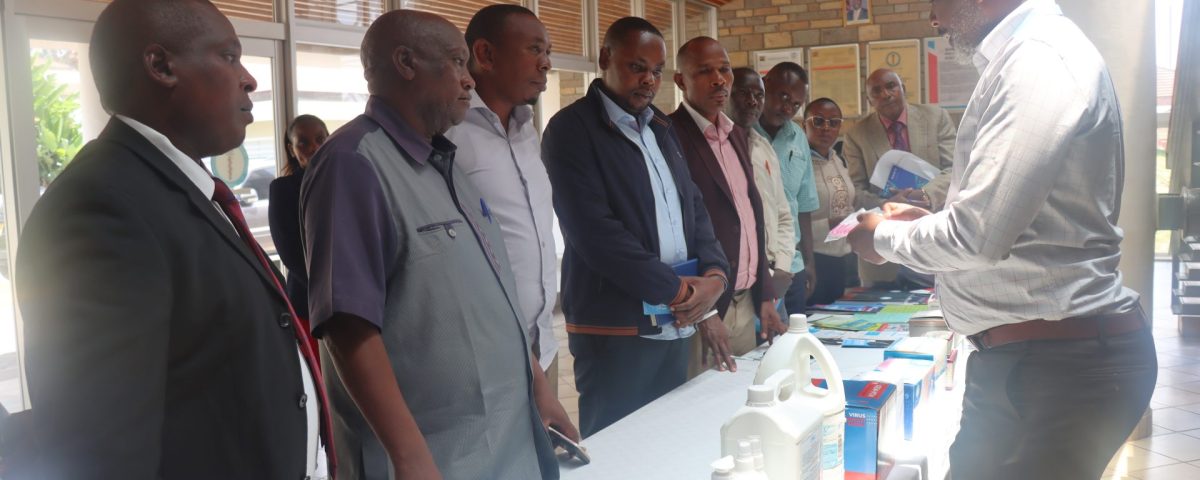
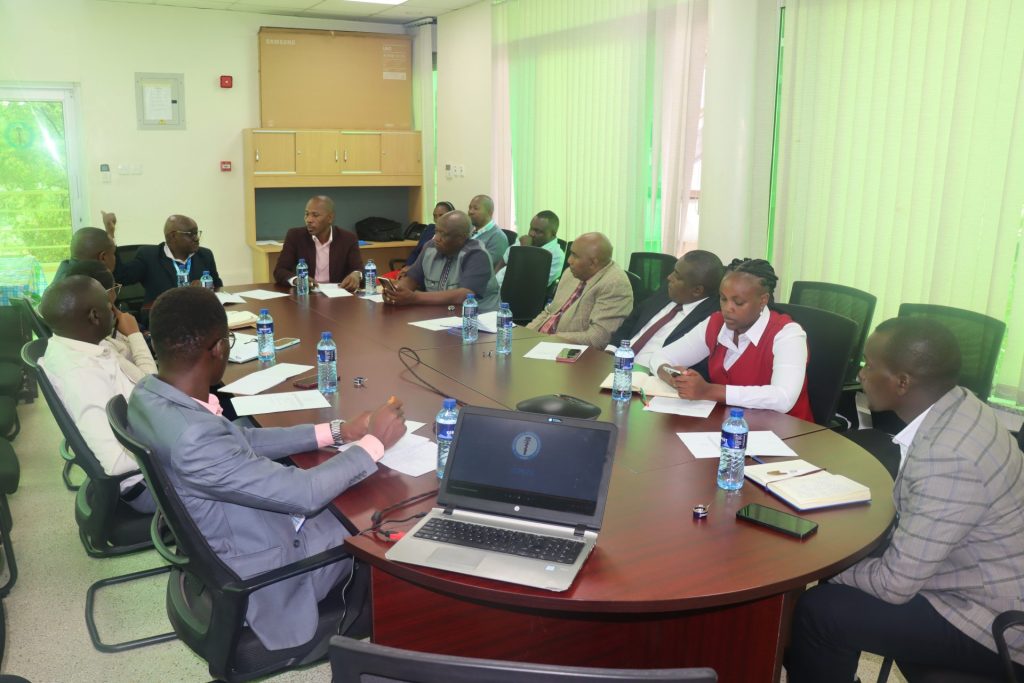
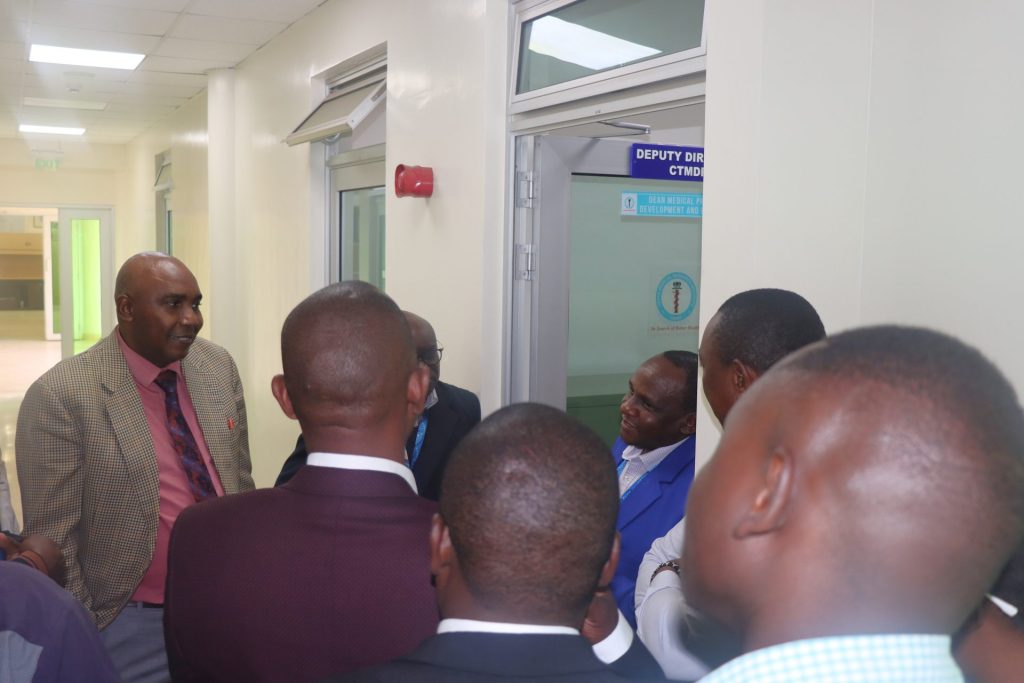
Members of the Murang’a County Assembly Health Services Committee on 19th February 2026 held an enlightening engagement with KEMRI, during a factfinding mission to the Institute aimed at strengthening collaboration in advancing public health.
The delegation, led by Committee Chairperson Hon. Boniface Mbau, visited KEMRI to gain deeper insight into its research programmes and explore areas of partnership between county governments and national research institutions. The meeting was chaired by Research Scientist, Mr. James Kariuki, who emphasized the need for African countries particularly Kenya to develop homegrown solutions to their health challenges through sound policies and strategic investments in research.
“We can move from theory to practical solutions,” Mr. Kariuki said, underscoring the importance of translating research findings into actionable policies that directly benefit communities.
During the visit, the Members of Murang’a County Assembly (MCAs) were briefed on KEMRI’s milestones in transformative health research, including advancements in tuberculosis studies, malaria vaccine development, childhood immunization research, and stem cell research. The delegation commended the Institute for its pivotal role in strengthening Kenya’s health systems through innovation and evidence-based interventions.
The meeting highlighted the critical nexus between lawmaking and health research in shaping effective health policies. The MCAs stressed the importance of integrating county governments into research processes, noting that their legislative mandate places them in a strategic position to lobby, advocate, and push for progressive health policies at the county level. They further observed that county assemblies play a decisive role in budget-making and maintain close working relations with the executive arm of government, positioning them to champion research backed health interventions.
The delegation expressed particular interest in cancer research and herbal medicine. They noted that Murang’a County is richly endowed with natural resources, including forests, which could support research and development of herbal medicines. They called for structured collaboration to explore these opportunities scientifically and sustainably.
One Health research also featured in the discussions, following a case study shared by one MCA regarding poultry deaths in his ward. The deaths were reportedly linked to pineapple spraying and the burning of pineapple residues after harvest practices that may pose significant public health risks through contamination of chicken and other locally produced food. The MCA invited KEMRI to investigate the incident to establish the potential health implications and guide appropriate interventions.
While KEMRI showcased its strides in research and innovation, it further highlighted persistent financial challenges, particularly in transitioning innovations from research to commercialization. Limited funding, including reduced allocations from the national exchequer and Boardroom Discussions with the team withdrawal of support from U.S. partners, has constrained large-scale production and implementation of research outputs.
Head of the Scientific and Ethics Review Unit (SERU), Mr. Enock Kebenei, challenged the MCAs to explore sustainable financing mechanisms to ensure continuity of research projects beyond donor support. He emphasized the need to institutionalize research within policy and budget frameworks to make it practical and impactful.
Mr. Kariuki and Mr. Kebenei were joined by Information Scientist from the KEMRI Graduate School, Mr. Brian Orwa, representing the Acting Director for Research Capacity Building, Dr. Martin Bundi. Together, they highlighted KEMRI’s achievements and emphasized the importance of collaboration in areas of mutual interest.
Both teams agreed on several key action points, including strengthening partnerships between KEMRI and county governments, enhancing research capacity at the local level, and fostering sustained engagement to translate scientific innovations into tangible public health benefits.