KEMRI Hosts Global Stakeholders to Boost Vector Surveillance Collaboration
August 6, 2025
KEMRI and Thermo Fisher Scientific Deepen Ties in Scientific Collaboration
August 6, 2025Kenya Rallies Stakeholders to Boost Local Biologics Production Under BRITE Programme

Kenya has taken a bold step toward transforming its health innovation ecosystem with the launch of an ambitious initiative to scale up the local production of biologics under the Biologics Regional Innovation and Technology Empowerment (BRITE) Programme. The programme, led by the Ministry of Health in partnership with the Liverpool School of Tropical Medicine (LSTM), seeks to bridge the gap between laboratory discoveries and life-saving health products, a phase commonly known as the “valley of death” in innovation.
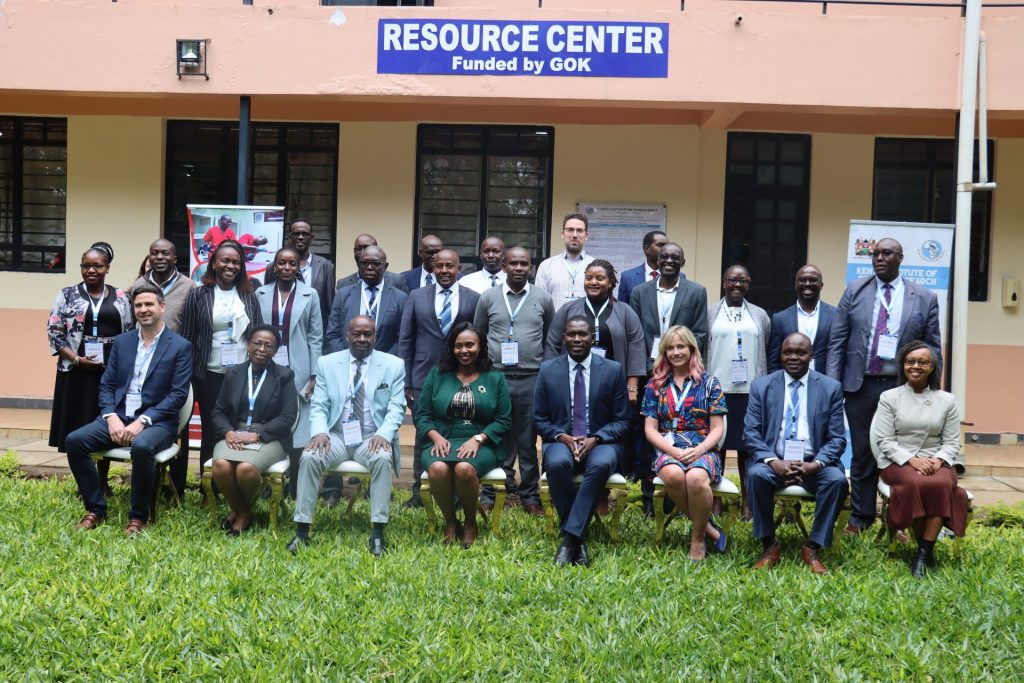
The BRITE stakeholder planning meeting, held from 29th to 30th July 2025 at the Kenya Institute of Primate Research (KIPRE), convened a wide array of health sector actors— including regulatory agencies, academic institutions, and research organizations including KEMRI—to chart a sustainable roadmap for biologics development. The five-year programme aims to address critical bottlenecks in local manufacturing by strengthening collaborative networks, enhancing technical capabilities, and securing the policy and financial infrastructure needed for success.
The Director of Enterprise and Innovation at LSTM and BRITE Programme Lead, Dr. Becky Jones-Phillips, emphasized the importance of cross-border and crosssector collaboration.
“Our vision is to repurpose underutilized infrastructure, catalyze regional alignment, and build the next generation of scientific entrepreneurs. Too often, innovation systems operate in silos, draining economic potential. BRITE is designed to connect fragmented pipelines, unlock value, and promote sustainable health innovation across the region,” she said.
In her keynote address, the Principal Secretary for Public Health and Professional Standards, Ms. Mary Muthoni, questioned the continued importation of antivenoms, noting Kenya’s untapped capacity to develop indigenous solutions for local challenges. “Advancing local biologics manufacturing—especially vaccines—will move us closer to achieving Universal Health Coverage. But this is only possible through strategic partnerships among government, academia, and institutions like KIPRE,” she stated.
She called for robust investment in research, ethical oversight, and regulatory harmonization, reaffirming the government’s commitment to initiatives that push Kenya into a new era of health innovation.
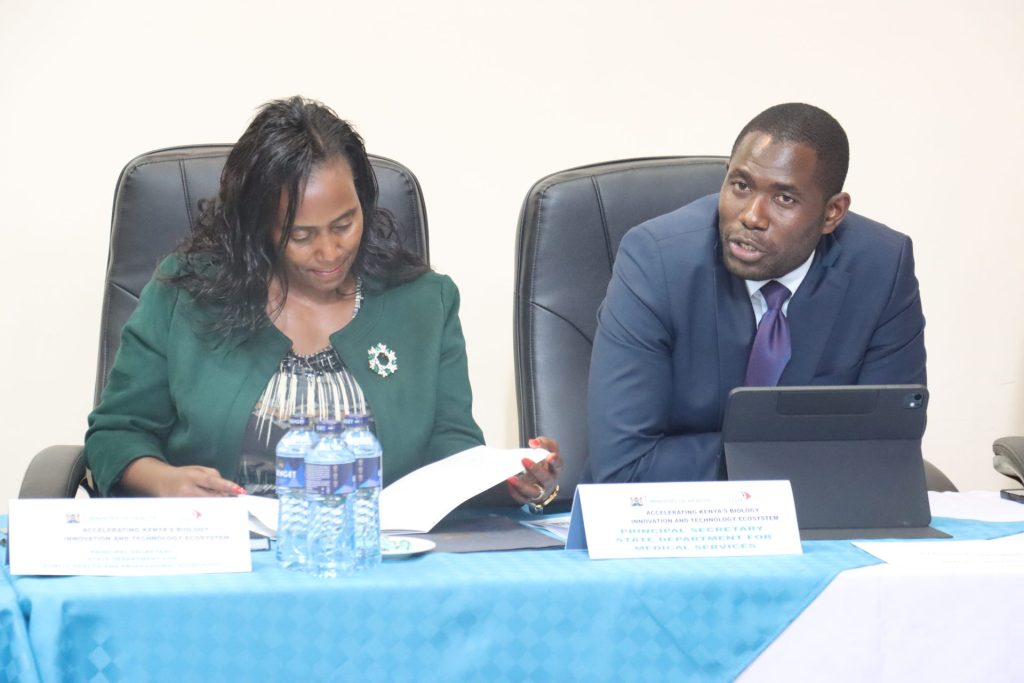
Her colleague, Principal Secretary in the State Department for Medical Services, Dr. Ouma Oluga, echoed her sentiments, identifying commodity security as a key pillar of the government’s Taifa Care plan for health sector selfreliance. “We aim to meet BRITE’s major targets by the third year. A critical focus is on snakebite envenoming, where we’ll map venomous snake populations, assess the national burden, and conduct feasibility studies for sustainable local antivenom production,” he revealed.
Dr. Oluga also underscored the need for collaborative ecosystems, discouraging the “silo mentality” and encouraging synchronized efforts among institutions while respecting their individual mandates.
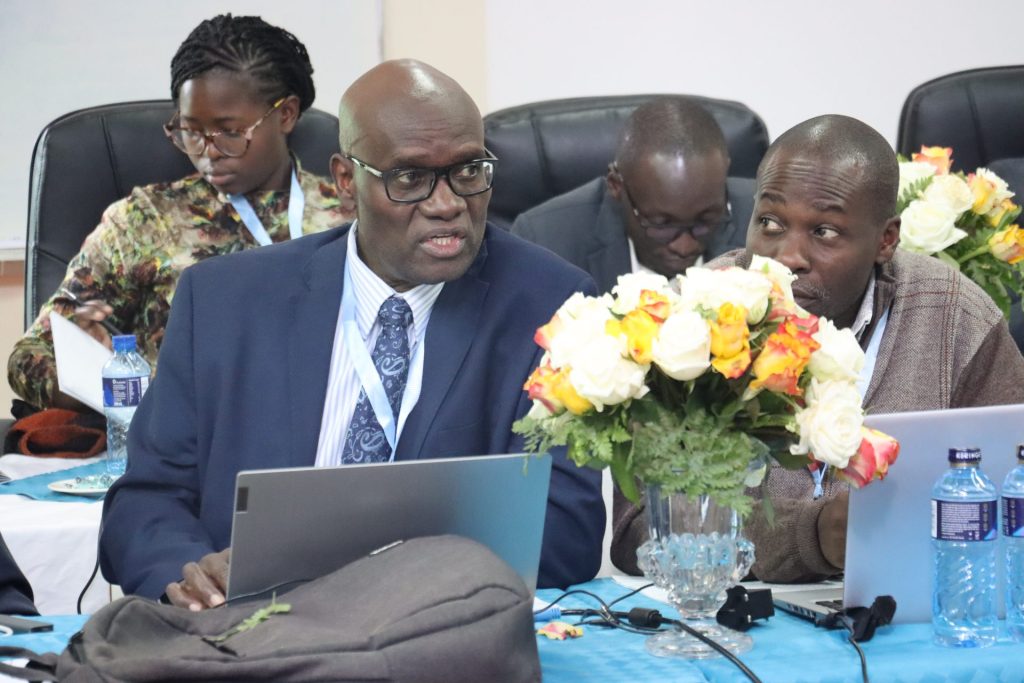
The Ag. Director General of KEMRI, Prof. Elijah Songok, was represented by Acting Deputy Director for Resource Development and Knowledge Management, Ms. Lilian Mayieka, Research Scientist from KEMRI’s Innovation and Technology Transfer Division (ITTD), Mr. Samuel Omari who also presented on venom collection and characterization efforts vital for local antivenom production.
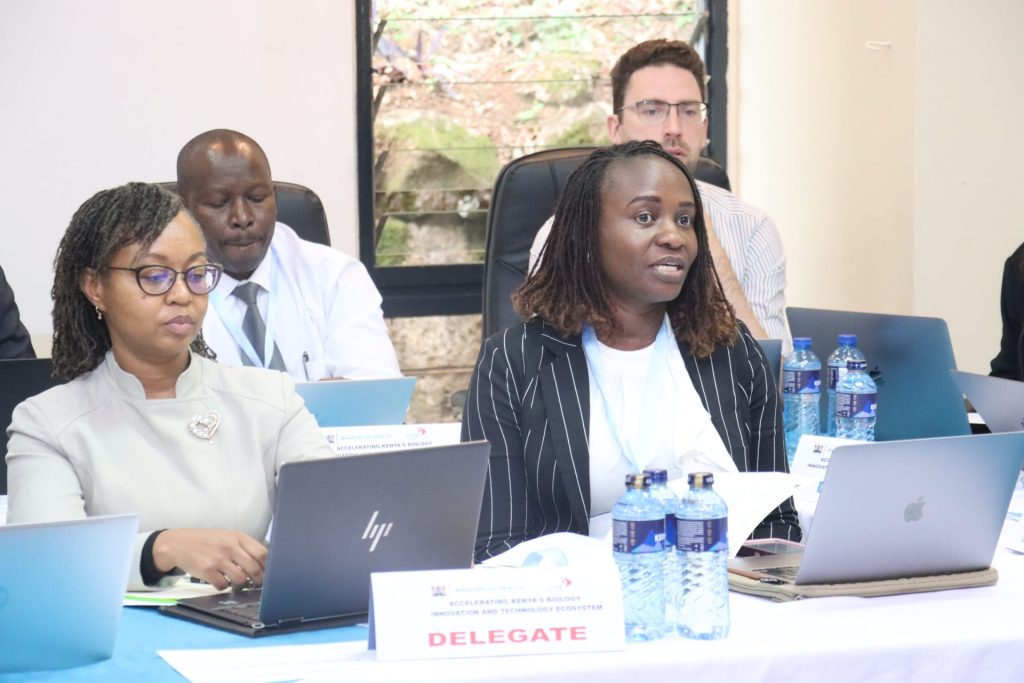
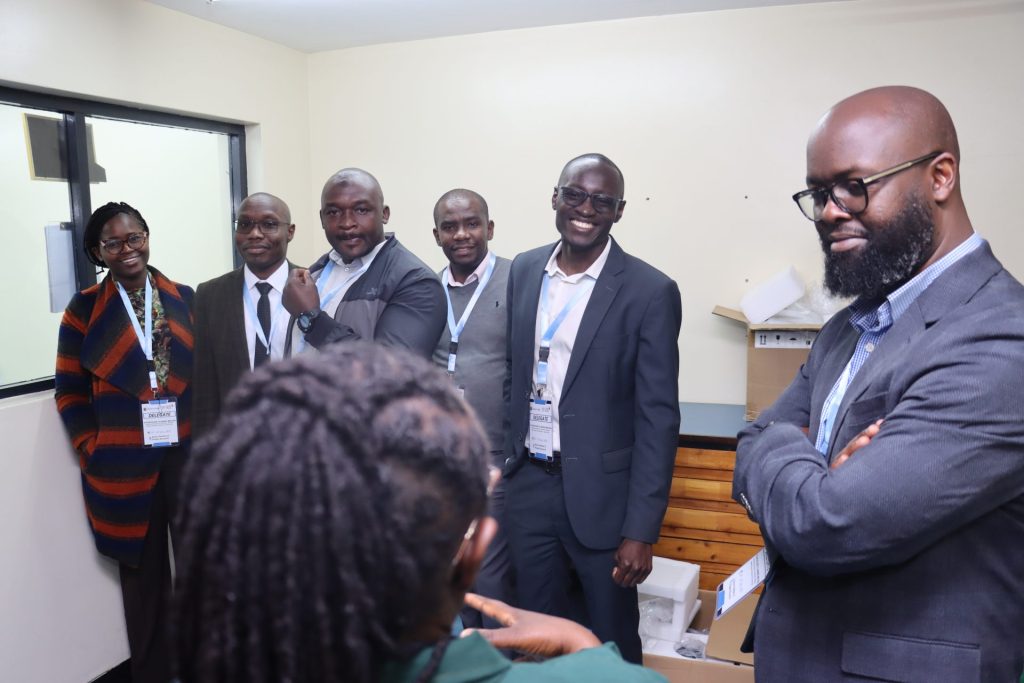
KEMRI used the platform to spotlight its longstanding contributions to health research and policy in Kenya. In its presentation, the Institute emphasized that the journey toward self-reliant vaccine and biologics development cannot succeed in isolation.
“Our greatest strength lies in synergy. To overcome political, logistical, and technological challenges, we must pool our resources and maintain strategic focus,” said Ms. Mayieka.
Other key institutions represented during the forum included the Kenya BioVax Institute, Kenya Medical Supplies Authority (KEMSA), Pharmacy and Poisons Board, Science for Africa Foundation, Kisii University, Egerton University, University of Nairobi, and Kenyatta University Teaching, Referral, and Research Hospital (KUTRRH).
The BRITE Programme promises to redefine Kenya’s approach to public health resilience by investing in innovation, building manufacturing capacity, and driving policy reforms that will support locally developed, high impact health solutions. As the groundwork begins, Kenya positions itself as a regional leader in biologics innovation and a beacon of scientific self-reliance for Africa.