
ANOSTEP Afrika Partners Converge In Nairobi As The Fight Against Urban Malaria Vector Rages on
November 25, 2025
KEMRI Leadership in a Strategic Retreat to Set 2026 Agenda
December 3, 2025KEMRI Hosts Launchpad Workshop for Ambitious AI-Driven Plan To Improve School Meal Programme
BY GIDEON KIRUI
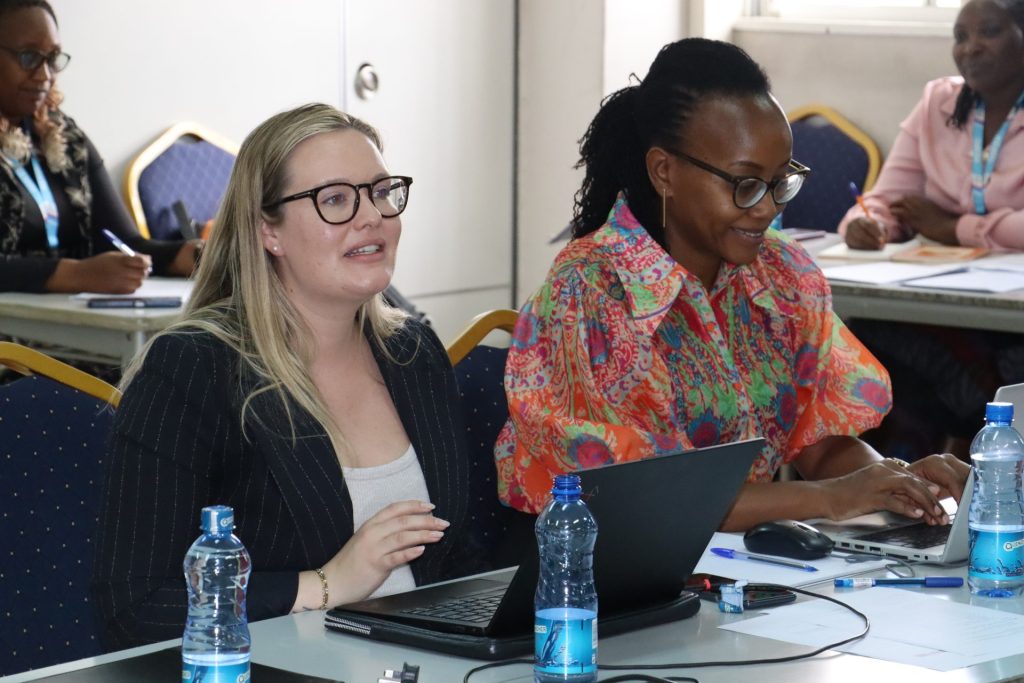
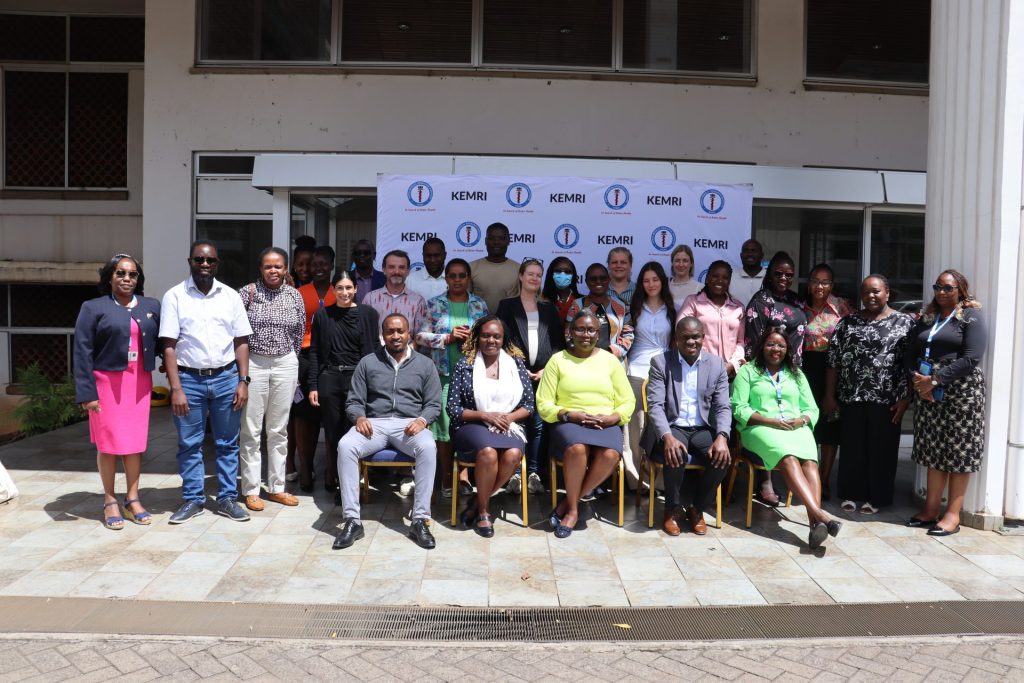
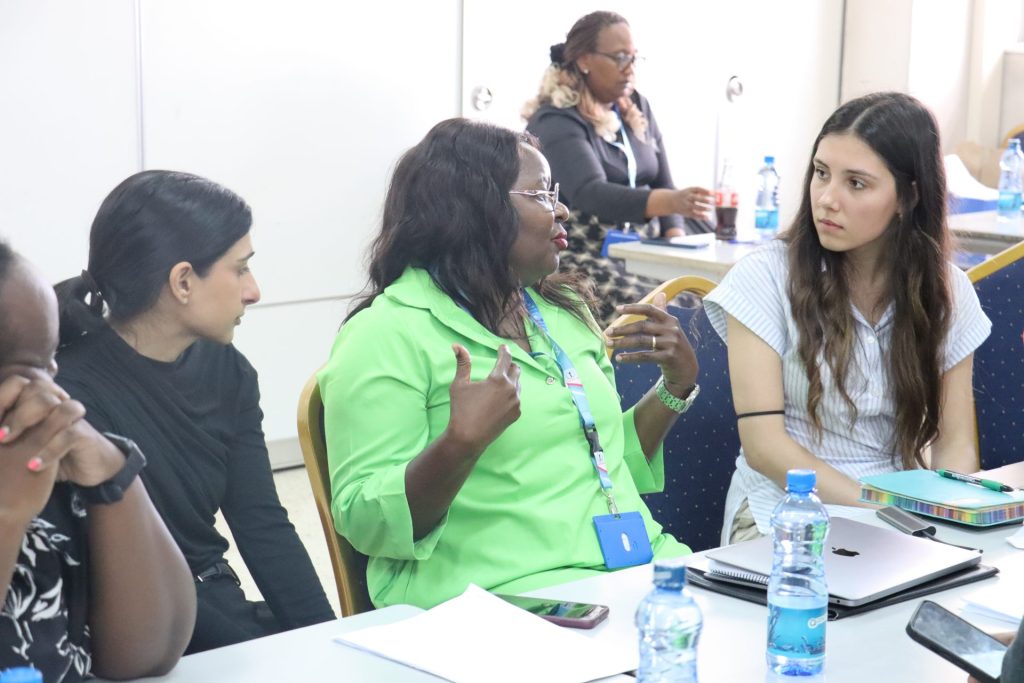
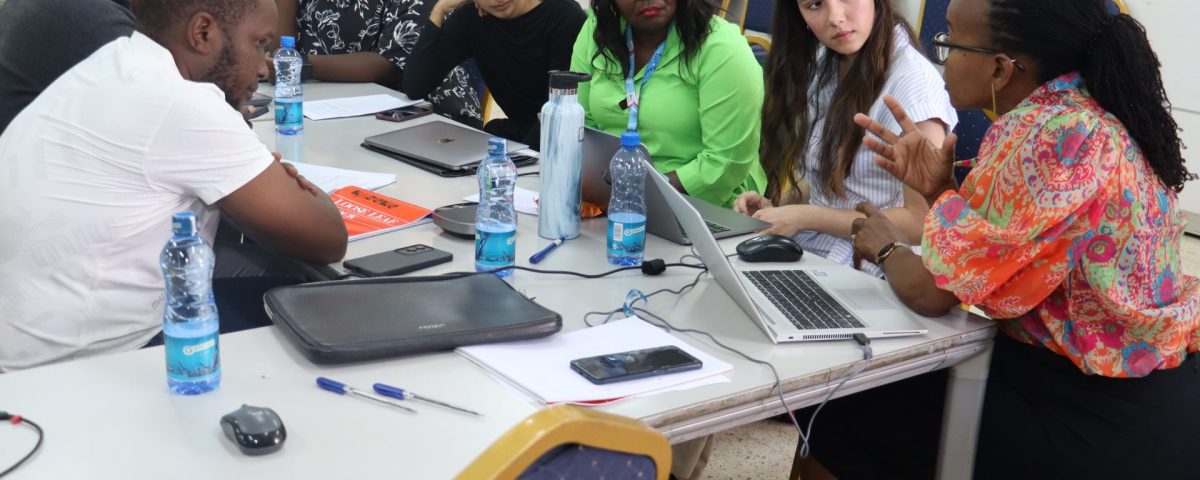
In line with its mandate to inform health policies, the Institute convened key stakeholders on 26th November 2025 for a high-level launchpad workshop to advance an ambitious plan aimed at improving Kenya’s school meal programme through cutting-edge Artificial Intelligence (AI) solutions. The consultative meeting brought together government officials, nutrition researchers, development partners, and practitioners to review the current monitoring and evaluation systems and chart new ways of enhancing the quality, nutritional value, and sustainability of school meals across the country.
The inception meeting opened with updates from the government and partners, reviewing the current programme, relative activities, key insights, and identified gaps. Speakers underscored their commitment to supporting the national school meals programme, noting that keeping children in school and ensuring they access nutritious, safe, and sustainable meals is a collective responsibility. They also stressed that the programme should be viewed as an investment rather than an expenditure.
In her opening remarks, the meeting moderator, Dr. Zipporah Bukania, serving in her dual capacities as the Acting Director Scientific Programmes, Partnerships, and Grants Management (DSPPGM) and a seasoned nutritionist, hailed collaboration as the cornerstone of successful programme implementation. She urged participants to bring their expertise and experiences to the table to design, implement, and monitor a transformative school meals programme.
“We hope that our collective experiences and exposures in different aspects will actually build this project,” she said. “This is just the initiation of the process, and we are hoping that we can do more to upscale, and while at it, ensure we involve everybody and synergize our efforts.” The workshop was also attended by centre directors from Eastern and Southern Africa Centre of International Parasite Control (ESACIPAC), Dr. Paul Gichuki and Centre for Public Health Research (CPHR), Dr. Priscah Otambo where the project is anchored.
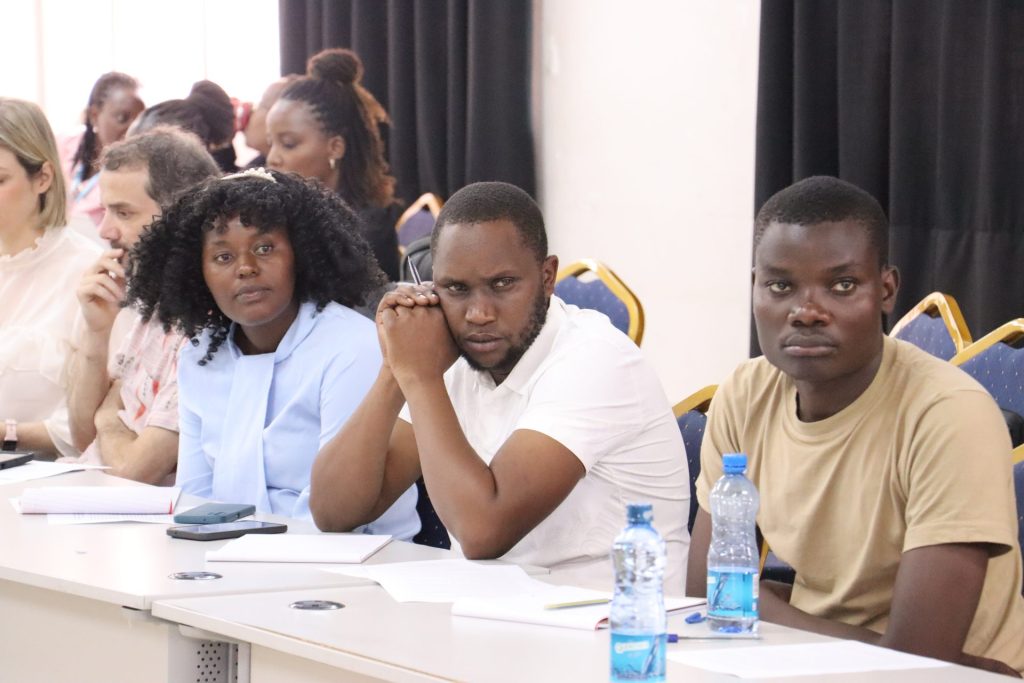
Speakers also underscored the unique importance of school-feeding programmes in arid and semi-arid lands (ASALs), where they help stabilize pupil attendance and boost local agricultural production. By sourcing from smallholder farmers, the programme contributes to rural livelihoods and strengthens local markets. Meeting the nutrient needs of school-age children, especially adequate macronutrients, minerals, and vitamins, was identified as critical to supporting healthy development.
Currently, the national school meals programme caters for approximately 1.8 million children. The government aims to expand this coverage to more than 10 million learners by 2030. To achieve this, Kenya is working closely with the National School Meals Coalition and other partners to strengthen food systems and deliver high-quality, nutritious meals to school-going children.
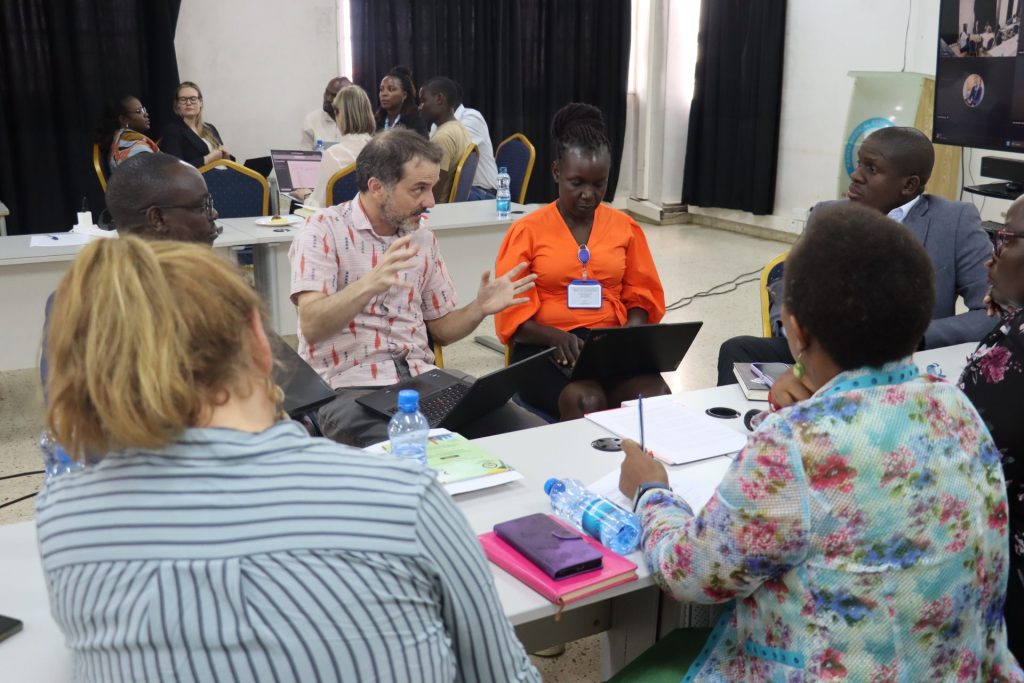
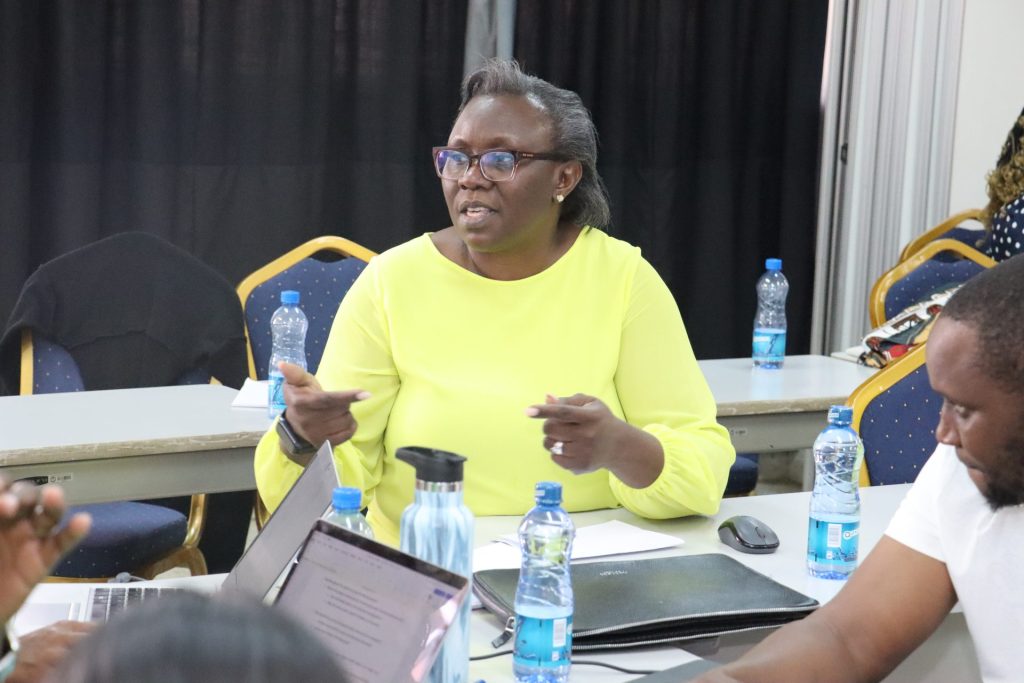
Funded by the Novo Nordisk Foundation in partnership with United Nations World Food Programme (UN WFP), the School Meals Programme is expected to contribute Ag. Director, DSPPGM, Dr. Zipporah Bukania contributes to the discussion during a breakout session at the meeting significantly to Kenya’s broader efforts to enhance child nutrition, improve learning outcomes, and strengthen local food systems. The project seeks to leverage AI-enabled tools to address long-standing challenges in collecting accurate and reliable dietary data in school settings, a gap that continues to hinder evidence-based decisions in nutrition programming.
As part of the initiative, the stakeholders are expected to co-design and develop computerized meal-optimization models capable of generating data-driven insights on the content and quality of school meals. A key component of the project is a dietary assessment tool that will be deployed subject to ethical approvals and linked to an updated food composition table to ensure the accuracy of nutrient calculations. The tools will be designed to assess the entire school meal delivery chain: from defining food and nutrient standards to evaluating meal preparation, children’s consumption patterns in school, and their broader dietary intake at home.
Workshop deliberations also focused on refining the project scope and collaboratively developing comprehensive workplans, with the proposed study planned for forty schools across Nairobi and Marsabit Counties. It will involve children aged 6–14 years and their caregivers, offering a representative lens into both urban and arid/ semi-arid contexts.
On her part, Deputy Head of Nutrition and Dietetics Unit, Ministry of Health, Madam Leila Odhiambo emphasized the government’s role in ensuring that interventions remain affordable, sustainable, and aligned with national nutrition priorities. She reiterated that school meals are a multisectoral and a rights issue.
Ms. Odhiambo noted that malnutrition imposes a heavy financial burden on the health and education sectors and undermines national productivity, particularly affecting younger populations. “We need to have a serious conversation. Providing proper nutrition in our schools is essential if we want to become a first-world country,” she challenged, urging the partners to mirror global best practices by prioritizing school nutrition as a pathway to becoming a healthy, educated, and prosperous society. Citing evidence, she highlighted that schools with feeding programmes consistently outperform those without, owing to improved enrolment, attendance, and concentration.
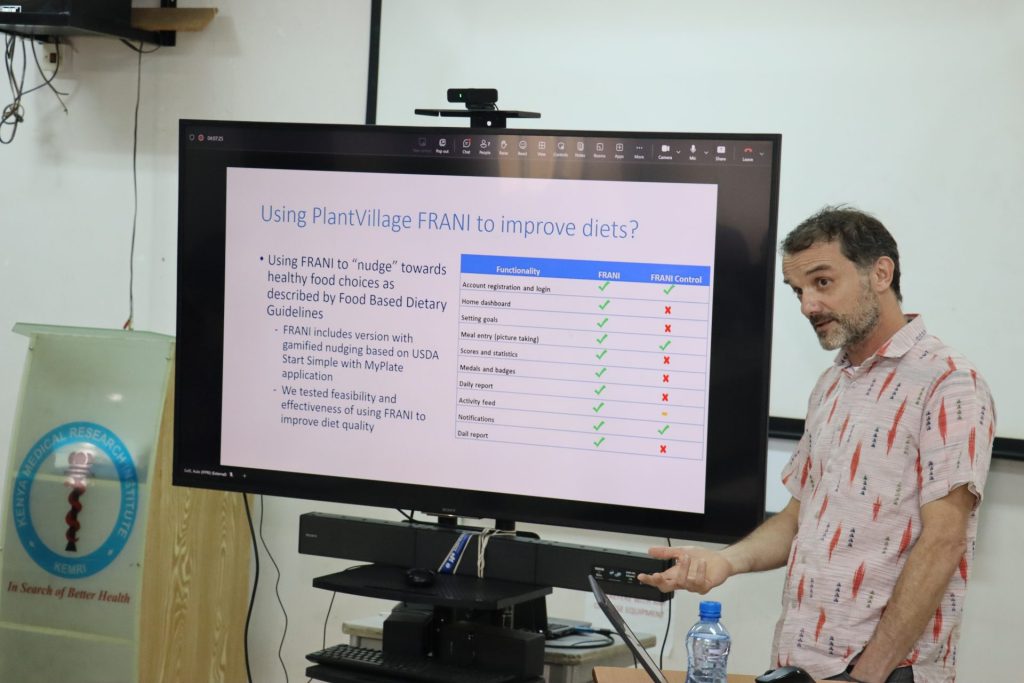
Senior Research Fellow in the Poverty, Gender, and Inclusion Unit at the International Food Policy Research Institute (IFPRI), Dr. Aulo Gelli highlighted unhealthy diets as a major global risk factor for mortality and morbidity, stressing that targeted interventions could reverse current trends. He noted that similar AI-driven programmes have already been implemented in Ghana, offering lessons that Kenya can build upon.
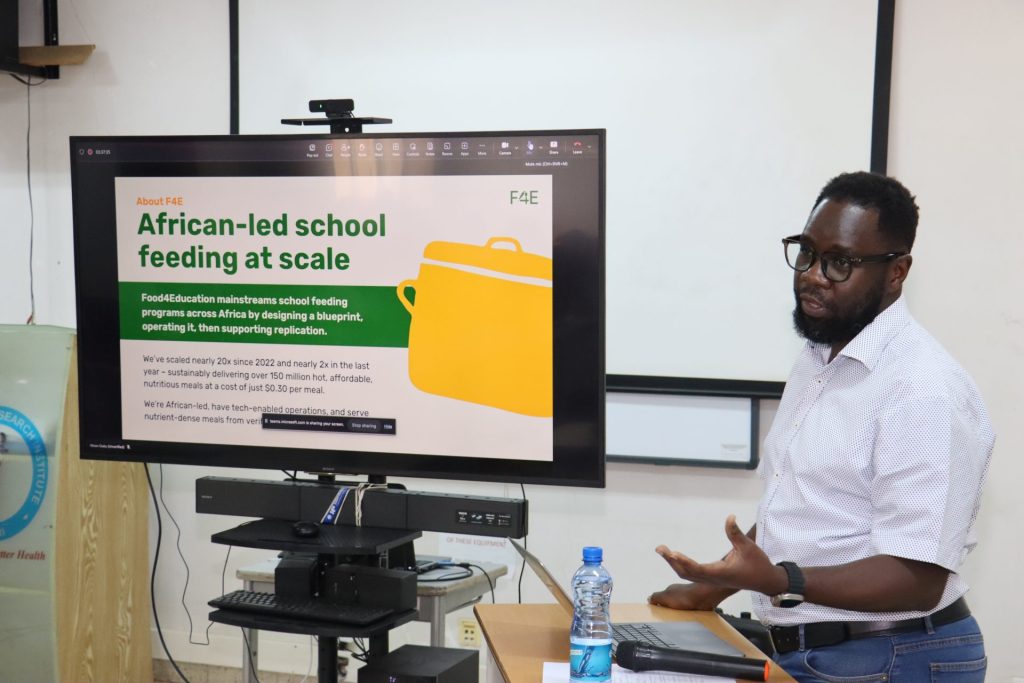
Other partners represented at the workshop included the Ministry of Education, the UN WFP, Food for Education (F4E), PlantVillage, and the Partnership for Child Development (PCD).
Stakeholders further identified key evidence gaps and targeted groups: parents, guardians, children, farmers, food handlers, and teachers, who need strengthened nutrition knowledge to counter widespread food myths and misconceptions.