
KGS Graduands Conferred at 45th JKUAT Graduation Ceremony
December 11, 2025
KEMRI Scientists Demonstrate Breakthrough in Low-Cost Housing Solutions for Heat Relief and Malaria Prevention
January 5, 2026KEMRI Hosts 2nd Annual Regional Conference on Transport Corridors and Health

By LISPER MOKAYA
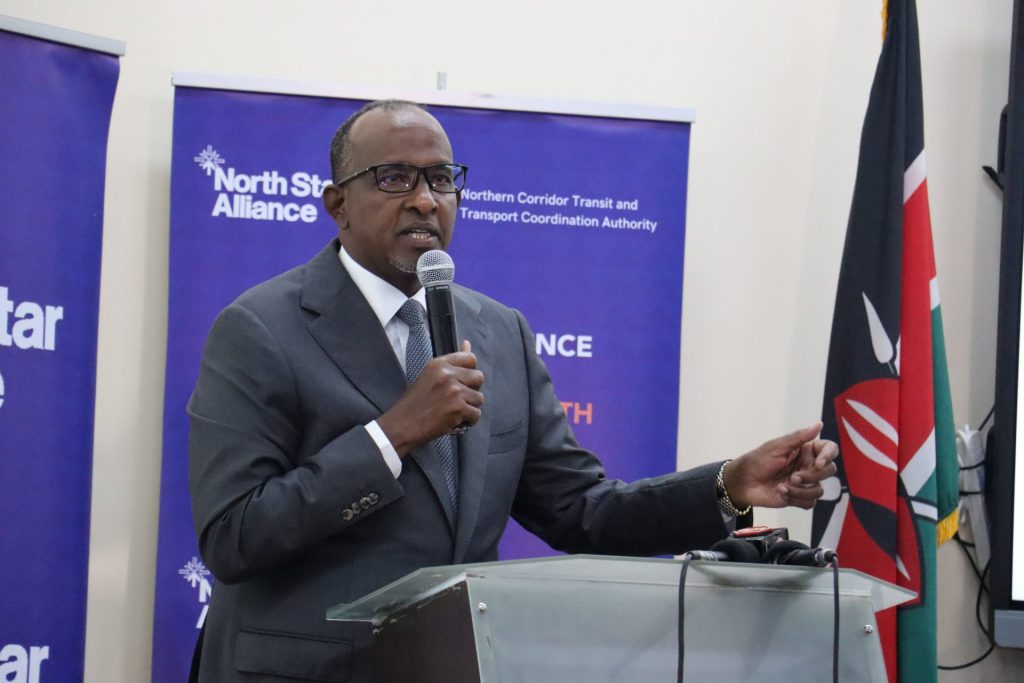
The Cabinet Secretary for Health, Hon. Aden Duale, has called for strategic investments in health systems along Africa’s major transport corridors to curb disease transmission and safeguard the wellbeing of populations driving regional commerce.
Speaking while officially opening the 2nd Annual Regional Conference on Transport Corridors and Health, hosted by KEMRI at the Conference Hall at the Headquarters in Nairobi, Hon. Duale emphasized that efficient and resilient health systems are essential to sustaining economic progress.
“Healthy corridors are productive corridors, and productive corridors drive national and regional development,” he said. “This conference comes at a critical time when our region continues to face complex and recurrent public health threats,” said the Cabinet Secretary.
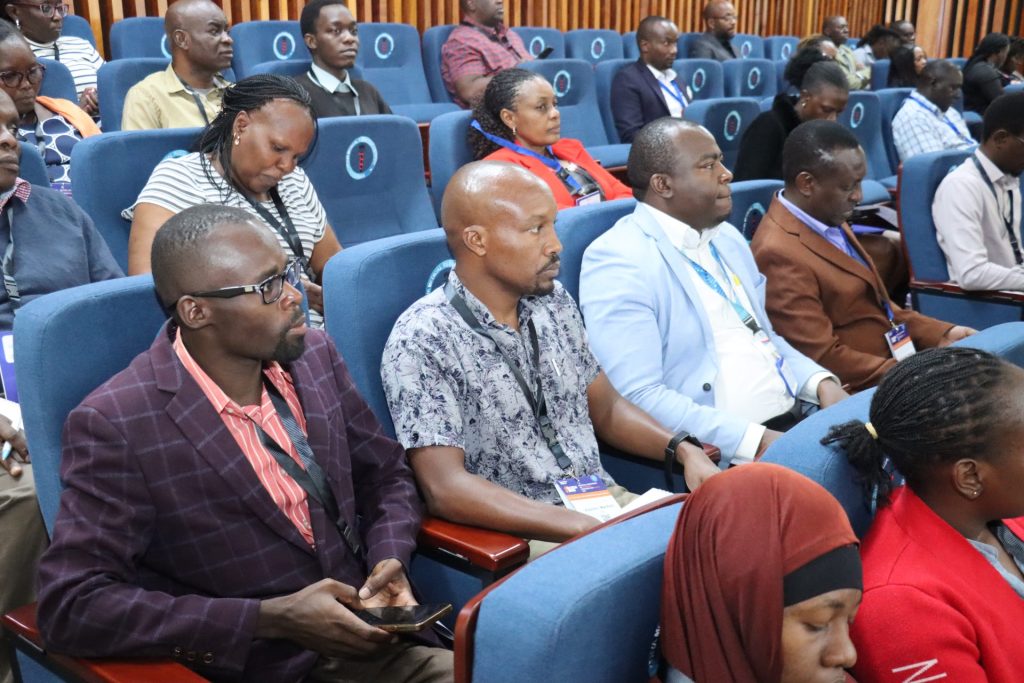
The three-day high-level forum, co-organized by North Star Alliance and the Northern Corridor Transit and Transport Coordination Authority (NCTTCA), has brought together policymakers, health professionals, industry leaders, civil society representatives, and community advocates from across the region.
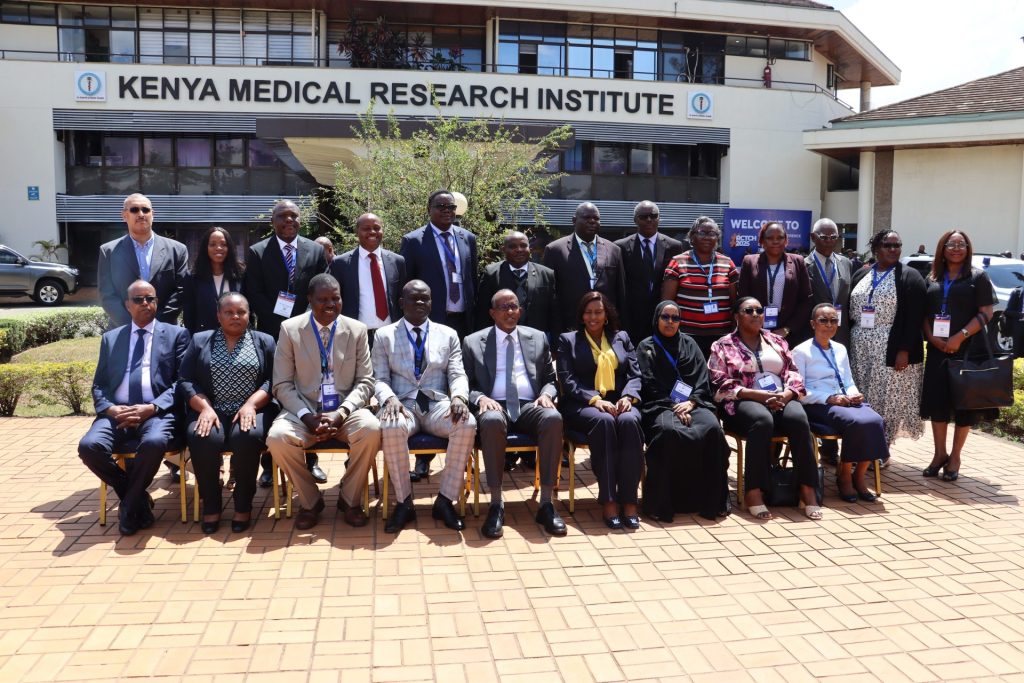
Hon. Duale was accompanied by the Principal Secretary State Department of Public Health and Professional Standards, Ms. Mary Muthoni; NCTTCA Executive Secretary, Dr. John Diar Deng; North Star Alliance Supervisory Board Chair, Mr. Bernard Kadasia; IGAD Head of Mission to Kenya, Dr. Fatuma Aden; and KEMRI Acting Director General, Prof. Elijah Songok, among other dignitaries.
In his remarks, the CS underscored the dual nature of transport corridors as enablers of trade and potential conduits for disease transmission if not properly managed.
“These corridors facilitate the movement of people and goods across countries, but can also become pathways for HIV, TB, Malaria, and the rising burden of Non-Communicable Diseases such as hypertension and diabetes,” he noted.
He further reaffirmed the Government’s recognition of KEMRI as a national pillar for public health research and epidemic preparedness.
“KEMRI has been elevated as an institute of strategic importance due to its critical role in disease surveillance, research innovation, and safeguarding the health of our nation,” he said.
This year’s conference is being held under the theme: “Innovations and Partnerships for Healthy and Prosperous Transport Corridors.” Participants are exploring effective models to address health vulnerabilities along key trade routes, particularly among mobile populations such as long-distance truck drivers, who often face limited access to healthcare despite heightened exposure to disease risks.
Principal Secretary Ms. Mary Muthoni emphasized the need for strengthened cross-sectoral coordination. “We must design safer roads and walkways to protect the people who keep our economies running. The Ministries of Transport, Environment, Health and Finance must work together to create corridors that are both prosperous and safe,” she said.
Prof. Songok reiterated KEMRI’s commitment to evidence driven collaborations that enhance public health while supporting socio-economic advancement.
“Transport corridors remain essential avenues for trade and integration in our region. Through partnerships, research, and innovation, we can transform these spaces into healthier environments for all communities,” he said.
The conference is taking place at a time when Africa is accelerating cross-border infrastructure and trade integration under the African Continental Free Trade Area (AfCFTA). Stakeholders stressed that for development to be truly inclusive, health investments must grow alongside regional connectivity ambitions.
Key discussions include disease prevention, digital health solutions, occupational safety, policy alignment, and community-focused healthcare delivery for highly mobile populations. The resolutions from the conference are expected to shape future interventions that enhance both transport efficiency and the wellbeing of communities that depend on corridor economies.