
Climate-Smart Housing Innovations Offer New Hope in the Fight Against Malaria
June 2, 2026
Stakeholders Convene in Nairobi to Advance Genomic Surveillance for Outbreak Response in East and Central Africa
June 8, 2026Can a Smartphone Camera Tell Us What Kenya’s School children Are Eating?
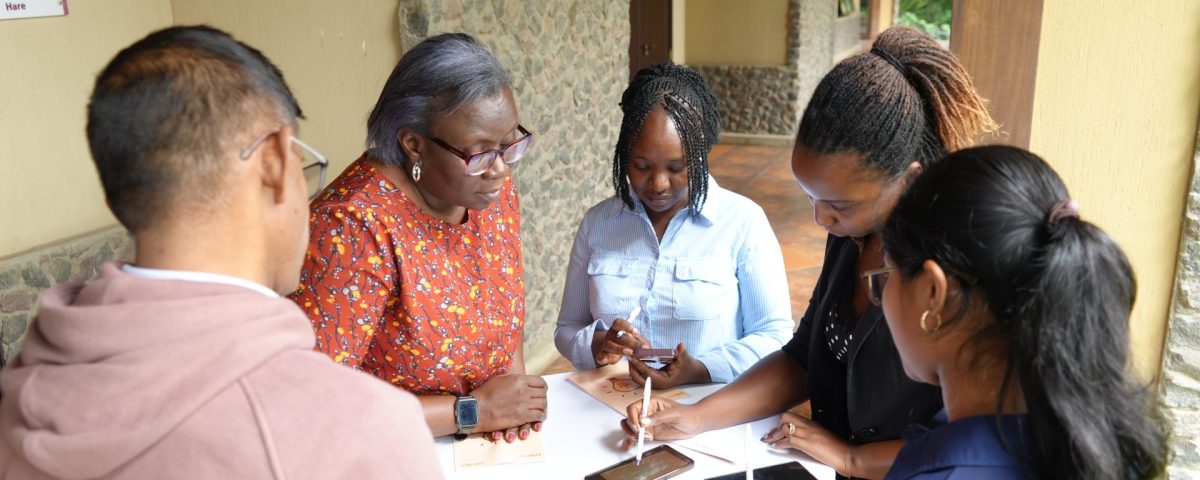
Naivasha Hosts Global Partners as KEMRI Prepares to Pilot AI Nutrition Tool in Kenyan Schools
By Stella Njung’e and Vyolah Chuchu
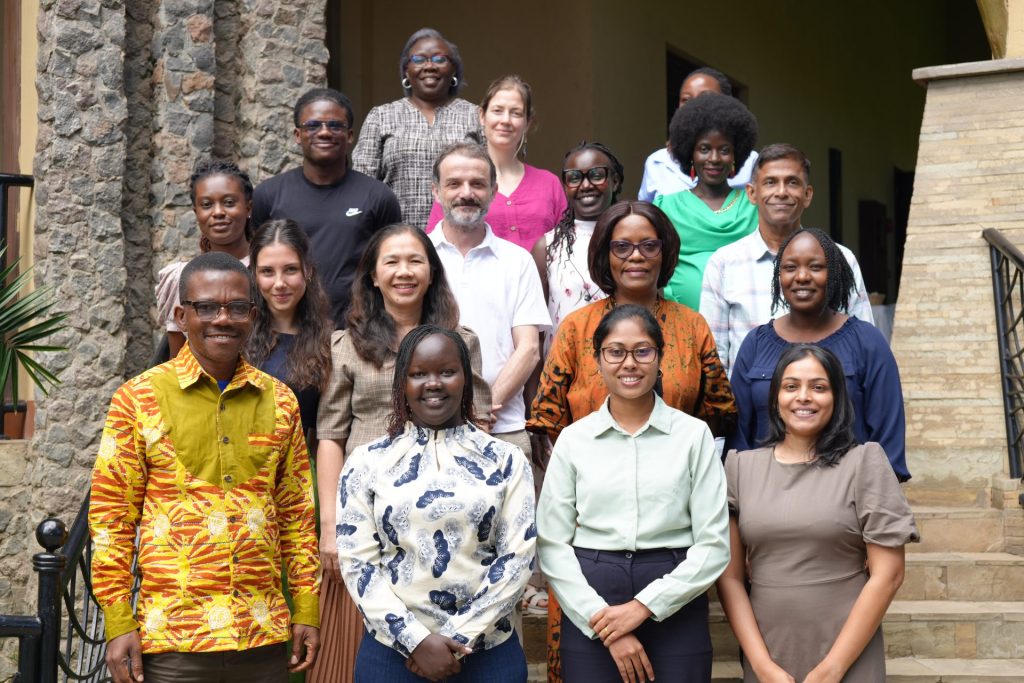
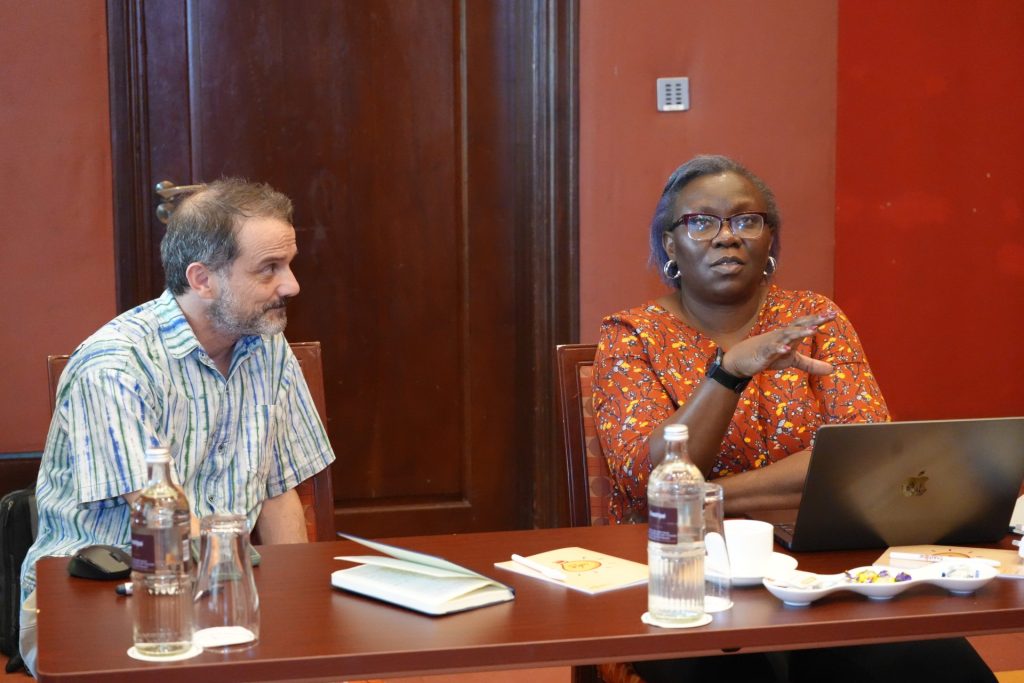
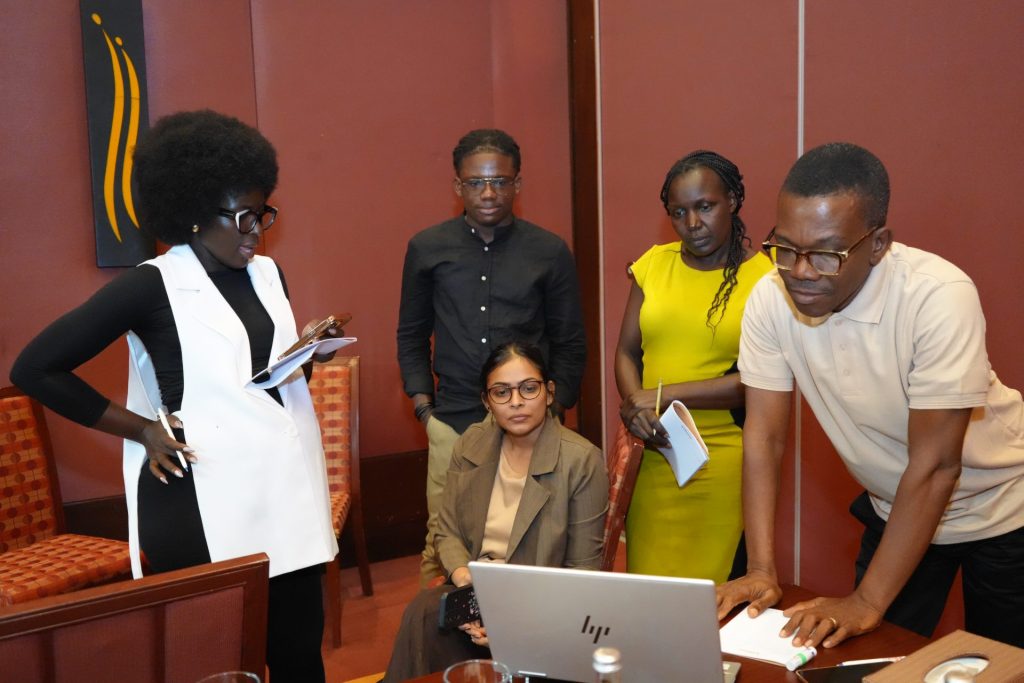
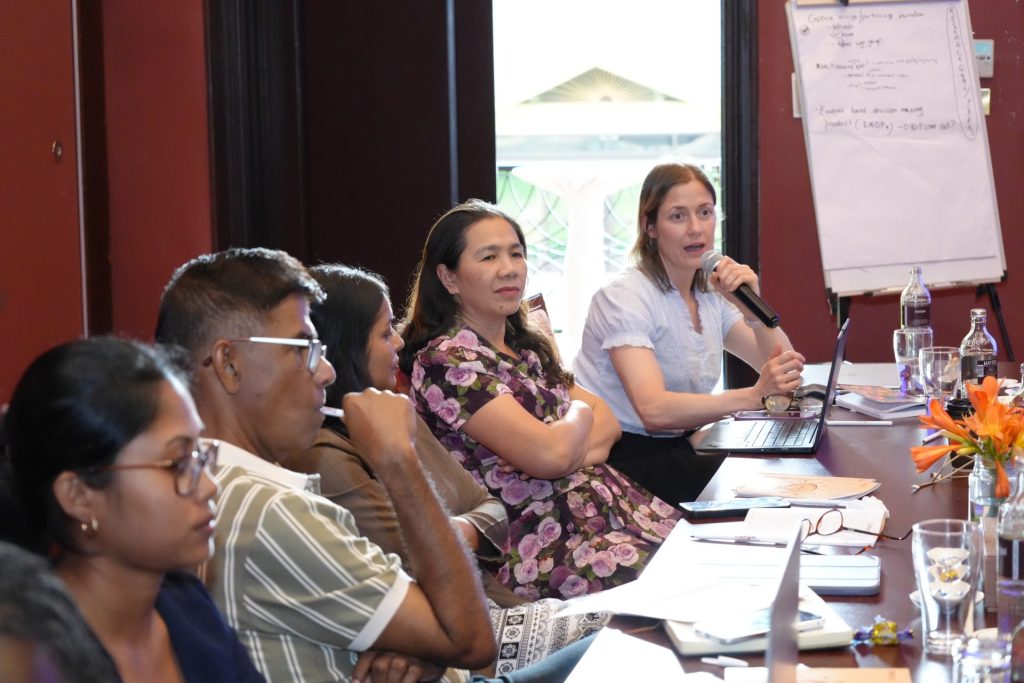
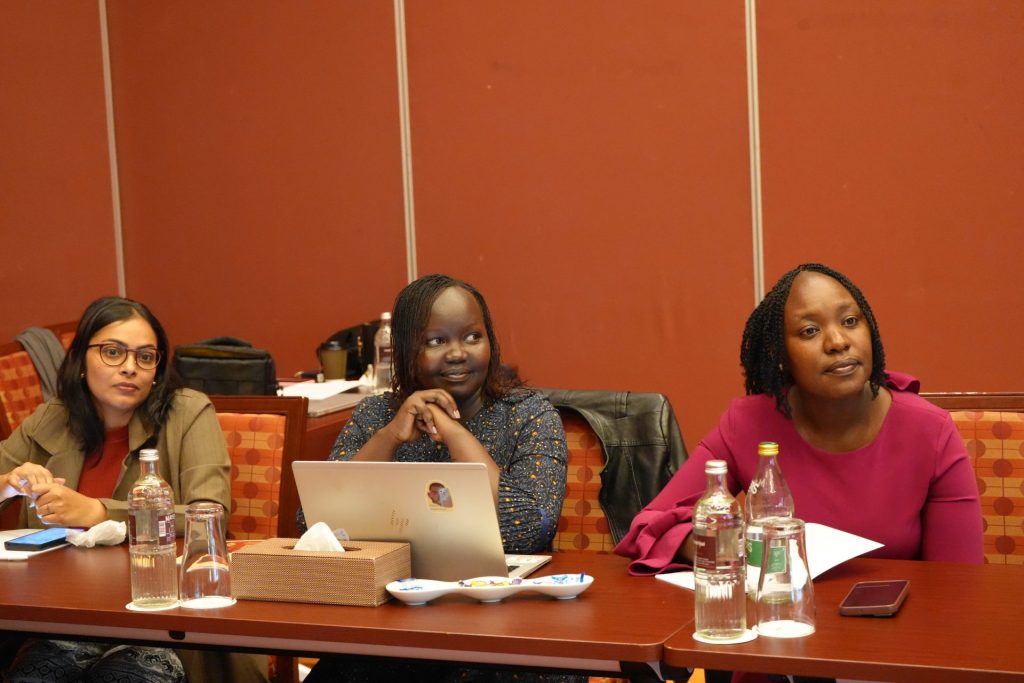
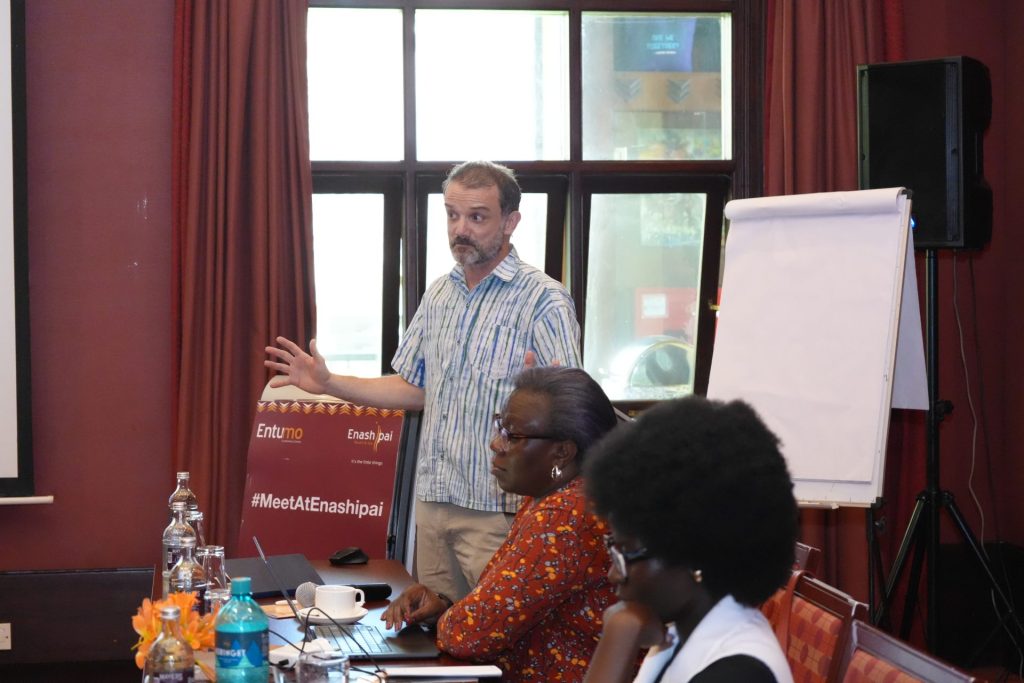
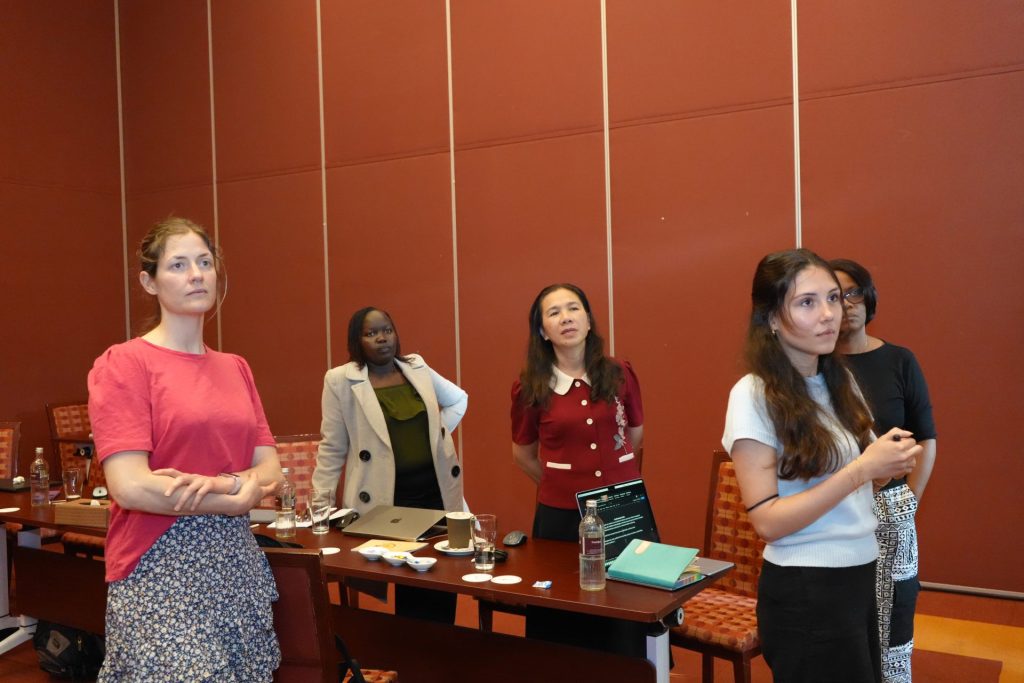
Researchers and nutrition experts from Kenya, Ghana, Sri Lanka, Denmark, Vietnam, and the United States recently converged in Naivasha for a three-day international workshop to reflect on the progress of a groundbreaking feasibility study using artificial intelligence to monitor the nutritional quality of school meals. The meeting, which brought together the full consortium of the School Meals Program Study (SMePS), provided an opportunity for partner countries to share implementation experiences, review early findings, and chart the course for the next phase of the work — including Kenya’s upcoming pilot, now set to commence in June 2026.
The choice of Kenya as the host country for the workshop was fitting. Of all the partner countries, Kenya is at a particularly pivotal moment: the Kenya Medical Research Institute (KEMRI) is preparing to launch the Kenyan arm of the study in approximately 40 primary schools across Nairobi and Narok Counties — and the lessons shared in Naivasha will directly shape how that pilot unfolds.
What is SMePS and Why Does It Matter?
Every school day, thousands of Kenya’s children sit down to a hot meal provided through the Government’s Home-Grown School Meals Programme. The programme currently feeds nearly two million children, with a Government commitment to reach ten million learners by 2030. Yet a fundamental question has remained stubbornly difficult to answer: are those meals actually delivering the nutrients children need? Monitoring meal quality at scale has historically been expensive, time-consuming, and dependent on manual methods that are unsustainable. The result is a data gap that leaves programme managers and policymakers making decisions without reliable evidence. SMePS is designed to close that gap. The researchers believe that improved dietary data collection can help policymakers and programme implementers better understand eating habits, identify nutritional gaps, and design targeted interventions to improve health outcomes among school going children.
“Obtaining accurate dietary data is key in understanding the nutritional issues at hand and implementing interventions accordingly. Schools represent an ideal setting through which we can learn more about the dietary habits of our children and their nutritional requirements,” — Dr. Zipporah Bukania, Principal Investigator, SMePS / KEMRI
Led at KEMRI by Dr. Zipporah Bukania, and implemented in partnership with the International Food Policy Research Institute (IFPRI), PlantVillage at Penn State University, Karolinska Institutet, and the Noguchi Memorial Institute for Medical Research (NMIMR) at the University of Ghana, the study tests whether the FRANI (Food Recognition Assistance and Nudging Insights) app now dubbed PV FOOD can provide a practical, affordable, and accurate alternative. Developed by PlantVillage in collaboration with IFPRI, FRANI uses a smartphone camera to photograph a meal, automatically identify the foods present, estimate portion sizes, and calculate nutrient content — all in real time.
What the Naivasha Workshop Achieved
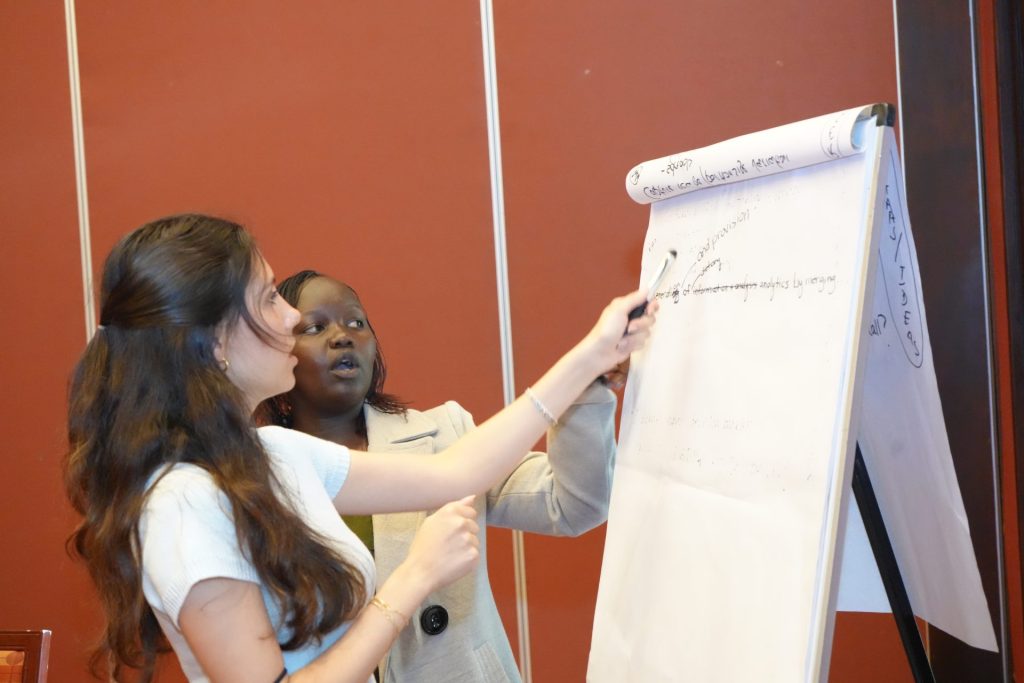
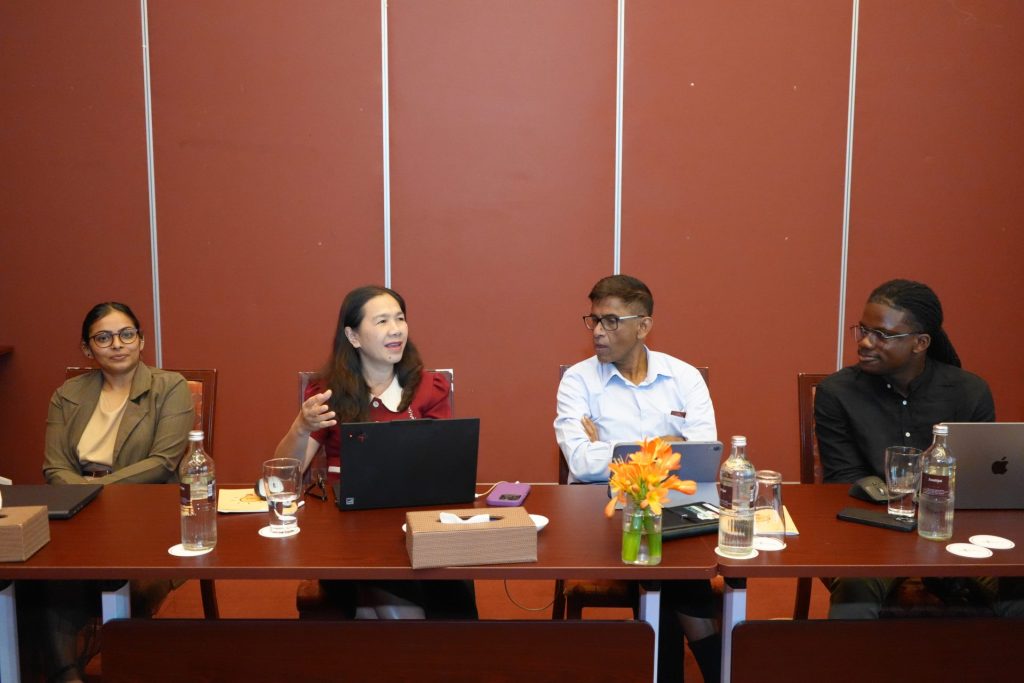
The three-day workshop in Naivasha served as a structured reflection moment for the SMePS consortium. Country teams presented updates on their respective feasibility studies, shared technical lessons on adapting the FRANI platform to local food environments, and discussed the modalities required for successful scale-up across different regions and populations.
For the KEMRI team, the workshop was an invaluable opportunity to learn from countries that are further along in their implementation. Ghana and Vietnam have already completed validation studies demonstrating that FRANI can estimate energy intake within a 10 percent margin of error compared to gold-standard weighed food records — a level of accuracy that gives researchers and policymakers confidence in the tool’s reliability. These insights are now being directly applied to Kenya’s preparation.
| “The strength of this project is that it builds upon partnership and learning from the implementation of the tool in various countries and contexts. The goal is to generate evidence that helps monitor nutrition, make informed decisions, and contribute towards improving food security and nutrition outcomes.” — Dr. Aulo Gelli, Principal Investigator, IFPRI |
Building the Technology for Kenya
A critical part of Kenya’s preparation has been the development of a Kenyan food image database. KEMRI researchers have been cooking locally consumed foods in a food laboratory at standardised portion sizes, photographing each dish from multiple angles, and annotating the images so the AI model can learn to recognise Kenyan meals and estimate their quantities accurately. The greater the diversity and quality of the images in this database, the more reliably FRANI will perform in the field.
This process of localisation is at the heart of what makes the SMePS approach distinctive. Rather than imposing a generic technology, the consortium is embedding local knowledge — local foods, local recipes, local portion sizes — directly into the AI model, ensuring it reflects Kenya’s dietary realities.
| “By incorporating information on our local foods within the database, we are able to make sure that we obtain relevant data from this tool which we can then use in informing policies and strategies on school meals, nutrition, and overall child wellbeing.” — Dr. Zipporah Bukania, Co-Principal Investigator, SMePS / KEMRI |
How the Pilot Will Work in Kenyan Schools
When data collection begins in June 2026, a small number of learners in each participating school will be provided with smartphones to photograph the meals they consume. This will be done under the direct supervision of a classroom teacher at all times. All images are automatically uploaded to a secure central dashboard, where programme-level data on meal quality — including nutrient content and diet diversity scores — can be monitored in real time by study staff and, ultimately, by Ministry of Education officials.
The study is being implemented in collaboration with the National Council for Nomadic Education in Kenya (NACONEK), which oversees school feeding in nomadic and pastoralist settings across several Kenyan counties. NACONEK’s involvement ensures the study captures the full diversity of Kenya’s school feeding landscape, from centralized kitchen models in urban Nairobi to in-kind food provision and cash transfer approaches in other counties. All ethical requirements, including written consent from parents and guardians and assent from the children themselves, are observed in full. The study holds ethical approval from the KEMRI Scientific and Ethics Review Unit (SERU Ref: 5367) and a research permit from the National Commission for Science, Technology and Innovation (NACOSTI).
Looking Ahead
The Kenyan pilot will generate critical evidence on whether FRANI performs accurately in the Kenyan school context, whether it is acceptable to teachers, learners, and programme staff, and what would be required to integrate it into national monitoring and evaluation systems. Findings are expected to be available by late 2026 and will be shared with the Ministry of Education, NACONEK, and other stakeholders to inform policy and programme decisions relating to the school meals scale-up.
| “As we look at future steps, we will need the lessons learned during the course of the feasibility studies to be very useful in helping us scale up — Dr. Aulo Gelli, Principal Investigator, IFPRI |
As the Naivasha workshop demonstrated, the power of this initiative lies not just in the technology itself, but in the collaborative model behind it — a global network of researchers learning from one another, adapting a shared tool to deeply local realities, and placing the resulting evidence directly in the hands of the people who can act on it.