
KEMRI Strengthens Ethical Oversight of AI in Health Research
August 13, 2026
KEMRI is set to become the first African Institute to join the Global Dengue Alliance
August 20, 2026KEMRI Hosts Cochrane Kenya Review Jam to Strengthen Evidence-Based Research
By Stella Njung’e
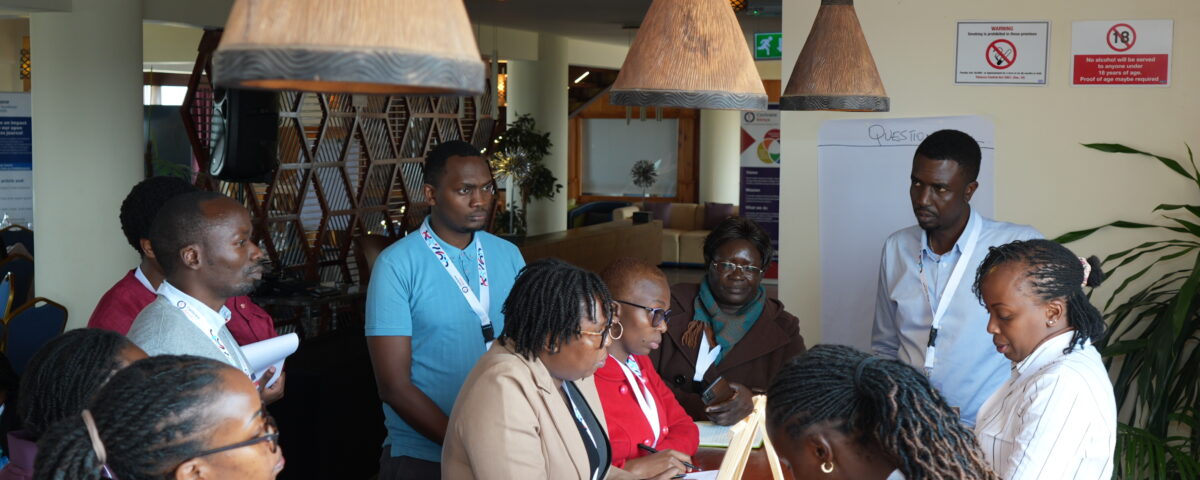
The Kenya Medical Research Institute (KEMRI), through Cochrane Kenya, hosted the Cochrane Kenya Review Jam 2026, bringing together researchers, health practitioners and policymakers to strengthen the production and use of systematic reviews in healthcare decision-making.
The one-day forum provided a platform for participants to learn how to develop and refine ideas for systematic reviews under the guidance of experienced Cochrane contributors and evidence-synthesis experts, led by Cochrane Kenya Co-Leads Ms. Barbara Miheso and Ms. Lilian Maiyeka.
While speaking at the event, Ag. Deputy Director, Resource Development and Knowledge Management, Ms. Lilian Maiyeka, noted that the Review Jam provides participants with practical skills to develop well-defined review questions and strengthen their systematic review processes.
“The Review Jam provides an opportunity for us to learn how to develop a well-defined review question in a short period of time. By building these skills and fostering collaboration, we aim to strengthen the Country’s capacity to produce high-quality evidence that responds to real health needs,” said Ms. Maiyeka.
Systematic reviews are critical in healthcare as they bring together findings from multiple studies, helping researchers and decision-makers understand what evidence exists, where gaps remain and what the wider body of evidence means for health practice and policy.
While facilitating the session, Cochrane Kenya Co-Lead Ms. Barbara Miheso noted that although the region continues to generate a growing body of health research, the potential of these studies to inform systematic reviews remains largely untapped.
“We are generating a lot of research in the region, but we are not fully tapping into the power of systematic reviews to make sense of that evidence. Systematic reviews can help us move beyond individual studies, identify the bigger picture and provide stronger evidence for decisions on health policy and practice,” she stated.
On his part, KEMRI’s Research Scientist, Mr. James Ngumo emphasised that systematic reviews go beyond the technical process of bringing research findings together, noting their role in communicating what the evidence means and why it matters.
“Data on its own does not always tell the full story. Systematic reviews help us connect the dots, understand what the body of evidence is telling us and explain why it matters. In that sense, evidence synthesis is also a form of storytelling, one that can help move research from publications into decisions and action,” said Mr. Ngumo.
The emphasis on storytelling highlights the role of evidence synthesis in making research more accessible and useful to those who rely on it. By bringing together findings from different studies, systematic reviews can identify patterns, highlight knowledge gaps and provide a clearer picture of what is known and what remains uncertain.
Through Cochrane Kenya, domiciled at KEMRI, the Institute continues to contribute to building capacity in evidence synthesis and promoting the use of reliable research evidence to address health challenges.
The Review Jam also created opportunities for participants from different …to connect, share expertise and establish collaborations that can strengthen the quality and relevance of health research in Kenya and beyond.