The East African Region Moves to Mainstream Traditional Medicine into Healthcare Systems
March 5, 2026
KEMRI Commits to accountability with the Signing of the 2025/2026 Performance Contract
March 5, 2026ISSAD 2026 Closes with Renewed Momentum for Policy Action and Global GBS Prevention
By Lisper Mokaya
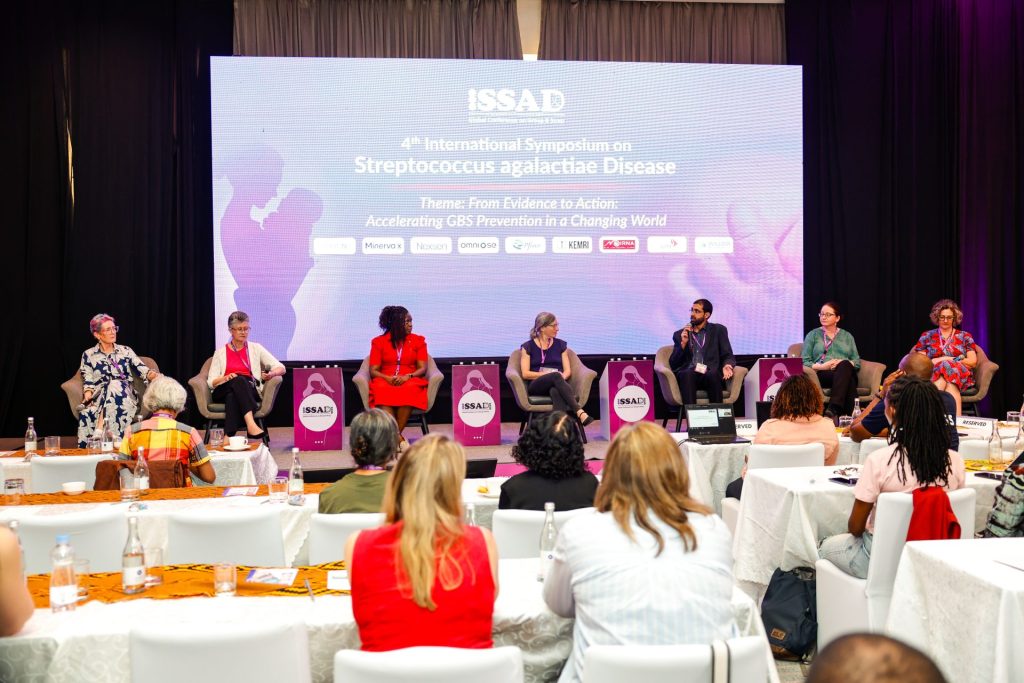
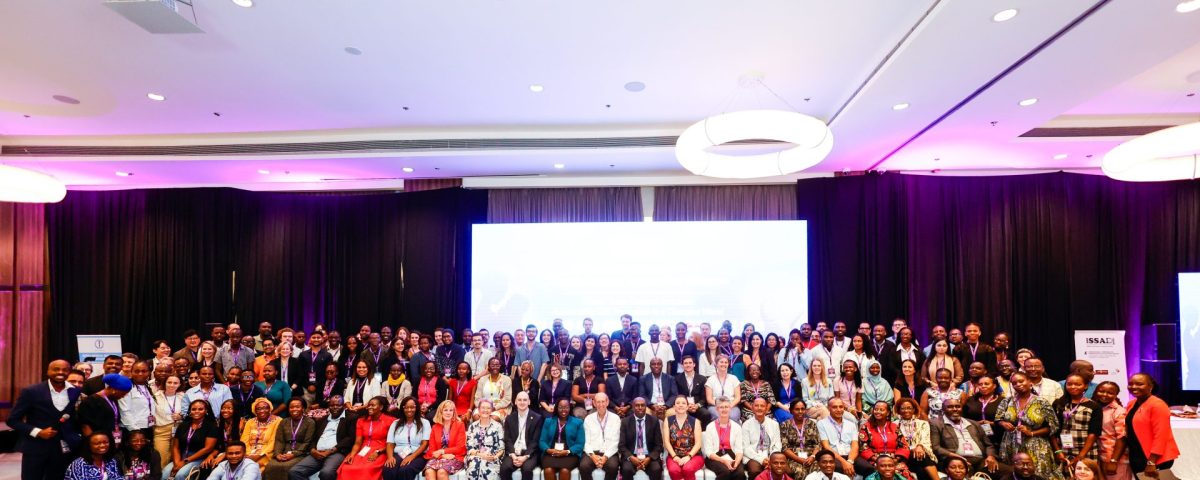
The curtains officially fell on the three-day 4th International Symposium on Streptococcus agalactiae Disease (ISSAD 2026) on Wednesday, 25th February 2026, bringing to a close scientific reflection, policy dialogue, and global collaboration aimed at accelerating prevention of Group B Streptococcus (GBS) disease.
Held under the theme ‘From Evidence to Action: Accelerating GBS Prevention in a Changing World,’ the conference concluded with a strong shift in focus from research generation to implementation as experts and policymakers outlined practical steps needed to translate emerging evidence and data into sustainable health outcomes.
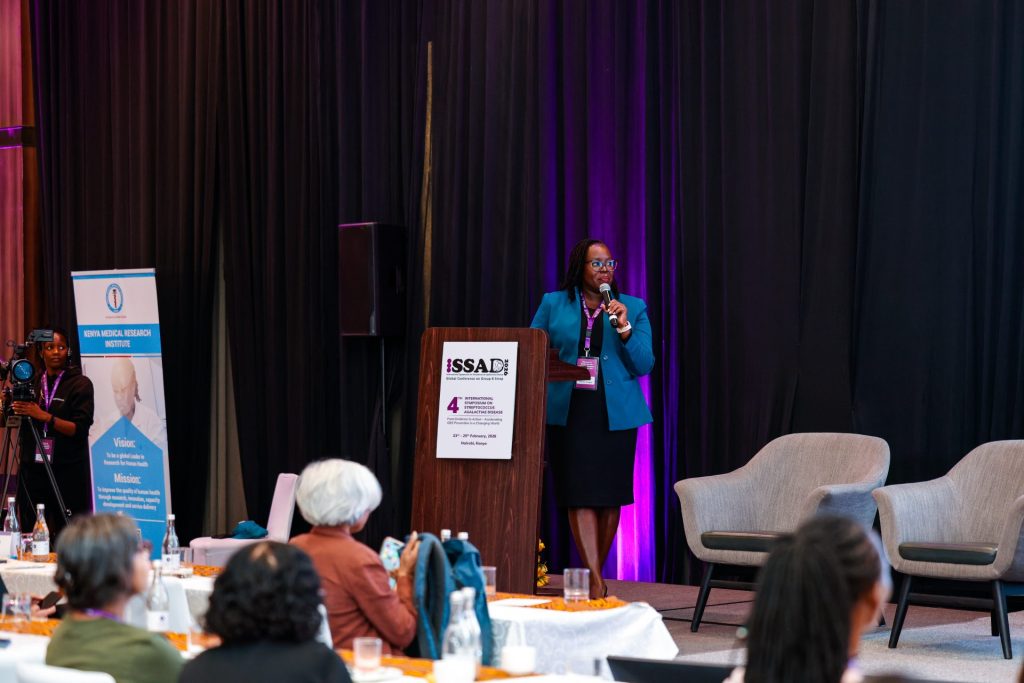
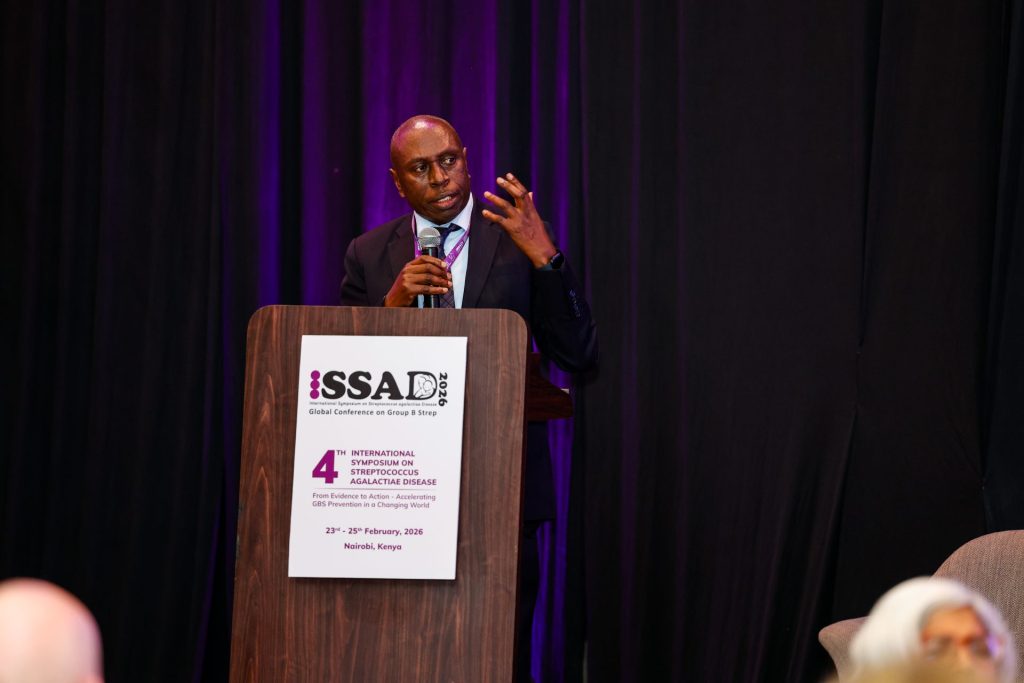
The closing ceremony was officiated by Director, Drugs for Neglected Diseases Initiative (DNDi), Prof. Sam Kariuki, representing the Ministry of Health and the acting Director General Kenya Medical Research Institute Prof. Elijah Songok.
In his address to the delegates, Prof. Kariuki underscored the importance of ensuring that scientific deliberations lead to tangible policy and health system transformation.” The discussions we have witnessed over the last three days must now inform implementation,” he stated.
“Scientific evidence only achieves value when it translates into policies and interventions that protect mothers and newborns.”
He commended researchers for generating high-quality data that continues to guide national and global decision making processes. “KEMRI scientists are generating credible evidence that informs policy at both national and international levels. Our responsibility is to ensure this knowledge strengthens programmes and improves health outcomes on the ground.” He added.

The conference featured seven high-level plenary sessions, multiple poster and breakout sessions, and thematic discussions exploring advances in:
• Disease Burden & Surveillance
• Meeting Surveillance Challenges for Harder to Measure Endpoints
• Vaccine Development & Evaluation
• Vaccine Policy and Implementation
• From Evidence to Action
• IAP for GBS Prevention and
• GBS Meningitis & GBS Policies and Broader Landscape
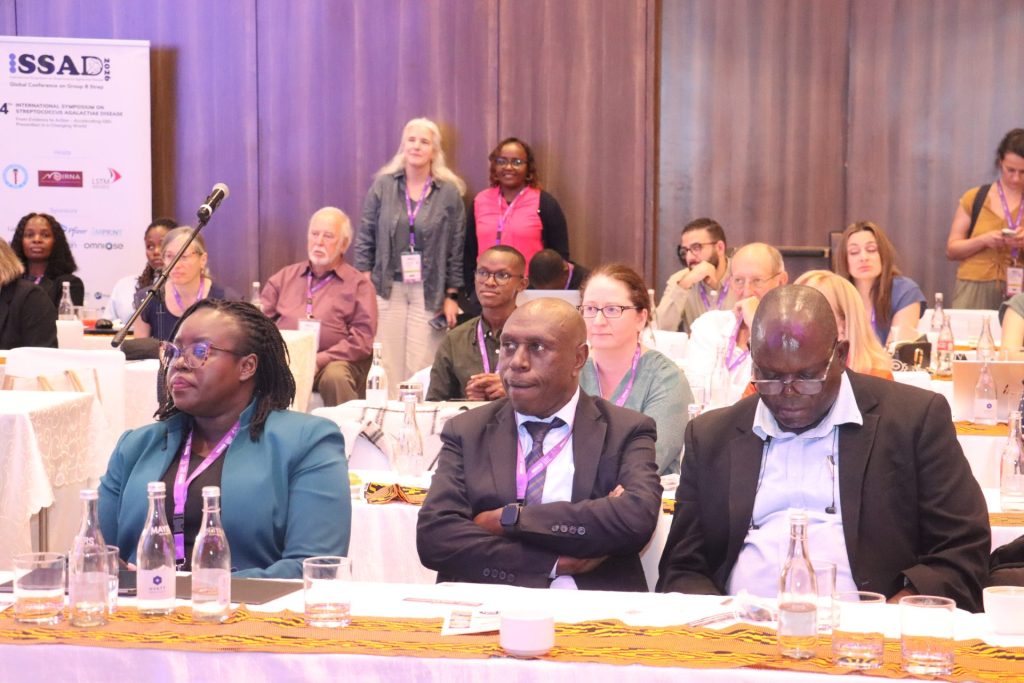
Major highlights of the conference sessions were recommendations emerging from plenary discussions and technical sessions. Delegates emphasized that preventing GBS requires coordinated action across surveillance, vaccine development, policy adoption, and community engagement.
Professor Namrata Prasad,an epidemiologist at CDC in her presentation called for the enhancement of adult GBS surveillance worldwide, noting the need to capture both invasive and non-invasive disease more comprehensively. She advocated for incorporating genomic surveillance systems to monitor serotype and sequence trends and identify emerging strains that may influence vaccine effectiveness.
“Regular submission and global sharing of serotype data remains essential for vaccine development and monitoring impact,” she noted.
Participants further recommended strengthened antimicrobial resistance monitoring to guide treatment protocols and stewardship programmes, while encouraging the use of adult disease data to inform broader prevention strategies, including evaluation of maternal vaccination impact.
Delegates also highlighted the need to advance pointof-care rapid diagnostics, alongside digital registries and real-time dashboards, to strengthen coordination between community health services and referral facilities.
A key consensus emerging from ISSAD 2026 was the urgent need to position maternal GBS vaccination within national immunisation programmes and the broader global health agenda, supported by expanded vaccine manufacturing partnerships to ensure equitable access, particularly in high-burden regions.
The closing discussions reflected a shared recognition that progress against GBS will depend not only on scientific breakthroughs but also on political commitment and health system readiness. Participants highlighted the importance of sustained partnerships linking academia, governments, industry, and global health agencies.