CHAMPS Data Highlights Hidden Burden of GBS-Associated Stillbirths
March 5, 2026
ISSAD 2026 Closes with Renewed Momentum for Policy Action and Global GBS Prevention
March 5, 2026The East African Region Moves to Mainstream Traditional Medicine into Healthcare Systems
By Stella Njung’e
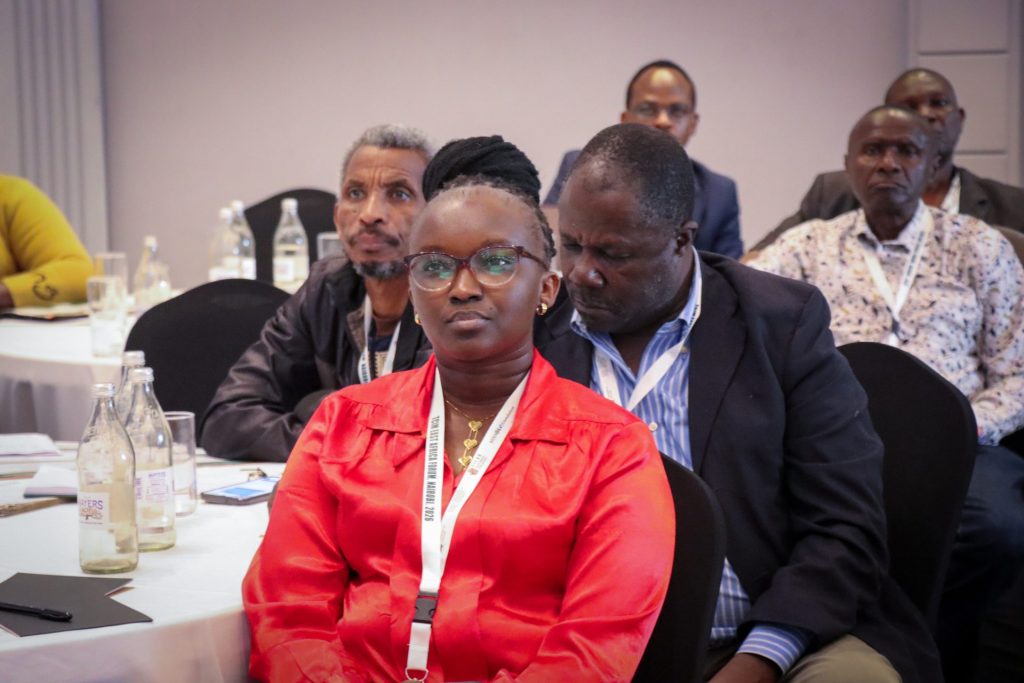
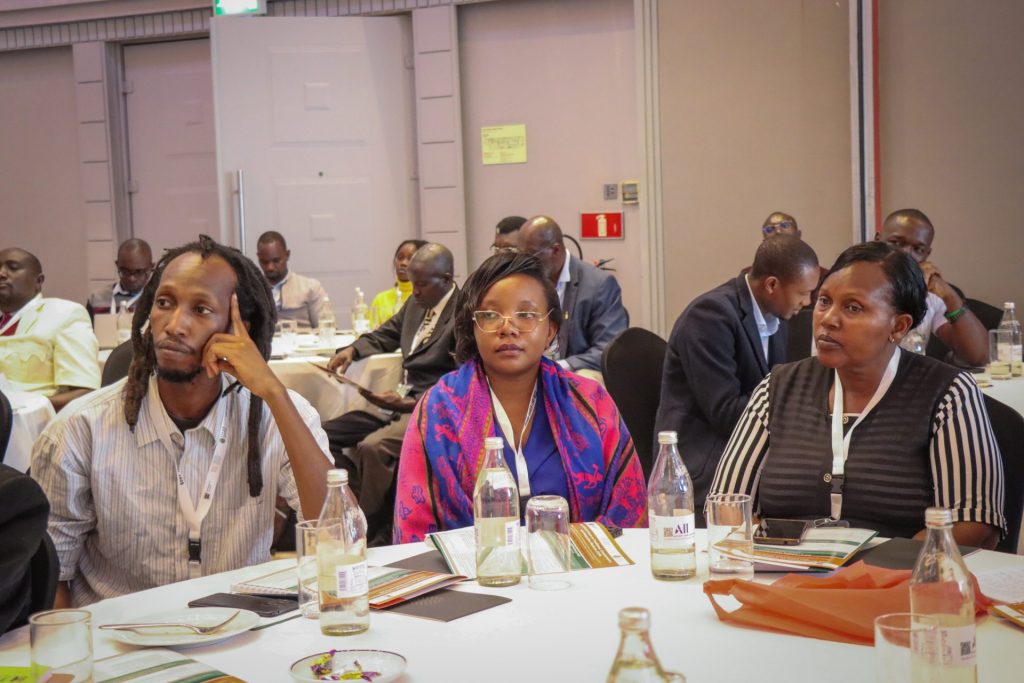
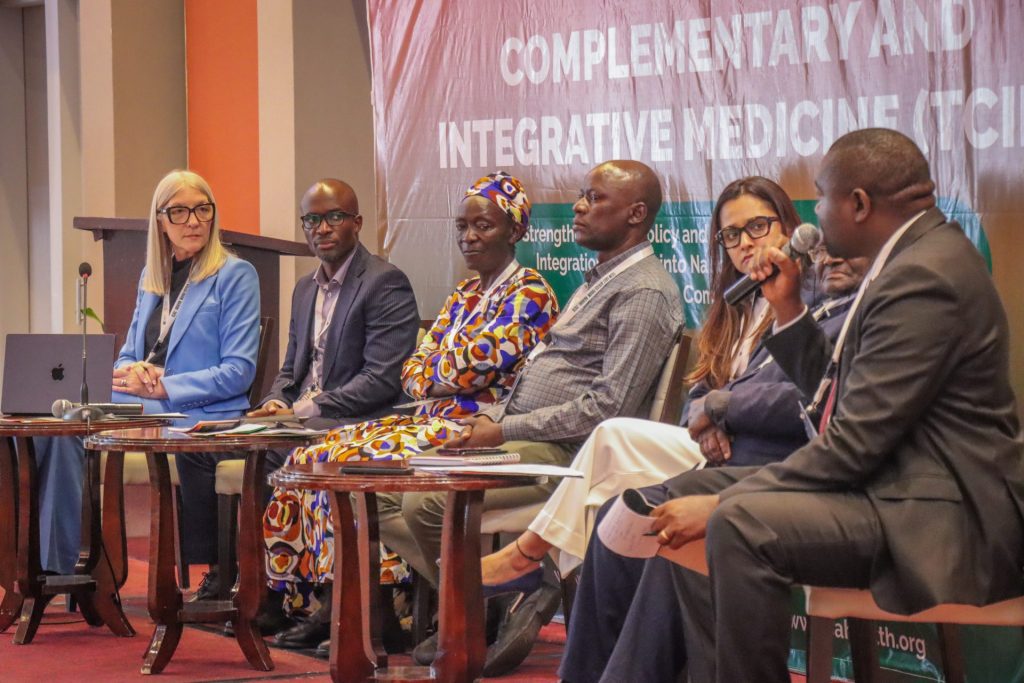
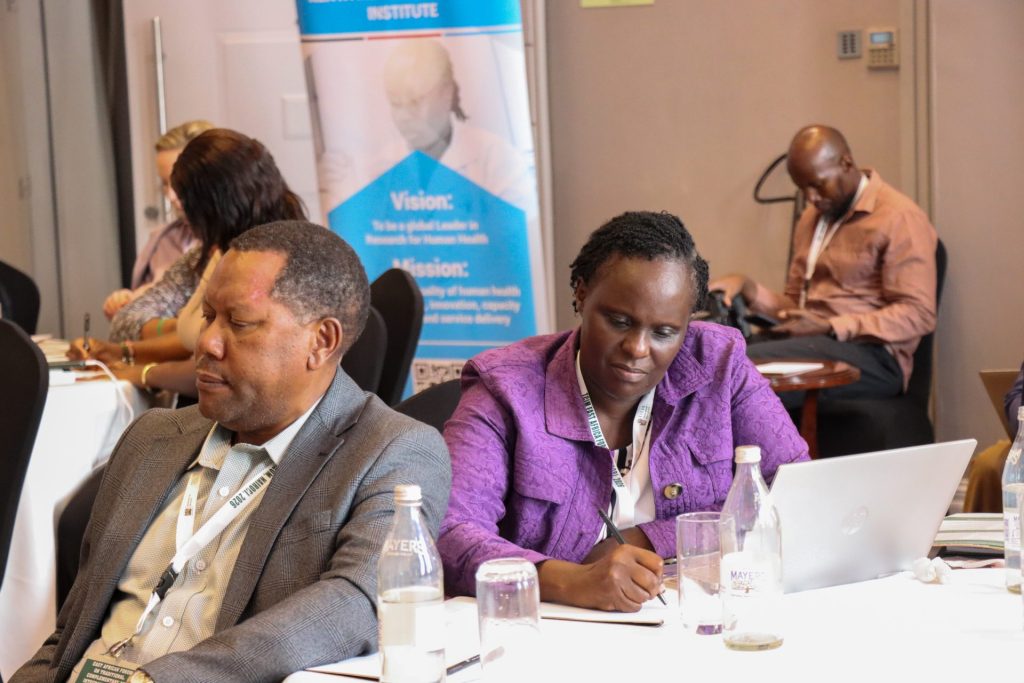
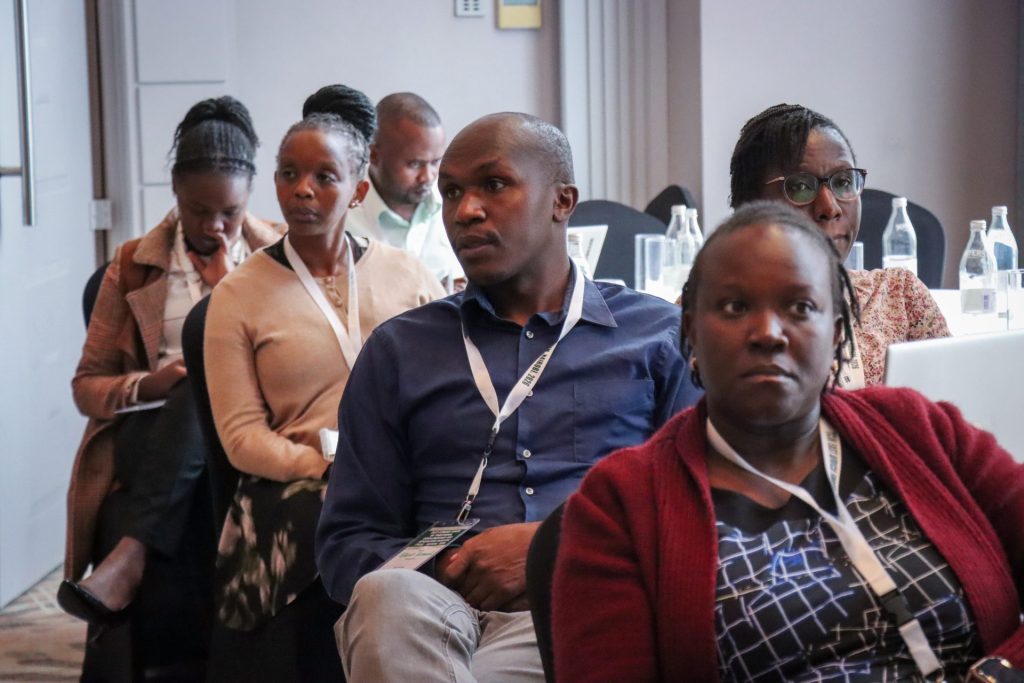
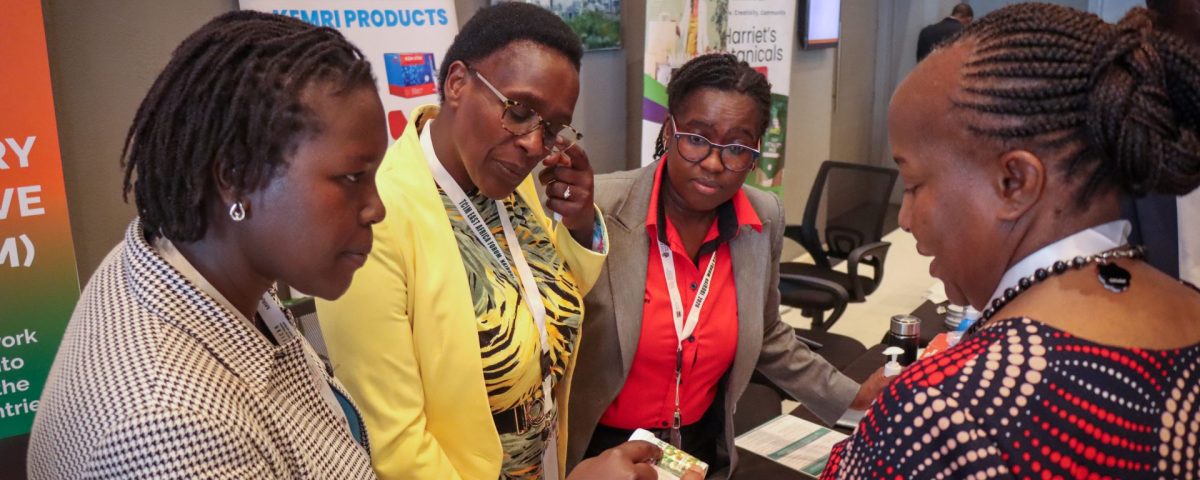
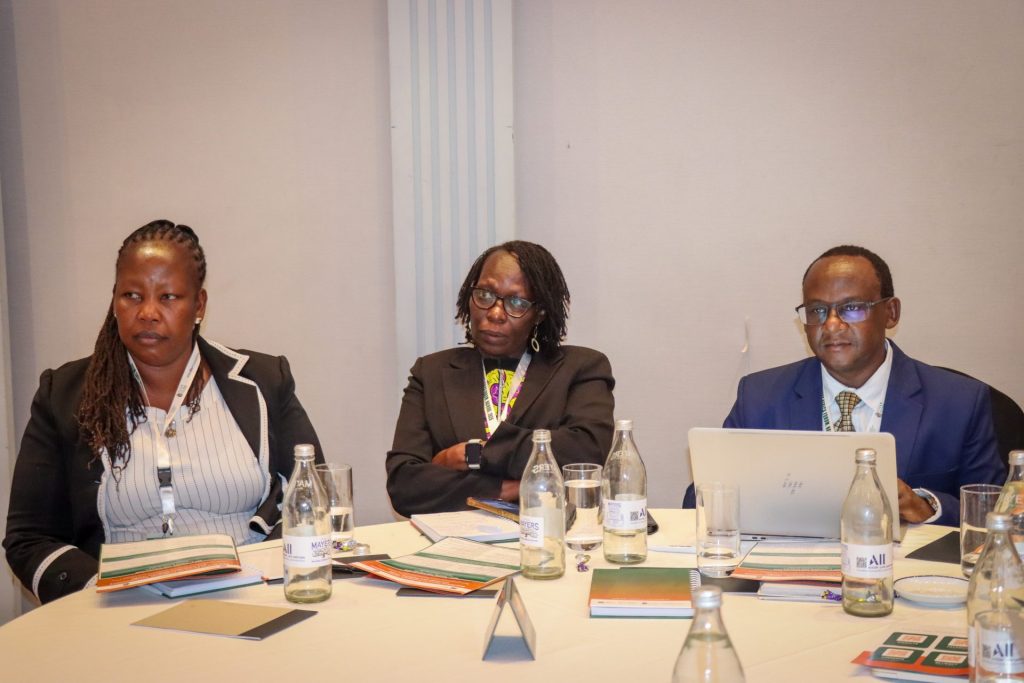
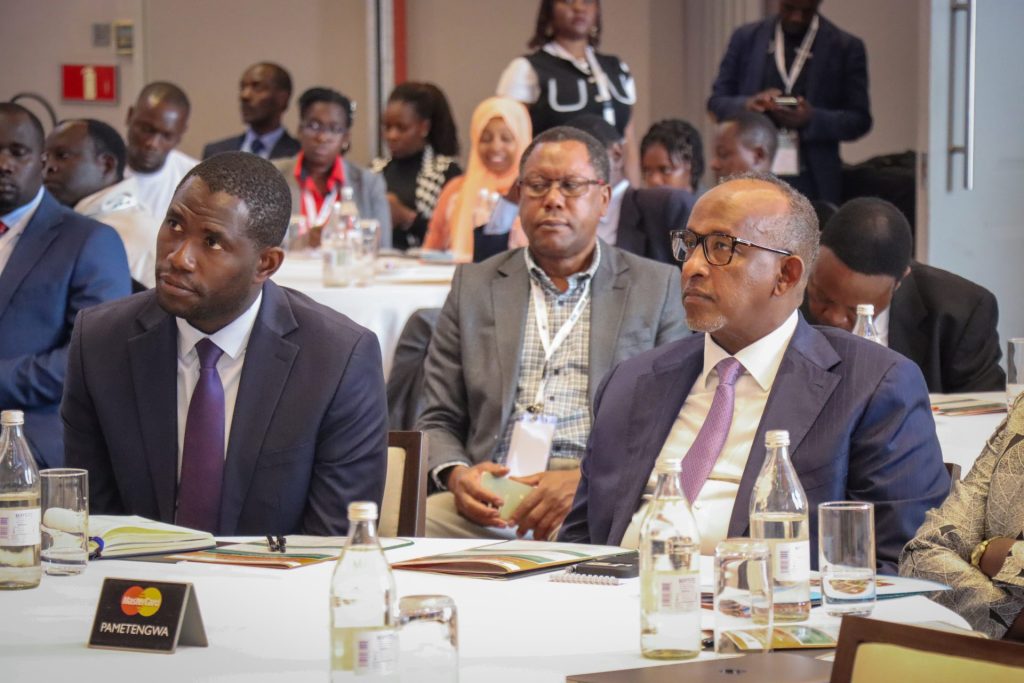
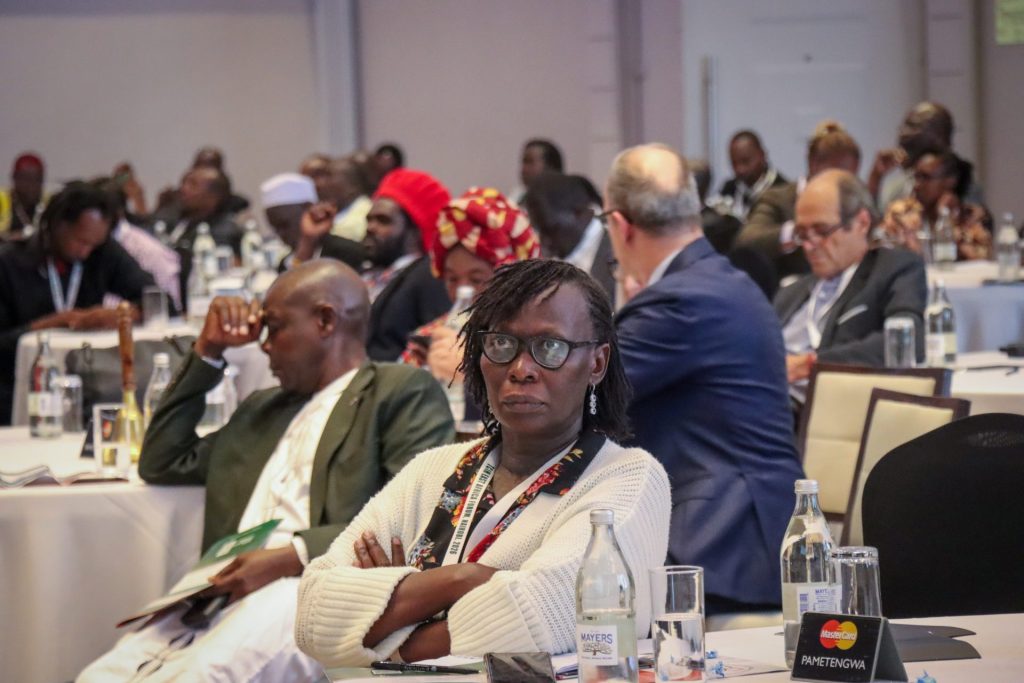
The Institute joined regional stakeholders at the inaugural East African Forum on Traditional, Complementary and Integrative Medicine (TCIM), convened in Nairobi from 24th –25th February, 2026, under the theme, “Strengthening the Policy and Regulatory Framework for the Integration of TCIM into National Health Systems of EAC Partner States.”
The two-day forum brought together senior government officials, regulators, researchers, academia, practitioners and development partners from Burundi, the Democratic Republic of Congo, Kenya, Rwanda, South Sudan, Tanzania and Uganda to deliberate on harmonised approaches for integrating traditional medicine within formal healthcare systems.
Discussions focused on promoting harmonised policy and regulatory approaches across East African Community partner states, strengthening oversight on the safety, quality and efficacy of traditional medicine products and The East African Region Moves to Mainstream Traditional Medicine into Healthcare Systems practices, and exploring practical models for integrating evidence-based TCIM into national health systems. Participants also emphasised the importance of enhanced collaboration in advancing coordinated regional action.
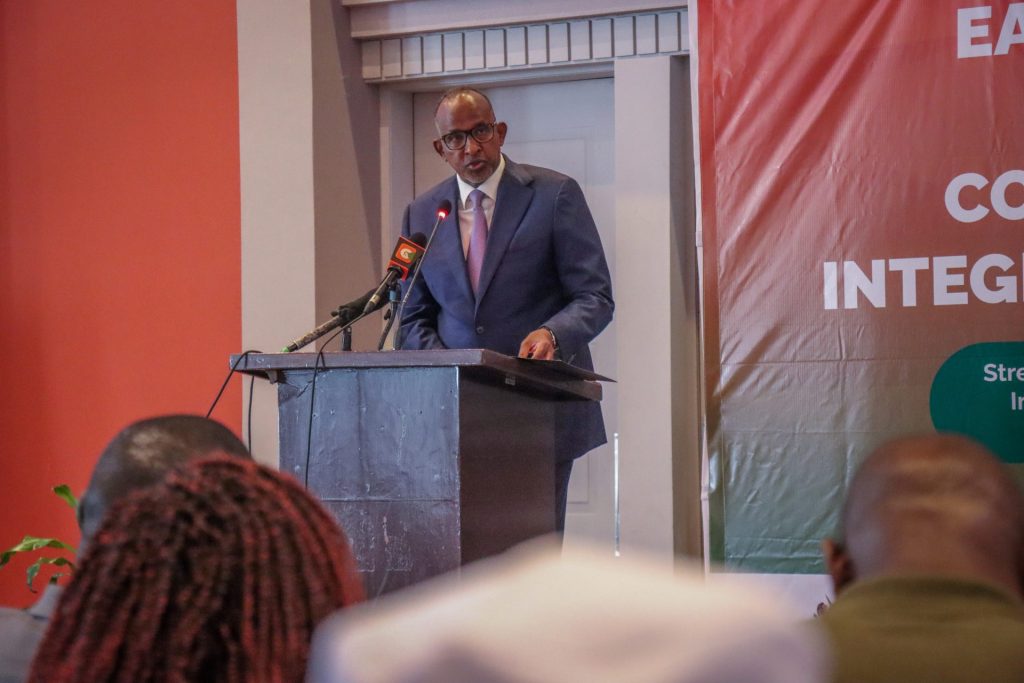
While officially opening the forum, Cabinet Secretary, Ministry of Health, Hon. Aden Duale called for structured governance and evidence-driven validation of traditional therapies, noting that millions of citizens already rely on them as a first point of care. He emphasized that integration must be guided by science and regulation to safeguard patients while unlocking the sector’s potential within Universal Health Coverage (UHC).
“Traditional medicine is not outside our health systems, it is already part of how our people seek care. Our responsibility is to ensure it is safe, effective and properly regulated so that it complements modern medicine,” he said, adding that strong policy frameworks would protect both patients and indigenous knowledge.
His sentiments were echoed by the Ag. World Health Organization (WHO) Representative to Kenya, Dr. Neema Rusibamayila, who noted that traditional medicine should not be viewed in opposition to modern medicine but as a complementary component of health systems.
“Traditional medicine is not an alternative to conventional healthcare, it is complementary. We are here to determine how to safeguard, strengthen and integrate it,” she said. “This is a global agenda. We should not merely follow it; we must help shape it. Our responsibility is to ensure integration is safe, respectful of indigenous knowledge and aligned with universal health coverage.”
Traditional medicine remains the most accessible form of healthcare for a large portion of the population, with more than 80 per cent of people in East Africa relying on traditional therapies for their health needs. Despite this widespread use, the sector receives less than one per cent of global health research funding, a gap experts believe as a major barrier to evidence generation and policy development.
Further. discussions aligned with the WHO Global Traditional Medicine Strategy 2025–2034 and the region’s commitment to UHC and people-centred primary healthcare. Delegates agreed that traditional medicine should not be viewed as an alternative used only where modern medicine falls short, but rather as a complementary pillar within integrated health systems with the ability to address the rising burden of non-communicable diseases and improving access to care, particularly in rural and underserved areas.
Among the key recommendations from the forum was the strengthening of the scientific evidence base through increased research investment and regional collaboration, alongside accelerated development and implementation of national policy frameworks. Countries acknowledged being at different stages of integration and were encouraged to adopt context-specific models suited to their health systems.
Regulation emerged as a central priority, with calls to strengthen oversight of practitioners and practices, protect indigenous knowledge, and improve referral systems between traditional and conventional healthcare providers. Participants also urged harmonised regulation of traditional medicine products across the East African Community to guarantee safety, quality and standardisation.
The WHO International Herbal Pharmacopoeia was identified as a critical tool to guide quality assurance through scientifically validated plant monographs, while WHO pledged support to member states in strengthening national regulatory standards and protecting consumers from substandard or adulterated products.
Countries in the EA committed to translating the resolutions into national implementation plans, strengthening institutional capacity and mobilising sustainable financing to support evidence-based integration. Delegates also reaffirmed a shared regional commitment to coherent governance and scientific validation of traditional medicine as a pathway toward resilient health systems and improved health outcomes for the people of East Africa.
The forum culminated in the launch of the East African Network on Traditional, Complementary and Integrative Medicine (EAN-TCIM) a regional coordination group expected to streamline policy, regulation and knowledge exchange within the EA Region.
The forum was also attended by Principal Secretary for Medical Services Dr. Ouma Oluga, WHO Global Traditional Medicine Centre, Dr. Pradeep Kumar Dua, President of the Traditional Complementary and Integrative Healthcare Coalition (TCIH), Dr. Tido von Schoen-Angerer and representatives from regional institutions and national regulatory agencies. The inaugural forum is a collaboration between the MoH, TCIH and Trust for Indigenous Culture and Health (TICAH).
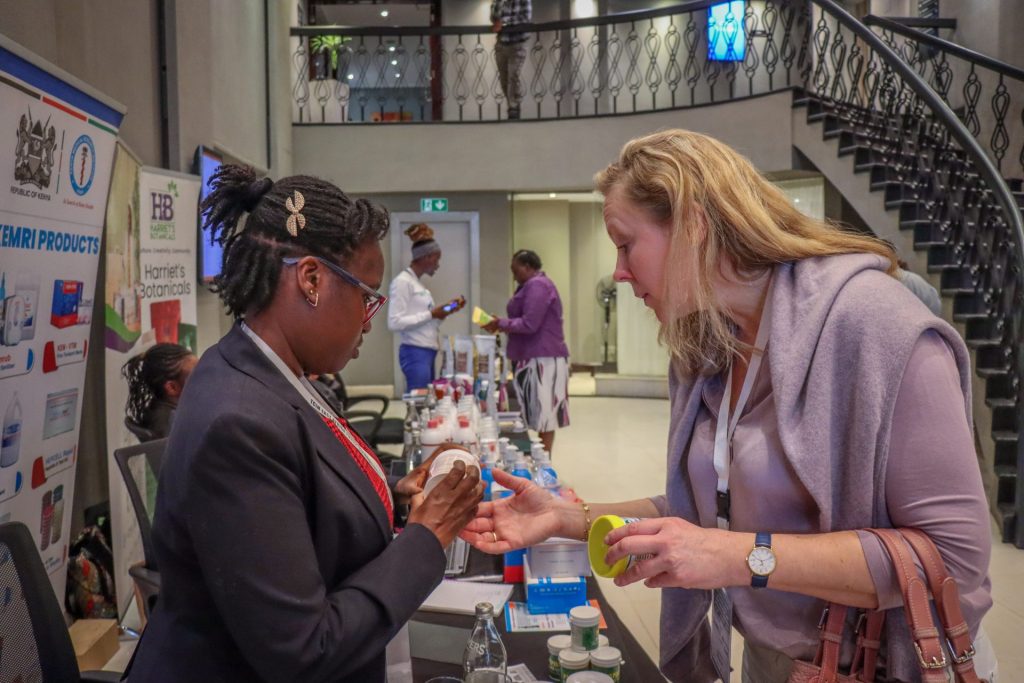
The KEMRI traditional medicine team attended this forum, they were led by the Ag. Deputy Director Centre for Traditional Medicine and Drug Research (CTMDR), Dr. Jeremiah Gathirwa