
Progress in Food Fortification Highlighted as Experts Call for Stronger Action Across Eastern and Southern Africa
July 21, 2026
Stakeholders Launch EndVL Afrika Project to Accelerate Elimination of Visceral Leishmaniasis in East Africa
July 24, 2026KEMRI Hosts International Investigators for the Advancement of WASH-B Serology Study
By Lisper Mokaya
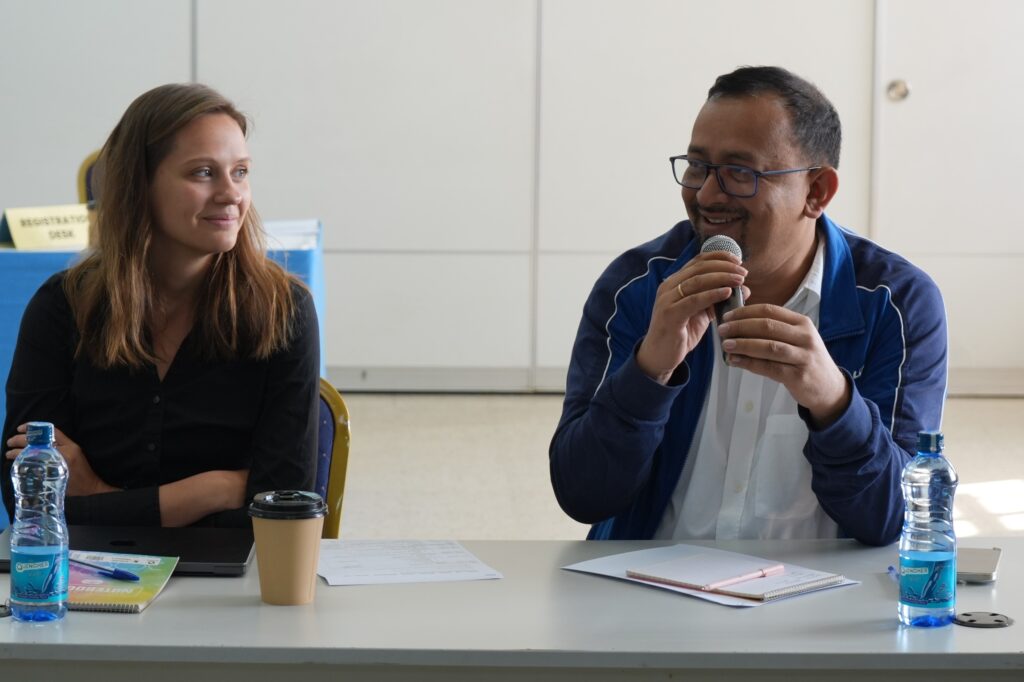
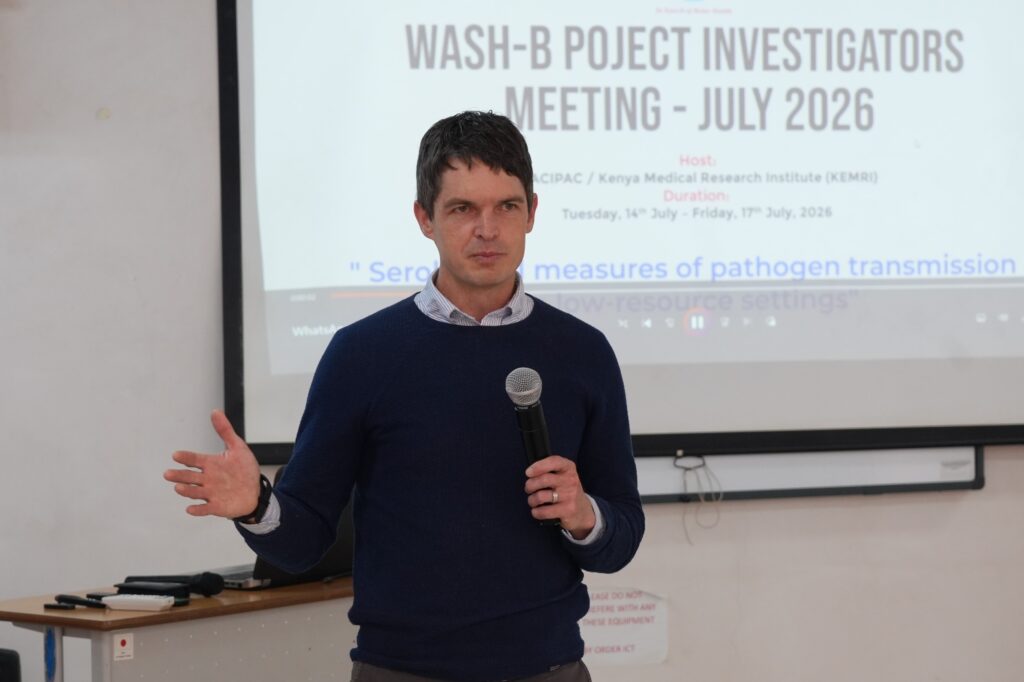
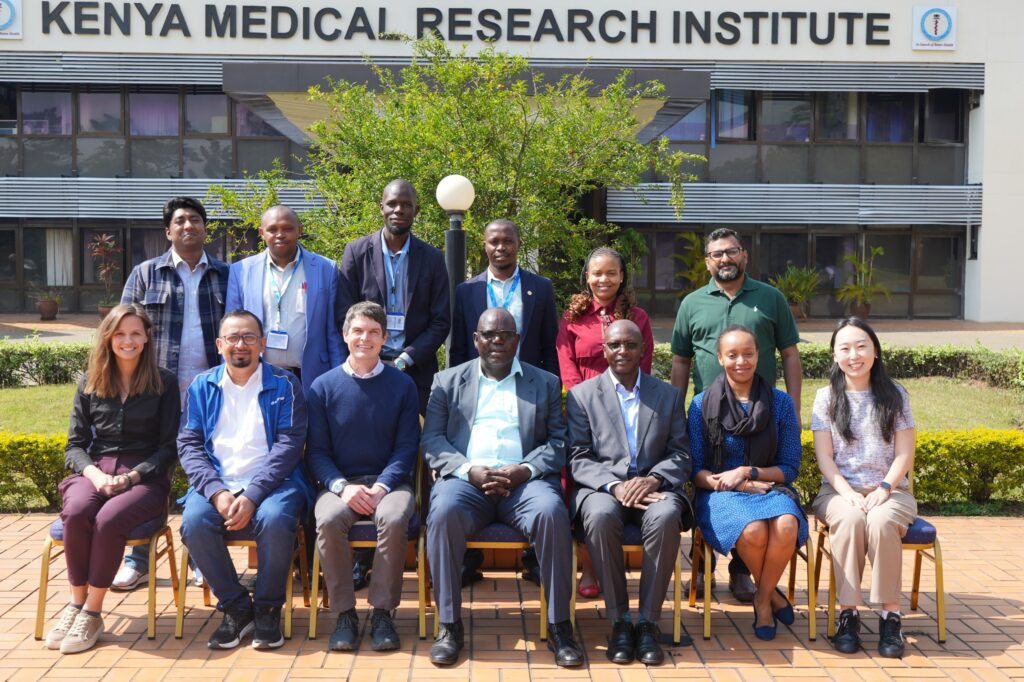
The Kenya Medical Research Institute (KEMRI) hosted investigators of the WASH-B Serology Study from 14th to 17th July 2026 for a four-day scientific meeting and technical training aimed at advancing research on multipathogen Sero surveillance and strengthening capacity in seroepidemiologic and data analysis. The meeting brought together researchers from Kenya, the United States and Bangladesh to review study findings, share experiences and chart the next phase of collaborative research.
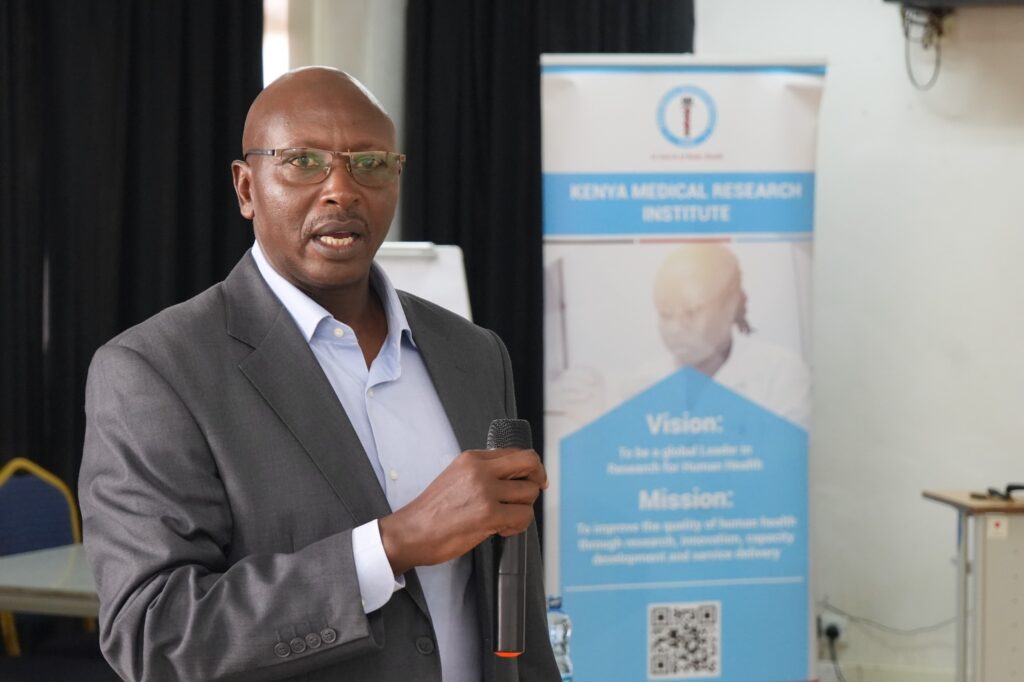
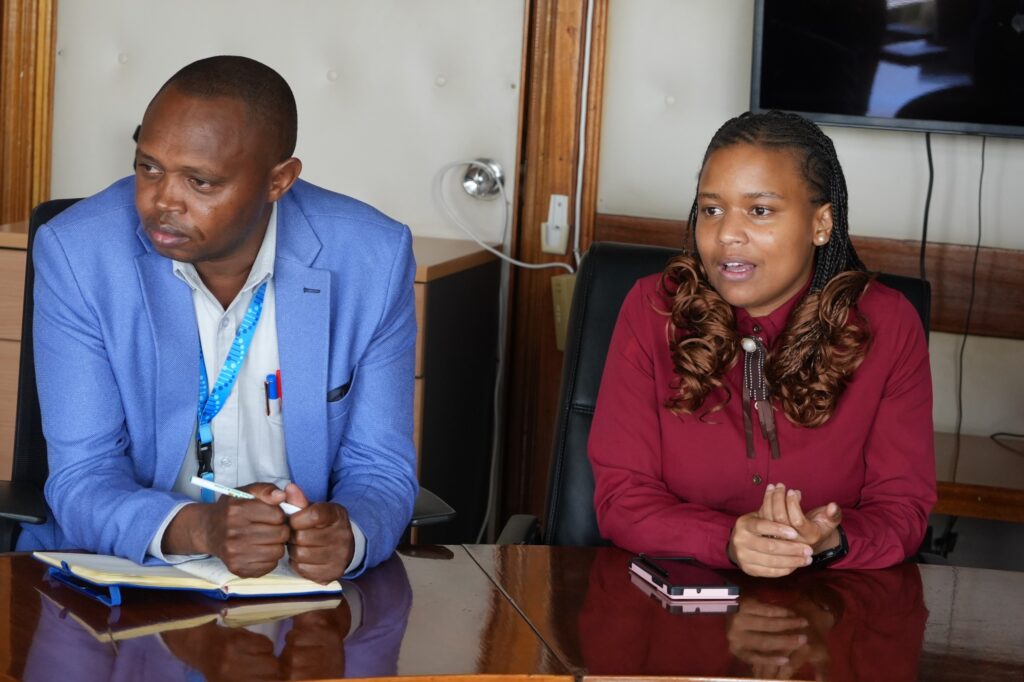
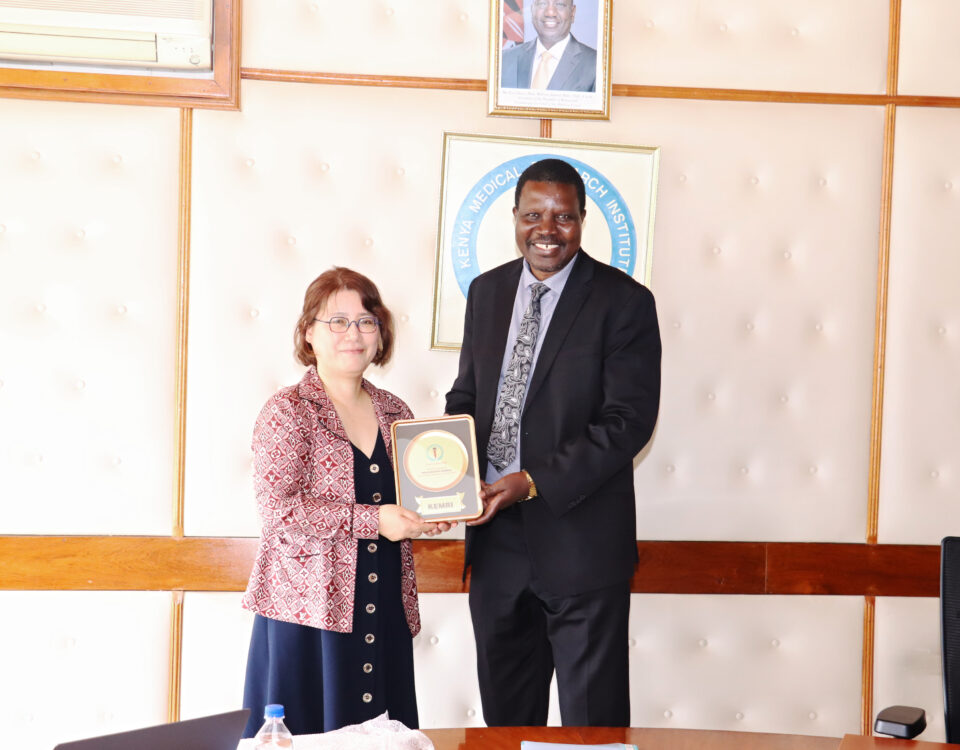
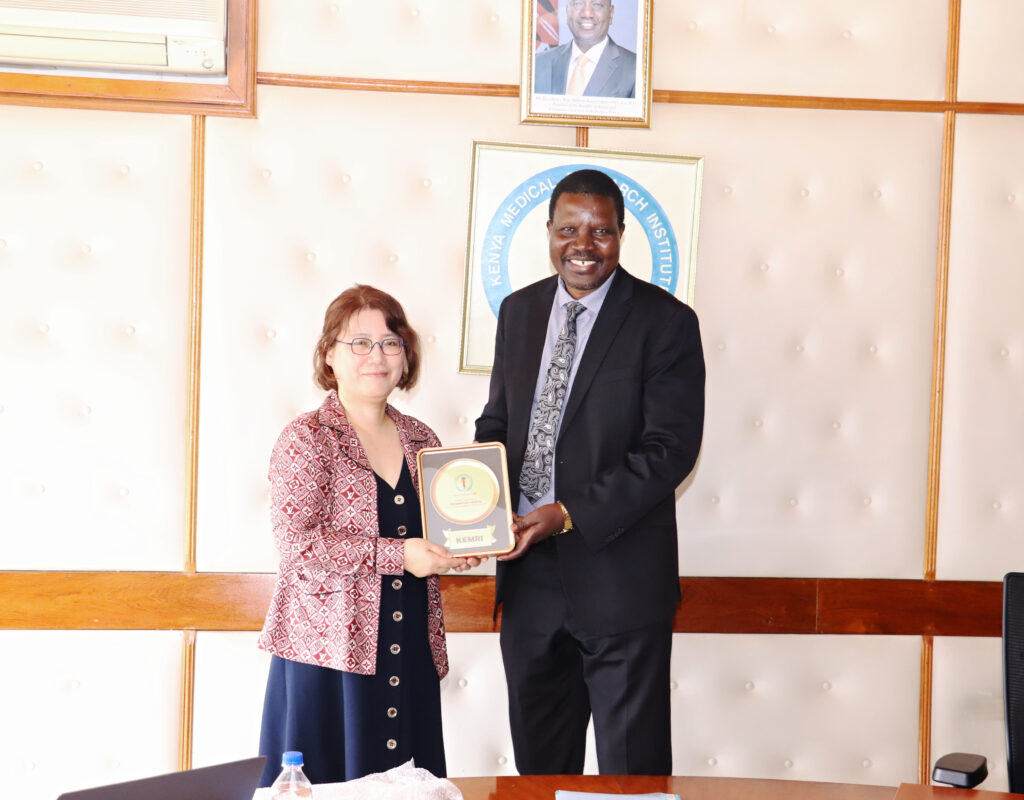
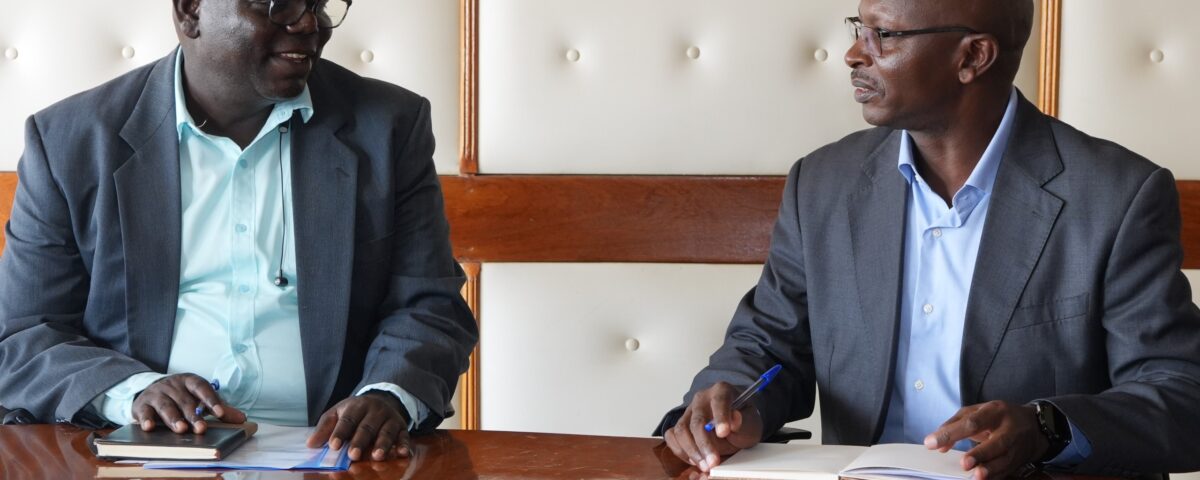
The investigators, led by Kenya Site Principal Investigator Prof. Sammy Njenga, paid a courtesy call on the Institute’s Vice Chancellor (VC) and Chief Executive Officer (CEO) Prof. Elijah Songok, who was represented by the Ag. Director of Research and Development, Dr. Erick Muok. During the courtesy visit, Dr. Muok emphasized the importance of collaborative research in addressing global public health challenges and encouraged participants to make the most of the four-day meeting and training programme.
“I welcome you all to KEMRI and encourage you to make the best out of this training. Let us use this opportunity to share knowledge, strengthen collaborations and build capacity that will ultimately improve public health outcomes in our respective countries,” said Dr. Muok.
Dr. Muok emphasized that KEMRI remains committed to strength and foster strategic partnerships that promote scientific excellence, innovation and evidence generation to inform policy and improve health outcomes.
The visiting delegation included fellow Principal Investigators Dr. Ben Arnold of the University of California, San Francisco (USA), and Dr. Mahbubur Rahman from Bangladesh, alongside researchers and technical experts working on the WASH Benefits (WASHB) Serology Study.
The meeting focused on reviewing and discussing the primary serologic findings obtained from laboratory analysis of stored dried blood spot samples collected during the WASH Benefits cluster-randomised trial conducted in Kenya and Bangladesh between 2012 and 2017. The discussions provided an opportunity for investigators to evaluate the progress of the study, compare findings across participating countries and identify future research priorities.
The WASH Benefits study is one of the largest trials undertaken to assess the health impact of integrated Water, Sanitation and Hygiene (WASH) interventions, together with nutritional strategies, in reducing childhood illnesses and improving child health. The serology component of the project leverages stored biological samples to measure population exposure to multiple pathogens, providing valuable insights into disease transmission and the effectiveness of public health interventions.
According to the investigators, multi-pathogen serosurveillance has emerged as an important tool for monitoring population health, particularly in low-resource settings where routine disease surveillance systems may be limited. By measuring antibodies against a range of infectious diseases, researchers are able to evaluate longterm exposure patterns, estimate disease burden and assess the impact of health interventions at the population level.
The two-day project meeting featured presentations on laboratory experiences from Kenya and Bangladesh, review of key serology results, discussions on the development of a multi-pathogen index to inform integrated public health interventions, vaccinepreventable disease serology, cross-country synthesis of findings, publication planning and future research directions. The sessions also provided investigators with dedicated time for collaborative data analysis and scientific planning.
Beyond reviewing study findings, the programme incorporated a two-day intensive short course on seroepidemiology and data analysis using the R statistical software, reflecting the project’s commitment to strengthening research capacity among scientists. The training introduced participants to the principles of seroepidemiology, methods for estimating seropositivity thresholds and seroprevalence, epidemiological measures, seroconversion rates and practical approaches for analysing serological datasets. Participants also received hands-on training in data manipulation, visualization, modelling age-seroprevalence relationships and the application of artificial intelligence tools in coding and data analysis.
The practical sessions enabled participants to apply theoretical concepts to real-world datasets, equipping researchers with advanced analytical skills that will enhance future serological studies and strengthen disease surveillance efforts across collaborating institutions.
The collaboration between KEMRI and international partners continues to demonstrate the value of multidisciplinary and multi-country research in addressing complex public health challenges. Through joint scientific inquiry, knowledge exchange and capacity strengthening, the partnership is contributing to the generation of evidence needed to guide disease control strategies and improve health outcomes in vulnerable populations.
As KEMRI continues to position itself as a regional leader in biomedical research, partnerships such as the WASH-B Serology Study reinforce the Institute’s commitment to scientific excellence, innovation and the development of sustainable solutions to emerging and existing public health challenges in Kenya, Africa and beyond.