
KEMRI Hosts International Investigators for the Advancement of WASH-B Serology Study
July 24, 2026
Parliamentary Health Committee Backs Increased Investment in KEMRI to Advance Research and Vaccine Development
July 24, 2026Stakeholders Launch EndVL Afrika Project to Accelerate Elimination of Visceral Leishmaniasis in East Africa
By Stella Njung’e
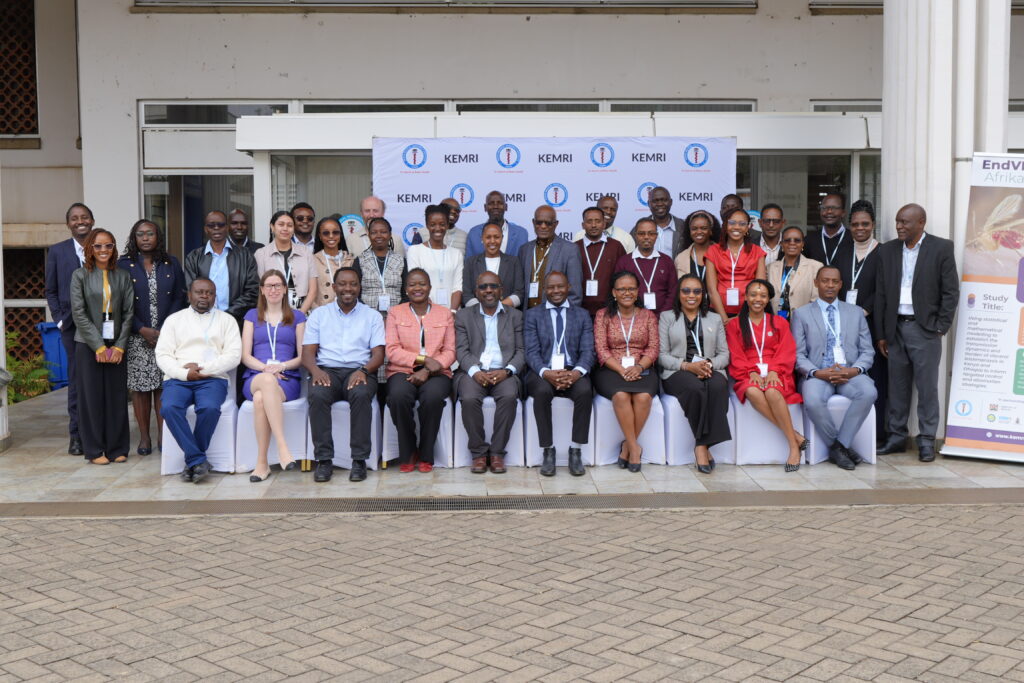
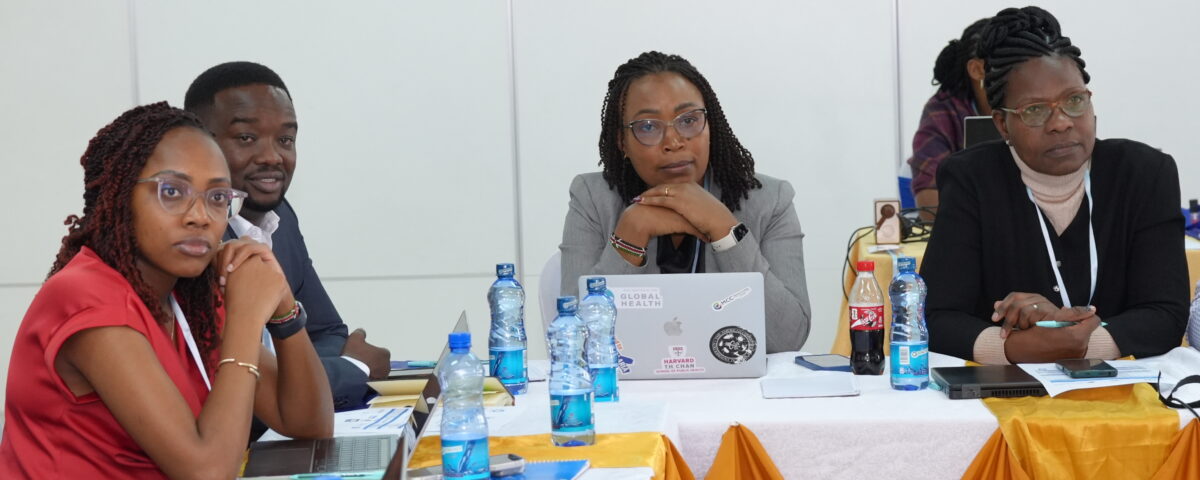
Stakeholders in the fight against visceral leishmaniasis (VL) convened at the Kenya Medical Research Institute (KEMRI) Headquarters to launch the EndVL Afrika Project, a five-year regional initiative that aims to generate evidence to accelerate the targeted control and elimination of the disease in the region.
The project, titled “Using Statistical and Mathematical Modelling to Establish the Transmission Dynamics and Burden of Visceral Leishmaniasis in Kenya and Ethiopia to Inform Targeted Control and Elimination Strategies,” brought together researchers, policymakers and implementing partners to address one of the world’s deadliest Neglected Tropical Diseases (NTD).
Visceral leishmaniasis (VL), also known as kala-azar, remains one of the world’s deadliest neglected tropical diseases, with Eastern Africa bearing 71 percent of the global disease burden. The disease continues to pose a major public health challenge, disproportionately affecting vulnerable populations in endemic communities across the region.
Through integrated studies on sandfly vector ecology, parasite genetics and advanced statistical and mathematical modelling of disease transmission across Kenya and Ethiopia, researches in the EndVL Afrika Project will generate the evidence needed to guide targeted, cost-effective control strategies. The findings are expected to strengthen disease surveillance, inform policy and accelerate progress towards the World Health Organization’s goal of eliminating visceral leishmaniasis as a public health problem by 2030.
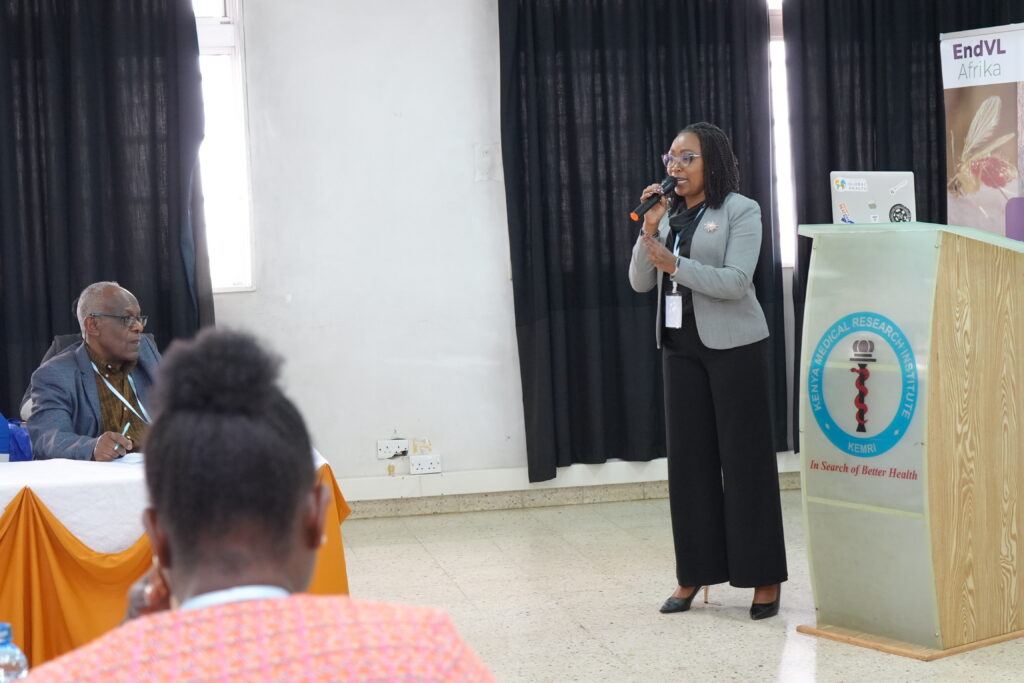
While making her remarks, the project’s Principal Investigator (PI), Dr. Damaris Matoke-Muhia, underscored the importance of the study in addressing a longstanding knowledge gap on the vector, where transmission occurs and the factors sustaining the disease, providing evidence that will enable countries to implement more targeted and sustainable interventions.
“By combining expertise in vector biology, parasite genetics and mathematical modelling, EndVL Afrika will generate the evidence needed to guide targeted control strategies and move us closer to eliminating visceral leishmaniasis as a public health problem in Eastern Africa,” said Dr. Matoke-Muhia.
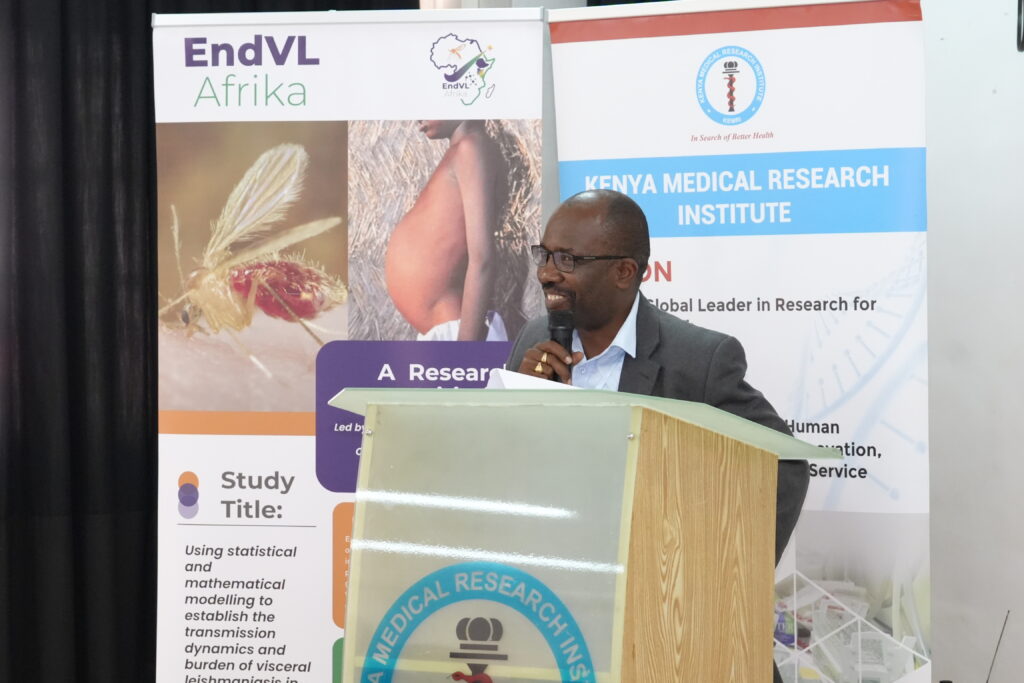
Officially opening the meeting on behalf of the Acting Vice Chancellor and Chief Executive Officer (CEO), Prof. Elijah Songok, Dr. Samoel Khamadi said the project comes at a critical time.
“This project comes at a critical time, as visceral leishmaniasis remains one of the most neglected tropical diseases despite ongoing control efforts. By generating robust evidence on transmission dynamics and disease burden, EndVL Afrika will strengthen surveillance, inform policy and support targeted interventions that will accelerate the control and eventual elimination of the disease,” he said.
Over the years, KEMRI has played a pivotal role in advancing visceral leishmaniasis research. In addition, KEMRI has contributed to documents such as the World Health Organisation’s roadmap for VL elimination and Kenya’s National Visceral Leishmaniasis Elimination Strategy.
In his remarks, Co- PI, Prof Asrat Hailu commended KEMRI for its longstanding leadership in visceral leishmaniasis research, noting that the Institute has consistently produced evidence that has informed regional and global efforts to combat the disease.
“I hold KEMRI in high regard. It is among the first institutions to generate much of the evidence on visceral leishmaniasis that has guided our understanding of the disease. Visceral leishmaniasis is deadly, with up to a 95 percent fatality rate if left untreated, making it imperative that we work together to interrupt transmission and protect affected communities,” he said.
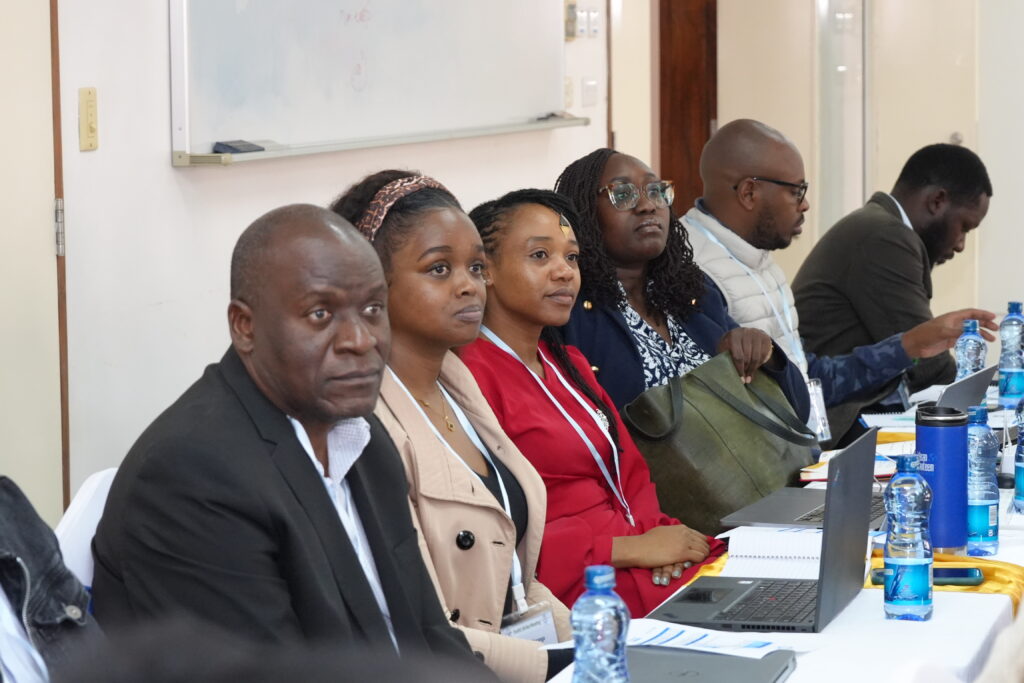
Stakeholders speaking at the inception meeting underscored the importance of understanding where transmission occurs, how the sandfly vector sustains the disease and the role of parasite genetics in designing more effective interventions. They noted that EndVL Afrika fills a longstanding gap by generating evidence that can be translated into policy and practice
Representing the End Fund, Senior Director of Programmes for Visceral Leishmaniasis, Duncan, said “the gap that has been missing is now being addressed. We must ensure this science is translated into policy so that people affected by visceral leishmaniasis receive the care they need,” he said.
Similarly, Dr. Esther Kinyeru, representing the World Health Organization (WHO), noted that East Africa bears the greatest burden of visceral leishmaniasis globally and said the initiative directly advances two key pillars of the WHO framework: research and vector control.
“When I look at the title of this study, I believe this project will answer many of the questions we have long sought to address,” she said.
From the national public health perspective, representing the Director General of the Kenya National Public Health Institute (NPHI), Dr. Wycliffe Omondi, said the research will provide critical evidence on transmission patterns and parasite genetics needed to guide more precise interventions.
“This study will help us understand where transmission is taking place, the role of the vector and transmission patterns, enabling us to design more targeted and effective interventions,” he said.
While representing the Director Corporate Services (DCS), Mr. Gabriel Kamau affirmed the Institute’s commitment to ensuring the success of the project, “This project represents more than a research Initiative. It is an investment in institutional growth, scientific excellence, capacity strengthening, and regional collaboration. As such, we committed to ensuring that this investment is managed prudently, transparently and in accordance with the highest standards of accountability and good governance,” he stated.
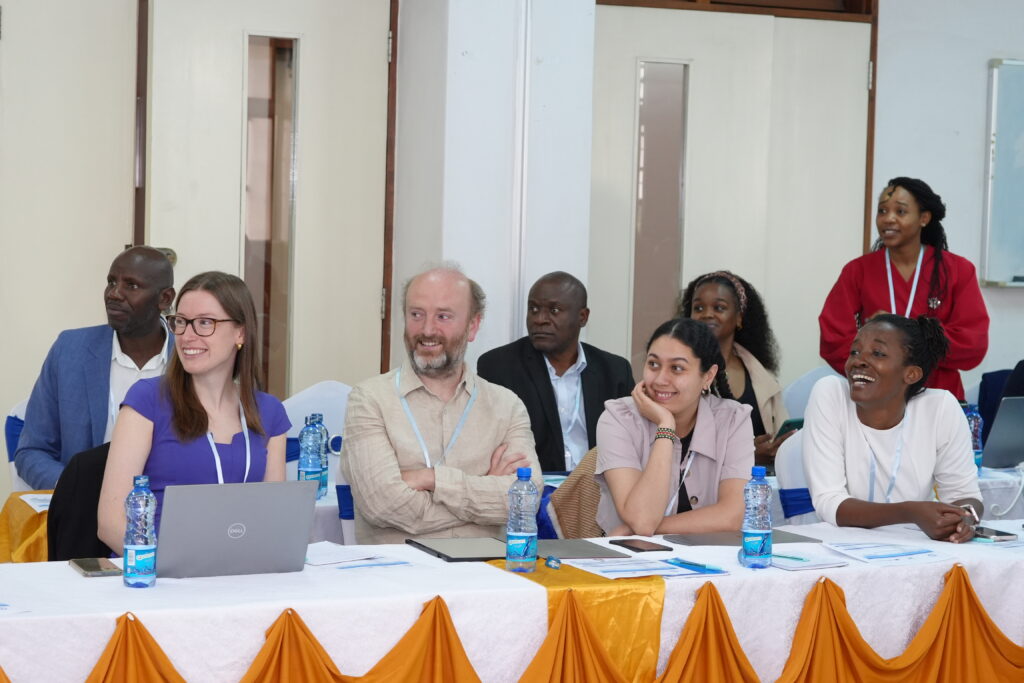
The inception meeting brought together representatives from the Ministry of Health (MoH), the World Health Organization (WHO), the Kenya National Public Health Institute (NPHI), the End Fund, the Centre for Epidemic and Medical Analytics (CEMA), the International Livestock Research Institute (ILRI), the University of Oxford, AMREF, the Foundation for Innovative New Diagnostics (FIND), OSSREA Ethiopia and other partner institutions to chart the project’s implementation.
EndVL is a collaborative effort between KEMRI, ILRI, CEMA (Center for Epidemiological Modelling and Analysis) at the University of Nairobi/Washington State University Global Health Kenya, the University of Oxford, and the Organization for Social Science Research in Eastern and Southern Africa (OSSREA) in Ethiopia and funded by Wellcome.
The project CO-PI’s also include Dr. Naftaly Githaka and Dr. Sichangi Kasili of South Eastern Kenya University, Prof. Ben Lambert and Prof. Christl Donnelly of the University of Oxford, Dr. Mutono Nyamai and Prof. Thumbi Mwangi of the University of Nairobi and Washington State University Global Health Kenya, and Dr. Luna Kamau of KEMRI. Together, the team will leverage expertise in vector biology, epidemiology, parasite genetics, mathematical modelling and public health to generate evidence that will inform targeted, cost-effective strategies for the control and elimination of visceral leishmaniasis in East Africa.