
Parliamentary Health Committee Backs Increased Investment in KEMRI to Advance Research and Vaccine Development
July 24, 2026
KEMRI Strengthens Ethical Oversight of AI in Health Research
August 13, 2026KEMRI Showcases Research and Innovation Capabilities in the Inaugural meeting of KEMRI Strengthens Ethical Oversight of AI Pharmaceuticals and Vaccines
By Gladys Mathenge
KEMRI has reaffirmed its commitment to translating scientific research and innovation into locally developed and manufactured pharmaceuticals, vaccines, diagnostics and biologics, as Kenya intensifies efforts to strengthen health security and reduce reliance on imported health products.
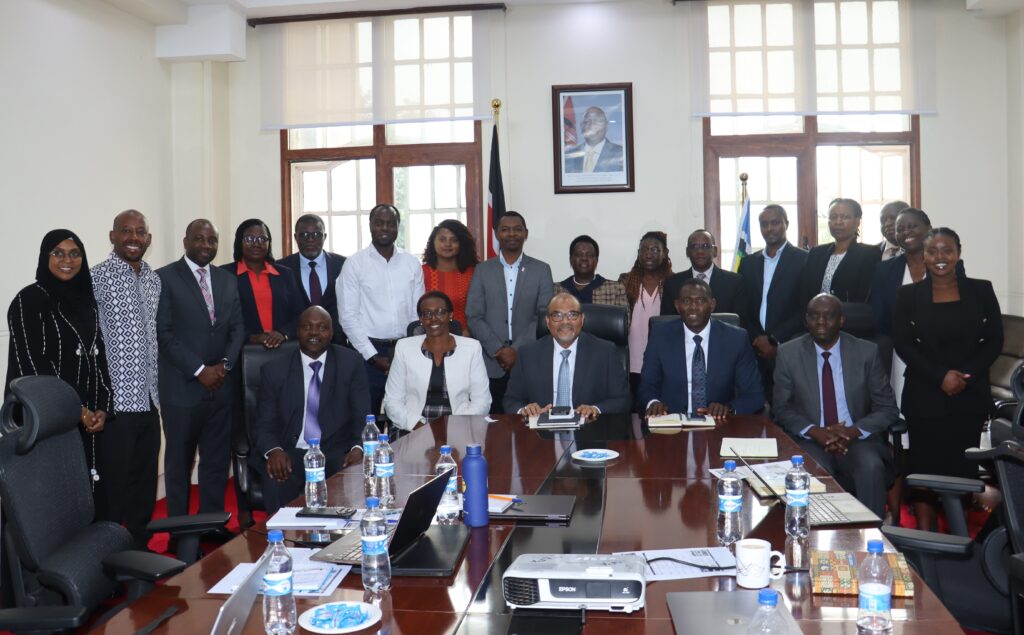
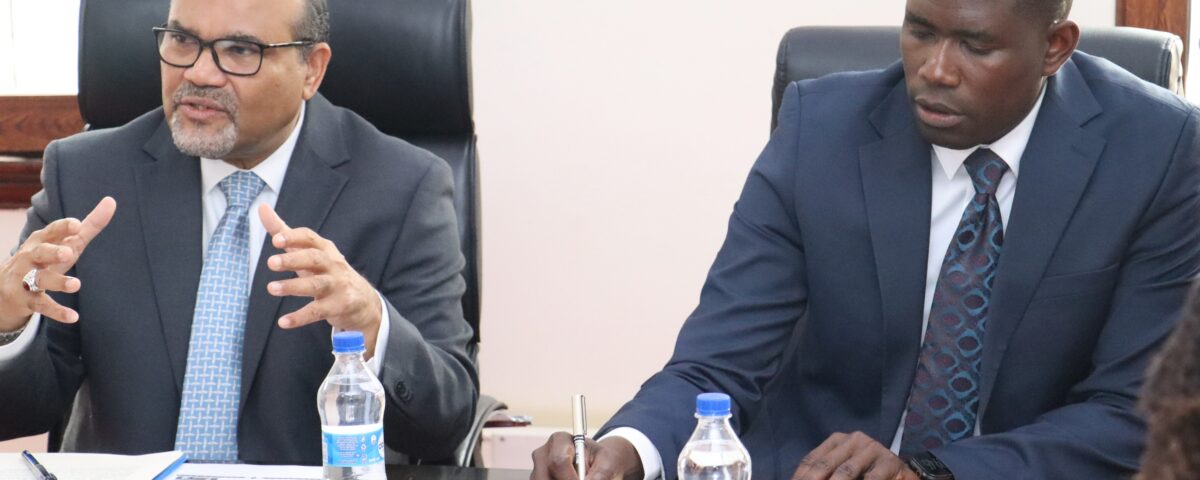
This was highlighted during the Inaugural Meeting on Translation of Research and Development of Pharmaceuticals and Vaccines, held on Thursday, 6th August 2026, at the Office of the Prime Cabinet Secretary, Kenya Railways Headquarters, Nairobi. The meeting was convened by the Principal Secretary, State Department for Science, Research and Innovation, Prof. Shaukat Abdulrazak and the Principal Secretary for the State Department for Medical Services, Ministry of Health, Dr. Ouma Oluga. This brought together key stakeholders across the pharmaceutical, vaccine and research sectors to explore strategies for accelerating the translation of research into market-ready health products.
KEMRI was officially represented by Ag. Deputy Director, CTMDR, Dr. Jeremiah Gathirwa; CTMDR Research Scientist, Dr. Lucia Keter; and KEMRI’s Innovation and Technology Transfer Division (ITTD) Research Scientist, Dr. Ernest Wandera.
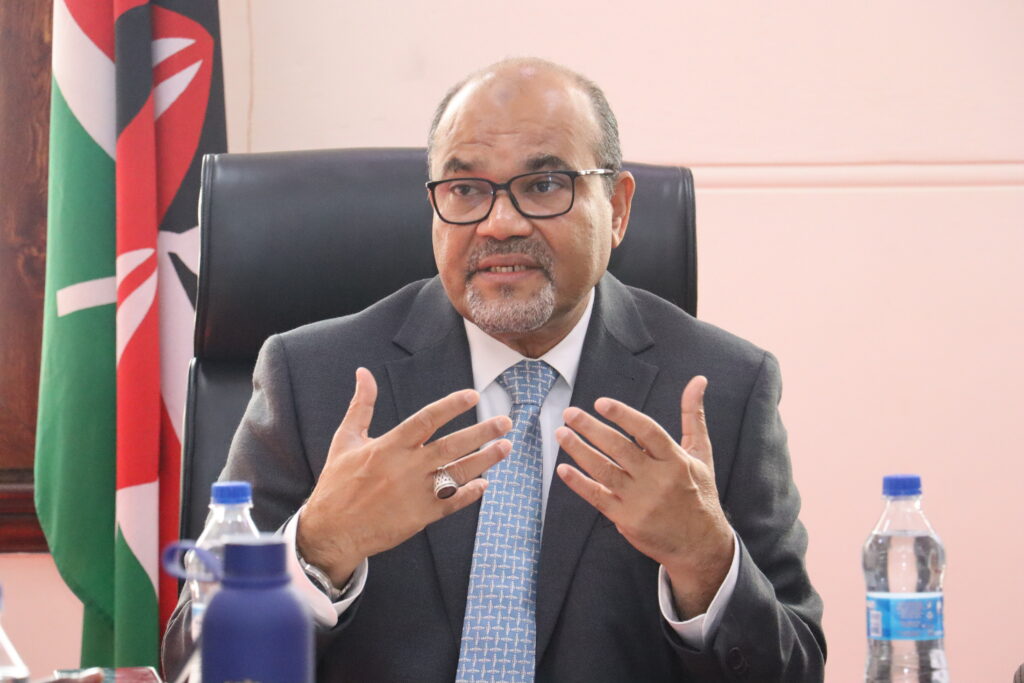
Opening the inaugural meeting, Prof. Shaukat Abdulrazak, called for stronger collaboration among organizations involved in vaccine research, pharmaceutical development, manufacturing and innovation. He urged stakeholders to move beyond institutional silos and build stronger links between research institutions, government, academia and industry to accelerate the translation of scientific discoveries into locally manufactured health products.
He emphasized that strengthening local production of vaccines and pharmaceuticals is essential to enhancing Kenya’s health security, reducing reliance on imports and building greater preparedness for future health emergencies.
“Kenya has the scientific expertise, infrastructure and innovation needed to address our health challenges. What we need now is to break the silos, bring research institutions, government, academia and industry together, and translate our collective knowledge into locally manufactured vaccines and pharmaceutical products that strengthen our health security and improve the lives of our people.” Prof. Shaukat stated.
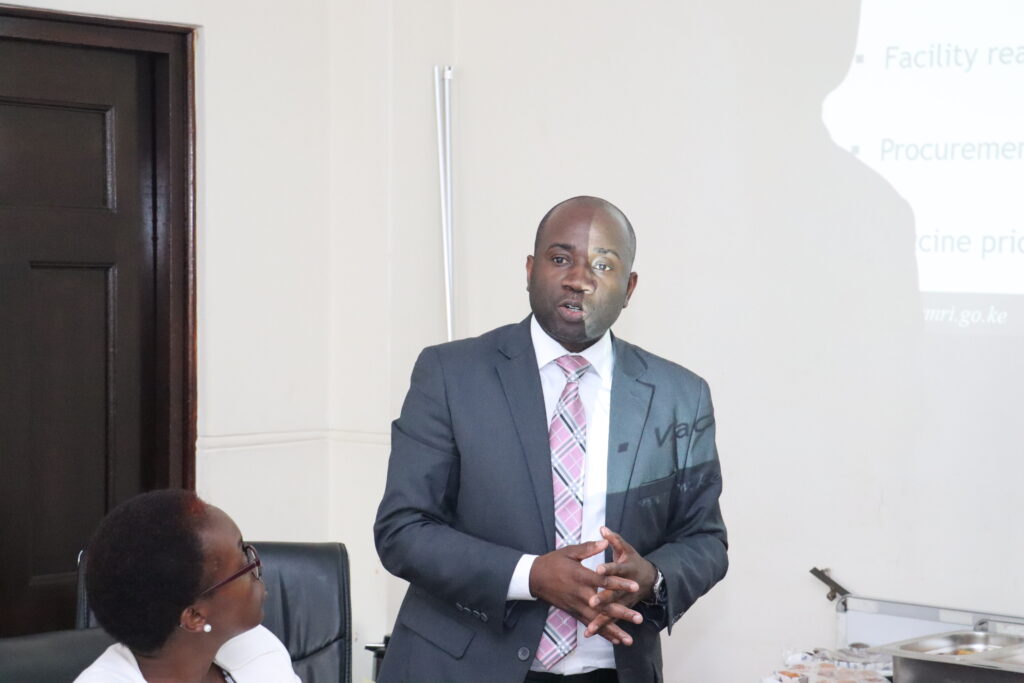
During the meeting, Dr. Wandera presented KEMRI’s research and development capabilities, ongoing initiatives and infrastructure supporting vaccine and biologics development. He highlighted the Institute’s strength across the vaccine development journey, from research and pre-clinical studies to clinical trials, laboratory analysis, training and technology transfer.
He also highlighted the Institute’s efforts in scientist training, technology transfer and facility readiness, which strengthens Kenya’s capacity to advance locally developed vaccines. Dr. Wandera further emphasized KEMRI’s focus on translating research beyond the laboratory and into practical products that can benefit communities.
“Through its Research-to-Commercialization (R2C) Model, the Institute brings together researchers, academia, industry, government and technologytransfer partners to strengthen the pathway from research and innovation to manufacturing and access to health products. KEMRI has invested in building the capacity of Kenyan scientists through hands-on training and technology transfer, equipping our researchers with the skills needed to contribute to the development of locally relevant vaccines and biotherapeutics.” Dr. Wandera noted.
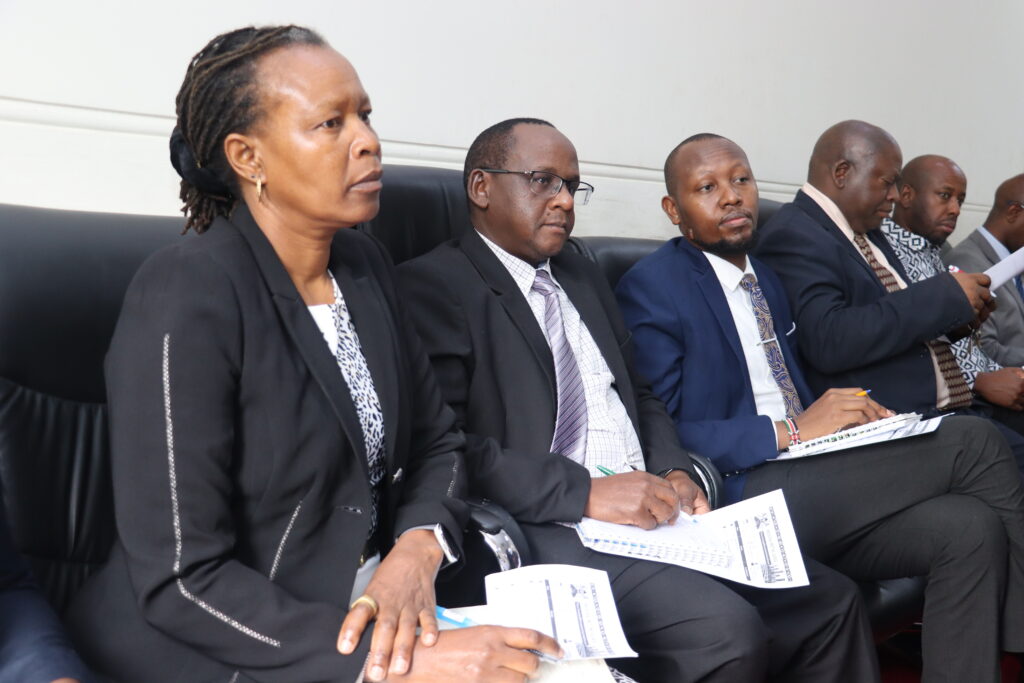
Other key stakeholders present across the pharmaceutical, vaccine and research sectors included; Chief Executive Officer, Kenya Biovax Institute , Dr. Wesley Rono, alongside research and development representatives from the National Commission for Science, Technology and Innovation (NACOSTI), Ministry of Health (MoH), Pharmacy and Poisons Board (PPB), the Kenya Institute of Primate Research (KIPRE), Kenya Medical Supplies Authority (KEMSA), International Vaccine Institute (IVI), International AIDS Vaccine Initiative (IAVI), Kenyatta University (KU), Mount Kenya University (MKU), and the State Department for Science (SDSRI).
The inaugural meeting provided an important platform for stakeholders to strengthen collaboration and identify practical pathways for translating research and innovation into locally manufactured health products. Noting that there is need for stronger linkages between government, research institutions, academia, industry and development partners to build a coordinated ecosystem that can move promising discoveries from the laboratory to the market.
In his closing remarks, Principal Secretary, State Department for Medical Services, Ministry of Health, Dr. Ouma Oluga, reiterated the Government’s commitment to strengthening local manufacturing of medicines, vaccines and diagnostics. He emphasized that building a resilient local pharmaceutical industry requires sustained investment, predictable financing and stronger market support, including procurement mechanisms that can give local manufacturers the confidence to scale production.
“Local manufacturing is not possible without a strong research and development ecosystem. We must invest in research that responds to our health priorities, strengthen policies that enable the translation of that research into products, and harness the power of digitized health and research data to inform innovation and decision-making. By connecting research, policy, data and manufacturing, we can build a health system that is more resilient, self-reliant and responsive to the needs of our people.” Dr. Oluga gave his remarks.
For KEMRI, the engagement reaffirmed its strategic role in Kenya’s research-to-commercialization agenda and it remains committed to translating discoveries into locally relevant vaccines, diagnostics and other health solutions that can strengthen the health system and improve lives in Kenya, across Africa and beyond.