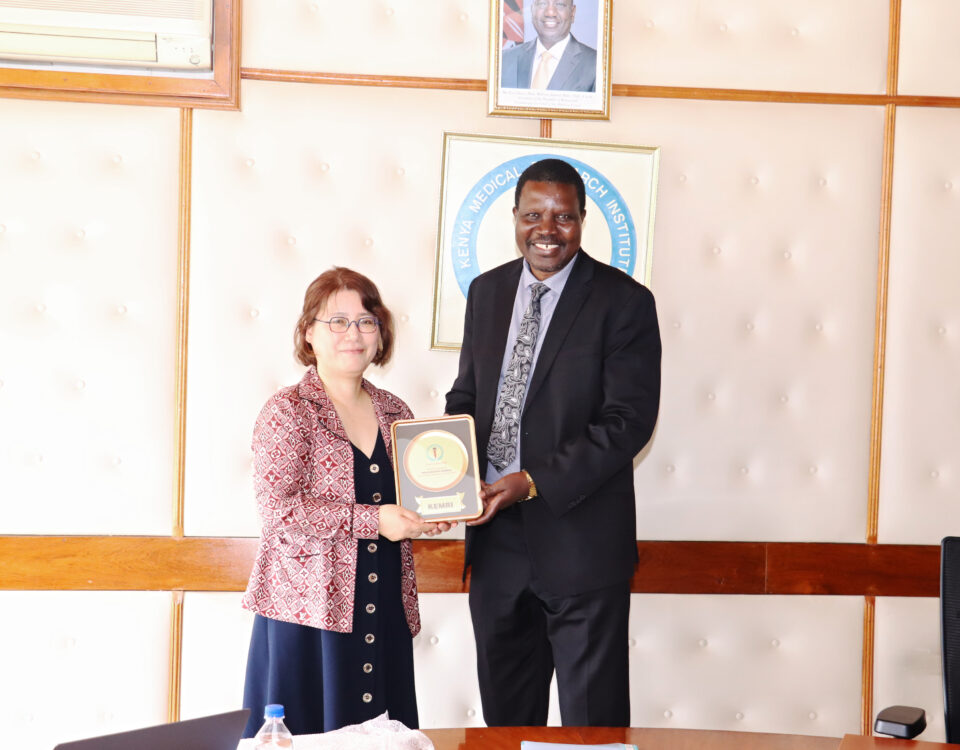
KEMRI Hosts Joint Command and Staff College Delegation to Explore Health and National Security Collaboration
March 19, 2026
KEMRI Takes Lead in Africa’s Fight Against Tuberculosis with Promising New Drug Research
March 25, 2026KEMRI to Lead Integration of Herbal Medicine into Kenya’s Health System
By Wodera James
The Institute has entered into a strategic partnership with the Elgeyo Marakwet County government to accelerate the integration of traditional and herbal medicine into Kenya’s national healthcare system.
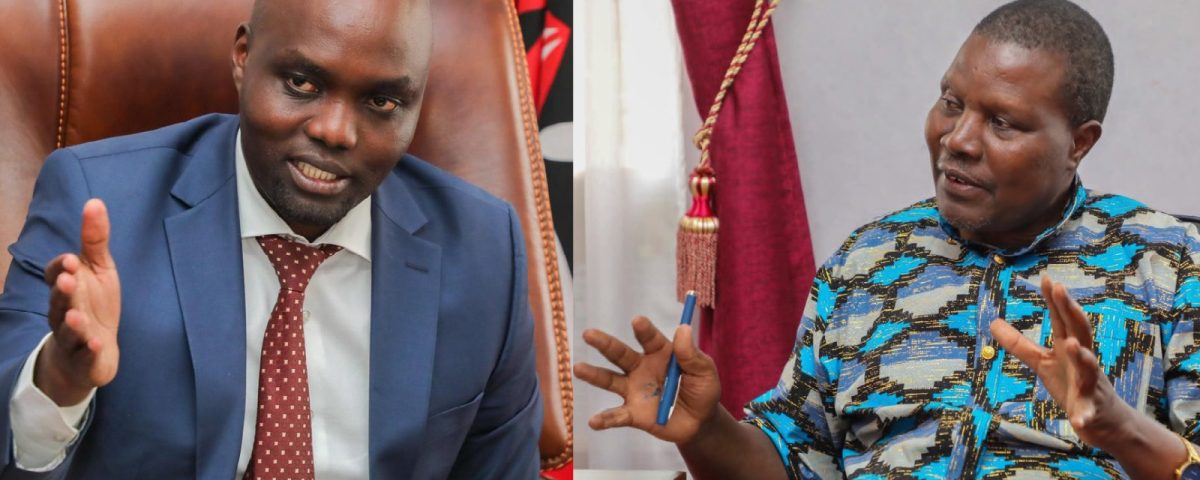
The agreement was reached on Thursday, 19 March 2026, following a high-level meeting between Acting Director General, Prof. Elijah Songok and Governor, H. E. Wisley Rotich at the County Headquarters.
The two leaders resolved to establish a joint technical team to develop a formal framework for collaboration. The partnership will focus on expanding herbal gardens within the county’s forest ecosystems and mobilizing local communities to cultivate medicinal plants. This is expected to create a sustainable supply chain for emerging herbal therapies while supporting livelihoods.
KEMRI is currently developing six herbal products targeting cancer, which are set to serve as pilot interventions for policy integration, regulation, quality assurance, and evidence-based innovation in traditional medicine.
The initiative aligns with a broader government policy shift aimed at integrating traditional medicine into the national health system by 2028. In February 2026, Health Cabinet Secretary Aden Duale reaffirmed the government’s commitment and tasked KEMRI with spearheading the process.
The integration framework will encompass policy recognition, system integration, regulatory oversight, quality assurance, research, and innovation in traditional medicine.
Parliament, through the National Treasury and the health committee, has already allocated seed funding to support the development and piloting of the six herbal formulations with potential anti-cancer properties. The pilot phase is expected to begin in referral hospitals within the next two months.
Elgeyo Marakwet County has been identified as a key partner due to its rich biodiversity and unique ecological zones, which support a wide variety of medicinal plant species. The county also has strong cultural acceptance of herbal medicine, making it ideal for large-scale cultivation and community participation.
To ensure sustainability, KEMRI is working with the Kenya Forest Service (KFS), community forest associations, and local farmers to grow and supply the identified plant species.
Prof. Songok underscored the scientific and economic significance of this partnership stating, “this collaboration marks a defining moment in Kenya’s journey toward evidence-based integration of traditional medicine. By anchoring our research in communities and ecosystems such as Elgeyo Marakwet, we are not only securing a sustainable pipeline of raw materials but also building a credible, regulated and globally competitive herbal medicine sector.” He adds, “The six candidate products we are advancing, particularly in cancer care, represent years of rigorous research. Their successful piloting will provide the scientific validation and regulatory pathway needed to mainstream herbal therapeutics within our national health system.”
Governor Rotich hailed the partnership as transformative for the county and beyond and said, “ this is a historic opportunity for Elgeyo Marakwet to contribute to a national and global health solution rooted in our heritage. Our people have long trusted herbal medicine, and this partnership now gives us the platform to validate, scale and commercialize that knowledge for the benefit of humanity.” “We are fully committed to supporting KEMRI in cultivating medicinal plants, protecting our forest ecosystems, and mobilizing our communities to participate in this value chain. This initiative has the potential to create jobs, improve health outcomes and position our county as a hub for herbal medicine innovation.”
Senior officials from both KEMRI and the county government attended the meeting, signaling strong institutional backing for what could mark a turning point in the formal recognition and integration of traditional medicine in Kenya. Prof. Songok was accompanied by a Member of the Board of Directors, Mr. Luka Chemwolo. Other members of the KEMRI team included, Dr. Steve Wandiga ( Deputy Director, Sports Science Research Station- Eldoret), Traditional Medicines Research Scientists, Dr. Festus Tolo and Dr. Lucia Keter, Mr. Barnabas Kimatoi (Officer in DG Office), Mr. Allan Kipkosgei (Administrative Officer) and Mr. Wodera James (Principal Corporate Communications Officer).
The Elgeyo Marakwet County team consisted of Mr. Christopher Chebochboch (Chair, Education), Mr. Lazarus Chebii (County Official), Ms. Monica Rotich (County Executive Committee Member, Health), Mr. Thomas Maiyo (County Executive Committee Member, Lands), Mr. Emmanuel Birir (County Official), Ms. Dorcas Cheruiyot (County Attorney), and Chief Officer, Governor’s Office. Ms. Lorna Kipsang.
The partnership signals growing momentum toward the formal recognition and integration of traditional and herbal medicine into Kenya’s healthcare system, with Elgeyo Marakwet poised to play a pivotal role in shaping this emerging frontier.