
KEMRI Strengthens National Ebola Preparedness & Strategic Response Capacity
June 2, 2026
Bridging Indigenous Knowledge, Natural Products and Science, Advancing Sustainability and Climate Resilience Through Research and Innovation
June 2, 2026Science, Research, and Innovation Week Highlights KEMRI’s Excellence in Health Research
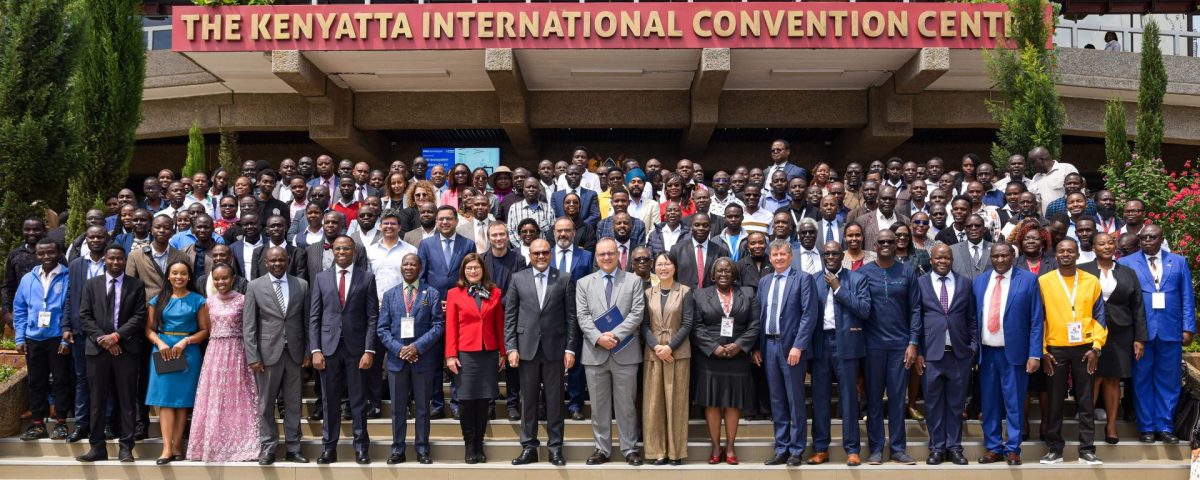
Science, research and innovation took centre stage during the recent Science, Technology, Research and Innovation for Society (STRI4Society) Week 2026 held in the pulsating heart of the country’s capital, Nairobi, with KEMRI’s conspicuous participation and contribution underscoring the Institute’s continued commitment to harnessing scientific advancement for sustainable development and societal impact
The five-day inaugural week, held from 18th to 22nd May at the Kenyatta International Convention Centre (KICC) under the theme “Igniting Innovation: Bridging Science and Society for Sustainable Development,” drew a distinguished assembly of scientists, innovators, policymakers, academia, industry leaders, development partners, students and members of the public to deliberate on the future of science-driven transformation.
The Principal Secretary in the State Department for Science, Research and Innovation, Prof. Shaukat Abdulrazak, while officially opening the event, challenged the country to position itself as a global innovation powerhouse. “Kenya must become a creator of knowledge, an owner of innovation, and a producer of globally competitive technologies,” he said
Prof. Abdulrazak highlighted the country’s strategic advantages, that include robust digital infrastructure, a youthful and highly skilled population, a thriving startup ecosystem and a rapidly growing research base. He called for the establishment of a coordinated national innovation ecosystem bringing together government, universities, research institutions, industry and innovators to work towards shared national goals.
Among the priority areas identified were artificial intelligence, biotechnology, climate technologies, innovation financing and accelerating the translation of research into practical solutions with societal and economic value.
He further outlined an ambitious national vision in which every county nurtures innovation ecosystems supporting local industries, universities evolve into globally competitive research hubs, startups scale into continental enterprises, and scientific discoveries drive local manufacturing, exports and job creation.
The PS reaffirmed the government’s commitment to increasing investment in science, technology and innovation, describing the sector as a critical pillar for economic transformation, resilience and employment creation.
His priorities for the national innovation agenda include scaling research and development investment towards 2% of the Gross Domestic Product (GDP), positioning Kenya as Africa’s hub for artificial intelligence, biotechnology and advanced manufacturing by 2030, and accelerating the commercialization of research outputs.
“When research improves agricultural productivity, science feeds families. When innovation improves healthcare, science saves lives. When technology creates jobs, science fights poverty,” Prof. Abdulrazak stated.
Delivering the keynote address on Science, Technology, Engineering and Mathematics (STEM) during the same session, the Ambassador of Ireland to Kenya, Her Excellency Caitríona Ingoldsby, on her part emphasized the importance of collaboration in driving meaningful societal transformation.
“Real transformation comes when government, educational institutions, private sector players, policymakers and communities work together with a shared vision,” she said.
KEMRI was represented by its top leadership led by Acting Vice Chancellor (VC), Prof. Elijah Songok, alongside researchers and support staff, who together synchronized efforts to showcase KEMRI’s achievements in health research through exhibitions, scientific engagements, knowledge-sharing sessions and innovative technologies.
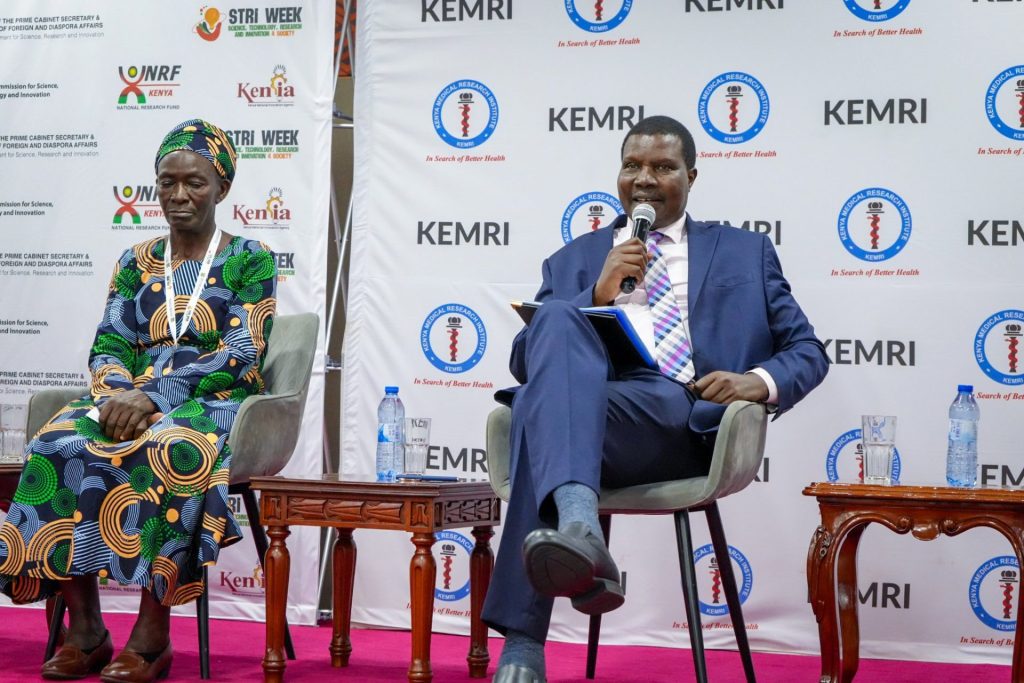
To highlight its rich research portfolio and provide a dedicated platform for knowledge exchange between KEMRI and key stakeholders, the Institute also held a side event on the third day of the conference, showcasing the transformative role of science and innovation in the health sector. The session featured insights on the commercialization of health innovations, climate change and emerging diseases, natural products in drug discovery, and local vaccine manufacturing, presented by KEMRI’s expert researchers.
KEMRI’s exhibition booth attracted significant attention, particularly traditional medicine products developed by the Centre for Traditional Medicine and Drug Research (CTMDR), which generated considerable public interest.
After five days of intense thought-provoking sessions and eye-opening exhibitions, the conference concluded with a closing ceremony presided over by Prime Cabinet Secretary Hon. Musalia Mudavadi, who reaffirmed the government’s commitment to placing science, research, technology and innovation at the centre of Kenya’s socioeconomic transformation agenda, which aligns with the President’s own vision.
In his address, Hon. Mudavadi described research and innovation as indispensable drivers of economic competitiveness, inclusive growth and sustainable development. “The government is committed to strengthening investment in research, science and innovation as part of building solutions to the complex challenges facing society and the economy,” he said.
He emphasized the need for research to move beyond academic publications and deliver tangible impact within communities, industries, markets and policymaking spaces. The Prime Cabinet Secretary also called for stronger collaboration between academia, industry and government, as well as improved governance and coordination within the national research ecosystem.
A major highlight of the closing ceremony was the launch of the Masterplan for Research Financing and Capacity Strengthening; a strategic framework aimed at strengthening Kenya’s research and innovation landscape. The framework seeks to enhance research financing, improve infrastructure and digital systems, strengthen commercialization pathways and promote better policy and regulatory coordination.
The roadmap also aims to bridge the persistent structural challenges, including fragmented funding mechanisms, weak commercialization systems and limited collaboration between research institutions, policymakers and the private sector, with the key ambition of the plan being to increase national investment in research and development toward globally competitive levels, while ensuring that scientific discoveries transcend the confines of knowledge generating institutions and have an impactful presence in markets and communities.
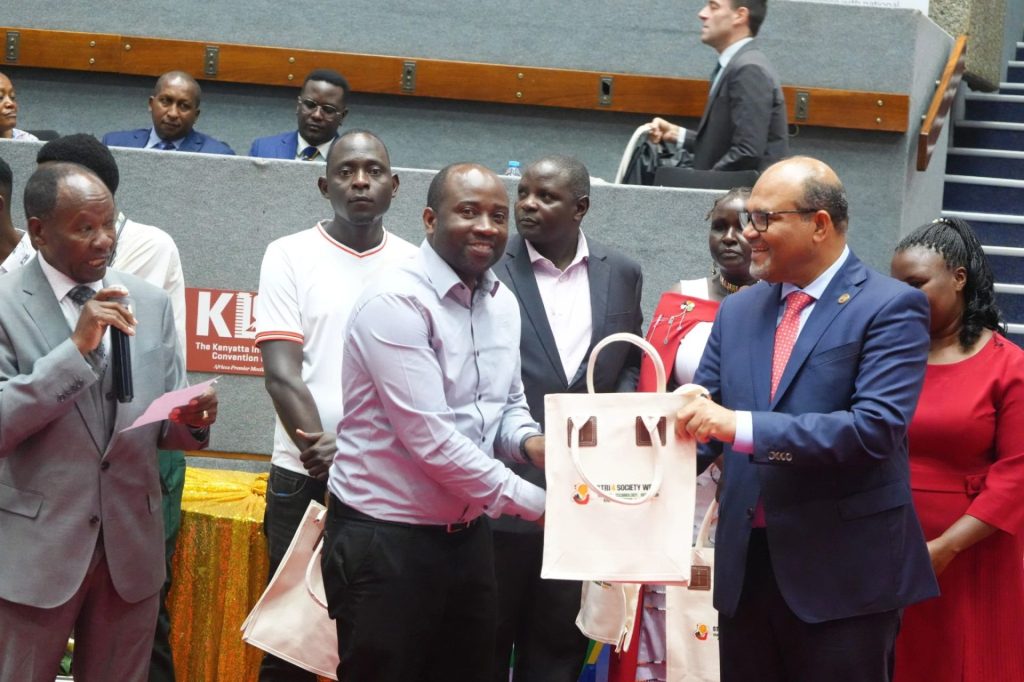
The conference ended on a celebratory note, with KEMRI Senior Research Scientist Dr. Ernest Wandera receiving recognition as the Best Oral Presenter at the conference, an achievement that further reflects the Institute’s growing reputation for scientific excellence.