
Stakeholders Launch EndVL Afrika Project to Accelerate Elimination of Visceral Leishmaniasis in East Africa
July 24, 2026
KEMRI Showcases Research and Innovation Capabilities in the Inaugural meeting of KEMRI Strengthens Ethical Oversight of AI Pharmaceuticals and Vaccines
August 13, 2026Parliamentary Health Committee Backs Increased Investment in KEMRI to Advance Research and Vaccine Development
By Lisper Mokaya
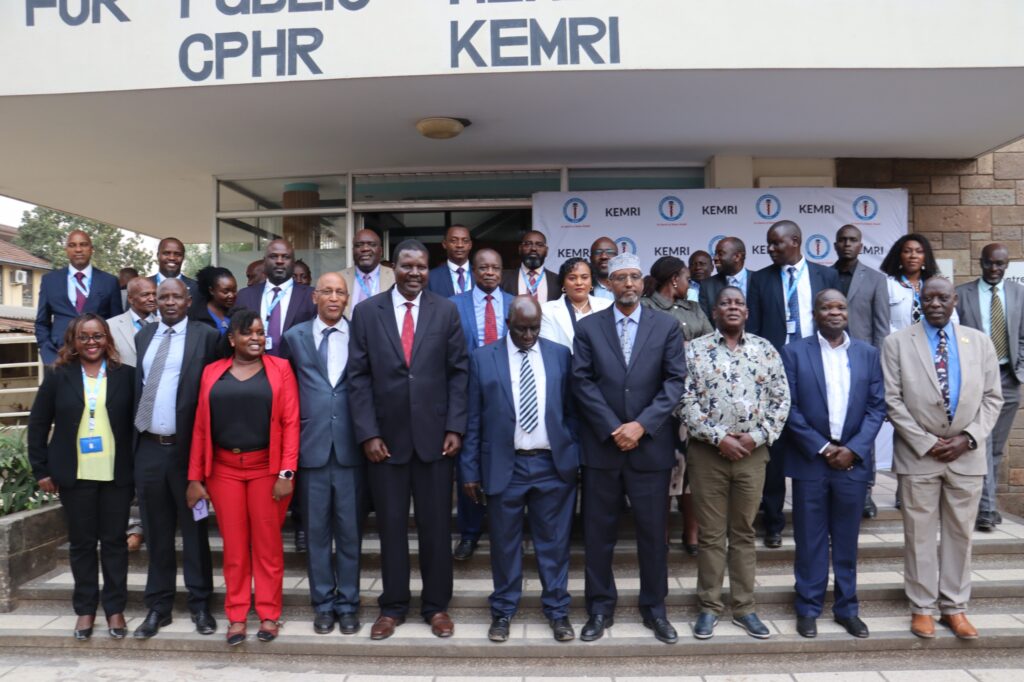
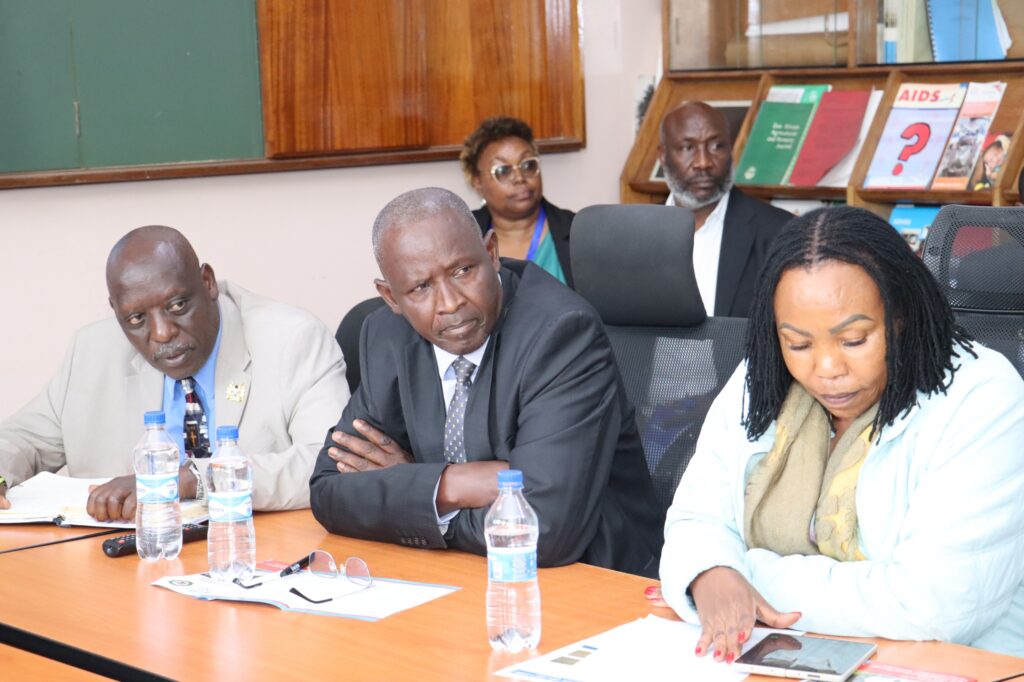
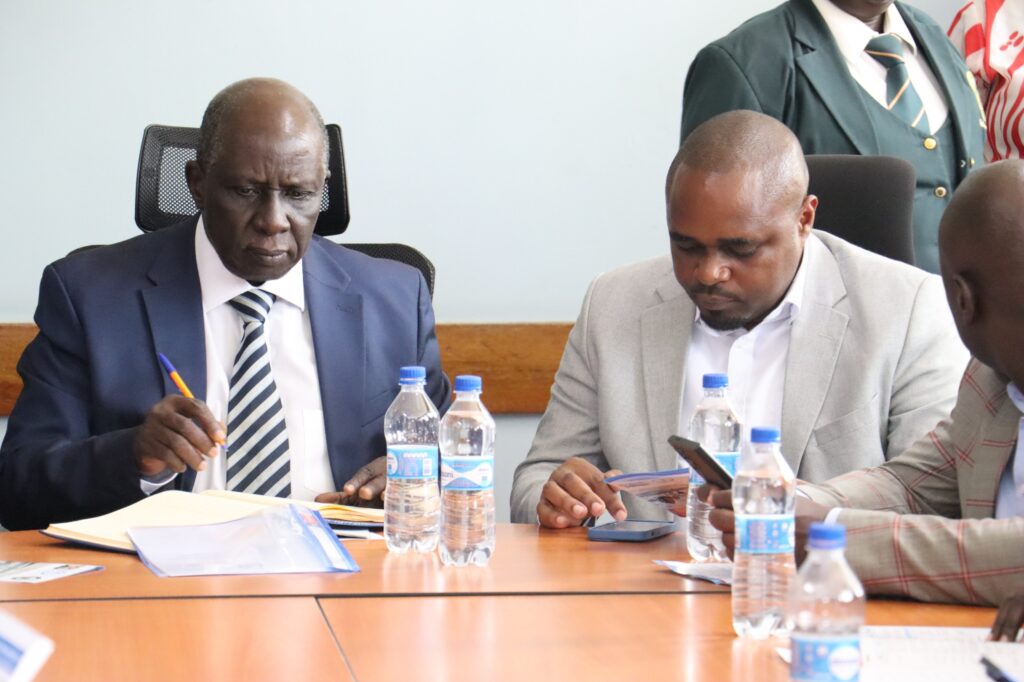
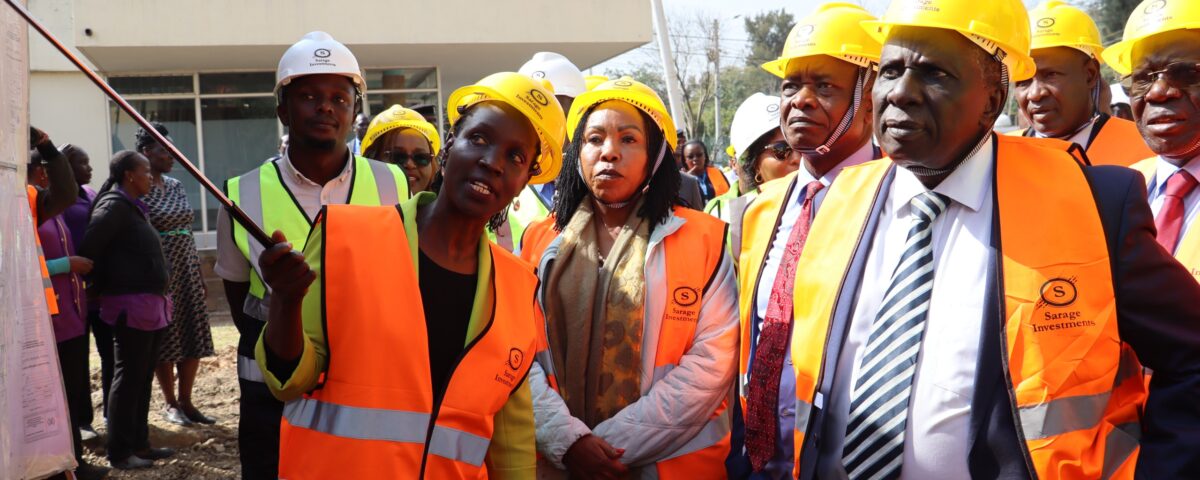
The Kenya Medical Research Institute (KEMRI) hosted a high-profile 11-member delegation from the National Assembly Departmental Committee on Health, led by its Chairperson, Hon. Dr. James Nyikal, and Vice Chairperson Hon. Patrick Munene, during a fact-finding mission aimed at assessing the Institute’s contribution to Kenya’s health sector, its strategic priorities, and the opportunities and challenges facing health research and innovation.
The delegation was received by Chairman of the KEMRI Board of Directors, Dr. Abdullahi Ali, and Ag. Vice Chancellor/Chief Executive Officer, Prof. Elijah Songok, alongside members of the Board of Directors, senior management, and research scientists.
The visit provided an opportunity for Members of Parliament to gain first-hand insight into KEMRI’s expanding mandate following the conferment of its Charter, its contribution to evidence-informed policy, disease surveillance, outbreak preparedness and response, capacity building, and the development of locally relevant health innovations, including vaccines, diagnostics, therapeutics and other biomedical products.
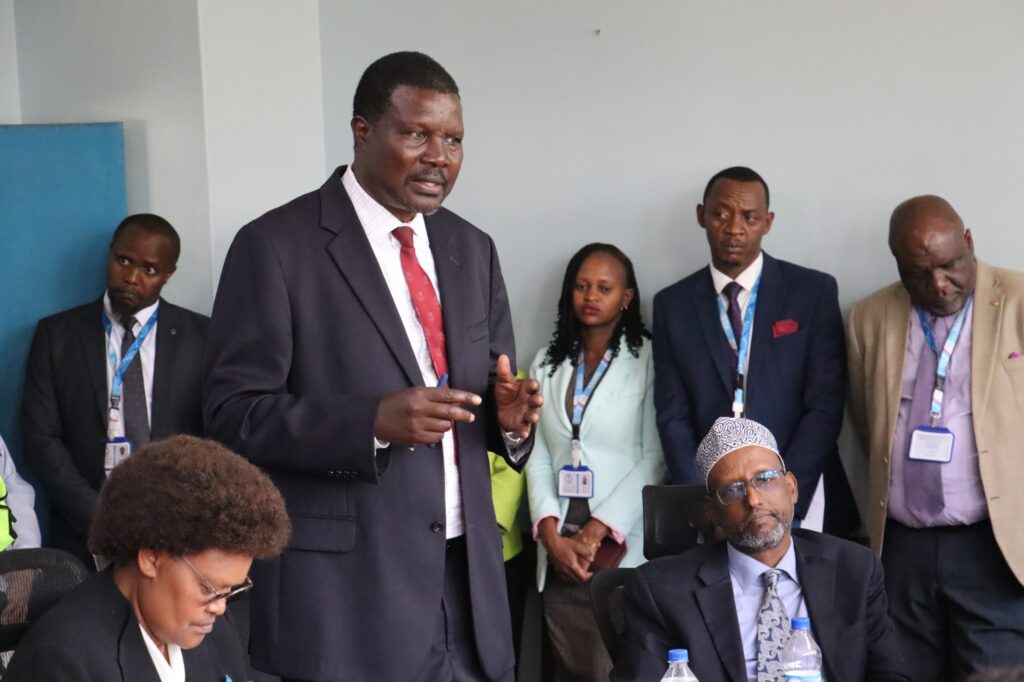
Welcoming the delegation, Ag. Vice Chancellor/Chief Executive Officer, Prof. Elijah Songok, described the visit as an important platform for strengthening collaboration between policymakers and researchers.
“I am pleased to welcome the National Assembly Committee on Health to assess and oversight our institution on its operations. This visit is important because it provides an opportunity to review how we have utilized the resources entrusted to us, discuss the progress of our programmes and identify challenges that require support,” he said.
Prof. Songok noted that the visit was particularly significant as it was the first by the Parliamentary Health Committee since KEMRI attained a University Charter, a milestone that has expanded the Institute’s mandate while reaffirming its central role within the Ministry of Health.
“This visit is particularly significant because it is the first since KEMRI was granted a university charter. While KEMRI is now a specialised degree-awarding institution, we remain under the Ministry of Health. The Ministry of Education provides oversight on academic matters, but our core mandate continues to be health research, innovation and capacity building in support of the country’s healthcare system,” he explained.
Prof. Songok highlighted KEMRI’s growing investment in infrastructure to strengthen Kenya’s preparedness against emerging and re-emerging diseases. He noted that the Parliamentary Committee had toured several Exchequerfunded infrastructure projects that will significantly enhance the country’s research capacity once completed.
He emphasized that although substantial progress had been made, additional financial support was required to complete the projects within schedule, warning that delays in funding could slow down strategic investments that are critical to Kenya’s health security.
A major focus of the discussions centred on translating KEMRI’s scientific discoveries into products that directly benefit Kenyans. Prof. Songok observed that KEMRI scientists have successfully developed vaccines, diagnostics, sanitisers and traditional medicine products through years of research, but many innovations remain inaccessible to the public due to regulatory and procurement challenges
“We are appealing for policy and legislative support to ensure that products developed by KEMRI receive priority within government procurement under the Buy Kenya, Build Kenya initiative. Our innovations should benefit Kenyans by reaching hospitals, health facilities and communities across the country,” he added.
He further underscored the urgent need to strengthen domestic investment in research, noting that close to 70 per cent of KEMRI’s research funding is currently sourced from international partners.
The Vice Chancellor appealed to the Committee to support the restoration of at least KSh 500 million that had been reduced from the Institute’s previous allocation to enable KEMRI to effectively implement its expanded mandate, particularly in vaccine discovery, development and manufacturing.
“We will be glad if this Committee can restore at least KSh 500 million that was cut from the previous budget to enable us to implement our expanded mandate, particularly in vaccine discovery, development and manufacturing. We will be in a better position to negotiate with our development partners if we demonstrate Government commitment through increased funding. This will make it easier for them to match or even exceed our investment,” he appealed.
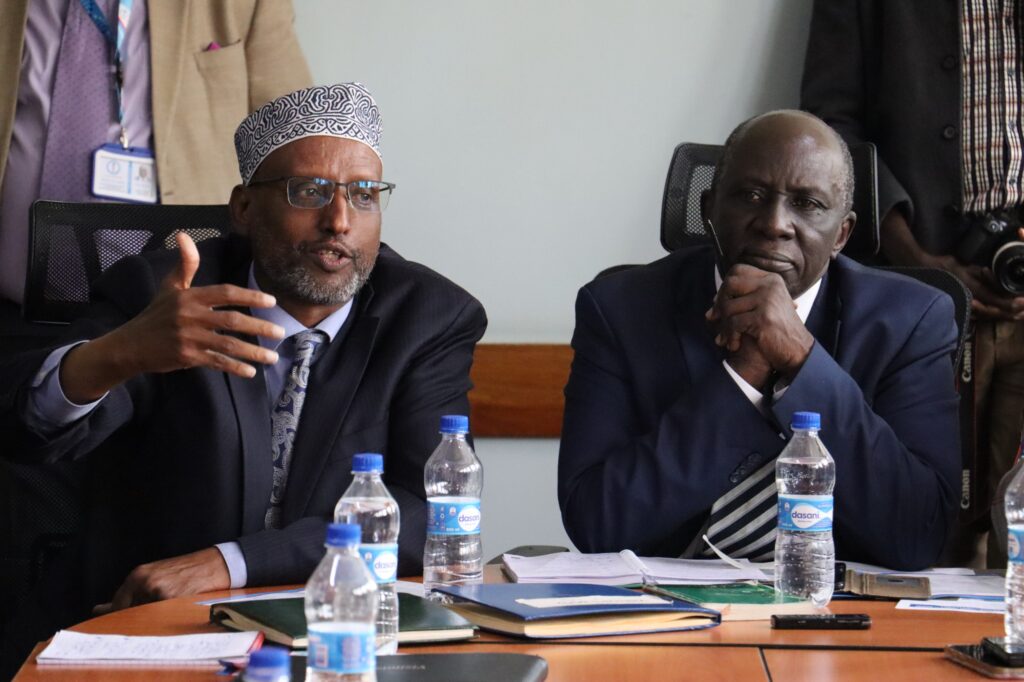
Supporting the call for enhanced Government funding, Chairman of the KEMRI Board of Directors, Dr. Abdullahi Ali, observed that increased domestic investment would significantly strengthen KEMRI’s credibility among development partners.
Dr. Ali noted that restoring the KSh 500 million allocation would not only accelerate ongoing strategic projects but would also position the Institute to leverage additional donor resources through co-investment arrangements.
“If the KSh 500 million is restored, KEMRI will have a much stronger opportunity to attract development partners who can match or even exceed the Government’s investment,” he said.
Addressing the gathering, Chairperson of the National Assembly Departmental Committee on Health, Hon. Dr. James Nyikal, commended KEMRI for the remarkable progress it has made over the years and acknowledged the significance of its newly acquired Charter.
“We congratulate KEMRI for its new status. KEMRI now has a Charter, which means its structure will be reorganized to support its expanded mandate,” he said.
Dr. Nyikal observed that KEMRI continues to undertake cutting-edge research that has resulted in numerous innovations with enormous potential to improve healthcare delivery in Kenya. He noted that many of these products could be deployed in hospitals and other health facilities and emphasized the need to establish mechanisms for their commercialization.
“KEMRI carries out a lot of research and produces many products that can be used in our hospitals and in turn assist in revenue generation. We have recommended that we find a way of commercializing these products so that Kenyans can benefit from the excellent work being undertaken by our scientists and in addition, generate revenue for sustainability,” he stated.
The Committee Chair further underscored the importance of strengthening coordination among institutions involved in health research, regulation and policy to eliminate duplication and maximize available resources.
“We have also noted that there are institutions whose mandates are closely related to those of KEMRI, including the Kenya Institute of Primate Research, Kenya Biovax Institute, the Kenya National Public Health Institute (NPHI), and the National Cancer Institute (NCI). We will explore modalities for these institutions to work together seamlessly, without duplicating roles or creating unnecessary competition,” he noted.
On the development and production of natural products and alternative medicine, Dr. Nyikal encouraged KEMRI to leverage its expertise and position itself as the national leader in the research, development, and production of these products. He emphasized that such innovations should not only serve public institutions but also be commercialized to make them accessible to the wider public.
Hon. Dr. Nyikal acknowledged the financial challenges facing the Institute, particularly in research and the completion of ongoing infrastructure projects, assuring KEMRI that the Committee would consider the matter during budget deliberations.
“We have also noted that KEMRI requires additional funding, particularly for research and completion of its projects. As a Committee, we shall discuss this further. KEMRI urgently requires the KSh 500 million, and we will consider how best we can support the Institute,” he said.
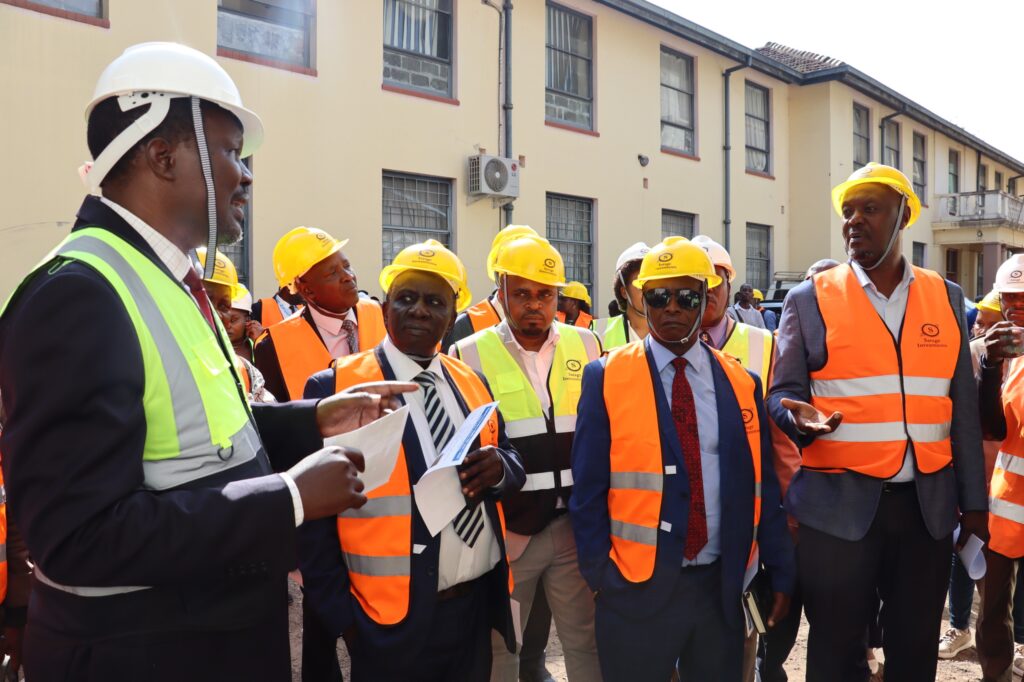
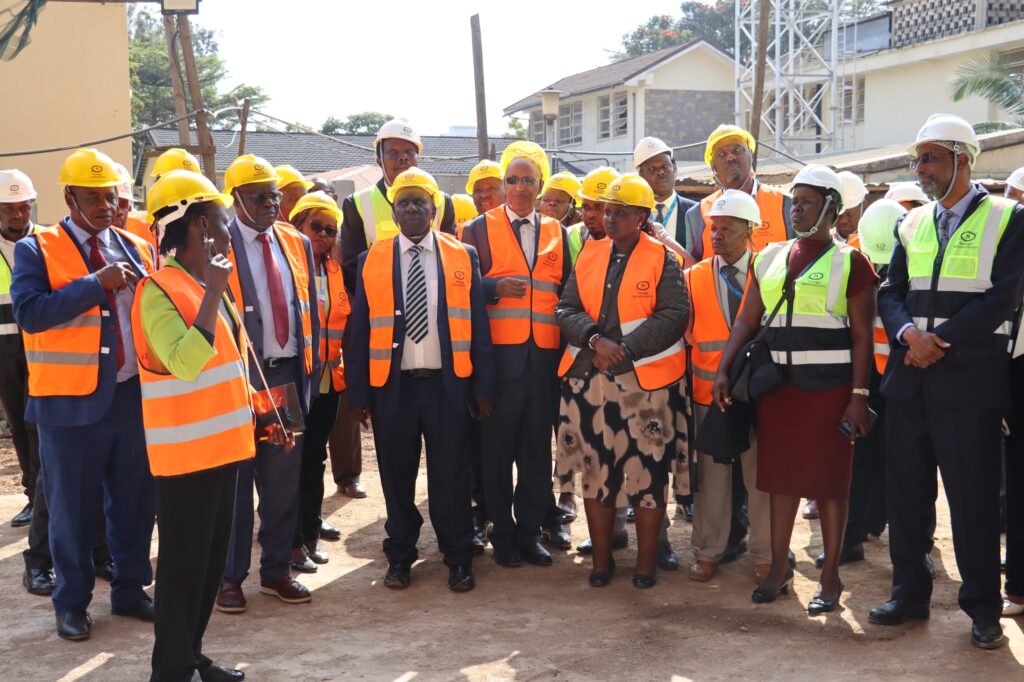
As part of the visit, the delegation toured KEMRI’s ongoing state-of-the-art Centre for Microbiology Research (CMR) facility at the Centre for Public Health Research (CPHR), where they received updates on the progress of construction and its anticipated role in strengthening advanced biomedical research, disease surveillance, laboratory diagnostics, training and national epidemic preparedness.
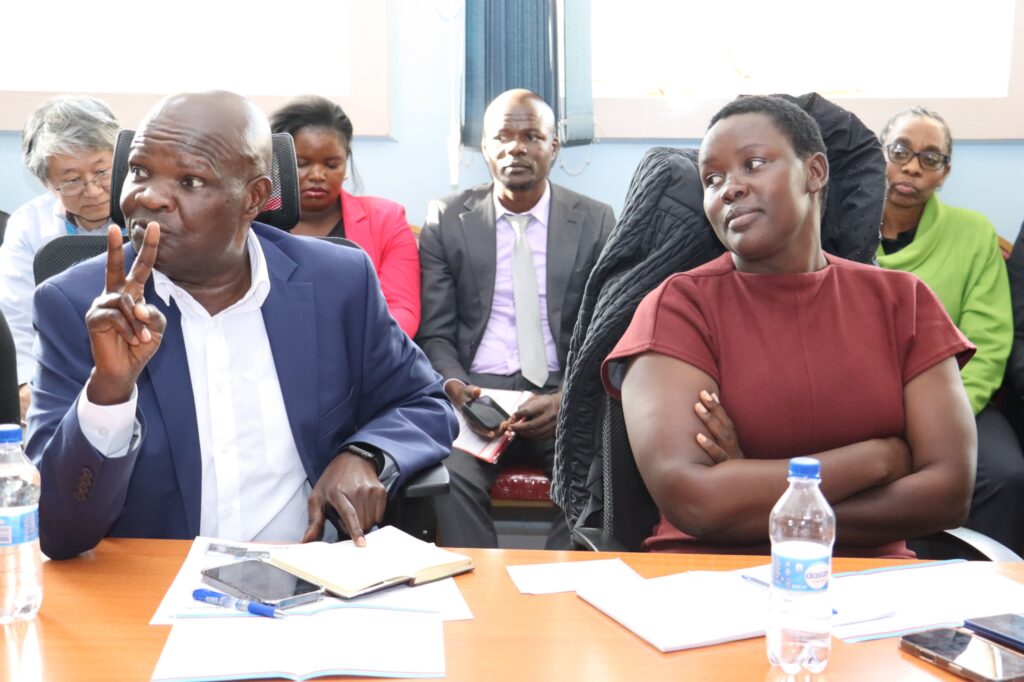
The Members of Parliament also interacted with scientists and technical teams, gaining a deeper appreciation of the Institute’s research portfolio, innovation pipeline and infrastructure expansion programme through presentations.
The visit reaffirmed Parliament’s commitment to supporting science, research and innovation as key drivers of Kenya’s health agenda. It also underscored the critical role of sustained Government investment in strengthening research institutions, accelerating the commercialization of locally developed health technologies and enhancing the country’s capacity to respond to current and future public health challenges.
As KEMRI continues to implement its expanded mandate under the University Charter, the Institute remains committed to generating evidence that informs policy, developing innovative health technologies, building the next generation of scientists and contributing to universal access to quality healthcare for all Kenyans.
Accompanying the Chairman of the Board were Board Directors, Dr. Ruth Bosire, Mr. Luka Chemwolo, Ms. Wangui Njenga,CPA Faith Mwongerah and Mr. Victor Momanyi. KEMRI’s senior management present include; Director Corporate Services Mr. Jones Otuke, Acting Director Strategy and Compliance Mr. Edwin Bett, Deputy Director Centre for Virus Research, Dr. Samoel Khamadi representing Director Research and Development, Acting Corporation secretary and Director Legal Services Ms. Margaret Rigoro, Deputy Director Human Resource Management Mr. Ben Sifuna, Deputy Director, Engineering and Management, Eng. Grace Munoru, Deputy Director Supply Chain Management Dr. Kalu Kitaba, Acting Deputy Director Centre for Microbiology Research Dr. Cecilia Mbae, Acting Deputy Director Finance and Accounts, Mr. Gabriel Kamau, Senior Scientist, Prof. Wallace Bulimo, Acting Deputy Director Centre for Traditional Medicine and Drug Development Dr. Jeremiah Gathirwa, Dr. Mercy Njeru representing the Acting Deputy Director Centre Public Health Research, DSPPG Represented by Mr. Naftaly Ndung’u , Senior Research Scientist Dr. Ernest Wandera, Admin. CPHR Mr. Rowland Muyeshi, Head of SERU, Mr. Enock Kebenei among others